Whether an Epileptic Collie Should Be Bred
Discovering that your beloved Collie suffers from epilepsy is truly heartbreaking, not just for the immediate health concerns, but also for the difficult questions it raises about the future of the breed. For responsible Collie owners and breeders, one of the most agonizing questions is whether an epileptic Collie should ever be part of a breeding program. This guide aims to thoroughly explore the complexities of this decision, offering a realistic look at the genetics, ethical considerations, and long-term impact on our beloved Collies.
Understanding Epilepsy in Collies and Its Genetic Roots
Epilepsy in Collies is a neurological condition characterized by recurrent seizures. It's a diagnosis that often comes with a heavy heart, as watching your dog experience a seizure can be terrifying and distressing. While some seizures might be due to identifiable causes like metabolic issues or brain tumors, a significant portion of cases in Collies are classified as idiopathic epilepsy, meaning there's no obvious underlying cause other than genetics. This genetic component is precisely what makes the question of breeding such a complex ethical quandary.
The Heritability of Seizure Disorders
The unfortunate truth is that epilepsy in Collies is often inherited, though the exact mode of inheritance can be complicated and isn't always a simple dominant or recessive gene. Research into canine epilepsy, including specific studies on breeds like Collies, suggests that multiple genes, possibly interacting with environmental factors, contribute to the development of the condition. This means that a dog might carry genes that predispose them to epilepsy without ever showing signs themselves, or they might develop the condition due to a combination of genetic factors that aren't fully understood yet. This unpredictable nature adds a layer of difficulty for breeders trying to make informed decisions. It's not always as straightforward as saying 'if parent X has it, offspring Y will too.' It's a mosaic of possibilities.
Identifying Affected Collies and Carriers
Diagnosing idiopathic epilepsy in a Collie usually involves a process of elimination by a veterinarian, ruling out other medical conditions. Seizures often begin between six months and five years of age, and you can learn more about The Age Epilepsy Starts in a Collie if you're seeing concerning signs. Once diagnosed, managing the condition often involves medication, and it's vital to know Whether a Collie's Seizures Can Be Controlled effectively to give them the best quality of life. For breeders, identifying carriers – dogs that carry the genetic markers for epilepsy but do not exhibit seizures themselves – is the real challenge. Without a definitive genetic test that identifies all potential carriers, breeders must rely on pedigree analysis and the health history of a dog's relatives, a method that is far from foolproof. This absence of a clear genetic marker for all forms of Collie epilepsy makes breeding decisions incredibly difficult and underscores the need for extreme caution. It's a situation where hope can easily overshadow prudence.
The Ethical Dilemma of Breeding an Epileptic Collie
When faced with a Collie diagnosed with epilepsy, the ethical considerations surrounding breeding are immense. It's a moment that tests the commitment of any breeder to the long-term health and well-being of the breed, far beyond the individual dog. The temptation to breed from a champion show dog or a beloved pet with an otherwise excellent temperament can be strong, but the potential consequences for future generations must take precedence.
Balancing Individual Merit Against Breed Health
It's natural to adore your Collie, regardless of their health challenges. They might have a magnificent coat, an impeccable conformation, or a personality that lights up your home. However, responsible breeding requires a critical assessment of all traits, especially those impacting health. While a Collie might excel in many areas, the presence of an inherited disease like epilepsy significantly diminishes their overall breeding value. The goal of breeding should always be to improve the breed, or at the very least, maintain its health. Deliberately breeding a dog known to have an inheritable condition like epilepsy, even if they possess other desirable traits, runs counter to this fundamental principle. It's a hard truth, but sometimes the best choice for the breed is to remove an otherwise wonderful dog from the breeding pool. This can be particularly tough for small hobby breeders who might have limited breeding stock options.
The Burden on Future Owners
Beyond the direct health of the puppies produced, there's a significant ethical responsibility to the future owners. Imagine the joy of bringing home a Collie puppy, only to discover a few years later that it begins having seizures. The financial cost of diagnosis and lifelong medication, potentially including specialized drugs for an Whether an MDR1 Collie's Seizure Drugs Need Adjusting due to their sensitivity, can be substantial. Pet insurance providers like Healthy Paws can help mitigate these costs, but a diagnosis of a chronic condition can still be an emotional and financial strain. More importantly, the emotional toll of caring for a dog with a chronic condition like epilepsy is immense. Responsible breeders strive to place healthy, stable puppies into loving homes, ensuring that new owners aren't blindsided by preventable genetic conditions. To knowingly produce puppies with a high risk of developing epilepsy is to knowingly place that burden on unsuspecting families, which is simply not fair or ethical.
Impact on Future Generations and the Breed Standard
The decisions made by individual breeders collectively shape the future health of the entire Collie breed. While one epileptic Collie might seem like an isolated case, breeding from it contributes to the broader gene pool, potentially spreading the genetic predisposition to many more dogs down the line.
Diluting the Gene Pool with Disease
Every time a dog with an inheritable condition is bred, the genes responsible for that condition are passed on, increasing their prevalence in the wider breed population. Over time, this can lead to a significant increase in the incidence of the disease, making it even harder for future breeders to produce healthy puppies. This is a common concern in many purebred dogs, where a narrow gene pool can concentrate undesirable traits. While the Collie gene pool is thankfully not as restricted as some breeds, adding known carriers of serious genetic conditions exacerbates this problem. The long-term health of the breed should always be prioritized over short-term gains or sentimental attachments. Responsible breeders are the custodians of the breed's future, and they must act with foresight and unwavering commitment to health. Knowing What the Collie DNA Health Panel Covers and utilizing available tests, along with careful pedigree research, becomes paramount.
Maintaining the Integrity of the Breed Standard
The breed standard for Collies outlines the ideal characteristics of the breed, covering everything from appearance to temperament. While physical traits are often emphasized in the show ring, the standard implicitly demands health and soundness. A dog prone to debilitating seizures, even if otherwise beautiful, does not embody the ideal of a sound and healthy animal. Allowing epileptic Collies to reproduce compromises the integrity of the breed standard by tacitly accepting a serious health flaw within the lineage. This isn't just about aesthetics; it's about preserving the working capabilities and overall vitality that define the Collie. Breeders have a moral obligation to ensure that the dogs they produce can live full, healthy lives, true to the spirit of the breed. Ultimately, the health of the breed defines its strength and longevity, more than any ribbon or title.
Making Responsible Breeding Decisions
The decision of whether to breed an epileptic Collie is a profound one, demanding careful consideration, honesty, and a commitment to the greater good of the breed. It's a decision that often requires professional guidance and an objective assessment of all factors involved.
Consulting with Veterinary Specialists and Geneticists
If your Collie has been diagnosed with epilepsy, the first step in making any breeding decision should be to consult with a board-certified veterinary neurologist or a canine geneticist. These specialists can provide the most accurate information regarding the likelihood of the condition being inherited in your specific dog's case, the potential mode of inheritance, and the risks associated with breeding. They can also advise on Epilepsy in the Collie more generally, including the latest research and diagnostic tools. This expert advice is invaluable, as canine genetics are often complex and nuanced. A good breeder will seek out and heed professional opinions, even if those opinions are difficult to hear. They might suggest that, even without a definitive test, the risk is too high given the family history.
Evaluating the Pedigree and Family Health History
Even in the absence of a specific DNA test for all forms of Collie epilepsy, a thorough examination of the dog's pedigree is crucial. Breeders should diligently track the health of relatives – parents, siblings, aunts, uncles, and previous offspring – for any signs of seizure disorders. If there is a history of epilepsy in multiple family members, even if your dog is currently unaffected, the risk of passing on the predisposition is significantly higher. Transparency is key here: reputable breeders are open about health issues in their lines, and they typically perform The Three Genetic Tests a Collie Breeder Owes You as a bare minimum. Being proactive about understanding family health trends can provide crucial insights that individual testing might miss. This is where an honest and open dialogue within the Collie breeding community becomes so important, sharing information to help everyone make better choices.
Prioritizing Health Over All Else
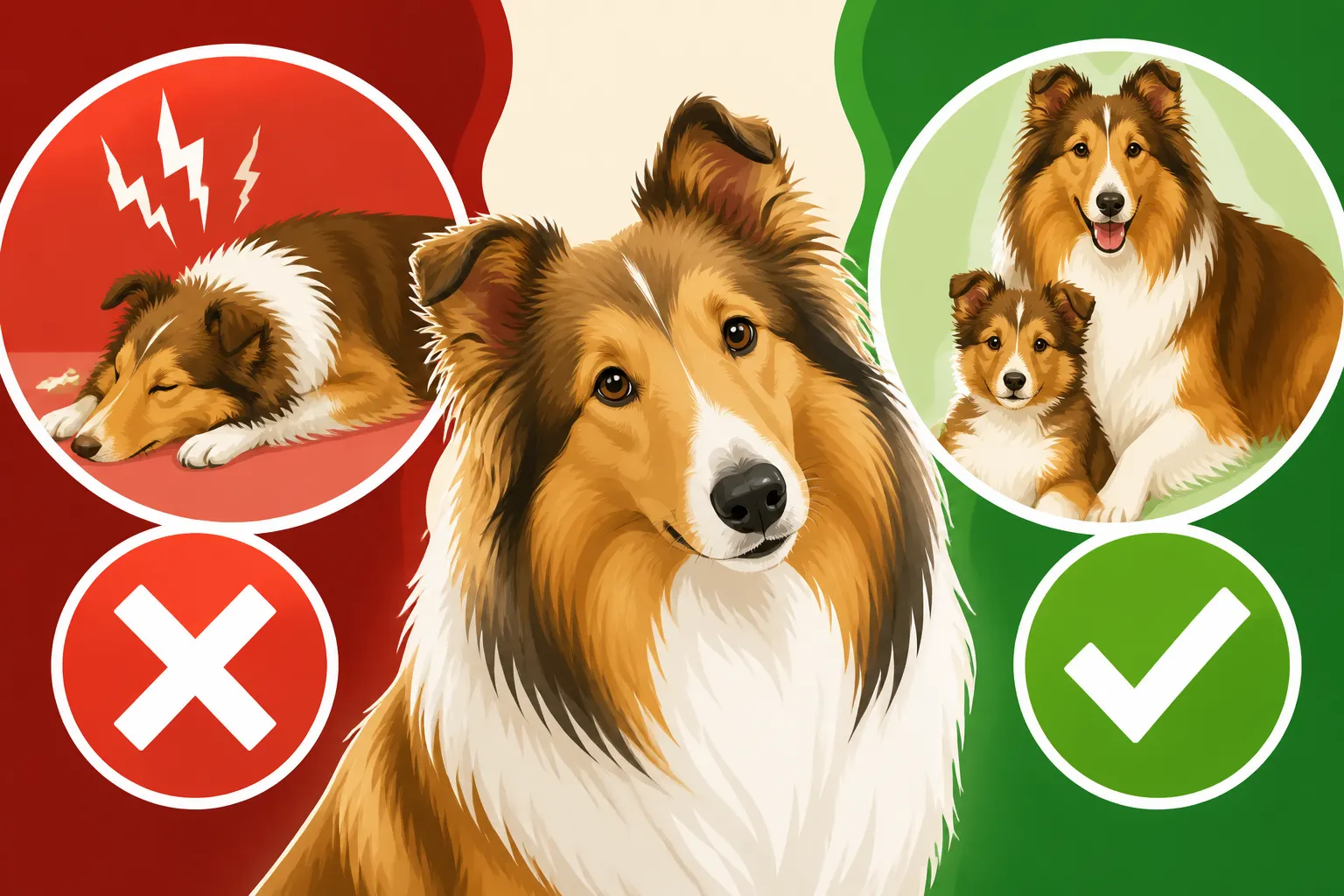
Ultimately, the most responsible decision for an epileptic Collie is almost universally to remove them from a breeding program. While it can be agonizing to make this choice, especially for a cherished pet, the long-term health and welfare of the Collie breed must take precedence. Breeding is not just about producing puppies; it's about stewarding a genetic legacy. Introducing or perpetuating a serious health condition like epilepsy goes against the core principles of ethical breeding. Instead, focus on providing your epileptic Collie with the best possible life, managing their condition with care and love. Organizations like the What the Collie Health Foundation Funds are dedicated to supporting research and education for conditions like epilepsy, and contributing to these efforts can be another way to honor your dog and help the breed.
Here's a table summarizing the general breeding implications:
| Scenario | Breeding Recommendation (for epilepsy) | Reasoning |
|---|---|---|
| Collie diagnosed with Idiopathic Epilepsy | Do Not Breed | Direct risk of passing on genetic predisposition. High ethical concern for welfare of offspring and future owners. |
| Collie with close relatives (parents, siblings, offspring) diagnosed with Idiopathic Epilepsy | Do Not Breed (or extreme caution with genetic counseling) | Strong indication of genetic carriers in the line. Even if the individual dog is not affected, they are highly likely to be a carrier and pass on predisposition. Consulting a geneticist is crucial, but most responsible breeders would avoid this scenario. |
| Collie from a line with no known history of epilepsy | Proceed with caution and continued monitoring | While seemingly clear, epilepsy can appear unexpectedly due to complex inheritance or new mutations. Maintain rigorous health screening, including careful evaluation of all offspring if bred. Ensure comprehensive health testing. It's important to remember that pet insurance, such as through Healthy Paws, can be a lifesaver for unexpected health issues, but preventing them through careful breeding is the ideal. |
| Collie with seizures due to a known, non-genetic cause (e.g., injury, metabolic disease) | Evaluate based on the specific cause and overall health | If the epilepsy is definitively secondary to a non-heritable condition and the dog is otherwise healthy and of sound temperament, breeding might be considered after veterinary clearance. However, extreme caution is still advised, and a geneticist's input on any potential genetic links to the underlying condition is essential. The ethical responsibility remains high. |
Choosing not to breed an epileptic Collie, or one from a heavily affected line, is a selfless act that benefits the entire breed. It's a testament to a breeder's integrity and genuine love for Collies, ensuring that the next generation has the best chance at a long, healthy life free from the distress of seizures.
Disclaimer
The information provided in this guide is for educational purposes only and should not be considered a substitute for professional veterinary advice. Always consult with a qualified veterinarian or a board-certified veterinary specialist for any health concerns or before making breeding decisions regarding your Collie.