Whether Show Collies Are Healthier Than Working Ones
It's a common worry among potential Collie owners, and frankly, it's a valid one: does a Collie bred for the show ring come with different health considerations than one from working lines? Many people agonize over this choice, fearing they might inadvertently choose a dog prone to more health issues simply by picking one "type" over another. This guide aims to cut through the speculation and give you a realistic understanding of health in both show and working Collies, helping you make the most informed decision for your future companion.
The Historical Split and Its Modern Ramifications
The idea that show dogs are inherently less healthy than working dogs is a long-standing debate across many breeds, and the Collie is no exception. To truly understand why this perception exists, we need to look back at how these distinct lines diverged and how their respective breeding goals influenced their development. It's not always as simple as "one is good, one is bad"; rather, it's about different priorities.
The Divergence of Type and Purpose
Historically, Collies were working dogs, primarily used for herding sheep in the Scottish Highlands. Their physique, intelligence, and temperament were all honed for that demanding job. They needed endurance, agility, a coat that could withstand harsh weather, and the mental acuity to work livestock independently. Over time, as dog shows gained popularity in the Victorian era, particularly after Queen Victoria's endorsement, some breeders began to select for traits that were aesthetically pleasing in the show ring. This led to a gradual, and sometimes dramatic, shift in focus.
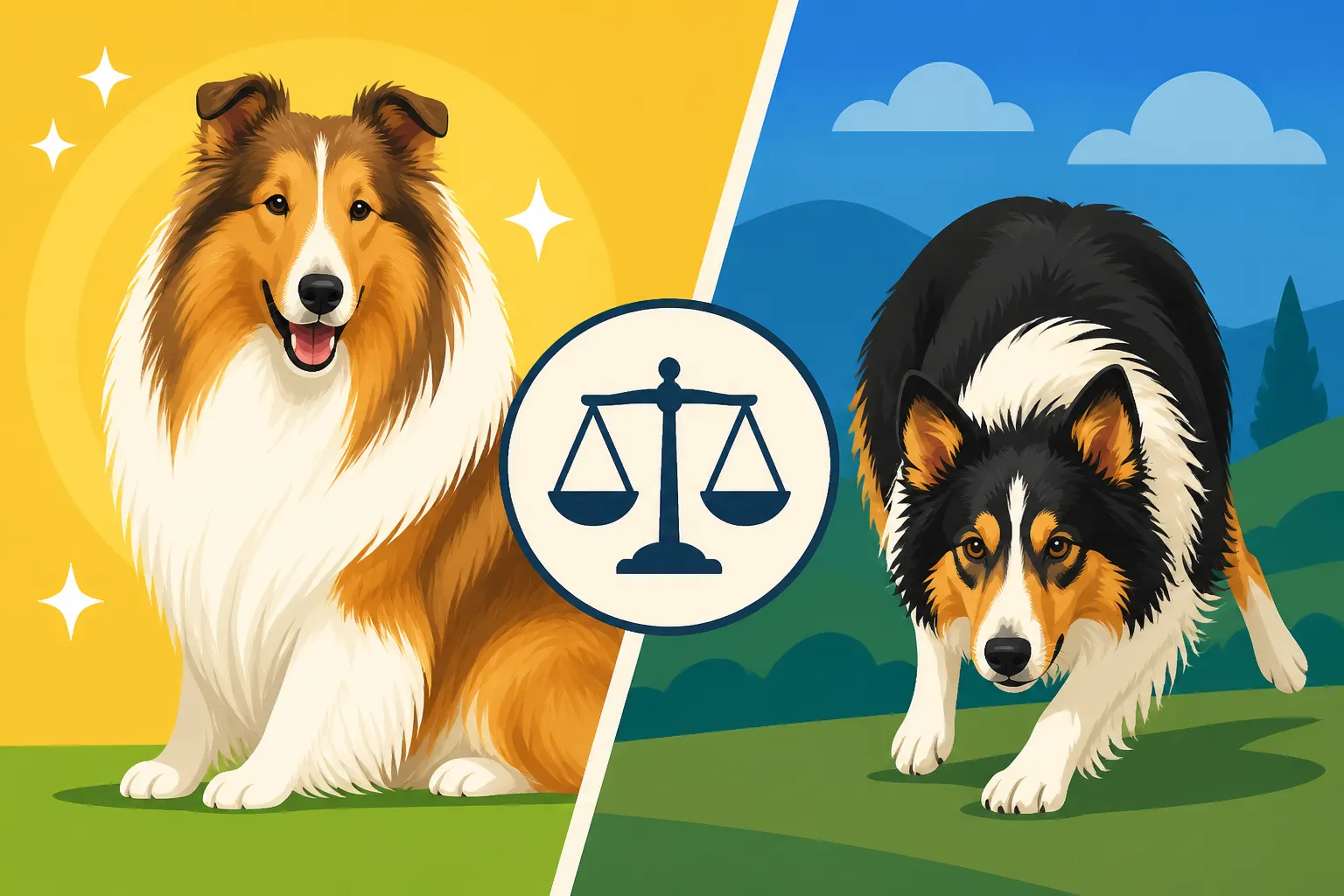
Suddenly, traits like an exaggerated head length, a specific ear set, or a more abundant coat became highly prized. While these traits might have enhanced a dog's appearance, they weren't necessarily beneficial, and in some cases, could even be detrimental to their working ability or overall health. This is where the initial wedge was driven between what became known as "show lines" and the more traditional "working lines" that continued to prioritize function and utility. It’s important to remember that this wasn't an overnight change, but a slow, evolving process driven by human preferences and breed standards. As time went on, the two types of Collies often had different ideal traits, which led to Whether Working Collies and Show Collies Diverged.
How Selection Pressures Shaped Each Line
The pressures on breeders in each camp were distinct. For show line breeders, success often meant producing dogs that conformed perfectly to the breed standard, which describes the ideal appearance, structure, and temperament of the breed. This often involves careful selection for specific physical attributes: a certain length of muzzle, the desired "sweet" expression, or a flowing coat. While responsible show breeders also prioritize health, the primary driver for selection is often aesthetic perfection for competition. This doesn't inherently make them unhealthy, but it means that if a dog with a desirable physical trait also carries a mild health predisposition, that predisposition might inadvertently be carried forward if not actively screened against.
On the other hand, working line breeders, particularly those focused on competitive herding or farm work, prioritize traits like instinct, biddability, stamina, and sound structure that can withstand the rigors of physical labor. A dog that can't work effectively due to poor structure or a lack of drive simply won't be bred. This natural selection pressure for functional soundness can, in some ways, be seen as a form of health screening, as less robust dogs may not excel. However, even working lines can have genetic predispositions if breeders aren't also actively health testing for conditions not immediately obvious in performance, such as certain eye conditions or drug sensitivities.
Temperament Differences: A Health Factor Too?
Beyond physical health, temperament is a huge part of a dog's overall well-being and can indirectly impact their physical health. There's a common generalization that show Collies are calmer and more laid-back, while working Collies are more energetic and intense. While this isn't a hard-and-fast rule and there's plenty of overlap, these tendencies do stem from selection. Show dogs need to be confident and composed in busy, often stressful environments like dog shows, able to stand for examination by judges, and comfortable with strangers. This often leads to selection for a steady, agreeable disposition.
Working Collies, especially those actively herding, need a high drive, quick reactions, and an intense focus. This energy needs an outlet. A working line Collie placed in a sedentary pet home without sufficient mental and physical stimulation can become anxious, destructive, or develop behavioral issues, which can certainly impact their quality of life and even their physical health through stress-related conditions. Conversely, an overly shy or nervous show-bred Collie, while perhaps physically sound, might struggle in a busy household, leading to its own set of welfare concerns. Neither temperament is "better" inherently, but matching the dog's inherent drive and personality to your lifestyle is crucial for its long-term health and happiness.
Unpacking Health Testing and Genetic Realities
The biggest determinant of a Collie's health, regardless of whether it comes from show or working lines, is the responsible breeding practices of its parents. This means comprehensive health testing for known breed-specific conditions. Unfortunately, many people assume that "working" automatically equals "healthier" or that "show" means "riddled with issues," but the truth is far more nuanced and relies heavily on individual breeders.
The "Bare Minimum" for Collie Health
For any Collie, a responsible breeder, whether they focus on show or work, should be performing a standard set of health screenings. This isn't optional; it's foundational. These include:
- MDR1 Gene Mutation: This is absolutely critical for Collies. The MDR1 mutation affects how certain drugs are processed, and dogs with two copies of the mutated gene can have severe, even fatal, reactions to common medications like ivermectin (often found in heartworm preventatives), loperamide (Imodium), and certain chemotherapy drugs. Even one copy can cause sensitivity. Every Collie owner needs to Assume Your Collie Has the MDR1 Mutation unless proven otherwise, and any reputable breeder tests for it.
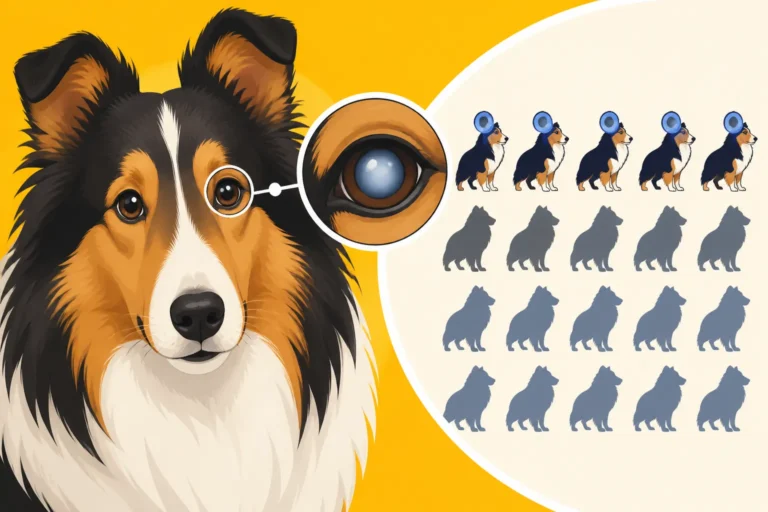
- Collie Eye Anomaly (CEA): This is a congenital, inherited eye disease that affects the development of the choroid, an important layer of tissue under the retina. While usually non-progressive, its severity can range from very mild (choroidal hypoplasia, or CH) to more severe forms like coloboma and retinal detachment, which can lead to blindness. Puppies should have a veterinary ophthalmologist perform an eye exam between 5-7 weeks of age to detect CEA. You should always Collie Eye Anomaly Affects Most Collies, So Ask How Badly when considering a puppy.
- Canine Hip Dysplasia (CHD): While less common in Collies than in some larger breeds, hip dysplasia can occur. It's a malformation of the hip joint that can lead to arthritis and pain. Screening involves X-rays, typically evaluated by organizations like the Orthopedic Foundation for Animals (OFA). Information about Hip Dysplasia in a Collie is important for any breeder to consider.
- Dermatomyositis (DMS): This is an immune-mediated skin and muscle disease unique to Collies, Shelties, and a few other breeds. It can cause skin lesions, muscle atrophy, and in severe cases, pain and difficulty eating. A DNA test can identify risk factors. Breeders should be aware of Dermatomyositis and the Collie Risk Panel.
A breeder who isn't openly discussing these tests and showing you the results for both parent dogs (and sometimes even grandparents) should raise a red flag, regardless of their breeding philosophy. This is the bedrock of responsible Collie ownership.
Common Genetic Conditions Across All Collies
It's a misconception that certain genetic issues are exclusive to one line. Many of the prevalent genetic conditions in Collies exist across the entire breed pool because they originated before the definitive split between show and working lines became as pronounced as it is today. What the Collie DNA Health Panel Covers has become more extensive over the years, and good breeders from both camps utilize these tools.
Consider conditions like epilepsy. While the exact genetic markers are complex and not always fully understood, epilepsy can appear in both show and working lines. Similarly, progressive retinal atrophy (PRA), another inherited eye disease, or even something like thyroid disease, can affect Collies regardless of their heritage. What does make a difference is the breeder's commitment to reducing the incidence of these diseases through careful selection and testing. Some breeders may choose to breed around carriers, while others may opt for stricter elimination depending on the severity and prevalence of the condition in their lines.
| Health Consideration | Show Line Tendencies (General) | Working Line Tendencies (General) | Key Health Tests Applicable to Both |
|---|---|---|---|
| MDR1 Mutation | Present | Present | DNA test (e.g., from Washington State University) |
| Collie Eye Anomaly | Present | Present | OFA Eye Certification, CERF (Ophthalmologist exam) |
| Hip Dysplasia | Less common but possible | Less common but possible | OFA Hip Evaluation |
| Dermatomyositis | Present | Present | DNA test (e.g., from Embark, Gensol) |
| Epilepsy | Can occur | Can occur | Thorough pedigree research, breeder transparency |
| Overall Robustness | Focus on aesthetics/structure | Focus on stamina/functionality | Comprehensive health screenings, good nutrition, appropriate exercise |
This table shows that many fundamental health concerns aren't exclusive to one line. They are breed-wide issues that need breed-wide solutions from responsible breeders.
Are Show Lines Over-Bred or Just Differently Bred?
The accusation of "over-breeding" is often leveled at show lines, sometimes implying a disregard for health in pursuit of exaggerated features or numerous championships. While it's true that the emphasis on certain aesthetics in the show ring can sometimes lead to less functional traits (e.g., coats so heavy they impact heat tolerance, or heads so refined they might have less space for teeth, though this is debated), it doesn't automatically mean show dogs are inherently unhealthier.
What it does mean is that show breeders must be extra diligent in their health testing and ethical practices to ensure that the pursuit of beauty doesn't inadvertently compromise health. Many dedicated show breeders are meticulously health testing, carefully selecting for sound temperaments, and striving to produce healthy, long-lived companions. They often participate in national breed clubs that advocate for health research and responsible breeding.
Conversely, some working lines might be bred primarily for intense drive or specific working traits, and if the breeder isn't equally committed to genetic health screening, these dogs could also pass on health issues. The notion that "natural selection" in working dogs automatically filters out all health problems is an oversimplification. A dog can be a fantastic herder but still be a carrier for MDR1 or have a mild case of CEA.
Ultimately, whether a Collie comes from "show" or "working" lines, what truly matters is the individual breeder's commitment to transparency, genetic health testing, proper socialization, and lifetime support for their puppies. If you're looking for an excellent health insurance option, companies like Healthy Paws can provide peace of mind, but preventative care and responsible breeding remain paramount.
Lifestyle, Environment, and Lifespan Factors
Beyond genetics, a Collie's health and lifespan are profoundly influenced by its daily life. The type of home environment, the diet, the amount and kind of exercise, and consistent veterinary care all play massive roles. This is where the perceived differences between show and working lines can start to blur, as a well-cared-for Collie from either background is likely to thrive.
The Impact of Daily Life on a Collie's Health
A Collie's environment shapes its health significantly. A dog, regardless of its lineage, that lives in a stimulating, loving home with a predictable routine, appropriate mental challenges, and a safe space to relax is going to be healthier overall than one kept in isolation or constant stress.
For example, a working line Collie placed in a family home with minimal outlets for its herding drive might exhibit stress-related behaviors like excessive barking, destructive chewing, or even obsessive-compulsive behaviors. These aren't necessarily "health" issues in the genetic sense, but they impact quality of life and can lead to physical problems if left unaddressed. Imagine a dog constantly pacing or destroying things – that's a sign of a troubled mind that will eventually impact the body.
Similarly, a show-bred Collie with a more refined coat might require more meticulous grooming to prevent matting and skin infections, especially if it's prone to spending time outdoors. If an owner neglects this crucial aspect of care, the dog can develop painful skin issues, which can become serious. A Collie's Coat Is the Bill That Arrives Every Eight Weeks is a reality that applies to many, but not all, show Collies. Understanding the specific needs that come with your dog's "type" and committing to meeting them is vital.
The Role of Nutrition and Exercise Regimes
Nutrition and exercise are cornerstones of health for any dog, and Collies are no exception. A balanced diet appropriate for their age, activity level, and any specific health needs (e.g., joint support as they age, or special diets for sensitive stomachs) is essential. High-quality dog food, whether kibble, raw, or home-cooked (under vet guidance), provides the building blocks for a strong immune system, healthy coat, and robust energy levels.
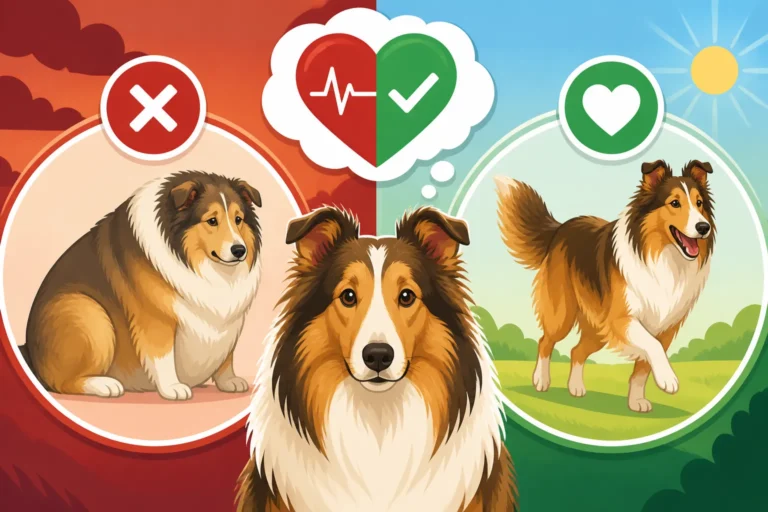
Exercise, too, must be tailored. A working line Collie, even if not actively herding, will generally require more intense, purposeful exercise than a show-bred couch potato. This might mean long hikes, agility training, competitive obedience, or even just extensive playtime in a large, securely fenced yard. Neglecting this need can lead to obesity, muscle atrophy, and behavioral problems. You can learn more about their exercise needs with Forty Five Minutes a Day, and Half of It in Its Head.
For a show-bred Collie, while they might appear more sedate, they still need regular exercise to maintain a healthy weight, muscle tone, and mental stimulation. Short, brisk walks, puzzle toys, and interactive play are usually sufficient. The key is to match the exercise level to the individual dog's needs and energy, not just its lineage. An overweight Collie, regardless of its background, is at higher risk for conditions like Bloat in a Deep Chested Collie, arthritis, and diabetes, significantly impacting How Long a Collie Lives and What Ends It. Good nutrition and proper exercise are simple yet profound ways to invest in your Collie's well-being, potentially reducing future vet bills and extending their healthy years, something any pet insurance provider like Healthy Paws would appreciate.
Preventing Common Ailments Through Proactive Care
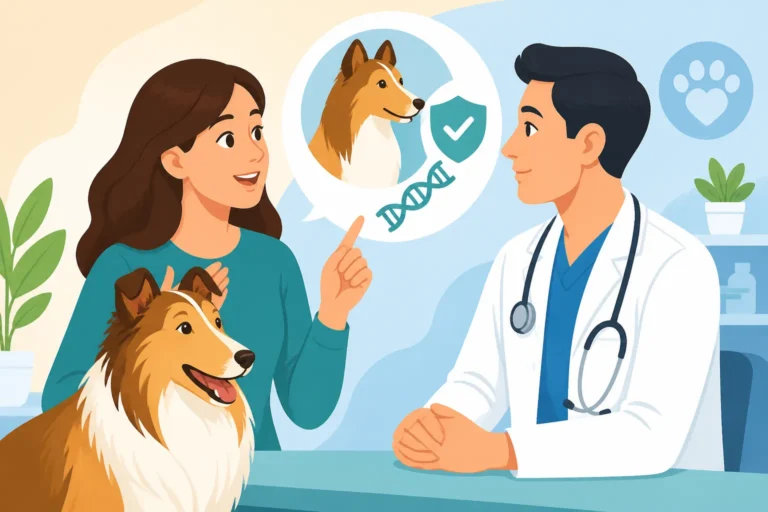
Proactive veterinary care is another huge factor. Regular check-ups, appropriate vaccinations, and parasite prevention are non-negotiable. This isn't about treating problems; it's about preventing them or catching them early. For Collies, this includes ensuring your vet is aware of the MDR1 mutation, regardless of whether your dog is tested or not. How a Collie Owner Tells the Vet About MDR1 is a crucial conversation that needs to happen at every visit.
Dental hygiene is also often overlooked but vital. Regular teeth brushing and professional dental cleanings prevent periodontal disease, which can lead to more serious systemic health issues like heart and kidney problems. Many Collies will also need their nails trimmed regularly, and their ears cleaned to prevent infections. These small, consistent acts of care significantly contribute to a Collie's overall health picture. Being proactive helps avoid costly emergency situations and ensures your Collie lives its happiest, healthiest life.
Making an Informed Choice: Prioritizing Health Over "Type"
When you're bringing a Collie into your home, whether you're drawn to the classic Lassie look or the more athletic build of a working dog, health should always be your top priority. The idea of "show versus working" being an automatic health indicator is often misleading. What truly matters is the integrity and knowledge of the individual breeder.
What to Ask Any Reputable Collie Breeder
Finding a responsible breeder is paramount. Don't be shy about asking questions—a good breeder will welcome them. Here’s what you should be inquiring about:
- Health Testing Results: Ask to see official certifications for MDR1, CEA (eye exams for puppies), Hip and Elbow Dysplasia (OFA/PennHIP for parents), and Dermatomyositis risk factors. A breeder should be able to provide these without hesitation. They should understand The Three Genetic Tests a Collie Breeder Owes You.
- Genetic Health Panel: Inquire if they use comprehensive genetic health panels that screen for additional conditions. Many labs offer panels that test for multiple genetic diseases relevant to Collies.
- Longevity of Lines: Ask about the lifespan and causes of death of the dogs in their pedigrees. This provides insight into potential long-term health trends.
- Veterinary Care: What kind of preventative care do their puppies receive? When are they wormed and vaccinated?
- Temperament: Discuss the temperaments of the parent dogs and previous litters. How do they socialize their puppies?
- Contract and Guarantee: A responsible breeder will have a contract that outlines health guarantees, return policies, and possibly spay/neuter clauses.
- References: Ask for references from previous puppy buyers or their veterinarian.
A breeder who is evasive or dismisses health testing as unnecessary is not someone you want to get a puppy from, regardless of whether they call their dogs "show quality" or "working stock." They should be transparent and educated about Whether a Collie Breeder Should Publish Results.
Researching Health Clearances and Pedigrees
Don't just take a breeder's word for it; verify the health clearances. Organizations like the Orthopedic Foundation for Animals (OFA) maintain public databases where you can look up individual dogs by their registered name or registration number to see their health test results. For MDR1 and DMS, many labs provide certificates that breeders can share directly.
A responsible breeder will also be open about their pedigrees, showing you generations of health-tested dogs. A pedigree isn't just a list of names; it's a map of a dog's genetic history. Look for consistency in health testing throughout the lineage. If a breeder has dogs listed in their pedigree that are also in a public health database, that’s a good sign of their commitment to transparency. Choosing a puppy from a breeder who skips these steps means you are effectively bringing home Whether an Untested Collie Is Ever Worth Buying, which carries inherent risks.
The Importance of a Good Veterinary Partnership
Once you bring your Collie home, establishing a strong relationship with a veterinarian who understands the breed (or is willing to learn about its specific needs) is invaluable. Educate your vet about the MDR1 mutation if they aren't already familiar with it, and keep their file updated with your dog's genetic test results.
Your vet will be your partner in preventative care, monitoring your Collie's health as it ages, and addressing any issues that arise. They can also provide guidance on nutrition, exercise, and behavioral support. Consider discussing pet insurance options with your vet; reputable providers like Healthy Paws can help cover unexpected vet bills for accidents or illnesses, allowing you to focus on getting your Collie the best care without financial stress. Whether your Collie is destined for the show ring, the herding field, or simply your couch, a good vet and a proactive approach to care are key to a long, happy, and healthy life together.
Disclaimer
This article is for general informational purposes only and does not constitute professional advice. Laws, prices and regulations vary by location and change over time. Consult a qualified professional for guidance on your specific situation.