Whether Testing One Collie Parent Is Enough
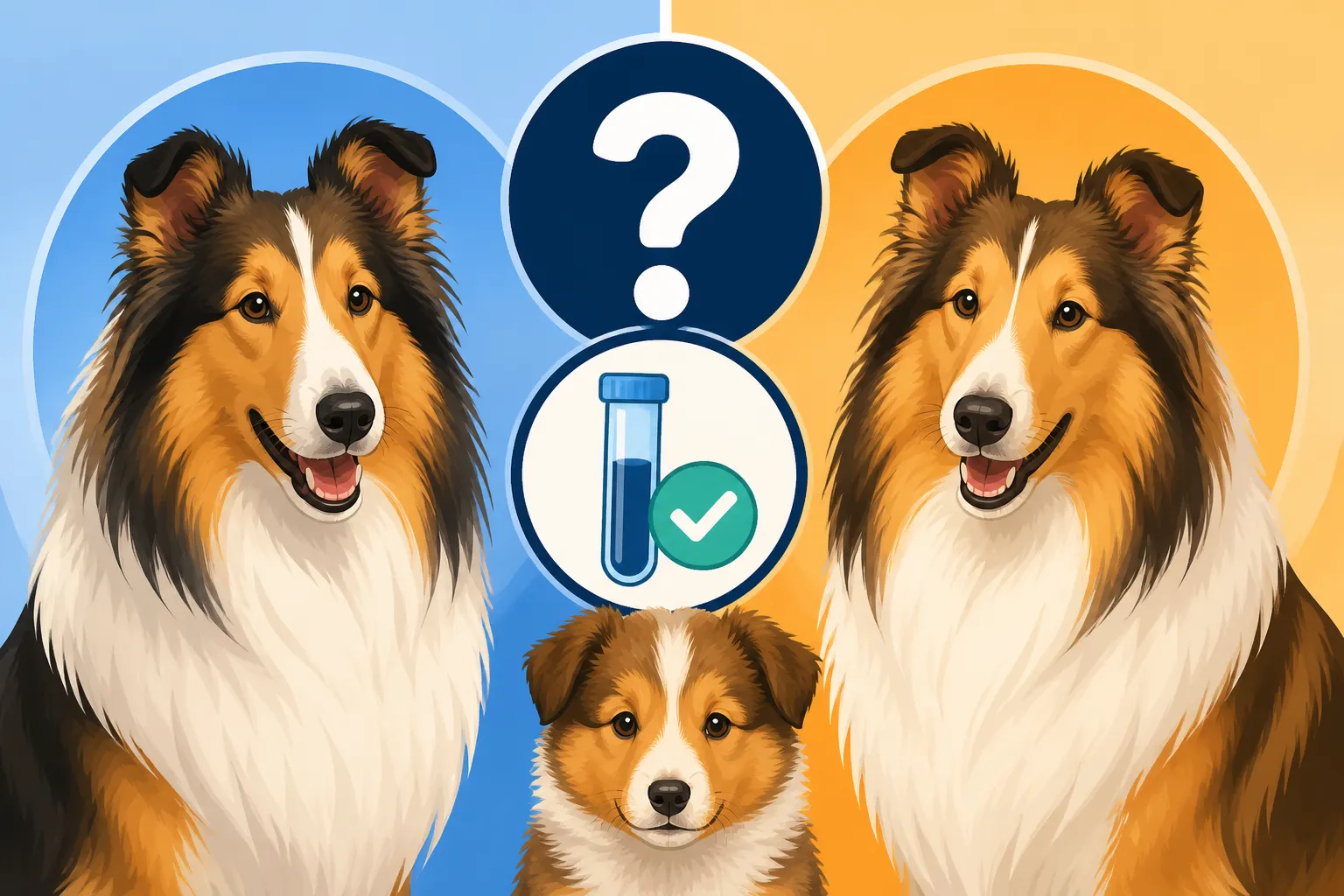
It's a common, completely understandable thought when you're looking to breed your beloved Collie, or even just trying to understand the health background of a potential puppy: "Do I really need to test both parents for every single genetic condition, or is testing just one enough?" The truth is, while it might seem like a way to cut corners or save on costs, taking a shortcut with genetic testing can open the door to heartbreak, unexpected vet bills, and a lifetime of management for a puppy with a preventable condition. This guide will walk you through why comprehensive genetic testing for both Collie parents is absolutely non-negotiable for the health and future of the breed.
The Foundation of Responsible Collie Breeding: Understanding Genetic Health
When we talk about responsible breeding, we're not just discussing how pretty the puppies are or how well-behaved the parents might be. At its heart, ethical breeding is about producing healthy, stable dogs, and for Collies, that means confronting the genetic predispositions of the breed head-on. Neglecting genetic testing isn't just a gamble; it's a decision that can have profound, long-lasting consequences for individual dogs and the breed as a whole.
Why Genetic Testing Isn't Optional for Collies
Let's be real, Collies are wonderful dogs, but like many purebreds, they come with a list of genetic conditions that, without careful breeding, can be passed down through generations. These aren't just minor quirks; some can lead to severe health issues, pain, and significantly shortened lifespans. For example, conditions like the MDR1 mutation can make common medications toxic, while others like Collie Eye Anomaly (CEA) can impair vision. Ignoring these risks is simply not an option for anyone dedicated to the well-being of these magnificent dogs. A responsible breeder sees genetic testing not as an expense, but as an investment in the health and future happiness of every puppy they bring into the world. It’s about being proactive rather than reactive, preventing suffering rather than just treating it after the fact.
Decoding Genetic Terms: Clear, Carrier, Affected
To understand why both parents need testing, it helps to grasp a few basic genetic terms. Imagine each gene as having two copies, one from each parent.
- Clear: This means the dog has two normal copies of a particular gene and cannot pass on the affected gene to its offspring. It's truly clear of that specific genetic condition.
- Carrier: A carrier dog has one normal copy and one copy of the mutated or "affected" gene. This dog is usually perfectly healthy and won't show symptoms of the disease itself, but it can pass on that single affected gene to its puppies. This is where things get tricky!
- Affected: An affected dog has two copies of the mutated gene (one from each parent) and will likely develop the associated genetic condition. The severity can vary, but the dog is genetically predisposed to the disease.
The key takeaway here, especially for conditions inherited in a simple recessive pattern, is that a carrier parent holds a powerful genetic secret. They look healthy, act healthy, and might even live a long, full life, but they carry the potential for disease in their DNA. For more complex conditions, like some forms of Dermatomyositis (DMS), the picture involves multiple genes, making comprehensive testing even more crucial to understand risk profiles. The goal is always to avoid producing affected puppies.
The Power of Pedigrees and Health Registries
While DNA tests are invaluable, they don't exist in a vacuum. A responsible breeder also delves deeply into a dog's pedigree, tracing lines back generations to understand the health history of the ancestors. Has there been a prevalence of certain conditions in a particular line? Were certain dogs known carriers of specific issues? This historical data, often recorded in public health registries like those maintained by the Orthopedic Foundation for Animals (OFA) or the Canine Health Information Center (CHIC), offers another layer of insight. These registries allow breeders to voluntarily submit and track health screening results, providing transparency and a collective knowledge base that benefits the entire breed. It’s about looking at the full picture, not just a snapshot, to make the best decisions for future generations. Knowing what tests a breeder has already committed to, and what those results mean, is a fundamental part of the journey toward a healthy puppy. The Three Genetic Tests a Collie Breeder Owes You is a great resource for understanding this.
The Significant Risks of Partial Genetic Testing
It's tempting to think, "Well, if one parent is clear, that's good enough, right?" Unfortunately, when it comes to recessive genetic conditions that Collies are prone to, testing only one parent leaves a massive gap in your knowledge and introduces a high degree of risk. This isn't just about probabilities; it's about real, living creatures who could suffer as a result of an incomplete picture.
The Hidden Dangers of Carrier Status
Let's imagine a scenario. You test one prospective Collie parent, Fido, and he comes back "Clear" for everything. Wonderful! Now, you have another beautiful Collie, Daisy, who you'd like to breed with Fido, but you decide to skip her genetic panel, perhaps to save some money or because she seems perfectly healthy. This is where the danger lies.
Daisy might be a "Carrier" for a recessive genetic condition, like the MDR1 mutation, which means she has one copy of the affected gene. Since she's only a carrier, she likely shows no signs of the mutation herself, so you'd have no idea without testing. Now, if Fido (Clear) and Daisy (unknown Carrier) breed, there's a 50% chance that each puppy will inherit that carrier status, and a 0% chance of an affected puppy. That sounds okay, right? Not really, because what if Fido was also a carrier, and you didn't know? Or what if you skipped testing both parents for other conditions? The critical point is that without testing Daisy, you've introduced an unknown variable. You're breeding blindly, hoping for the best, when you could have definitive answers. An unknown carrier can lead to an affected puppy if paired with another carrier or an affected dog. This is precisely why a blanket statement like Assume Your Collie Has the MDR1 Mutation is often given if testing is not done, because the consequences can be so severe.
When "Clear" on One Side Isn't Enough
Let's refine that scenario a bit. Say Fido tests clear for MDR1, and Daisy's status is unknown. Now, if Daisy is a carrier, then some of their puppies will be carriers too. While these puppies won't be "affected" by MDR1 themselves (meaning they won't have the severe drug sensitivities), they will carry the gene and could pass it on to their offspring if they go on to be bred. This perpetuates the gene in the breed without any oversight, making it harder for future generations to breed away from it.
Even more critically, what if you had another breeding pair, and one parent was clear, but the other parent was also a carrier, or even affected, but you only tested one? Without testing both, you simply don't have the full genetic puzzle. You're essentially playing Russian roulette with a puppy's health. For certain conditions, like Gray Collie Syndrome Is a Collie Problem and Nobody Else's, even if one parent is clear, if the other is a carrier, you still risk producing carriers in the litter, and if both are carriers, you absolutely risk affected puppies.
| Parent 1 Status | Parent 2 Status | Offspring Probabilities (Recessive Gene) |
|---|---|---|
| Clear (N/N) | Clear (N/N) | 100% Clear (N/N) |
| Clear (N/N) | Carrier (N/M) | 50% Clear (N/N), 50% Carrier (N/M) |
| Clear (N/N) | Affected (M/M) | 100% Carrier (N/M) |
| Carrier (N/M) | Carrier (N/M) | 25% Clear (N/N), 50% Carrier (N/M), 25% Affected (M/M) |
| Carrier (N/M) | Affected (M/M) | 50% Carrier (N/M), 50% Affected (M/M) |
| Affected (M/M) | Affected (M/M) | 100% Affected (M/M) |
(N = Normal gene copy, M = Mutated/Affected gene copy)
As you can see from the table, if you only test Parent 1 and they are "Clear", but Parent 2 is an unknown "Carrier," you'll get Carrier puppies, passing on the gene. If Parent 2 is an unknown "Affected," you'll get all Carrier puppies. The most dangerous scenario, of course, is two unknown Carriers producing affected puppies. This highlights the absolute necessity of knowing the status of both parents.
The Emotional and Financial Toll on Owners
Imagine bringing home that adorable Collie puppy, only to discover a few months down the line that they have a serious genetic condition that could have been prevented. The emotional impact is immense. You fall in love with this furry family member, and then you're faced with difficult decisions, ongoing veterinary care, and the heartbreaking reality of their struggles. For a family, this is devastating.
Beyond the emotional heartache, there's the significant financial burden. Treating genetic conditions can be incredibly expensive. Think about the lifelong management for an affected puppy, whether it’s specialized diets, ongoing medications, surgeries, or frequent vet visits. While pet insurance companies like Healthy Paws can certainly help mitigate some of these unexpected costs, some conditions might be deemed pre-existing if not diagnosed early or if coverage isn't in place. The cost of a few genetic tests upfront pales in comparison to years of specialized veterinary care, medications, and the sheer worry of managing a dog with a preventable health issue. This is why it's also worth considering Whether Pet Insurance Is Worth It on a Collie from the start.
The Irrefutable Case for Comprehensive Two-Parent Testing
For anyone serious about breeding Collies, or even just purchasing a puppy, the data is clear: testing both parents comprehensively is the only responsible path. It's not just about avoiding problems; it's about building a healthier future for the breed.
Ensuring the Health of the Next Generation
The primary goal of any ethical breeding program should be to improve the health and well-being of the breed. By thoroughly testing both dam and sire for known genetic conditions, breeders can make informed decisions that minimize the risk of producing affected puppies. This isn't about eliminating every single carrier from the gene pool, as that could severely limit genetic diversity, which also has its own health risks. Instead, it's about intelligent pairings. For example, a known carrier for a recessive condition can absolutely be bred, but only if paired with a mate who is certified clear for that same condition. This ensures that no affected puppies are born, while still allowing valuable genetics from the carrier to be passed on. This thoughtful approach helps to slowly reduce the prevalence of these undesirable genes over time without causing an extreme bottleneck in the breed's genetic diversity.
Making Informed Breeding Decisions
When you have the complete genetic profile of both prospective parents, you gain an invaluable tool for making the best possible breeding decisions. It's no longer a guessing game; it's a strategic plan. You know which dogs are clear, which are carriers, and for which conditions. This allows you to select pairings that ensure no puppies will be affected by severe recessive diseases. For multi-gene conditions like Dermatomyositis (DMS), knowing the risk factors from both parents allows you to predict the likelihood of affected offspring more accurately, which is detailed further in Dermatomyositis and the Collie Risk Panel.
Consider the information available with full testing:
- Preventing Affected Puppies: The most critical outcome. No matter what, you can avoid a puppy suffering from a preventable genetic disease.
- Managing Carrier Status: If you choose to breed a carrier, you know to pair them only with a clear mate, effectively managing the risk.
- Understanding Broader Health Picture: A full panel provides insight into multiple potential issues, allowing for holistic health planning.
This level of insight moves breeding from an act of chance to an act of careful stewardship, benefitting everyone involved, especially the puppies and their future families.
Protecting Your Puppy Buyers and Your Reputation
As a breeder, your reputation is everything. Providing potential puppy buyers with verifiable, comprehensive health clearances for both parents demonstrates an unwavering commitment to health and transparency. When a family is looking for a puppy, they want assurance that they're bringing home a healthy companion. Being able to show them certifications for both parents, covering all the relevant genetic tests (like those covered in What the Collie DNA Health Panel Covers), builds trust and confidence.
On the flip side, imagine the reputational damage if you knowingly, or even unknowingly, produce a litter with affected puppies due to a lack of complete testing. Not only is it unfair to the dogs and their new families, but it can quickly erode trust within the Collie community. Puppy buyers often rely on breeder referrals and online reviews; a negative experience related to preventable genetic issues can be incredibly damaging. Ultimately, the relatively modest investment in thorough testing for both parents is a testament to your ethical standards and an essential safeguard for your breeding program and your buyers' peace of mind. It’s also wise for buyers to ask Whether an Untested Collie Is Ever Worth Buying before committing to a puppy.
Key Genetic Conditions in Collies and Their Testing Needs
Collies, like many specific breeds, have particular genetic conditions that are more prevalent in their population. Understanding these and ensuring comprehensive testing for them is paramount. This isn't an exhaustive list, but it highlights some of the most critical ones that demand vigilance from breeders.
MDR1 Mutation: A Critical Concern
The Multi-Drug Resistance 1 (MDR1) gene mutation is perhaps one of the most well-known and dangerous genetic issues for Collies. This mutation affects a dog's ability to metabolize and excrete certain common medications, leading to a buildup of toxins in the brain. Even drugs regularly prescribed for routine treatments can become lethal to an MDR1-affected Collie. This is why genetic testing for MDR1 in both parents is absolutely non-negotiable.
If both parents are tested and clear, then all puppies will be clear. If one parent is a carrier and the other is clear, you will produce some carrier puppies, but none will be affected. However, if two carriers are bred together, or a carrier is bred with an affected dog, you risk producing affected puppies who will have severe drug sensitivities for their entire lives. Imagine the panic when you need emergency veterinary care, and you're racing against the clock, trying to communicate a specific The Drug List That Can Kill a Collie to an unfamiliar vet. This is a burden no owner or dog should have to face if it can be prevented through responsible breeding. Knowing What the MDR1 Mutation Actually Does to a Collie underscores its importance.
Collie Eye Anomaly and Other Ocular Issues
Collie Eye Anomaly (CEA) is another widespread inherited eye condition in Collies. It's a developmental defect of the choroid, a layer of tissue beneath the retina. The severity can range from mild (which often doesn't affect vision significantly) to severe (leading to retinal detachment, hemorrhage, and blindness). While there's a DNA test available that can identify some of the genetic markers for CEA, it's crucial to understand its limitations.
While the DNA test can determine if a dog is genetically "clear" of the primary mutation linked to CEA, a thorough eye exam by a board-certified veterinary ophthalmologist is also vital for puppies, typically between 5-7 weeks of age. This exam helps identify the physical manifestation of CEA, including mild forms, and other potential eye defects like colobomas that might not be fully covered by the current DNA tests alone. Therefore, comprehensive health screening for ocular issues in Collies involves both genetic testing of the parents (to screen for known markers) and physical eye examinations of the puppies. Collie Eye Anomaly Affects Most Collies, So Ask How Badly truly emphasizes the need for this dual approach.
Other Important Tests for the Collie Breed
Beyond MDR1 and CEA, Collies are also susceptible to other genetic conditions that require careful attention and testing.
- Degenerative Myelopathy (DM): A progressive neurological disease that affects the spinal cord, leading to hind limb weakness and paralysis.
- Progressive Retinal Atrophy (PRA): A group of genetic diseases that cause the degeneration of the retina, eventually leading to blindness.
- Von Willebrand Disease (vWD) Type II: A bleeding disorder caused by a deficiency in a specific clotting protein.
- Gray Collie Syndrome (Cyclic Neutropenia): A devastating immune disorder unique to Collies, where the number of neutrophils (a type of white blood cell) cycles up and down, leading to severe infections and often early death. This is why it's crucial to know Whether Both Collie Parents Must Carry Cyclic Neutropenia to produce affected puppies, highlighting the need for two-parent testing.
Many reputable testing labs offer comprehensive Collie panels that bundle these and other relevant tests. Consulting with your veterinarian or genetic counseling services can help you navigate the full scope of available tests and understand their implications. Companies like Chewy and Ollie often provide resources or products that support the overall health of dogs, but when it comes to specific genetic disease prevention, comprehensive testing through a specialized lab is the definitive answer. A responsible breeder will not only undertake these tests but also be transparent about the results for both parents. The health of the puppies, and the peace of mind for their future families, depends on it.
Disclaimer
This article is for general informational purposes only and does not constitute professional advice. Laws, prices and regulations vary by location and change over time. Consult a qualified professional for guidance on your specific situation.