Whether a Collie Owner Can Insure After a Diagnosis
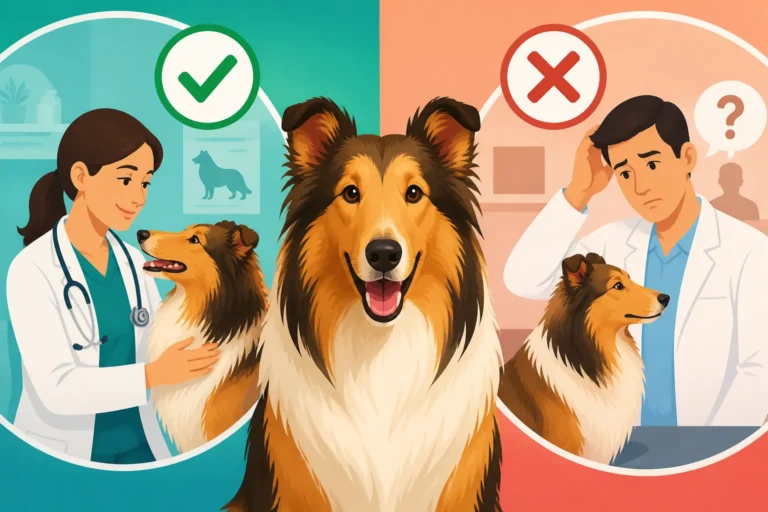
It's a moment many Collie owners dread: you've just received a diagnosis for your beloved dog, whether it's something routine or more complex, and suddenly a wave of worry washes over you, not just for their health, but for the mounting veterinary bills. The immediate thought for many is, "Can I get pet insurance now to help cover these costs?" This guide aims to tackle that very common and often disheartening question head-on, explaining the ins and outs of pet insurance once a diagnosis has already been made for your furry family member.
The Hard Truth About Pre-Existing Conditions and Pet Insurance
Let's be blunt: the world of pet insurance, much like human health insurance, is largely designed to cover unforeseen events. This means that once a condition has been identified or a diagnosis has been made, it generally falls under the umbrella of what insurers call a "pre-existing condition." This term is the biggest hurdle for owners seeking coverage after their Collie has already started showing signs of illness or received a diagnosis. It's a frustrating reality, especially when you're already stressed about your dog's well-being.
What Defines a Pre-Existing Condition?
For most pet insurance providers, a pre-existing condition is any illness or injury that showed symptoms or was diagnosed before your policy's effective date and before any waiting periods have passed. This definition is crucial because it's not just about when a vet officially puts a name to the problem. If your Collie was limping for weeks before you enrolled in a policy, and then later diagnosed with Hip Dysplasia in a Collie, that limping would likely be considered a symptom of a pre-existing condition, even if the diagnosis came later.
This can apply to a wide range of issues, from chronic conditions like Epilepsy in the Collie or allergies, to more acute problems if they had symptoms prior to your policy start. It's not uncommon for insurers to review your Collie's vet records from before you even applied for coverage, sometimes going back a year or more. This thorough review helps them determine if any current issues could be linked to something prior to the policy's inception. It’s a painstaking process, but it’s how they manage their risk.
Think of it like this: if your Collie started developing itchy skin and was scratching incessantly, even if you hadn't gone to the vet yet, those symptoms could indicate the start of a pre-existing condition if a skin allergy is later diagnosed. This is why many veteran Collie owners often suggest getting insurance when your dog is a healthy puppy; it's the best way to ensure coverage for future, unforeseen issues.
Why Insurers Exclude Pre-Existing Conditions
Insurers aren't trying to be difficult; they operate on a fundamental principle of risk assessment. The business model of insurance relies on pooling risk from many individuals to cover the unpredictable costs for a few. If people could simply buy insurance after a diagnosis and expect immediate coverage for that specific condition, the system wouldn't be financially viable. Everyone would wait until their pet got sick, and the insurance companies wouldn't have the funds to pay out all those claims.
It’s about preventing what’s known as "adverse selection." If someone knows their Collie needs expensive treatment for Collie Eye Anomaly Affects Most Collies, So Ask How Badly or a chronic illness, and they could sign up for insurance that day to cover it, it would unfairly burden the entire pool of insured pets. This is why every pet insurance policy has waiting periods – typically a few days for accidents and a couple of weeks for illnesses – before coverage begins. This is to ensure that you're not purchasing a policy for an already known issue.
It can feel incredibly unfair when you're in the thick of it, facing a significant vet bill for your beloved Collie. You might feel like you're being penalized for not having a crystal ball to predict future illnesses. This is a sentiment shared by countless pet parents, and it's a huge source of frustration in the pet insurance world. However, understanding why insurers have these rules can help set realistic expectations when looking for options post-diagnosis.
The Look-Back Period: Not All Conditions Are Treated Equally
While the general rule is that pre-existing conditions aren't covered, there's a nuanced distinction often made between "curable" and "incurable" conditions. Some insurers, after a specific "look-back period" where no symptoms or treatments occurred, might consider a previously curable condition to no longer be pre-existing. This is where the details in policy wording truly matter.
For example, if your Collie had a single bladder infection that was treated and resolved, and then a year passed without any recurrence, some policies might cover a new bladder infection. This period of time without symptoms or treatment is often referred to as a "cure period." However, for chronic, ongoing conditions like diabetes, kidney disease, or certain orthopedic issues, these are almost universally considered incurable pre-existing conditions and will remain excluded from coverage. Even a brand like Healthy Paws, known for comprehensive coverage, will have clear stipulations regarding pre-existing conditions, curable or otherwise.
It's a tricky line to walk. You'll need to scrutinize the policy documents and, ideally, speak directly with a representative from any insurance provider you're considering. Don't be afraid to ask very specific questions about your Collie's particular diagnosis and how it might be viewed. The more information you can get upfront, the less heartache you'll experience later when a claim might be denied.
Navigating Insurance Options After a Collie's Diagnosis
So, what are your options if your Collie already has a diagnosis? It's not an entirely hopeless situation, but it does mean adjusting your expectations and understanding the limitations. While the condition itself may not be covered, other aspects of your Collie's health might still benefit from an insurance policy. It's about looking forward, not backward, and planning for new unexpected issues.
Curable vs. Incurable Pre-Existing Conditions
Let's dive a bit deeper into this distinction, as it's often the key differentiator. A curable pre-existing condition is something that your vet considers fully resolved and gone, with no ongoing symptoms or need for medication. Think of a simple ear infection, a bout of kennel cough, or a urinary tract infection. If your Collie had one of these, recovered fully, and then remains symptom-free for a certain period (often 6 to 12 months, depending on the insurer), a new, unrelated instance of that same condition might be eligible for coverage. This is a big "might," and it varies wildly between providers.
On the other hand, incurable pre-existing conditions are chronic ailments that require ongoing management or are expected to recur throughout your Collie's life. This could include conditions like allergies, arthritis, diabetes, heart conditions, or the aforementioned Epilepsy in the Collie. If your Collie has already been diagnosed with one of these, it's highly improbable that any new insurance policy will cover treatment for that specific condition or any related issues. This doesn't mean you can't get insurance, but it means you'll be getting coverage for everything else that might happen to your dog, which is still a significant benefit.
It's vital to have an open conversation with your veterinarian about whether a condition is truly "curable" in their professional opinion, and then to convey that information accurately to potential insurers. Documentation is everything here, and clear vet records noting resolution of symptoms are paramount.
Accident-Only Plans and Wellness Plans
Even if a comprehensive accident and illness policy won't cover your Collie's pre-existing condition, you still have some avenues to explore for financial protection.
-
Accident-Only Plans: These policies are usually more affordable and focus solely on unexpected injuries, like if your Collie gets hit by a car, suffers a broken bone from a fall, or ingests something toxic. They won't cover illnesses at all, but they will cover accidents, regardless of your Collie's pre-existing illness. This can be a smart choice if your primary concern is the high cost of emergency veterinary care for unforeseen mishaps. If your Collie has a chronic illness, an accident-only plan can still provide peace of mind that a separate, sudden injury won't financially devastate you.
-
Wellness Plans: These aren't technically insurance, but they are often offered by veterinary clinics or alongside insurance policies. Wellness plans cover routine and preventative care, such as annual exams, vaccinations, heartworm preventatives, and flea and tick medications. They are typically subscription-based and help you budget for predictable costs. While they won't cover any diagnosed illnesses or accidents, they can help keep your Collie healthy overall, potentially preventing new issues from arising. Companies like Chewy often offer convenient auto-ship services for many of these preventative medications and special diets your vet might recommend, which can help streamline those regular costs, though they're not a substitute for insurance.
These options might not feel as robust as a full accident and illness policy, but they are still valuable tools for managing the ongoing costs of Collie ownership. Sometimes, partial coverage is better than no coverage at all, especially when you consider What a Collie's First Year Costs and ongoing expenses.
Considering Other Avenues for Financial Support
When pet insurance won't cover a diagnosed condition, it's time to get creative with financial planning. Many Collie owners find themselves in this position, and there are several strategies you can employ:
- Emergency Fund: This is perhaps the most critical step. Having a dedicated savings account for your Collie's medical needs, especially for that diagnosed condition, can be a lifesaver. Even setting aside a modest amount monthly can accumulate over time. Think of it as self-insurance. Set aside money monthly for general expenses, and consider adding to that specifically for medical emergencies.
- Veterinary Payment Plans: Many veterinary clinics understand the financial strain of ongoing treatments and may offer in-house payment plans. Don't be afraid to ask your vet's office about this possibility. They might work with third-party medical credit companies like CareCredit, which offers deferred interest options if you pay off the balance within a certain timeframe.
- Breed-Specific and Disease-Specific Aid: For Collies, there might be breed rescue organizations or foundations that offer financial assistance for specific conditions common in the breed, such as Dermatomyositis and the Collie Risk Panel or even general emergency aid. Researching these can sometimes lead to unexpected support. The Collie Health Foundation is an excellent resource for learning about breed-specific health issues and sometimes provides grants for research and treatment.
- Crowdfunding: While not a long-term solution, platforms like GoFundMe can sometimes rally support from friends, family, and even strangers in times of dire need, especially for sudden, expensive treatments that arise from a pre-existing condition.
Strategies for Collie Owners Facing a New Diagnosis
Facing a new diagnosis for your Collie is overwhelming, but understanding your options and being proactive can make a significant difference. While you might feel limited, there are still intelligent ways to approach insurance and financial planning for your furry friend's future.
Researching Insurers and Their Policies
This is where the detective work begins. Not all pet insurance policies are created equal, and their definitions of "pre-existing" and "curable" can vary. It's crucial to:
- Read the Fine Print: Don't just skim the marketing materials. Get a sample policy and read every single word regarding exclusions, pre-existing conditions, waiting periods, and how they handle recurrences of previously treated illnesses.
- Ask Direct Questions: Call prospective insurers and be completely transparent about your Collie's diagnosis. Ask specific questions: "If my Collie was diagnosed with Condition X on Date Y, would treatment for Condition X ever be covered under this policy?" "If Condition A (e.g., an ear infection) was treated and resolved on Date Z, and then recurred 10 months later, would that new instance be covered?" This clarity is essential.
- Compare Multiple Providers: Get quotes and policy details from several companies. While many might have similar stipulations regarding pre-existing conditions, one might have a slightly more lenient "curable" clause or a shorter look-back period for certain issues. Some providers, like Healthy Paws, are known for their strong reputation, but it's always wise to compare their specific terms against others for your unique situation.
It's a tedious process, but it's the only way to avoid surprises down the line. Remember, the goal isn't just to get any insurance, but to get the right insurance for your current circumstances. Consider Whether Pet Insurance Is Worth It on a Collie in general, and then weigh it against the specific coverage you can obtain post-diagnosis.
Getting Your Collie's Health Records in Order
When applying for pet insurance, especially with a known diagnosis, your Collie's complete veterinary history will be under scrutiny. Ensure all records are meticulously organized and accurate. This includes:
- Dates of Symptoms and Diagnoses: Precise dates for when symptoms first appeared and when a diagnosis was officially made are critical.
- Treatment Details: Records of all treatments, medications, and prognoses are important.
- Proof of Resolution (if applicable): If a condition was curable, ensure your vet's notes clearly state that the condition was resolved and that your Collie was symptom-free for a specific period.
Having these records readily available will expedite the application process and help you effectively communicate with potential insurers. Clear documentation can sometimes be the difference between a denial and limited, but still beneficial, coverage for other new conditions. It’s also crucial for explaining conditions like What the MDR1 Mutation Actually Does to a Collie to your vet, even if your policy doesn't cover it directly, to ensure safe prescribing.
Preventative Care and Future Health
Even with a pre-existing condition, a new insurance policy can still offer significant value by covering future, unrelated illnesses or accidents. If your Collie has diabetes, for example, your policy won't cover insulin or diabetes-related vet visits. But if your diabetic Collie suddenly develops a severe ear infection, breaks a leg, or is diagnosed with an unrelated new cancer, those new issues could very well be covered. This protection against the unexpected is still a huge benefit.
Therefore, focus on maintaining your Collie's overall health through excellent preventative care. Regular vet check-ups, a balanced diet (companies like Ollie specialize in fresh, customized meals that can support overall health, though they're not insurance), appropriate exercise, and a clean living environment can all help prevent new health problems from cropping up. Discuss How Long a Collie Lives and What Ends It with your vet, and ensure you're doing everything possible to promote a long, healthy life for your dog, especially if you're Caring for a Collie Past Nine.
Remember, while the specific diagnosis might not be covered, the vast majority of your Collie's future health issues are still unknown. A new policy can act as a safety net for those truly unforeseen circumstances, providing financial relief when you need it most. It’s about protecting against future unknowns, even if one known has already appeared.
| Type of Condition | Pre-Diagnosis (Before Policy Start) | Post-Diagnosis (After Policy Start) | Example | Potential Coverage Post-Diagnosis |
|---|---|---|---|---|
| Curable Pre-Existing | Yes | Yes | Single ear infection, UTI, kennel cough | Possibly covered if "cured" (symptom-free for a defined period, e.g., 6-12 months) and then recurs. |
| Incurable Pre-Existing | Yes | Yes | Diabetes, chronic allergies, arthritis, Hip Dysplasia in a Collie, Epilepsy in the Collie | Unlikely to be covered by a new policy. |
| New Illness (Unrelated) | No | Yes | Gastroenteritis, new cancer, skin infection | Likely covered, assuming it's not related to the pre-existing condition and occurs after waiting periods. |
| Accident | No | Yes | Broken bone, toxic ingestion, car accident | Likely covered, regardless of pre-existing illnesses, assuming it occurs after the accident waiting period. Accident-only plans specifically cover these. |
| Preventative Care | N/A | N/A | Vaccinations, check-ups, flea/tick prevention | Covered by separate "wellness plans" or riders, not typically by standard accident/illness insurance. Chewy offers auto-ship, and Ollie plans promote health, complementing these. |
It's undeniably a tough spot to be in when you're asking, "Can I get insurance now?" after a diagnosis. The answer is complex, but generally, the diagnosed condition itself will be excluded. However, this doesn't mean pet insurance is useless. It means you need to be smart, realistic, and thorough in your research. A policy can still provide invaluable protection against new illnesses and accidents, ensuring that at least some of your Collie's future veterinary needs are financially manageable. Always keep that emergency fund building, too – it's your ultimate safety net!
Disclaimer
This article is for general informational purposes only and does not constitute professional advice. Laws, prices and regulations vary by location and change over time. Consult a qualified professional for guidance on your specific situation.