Whether a Collie Can Be Returned to Its Breeder
It's an incredibly difficult, often heartbreaking, situation when you find yourself unable to keep your beloved Collie. Life throws curveballs, and sometimes, despite our best intentions and deepest love for our dogs, circumstances change drastically, leaving us with the painful question: can my Collie be returned to its breeder? This guide aims to shed light on breeder return policies, what responsible breeders typically do, and the compassionate paths available when you face such a challenging decision.
Understanding Your Breeder Contract and Return Policies
When you first brought your fluffy Collie puppy home, likely brimming with excitement and dreams of long walks and cuddles, the contract from your breeder probably felt like a lot of paperwork. But within those pages lies crucial information about what happens if, for unforeseen reasons, you can no longer provide a home for your dog. For responsible breeders, this isn't just a legal formality; it's a deeply ingrained ethical commitment to every life they bring into the world.
The Lifetime Commitment of a Responsible Breeder
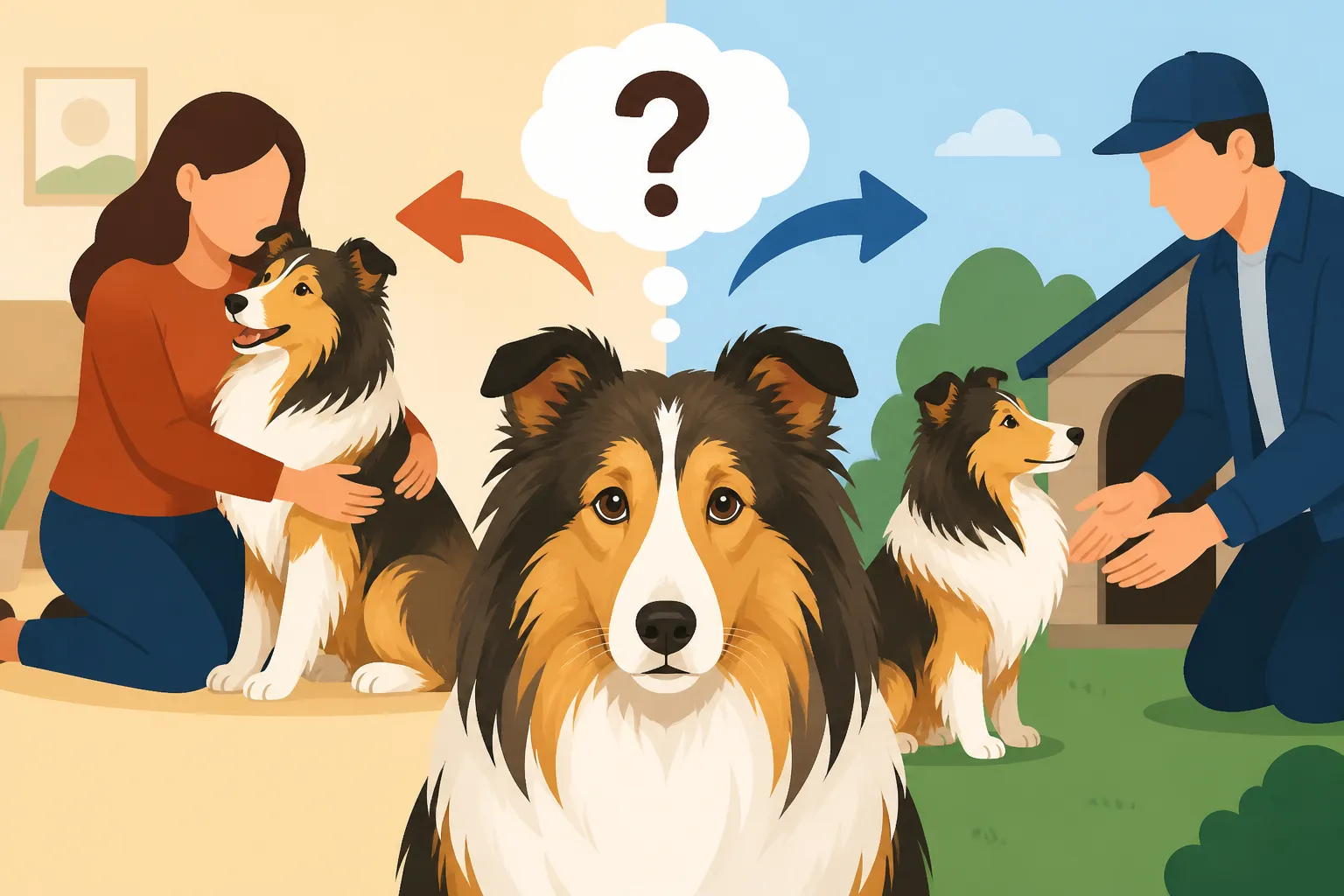
A cornerstone of ethical dog breeding is the lifetime return policy. This means that a good breeder will always, without question, take back a dog they have bred, at any point in its life, should the owner no longer be able to keep it. This isn't about blaming you; it's about their profound responsibility to their bloodlines and to the animals themselves. They want to ensure that none of "their" dogs ever end up in a shelter, a bad situation, or simply passed from hand to hand without proper vetting. This commitment is a hallmark of someone who truly cares about the breed and the welfare of individual dogs.
Imagine Sarah, who bought her tri-color Rough Collie, "Lassie," from a respected local breeder five years ago. Lassie was everything she dreamed of – gentle, smart, and a constant companion. Then, Sarah's husband was offered a fantastic job opportunity overseas, but with it came a strict quarantine for pets that would be incredibly stressful for Lassie, coupled with an apartment that had no yard space. Heartbroken, Sarah reread her contract and found a clear clause stating the breeder must be contacted first in any rehoming scenario. The breeder didn't hesitate; she offered to take Lassie back, find her a new loving home, and keep Sarah updated. That peace of mind, knowing her beloved dog wouldn't be lost to the system, was invaluable. Understanding What a Collie Breeder's Contract Covers is paramount from the very beginning.
Reading the Fine Print: What to Look For
While the principle of a lifetime return is generally true for ethical breeders, the specifics can vary. Your contract will detail the exact conditions. Some breeders might offer a full or partial refund if the return is within a very short timeframe, perhaps due to a serious health issue discovered right after purchase, as part of their initial health guarantee. For returns later in the dog's life, financial reimbursement is less common, as the primary goal is rehoming, not a buy-back.
Look closely for clauses regarding notification periods, expectations for the dog's condition (e.g., up-to-date on vaccinations, spayed/neutered if agreed upon), and any requirements for providing veterinary records. Some contracts might even stipulate that you cannot sell or give away the dog to a third party without the breeder's express consent. This isn't about control; it's about safeguarding the dog. A breeder might even have a list of approved waiting homes already in mind for adult dogs who, through no fault of their own, need a new family.
Common Reasons for Considering a Collie Return
Life is unpredictable, and sometimes, the best-laid plans go awry. It's important to remember that contemplating a return isn't a sign of failure, but often a difficult decision made out of love and a desire to do what's best for your Collie.
Unforeseen Life Changes
One of the most frequent reasons people consider returning a dog is significant, unexpected life changes. These can range from a new job requiring extensive travel or relocation to an area with pet restrictions, to a new family member developing severe allergies. A sudden illness in the human family, a divorce, or even a loss of income can drastically alter a family's ability to provide the necessary care, time, and financial resources for a dog.
Take Mark, for instance. He adored his sable merle Collie, Cooper, who was a wonderful, calm presence in his life. But then Mark's elderly mother fell ill and needed to move in with him. She had a severe, debilitating allergy to dog dander that made it impossible for Cooper to stay. Mark had tried everything – rigorous cleaning, air purifiers, even special diets for Cooper – but his mother's health was paramount. Through tears, he contacted Cooper's breeder, who was understanding and arranged for Cooper to go to a retired couple who had recently lost their own Collie. This was a painful decision for Mark, but he knew it was the right one for everyone involved.
Behavioral Challenges Beyond Your Capacity
Collies are known for their intelligence, eagerness to please, and generally gentle dispositions. However, every dog is an individual, and sometimes behavioral issues can emerge that an owner feels utterly unprepared or unequipped to handle. This isn't to say your Collie is "bad," but rather that their specific needs might exceed your experience or resources.
Common behavioral challenges that can prompt owners to consider rehoming include severe separation anxiety, which can manifest as destructive chewing, incessant barking, or house soiling when left alone. Some Collies, especially if under-exercised or under-stimulated, might display excessive herding behaviors towards children, other pets, or even guests, which can involve nipping at heels or constantly circling. The truth is, The Bark Is the Trait Collie Owners Underestimate in Collies, and persistent, loud barking can become a significant problem, especially in urban environments or with sensitive neighbors. While many of these issues can be addressed with consistent training, professional help, and enrichment, some owners simply reach their limit, especially if the problem escalates despite their best efforts.
Unmanageable Health Concerns
Another heartbreaking reason for considering a return is the development of serious health issues. While responsible breeders conduct extensive health testing on their breeding stock (you should always inquire about The Three Genetic Tests a Collie Breeder Owes You), some conditions can emerge unexpectedly, be difficult to diagnose, or be extremely costly to manage. This could include chronic illnesses requiring lifelong medication, specialized diets, or frequent veterinary visits, or even conditions that severely impact the dog's quality of life.
For example, a Collie might develop an autoimmune disease that causes painful skin flares, requiring ongoing medication and vet consultations. Or perhaps a severe joint issue like hip or elbow dysplasia, even with clearances in the parents, could manifest in a way that requires expensive surgeries or continuous pain management. While pet insurance providers like Healthy Paws can help mitigate some of these financial burdens, not everyone has such coverage, or the condition might be deemed pre-existing. The emotional and financial toll of managing a chronically ill dog can be immense, leading owners to a point where they feel they can no longer provide the necessary level of care.
The Process and Alternatives to Returning Your Collie
Facing the prospect of returning your Collie is daunting, but you're not alone. There are steps to take and alternatives to explore before making that final decision.
First Contact with Your Breeder
The very first step, as stipulated in most responsible breeder contracts, is to contact your breeder. Be honest, open, and clear about your situation. A good breeder will listen without judgment and often offer immediate support. They might suggest resources you haven't considered, such as behaviorists specializing in Collies, or connect you with local training clubs. They might also advise on dietary changes, perhaps recommending specific brands found on sites like Chewy or specialty formulations available through Ollie, if diet is contributing to a health or energy issue.
If the situation is dire and a return seems inevitable, they will initiate their return protocol. This typically involves them taking the dog back, either into their own home or a trusted foster home, to assess its needs before rehoming. They’ll want all health records, vaccination history, and any insights into the dog's personality and habits to help them find the most suitable new family. This process is usually handled with the utmost care and confidentiality, always with the dog's best interest at heart.
Exploring Responsible Rehoming Options
If returning to the breeder isn't the immediate path—perhaps they are temporarily at capacity, or your contract allows for owner-facilitated rehoming with their approval—exploring other responsible rehoming avenues is crucial. Never advertise your Collie for free on general classifieds; this can attract individuals with ill intentions.
Consider working with Collie-specific rescue organizations. These groups are dedicated to the breed, understand their unique needs, and have rigorous screening processes for potential adopters. They often have networks of foster homes where your Collie can decompress and adjust before finding a new permanent home. Organizations like these ensure that the dog's future family is well-vetted and prepared for the responsibilities of Collie ownership. They understand that Whether a Rescue Collie Screens Adopters Hard is key to successful placements. Gathering all your dog's records – vaccination history, microchip information, spay/neuter certificates, and notes on temperament or quirks – will be incredibly helpful for any rescue group or new potential owner.
Seeking Support Services and Training
Before reaching the point of no return, have you exhausted all possible support systems? Many behavioral issues can be significantly improved with the right training approach and professional guidance. A certified professional dog trainer or a veterinary behaviorist can provide tailored strategies for problems like separation anxiety, excessive barking, or reactivity. It might feel like an added expense, but sometimes a few sessions can make a world of difference.
If financial constraints are the primary concern, explore all available options. Many veterinary clinics offer payment plans. There are also various charitable organizations that provide financial aid for pet medical emergencies or ongoing care. Creating an emergency fund, as discussed in Whether a Collie Owner Should Set Aside Monthly, can also be a proactive step. Sometimes, simply adjusting your dog's routine or providing more mental and physical enrichment can alleviate stress-related behaviors. Think about whether your Collie is getting enough exercise, not just physically, but mentally. Even puzzle toys or short training sessions can make a big difference.
The Emotional and Ethical Landscape of Returns
Deciding to return a Collie is an emotionally charged process, filled with complex feelings for everyone involved. Understanding these dynamics can help you navigate the situation with compassion and clarity.
Navigating Owner's Guilt and Grief
For owners, the decision to return a beloved Collie is almost always fraught with profound guilt, sadness, and a sense of failure. You might feel like you're letting your dog down, that you haven't tried hard enough, or that you're a "bad" pet parent. These feelings are entirely normal and valid. Your Collie has been a cherished member of your family, and severing that bond is akin to experiencing a significant loss.
It's crucial to acknowledge these emotions without letting them paralyze you. Remind yourself that the decision is ultimately about what's best for the dog. If you can no longer provide the environment, time, or resources your Collie needs to thrive, then finding a situation where they can flourish is the most responsible act of love. Many people who have made this tough choice report a deep sense of relief once they know their dog is safe and happy in a new, well-suited home. Remember, your feelings of grief are a testament to the love you had for your dog, not a judgment of your worth. It's often said that How a Rescue Collie Learns to Trust can be a long journey, and being honest and providing all information to the breeder or rescue helps immensely with this transition.
The Breeder's Perspective and Responsibilities
From the breeder's standpoint, accepting a return is a fulfillment of their lifelong commitment to the dogs they produce. They view it not as a burden, but as a critical part of ethical breeding. A responsible breeder will typically want to know every detail about why the dog is being returned. This isn't to be intrusive or judgmental, but to gain insight. Understanding the circumstances (behavioral issues like those mentioned in Why Collies Are Surrendered, health concerns, or life changes) helps them better assess the dog and prepare it for its next home.
They might perform a thorough health check, a temperament evaluation, and perhaps even some refresher training to ensure the Collie is ready for a new family. Their primary goal is to minimize stress for the dog and maximize its chances of a successful, permanent placement. They will use their experience and network to find the perfect match, ensuring the dog's personality and needs align with its new environment. This dedication to the welfare of their dogs, regardless of how many years have passed since puppyhood, is what truly sets a responsible breeder apart.
Ensuring the Collie's Future Well-being
Ultimately, the entire process—whether it involves direct return to the breeder, rehoming through a rescue, or careful owner-facilitated placement—revolves around ensuring the Collie's future well-being. A responsible return process prioritizes the dog's health, safety, and emotional stability. By returning your Collie to its breeder, you are leveraging their expertise, their network, and their inherent commitment to the breed. This typically leads to a much safer and more secure outcome for the dog than trying to rehome it yourself without proper vetting.
| Policy Aspect | Common Responsible Breeder Practice | Less Ideal Scenario (Potential Red Flag) |
|---|---|---|
| Contract Clause | Explicitly states a lifetime return policy if owner cannot keep the dog. | No mention of returns, or only within a very short, unreasonable window. |
| Timeframe | Accepts returns for the dog's entire life, often with no strict time limit. | Only accepts returns within days or weeks of purchase. |
| Refunds | May offer full/partial refund within initial health guarantee; otherwise, generally no financial reimbursement for later returns. | Demands a rehoming fee, offers no refund, or refuses to take back any dog. |
| Reason for Return | Understands and supports returns for various reasons (life changes, behavior, health). | Only accepts returns for specific, limited health issues covered by a guarantee. |
| Support Offered | Provides resources, advice, or actively helps rehome the dog through their network. | Offers no support and expects owner to figure out rehoming independently. |
Choosing to bring a Collie into your life is a significant commitment. When circumstances dictate a change, the best option is almost always to work with the breeder who brought that dog into the world. They are the ultimate safety net, ensuring that every Collie they've bred lives a full, happy, and secure life, even if it means a new beginning.
Disclaimer
This article is for general informational purposes only and does not constitute professional advice. Laws, prices and regulations vary by location and change over time. Consult a qualified professional for guidance on your specific situation.