Whether a Collie Owner Should Budget for Grooming Monthly
Many Collie owners bring their beautiful, fluffy pups home with dreams of long walks and cuddles, only to be hit with the sudden, overwhelming reality of their magnificent coat. It’s easy to assume grooming is a sporadic, as-needed affair, but the truth is, managing a Collie’s glorious double coat requires a consistent, almost daily commitment, leading to recurring expenses that absolutely demand a dedicated monthly budget. This guide will walk you through why a monthly grooming budget isn't just a suggestion, but a necessity, covering everything from essential tools to professional services and unexpected costs.
The Constant Demand of the Collie Coat
It’s a common misconception that a Collie’s grooming needs are only truly intense a couple of times a year when they "blow their coat." While those periods are indeed a whirlwind of fur, the reality is that a Collie’s coat is a living, breathing entity that requires continuous attention, every single month, all year long. Neglecting it even for a few weeks can lead to painful matting, skin issues, and a much more expensive problem down the line.
Think about it: that luscious mane, the abundant feathering on their legs, the thick "petticoat" around their chest – it’s not just for show. It’s a double coat designed to protect them from the elements, but it also means constant maintenance. Even if your Collie isn't actively "blowing coat," they're still shedding hair, especially the fine, soft undercoat. This loose hair has a sneaky habit of weaving itself into the longer guard hairs, forming tangles and mats that can quickly become a serious welfare issue if not addressed. You might think a quick brush here and there is enough, but to truly maintain a healthy, tangle-free coat, you need a routine that touches on every part of their body. This isn't just about aesthetics; it's about comfort and preventing skin problems from trapped moisture and debris. How Often a Rough Collie Should Be Brushed delves deeper into the ideal frequency, but suffice it to say, it’s more often than you might initially assume.
Moreover, life happens. Your Collie might roll in something questionable on a walk, or perhaps they develop a patch of flaky skin under their dense fur that needs medicated shampoo. These aren't annual events; they can crop up at any time, adding unexpected demands to your grooming routine and, consequently, your budget. Muddy paws after a rainy day, burrs picked up on a hike, or even just the daily accumulation of dust and dander – it all contributes to a coat that needs regular tending. The idea of "seasonal" grooming often misleads new Collie owners into underestimating the constant vigilance required. Even a smooth Collie, with their shorter coat, still sheds year-round and can develop mats, especially behind the ears and in their "pants." The continuous nature of these needs means that thinking in terms of a monthly budget, rather than just an "as-needed" approach, is simply more realistic and responsible.
Building Your Monthly Grooming Budget: DIY vs. Professional Care
When it comes to managing your Collie's grooming needs, you essentially have two main paths: the dedicated DIY route or relying on professional groomers. Both have their costs, but budgeting monthly helps you prepare for either scenario, or even a hybrid approach.
The DIY Grooming Path: Tools, Products, and Time Investment
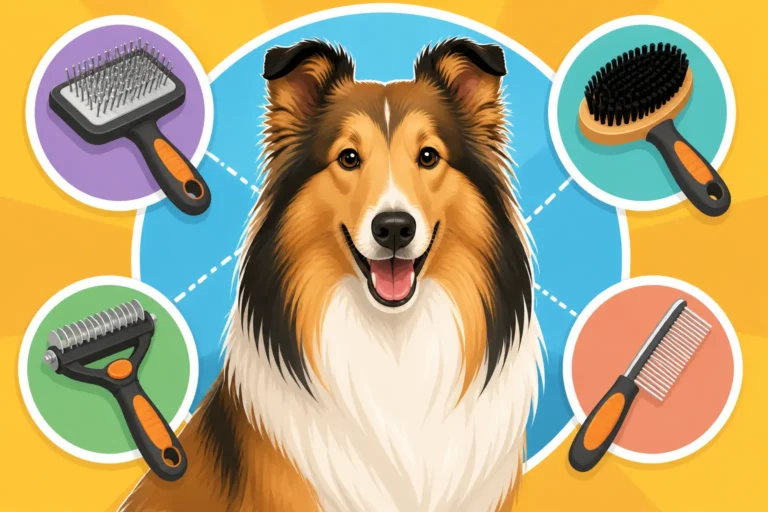
If you choose to do most of the grooming yourself, your monthly budget will primarily focus on consumables and occasional tool replacements. Initial investment in quality tools is key. You'll need an array of brushes and combs: a sturdy pin brush, an undercoat rake, a slicker brush, and a greyhound comb are often cited as the essentials. Four Tools and Twenty Minutes: Brushing a Rough Collie goes into detail on these tools. These are generally one-time purchases, but good quality items can still carry a significant upfront cost.
Then there are the ongoing monthly costs. Think about shampoo and conditioner. Collies, especially the rough variety, need specialized dog shampoos that won't strip their natural oils or irritate their skin. Depending on how often you bathe them – and a full bath and dry can be a project – these products will need replenishing. Nail clippers or a Dremel tool will also be part of your kit, along with styptic powder just in case of an accidental quicking. Ear cleaner, eye wipes, and dental care items like canine toothpaste and brushes also fall under regular maintenance. These items don't last forever, and you'll find yourself restocking them every few weeks or months.
Perhaps the biggest "cost" of DIY grooming is your time. Brushing a full-coated Collie thoroughly can take a significant chunk of time, especially during shedding seasons. You might spend anywhere from 20 minutes daily for upkeep to several hours for a full bath and brush-out. While it saves you professional fees, your time has value, and it's a commitment you need to factor in. If you're short on time one month, that's when mats can really start to form, potentially forcing you into a professional grooming visit you hadn't budgeted for. Products from reputable online retailers like Chewy can help you keep these costs manageable, offering subscription services or bulk discounts on your regular grooming supplies.
Professional Grooming: When to Call in the Experts
For many Collie owners, professional grooming is an indispensable part of their routine. Even if you do regular maintenance at home, a professional groomer can tackle things like deep deshedding treatments or extensive mat removal that you might not be equipped for. The cost of a professional groom for a Rough Collie, in particular, can be substantial due to the sheer volume of coat and the time involved.
A full professional groom typically includes bathing, drying (often with a high-velocity dryer, which is crucial for getting all that undercoat out), brushing, dematting, nail trimming, ear cleaning, and sometimes even a sanitary trim. These services ensure your Collie's coat is healthy, clean, and free from knots. The frequency of these visits varies; some owners opt for a full groom every 6-8 weeks, while others might go quarterly, supplementing with heavy home brushing. During a heavy coat blow, a professional deshedding service can be invaluable in saving your sanity and your vacuum cleaner. What a Professional Groom Costs on a Rough Collie highlights the value of these services.
Booking a professional groom on a monthly or bi-monthly basis is a fantastic way to spread out the cost and ensure your Collie's coat never gets out of hand. Instead of facing a hefty, unexpected bill for extensive dematting after months of neglect, you pay a more predictable, regular fee. Many groomers offer loyalty programs or package deals if you commit to a regular schedule. This predictability is where a monthly budget truly shines. It allows you to set aside funds for these essential services without feeling the pinch of a large, infrequent expense.
Here’s a simplified breakdown of budgeting considerations:
| Aspect | DIY Grooming | Professional Grooming |
|---|---|---|
| Initial Costs | Quality brushes, combs, dryer, clippers | Minimal, unless you want specific tools for upkeep |
| Monthly/Ongoing | Shampoo, conditioner, ear cleaner, dental items, blade sharpening | Full groom fee, tip, potential add-on services |
| Frequency | Daily/Weekly brushing, baths as needed | Every 4-8 weeks for full service, or as needed |
| Time Investment | Significant daily/weekly time | Time saved on major grooming tasks |
| Skill Required | Learning proper techniques, patience | Professional expertise, specialized equipment |
| Potential Savings | Lower cash outflow, but high time investment | Higher cash outflow, but high time savings |
| Risk of Problems | Higher if inexperienced (e.g., matting, skin irritation) | Lower due to professional skill and equipment |
Beyond the Basics: Hidden Costs and Unexpected Expenses
Even with the best intentions and a diligent schedule, a Collie’s coat care can sometimes throw you a curveball. It’s important to budget not just for routine care, but also for those unexpected grooming-related expenses that can arise.
Emergency Dematting and Repair Work
Let's be honest, life gets busy. Sometimes, despite our best efforts, a mat can form that's just beyond our capabilities or comfort zone. A deep-seated mat behind an ear, in the armpit, or around the rump can quickly become painful for your Collie, restricting movement and pulling at the skin. These aren't just aesthetic issues; they can lead to skin irritation, infections, and even hematomas if left untreated. When this happens, an emergency trip to the groomer is often necessary. Professional groomers will have the specialized tools and expertise to safely remove these mats, often requiring extra time and charging an additional fee for dematting services. Where a Collie Mats First is a good read to help you identify these trouble spots before they become full-blown emergencies. These unexpected costs can quickly derail an "as-needed" budget, emphasizing why a consistent monthly fund is so valuable.
Skin Issues and Medicated Treatments
Beneath all that beautiful fur, a Collie's skin needs attention too. Due to their dense coat, it's easy for moisture to get trapped, or for allergens and irritants to cause problems like hot spots, dermatitis, or yeast infections. While not directly a "grooming" cost in the traditional sense, treating these conditions often involves specialized medicated shampoos, conditioners, and topical treatments prescribed by your vet. These products can be more expensive than your regular shampoo and are a recurring expense until the condition resolves. In some cases, a dermatologist referral might be necessary, adding to the veterinary bills.
A good monthly grooming budget should have a small contingency fund for these types of health-related grooming products. What’s more, consistent and proper grooming can actually prevent many of these issues by keeping the skin clean, aerated, and free from mats that can harbor bacteria. This is where pet insurance, like a plan from Healthy Paws, can be invaluable. While it won't cover routine grooming supplies, it can definitely help with the unexpected veterinary costs associated with skin infections or other health issues that might be exacerbated by or mistaken for grooming problems.
Specialized Tools and Upgrades
As you get more into home grooming, you might find yourself wanting to upgrade your tools. Perhaps you realize a standard hairdryer just isn't cutting it for your Collie's dense coat, and you need a high-velocity force dryer. Or maybe you want a professional grooming table to make the process easier on your back and your dog. These items, while saving you money on professional services in the long run, are investments that require planning. Whether a Collie Owner Needs a High Velocity Dryer certainly makes a case for it, but the cost needs to be anticipated.
A force dryer, for example, can significantly cut down drying time and effectively blast out loose undercoat, which means less shedding in your house and fewer mats for your Collie. However, they aren't cheap. By having a monthly grooming budget, you can set aside a small amount each month specifically for these larger, periodic purchases, turning a daunting expense into a manageable savings goal. This proactive approach prevents you from feeling guilty or stressed when it's time to invest in a new, essential piece of grooming equipment.
Strategies for Smart Monthly Grooming Budgeting
Now that we understand the constant nature of Collie grooming and the various expenses involved, let's talk about practical strategies for creating and sticking to a monthly budget. It’s all about planning ahead and making smart choices that work for you and your furry companion.
Create a Detailed Breakdown of Expected Costs
The first step to smart budgeting is knowing where your money is going. Sit down and list all your expected grooming expenses for a month. This might include:
- DIY Supplies: Estimate how quickly you go through shampoo, conditioner, ear cleaner, nail supplies, and other consumables. Break down the cost of a large bottle over several months if it lasts that long.
- Professional Grooming: If you use a groomer, divide their fee by the frequency. For example, if a full groom costs a certain amount and you go every two months, divide that amount by two for your monthly budget.
- Preventatives: While not strictly grooming, regular flea and tick treatments and heartworm preventatives are crucial for coat and skin health. Brands like Chewy offer auto-ship options that can help you budget for these predictable expenses.
- "Buffer" Fund: Always include a small amount for unexpected issues, like a new mat you can't tackle or a sudden need for medicated shampoo.
By itemizing everything, you gain a clear picture of your actual monthly outlay. This allows you to adjust and find areas where you might save, such as buying larger sizes of shampoo or taking advantage of sales.
Hybrid Approaches: Mixing DIY and Professional Services
Many Collie owners find that a hybrid approach offers the best balance of cost savings and professional quality. You might commit to daily brushing and weekly spot-cleaning at home, then schedule a full professional groom every 8-12 weeks. During peak shedding seasons – the infamous "blowing coat" periods – you might opt for an additional professional deshedding service to save your home from being buried in fur. The Three Weeks Twice a Year When a Collie Buries Your House is a testament to how intense these periods can be, and professional help can be a godsend.
This strategy allows you to maintain the coat between professional visits, reducing the likelihood of severe matting and potentially lowering the groomer's overall charge if their job is easier. It also gives you more control over your budget; if funds are tight one month, you can prioritize essential home care and stretch the time between professional appointments, knowing you have a buffer. Just be realistic about your own skill and time constraints. A half-hearted DIY job can lead to problems that end up costing more to fix professionally.
Long-Term Investments and Savings Strategies
Consider grooming equipment as an investment that can save you money over time. A good quality high-velocity dryer, for instance, might be a significant upfront cost, but it can drastically reduce your need for professional drying services and make at-home bathing much more efficient. Setting aside a small amount in your monthly budget specifically for these larger purchases is a smart move.
Another long-term strategy is to invest in your own grooming education. There are countless online tutorials and even local workshops that teach proper line brushing techniques, dematting methods, and nail trimming skills. The more competent you become at home grooming, the less dependent you are on professional services for routine maintenance. While you may still opt for occasional professional grooms, your enhanced skills can significantly reduce your overall recurring expenses.
Finally, don’t underestimate the power of diet in maintaining a healthy coat. A high-quality diet, perhaps from a brand like Ollie that provides fresh, human-grade ingredients, can contribute to a shinier, healthier coat with less dryness and potentially less excessive shedding. While not a direct grooming cost, good nutrition supports overall health, which in turn makes coat care easier and can even reduce the incidence of skin issues that require costly treatments. A healthy coat is always easier and cheaper to maintain than a neglected one.
Disclaimer
This article is for general informational purposes only and does not constitute professional advice. Laws, prices and regulations vary by location and change over time. Consult a qualified professional for guidance on your specific situation.