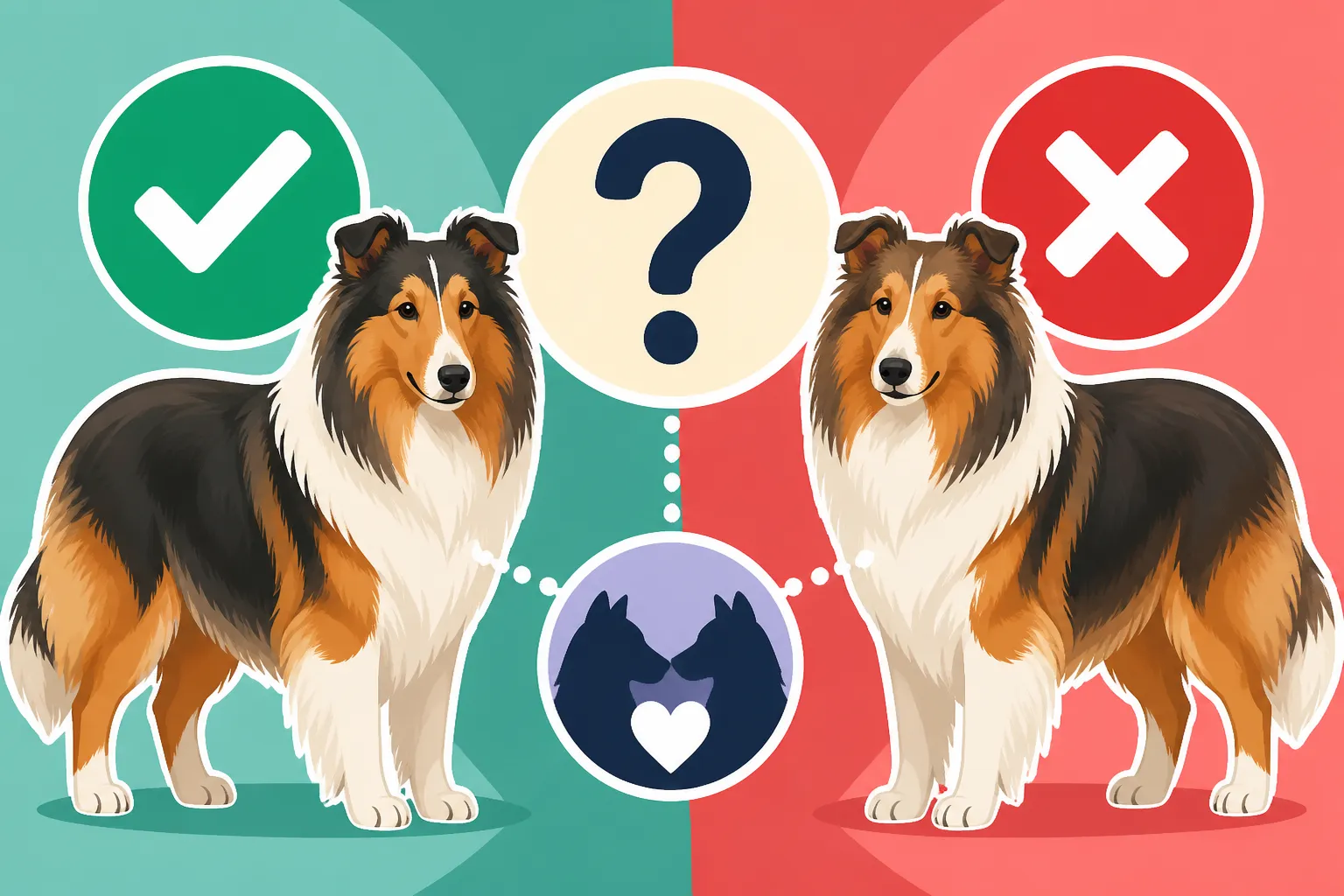
Whether Two Affected Collies Should Be Bred
It's a question that weighs heavily on the hearts and minds of ethical Collie breeders: what do you do when two of your beloved dogs are both affected by or carry a genetic condition? The impulse to breed them might be strong, especially if they possess many other wonderful qualities, but the potential risks to future generations are undeniable. This guide aims to shed light on the complex considerations, genetic realities, and ethical responsibilities involved in deciding whether to breed two Collies who are both impacted by inheritable health issues.
Understanding the Genetics of Collie Health
Navigating the genetic landscape of Collies can feel like learning a whole new language, but it's crucial for making responsible breeding decisions. When we talk about "affected" Collies, it's important to differentiate between a dog that carries a gene mutation and one that expresses the disease or trait. This distinction is vital, especially when considering breeding pairs.
The Role of Recessive Genes
Many of the health concerns we see in Collies are linked to recessive genes. This means a dog needs two copies of the mutated gene – one from each parent – to actually express the disease. If a dog only inherits one copy, they are typically a "carrier." They don't show symptoms themselves but can pass that single copy on to their offspring. A classic example in Collies is the MDR1 mutation. A Collie can be clear (N/N), a carrier (N/M), or affected (M/M). An N/M dog is a carrier; they have one normal gene and one mutated gene. While they might be more sensitive to certain drugs, they typically don't show the severe neurological symptoms that an M/M (affected) dog would if exposed to those drugs. Understanding this difference is paramount.
When you're dealing with a recessive trait, the math becomes very important. If you breed two carriers (N/M x N/M), statistically, 25% of the puppies will be clear, 50% will be carriers, and 25% will be affected (M/M). Now, imagine if you were considering breeding two affected dogs (M/M x M/M). In this scenario, 100% of their offspring would be M/M, meaning every single puppy would be genetically affected. This is why it’s so critical for breeders to understand What the MDR1 Mutation Actually Does to a Collie.
How Genetic Mutations Are Passed Down
Genetic mutations are passed down like any other genetic trait, following predictable patterns established by Gregor Mendel centuries ago. Each parent contributes one copy of each gene to their offspring. This applies to everything from coat color to predispositions for certain health conditions. When considering breeding, especially when there are known health issues in the lineage or in the potential parents themselves, genetic testing becomes your most powerful tool.
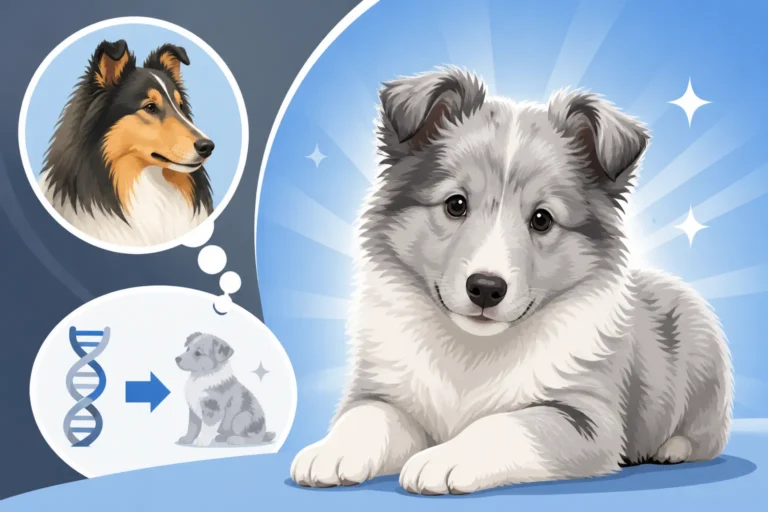
Take, for instance, Gray Collie Syndrome, also known as Cyclic Neutropenia. This is a devastating, typically fatal, recessive genetic disorder where affected puppies have a compromised immune system. An affected puppy (homozygous for the mutation) will inherit one copy of the faulty gene from each parent. Therefore, if you have two Collies that are affected with Gray Collie Syndrome – meaning they are M/M and showing symptoms – breeding them together would guarantee a litter where every single puppy is also affected. This is a prime example of a situation where breeding two affected Collies would be entirely irresponsible and unethical. For a more in-depth look, consider reading What Cyclic Neutropenia Does to a Collie Puppy. Responsible breeders should always have The Three Genetic Tests a Collie Breeder Owes You completed on their breeding stock.
Specific Concerns When Breeding Affected Collies
The decision to breed any Collie, let alone two Collies with known genetic issues, demands a deep dive into the specifics of each condition. Not all "affected" statuses are created equal, and the potential impact on the puppies varies greatly depending on the disease in question.
The Risks with MDR1 Mutation
The Multi-Drug Resistance 1 (MDR1) gene mutation is perhaps the most well-known genetic health concern in Collies. As mentioned, Collies can be N/N (clear), N/M (carrier), or M/M (affected). An M/M Collie is highly sensitive to a range of common veterinary drugs, including certain parasiticides, anti-diarrheals like loperamide, and some chemotherapy agents. Administering these drugs at standard doses can lead to severe neurological symptoms, seizures, coma, and even death.
If you are considering breeding two M/M (affected) Collies, the outcome is unequivocal: every single puppy in that litter will also be M/M. This means that every single puppy will face the same life-long drug sensitivities and risks as its parents. While managing an MDR1 affected Collie is possible with careful veterinary communication and a strict drug protocol, knowingly bringing a whole litter of such puppies into the world, when alternative breeding strategies exist, raises significant ethical flags. It places a huge burden on future owners to constantly remember and communicate these sensitivities, and any accidental exposure could be fatal. Breeders must consider Whether a Collie Should Wear a Medical Tag and ensure clear communication with new owners about this critical genetic factor.
Considerations for Collie Eye Anomaly (CEA)
Collie Eye Anomaly (CEA) is another common inherited eye disease in Collies, ranging in severity from very mild to severe, potentially leading to blindness or retinal detachment. Unlike MDR1, CEA is a complex condition, primarily inherited as an autosomal recessive trait, but with variable expression. This means that two dogs with the exact same genetic mutation for CEA might present with different degrees of severity in their eyes.
If two Collies are affected with CEA – meaning they both show clinical signs of the disease, even if mild – breeding them is highly problematic. Statistically, all their offspring would inherit two copies of the gene, making them genetically affected, and likely to exhibit clinical signs, potentially severe ones. Even if the parents only show mild signs, there's no guarantee the puppies will be similarly mild. You could easily end up with a litter where some puppies have severe forms of CEA, including colobomas or retinal detachment, which can significantly impact their quality of life. For an understanding of the impact, read What Collie Eye Anomaly Does to the Back of the Eye.
Because of its variable expression and the potential for severe outcomes, responsible breeding generally advocates against breeding two clinically affected Collies, even mildly affected ones. The goal is always to reduce the incidence of serious disease, not perpetuate it. Breeders should ensure a puppy is eye-checked at 5-7 weeks, and understand Why a Collie Puppy Is Eye Checked at Five to Seven Weeks.
The Gravity of Gray Collie Syndrome (Cyclic Neutropenia)
Gray Collie Syndrome, or Cyclic Neutropenia, is one of the most severe genetic conditions a Collie can face. It's a simple autosomal recessive disorder that is typically lethal. Affected puppies have a diluted gray or silvery-tan coat color, often mistaken for a blue merle at first glance, but with a distinct, often sickly appearance. Their bone marrow fails to produce sufficient white blood cells (neutrophils) on a cyclical basis, leading to severe immune deficiency. These puppies are highly susceptible to recurrent infections, fevers, and often succumb to illness before reaching maturity, or require intensive, lifelong medical management that few owners can sustain.
If you have two Collies that are both affected by Gray Collie Syndrome (meaning they are M/M and show the characteristic gray coat and health issues), breeding them together is an absolute non-starter. Every single puppy produced would also be M/M and suffer from this fatal condition. There is no ethical justification for such a breeding. The breeders' community, supported by groups like the Collie Health Foundation, strongly condemns any breeding practices that knowingly produce affected puppies with such devastating, untreatable conditions. This specific syndrome highlights why ethical breeding requires rigorous DNA testing and a complete understanding of inherited diseases. This is a scenario where pet insurance, like that offered by Healthy Paws, would be critically important for any owner whose dog unexpectedly developed such a condition, though prevention is always the primary goal.
The Ethical and Practical Dilemmas for Breeders
The world of dog breeding is often a tightrope walk between preserving desirable traits and eliminating undesirable ones, all while maintaining genetic diversity. When confronted with the possibility of breeding two Collies who are both affected by or carriers of genetic conditions, breeders face significant ethical and practical dilemmas that demand careful consideration.
Balancing Genetic Diversity and Disease Prevention
One of the biggest arguments you'll hear in breeding circles for sometimes keeping a carrier or even a mildly affected dog in a breeding program is the preservation of genetic diversity. If a popular stud dog or a particularly well-conformed bitch is also a carrier for a common recessive gene, removing them and all their relatives from the gene pool could inadvertently narrow the available genetic lines. This narrowing can, over time, lead to other unforeseen health problems or an overall weakening of the breed's genetic vigor. It's a valid concern – we don't want to "breed out" entire families of excellent dogs if we can manage a specific gene responsibly.
However, this argument rarely extends to knowingly breeding two affected individuals, especially for severe or life-limiting conditions. The risk of producing a full litter of affected puppies with reduced quality of life far outweighs any benefit to genetic diversity. Responsible breeding means carefully selecting mates to avoid pairing carriers, or breeding a carrier to a clear dog to minimize the chance of producing affected offspring while still allowing desirable traits to be passed on. This requires a comprehensive understanding of each dog's genetic profile, often obtained through DNA health panels. The question of Whether Breeding Only Clear Collies Would Shrink the Gene Pool is a complex one, but it doesn't generally endorse breeding two affected dogs.
The Breeder's Responsibility and Community Expectations
An ethical breeder holds an immense responsibility to the breed, to the individual dogs they own, and to the families who will adopt their puppies. This responsibility extends far beyond simply producing cute puppies; it encompasses safeguarding the health and welfare of future generations. Knowingly breeding two Collies that are both affected by a significant genetic condition, particularly if that condition causes suffering, early death, or requires lifelong, expensive medical intervention, is generally considered irresponsible and unethical.
The wider Collie community, including breed clubs, health organizations like the Collie Health Foundation, and experienced mentors, expects breeders to use all available tools – genetic testing, ophthalmologist examinations, hip and elbow evaluations – to make informed decisions. Transparency is key; breeders are often encouraged to publish the health results of their breeding stock. Breeding two affected dogs typically goes against the ethos of improving the breed's health. It can also severely damage a breeder's reputation and trust within the community. For a serious condition like Gray Collie Syndrome, for instance, producing an affected litter through intentional breeding would be met with strong disapproval and rightly so, considering Gray Collie Syndrome Is a Collie Problem and Nobody Else's.
Decision-Making Framework for Breeding Affected Dogs
When faced with the question of breeding dogs with known genetic issues, a clear, principled framework is essential. This isn't just about what's permissible, but about what's responsible, ethical, and in the best interest of the Collies.
When Selective Breeding Might Be Considered
There are extremely limited circumstances where a breeder might consider breeding a dog that carries one copy of a recessive gene (a carrier, not typically "affected" in the clinical sense) or perhaps a dog with a very mild, non-progressive form of a dominant condition that has exceptional qualities otherwise. However, even these decisions come with stringent conditions:
- Exceptional Merit: The dog in question must possess truly outstanding qualities (temperament, conformation, working ability) that are rare and genuinely valuable to the breed, and these qualities would be lost if the dog were entirely removed from the gene pool.
- Known Genetic Mode: The mode of inheritance must be perfectly understood, and a reliable genetic test must exist to identify carriers and affected individuals.
- Strict Mating Protocol: The affected or carrier dog must only be bred to a genetically clear (N/N) mate. This ensures that no affected puppies (M/M) will be produced. All puppies would either be clear (N/N) or carriers (N/M).
- Full Transparency and Disclosure: All potential puppy buyers must be fully informed of the genetic status of the parents and the implications for the puppies, including the likelihood of them being carriers. This is where comprehensive health records and open communication are paramount.
- Follow-up Testing: All offspring from such a pairing should be tested for the specific genetic condition to identify carriers. This allows future owners and breeders to make informed decisions. For example, testing a full litter, as discussed in Whether a Collie Breeder Should Test the Whole Litter, becomes even more critical in these situations.
Even with these stringent conditions, breeding an individual who is clinically affected by a disease that causes suffering or significantly impacts quality of life should generally be avoided. The focus should always be on improving the health of the breed.
When Breeding Affected Dogs Is an Absolute No-Go
For most genetic conditions where a Collie is truly "affected" – meaning they are homozygous for a recessive disease gene (M/M) or express a dominant condition with significant health consequences – breeding them is almost universally considered an absolute no-go. This is particularly true for conditions that are:
- Lethal or Severely Debilitating: Conditions like Gray Collie Syndrome, where affected puppies suffer greatly and rarely survive to adulthood, fall firmly into this category. There is no ethical reason to perpetuate such a devastating disease.
- Cause Significant Pain or Suffering: If the condition causes chronic pain, requires major surgery, or severely impacts the dog's quality of life (e.g., severe hip dysplasia, certain forms of epilepsy, or severe Collie Eye Anomaly), breeding an affected dog would be inhumane.
- Require Lifelong, Expensive Management: While pet insurance from providers like Healthy Paws can help offset costs, knowingly producing puppies that will require constant, specialized medical care throughout their lives is an unfair burden to place on unsuspecting owners and can lead to dogs being surrendered.
- Lead to 100% Affected Offspring: If breeding two affected dogs guarantees that all offspring will also be affected by a serious condition, this practice is simply indefensible. As we saw with breeding two M/M MDR1 Collies or two Gray Collie Syndrome affected Collies, the outcome is predictable and undesirable.
Breeders have a moral obligation to prevent suffering and to improve the overall health and well-being of the Collie breed. Sometimes, this means making difficult decisions to remove certain dogs from a breeding program, no matter how cherished they are, for the greater good of the breed.
The Impact on Future Generations and the Breed as a Whole
Every breeding decision a Collie breeder makes has ripple effects that extend far beyond a single litter. These choices shape the health, temperament, and future viability of the entire breed. Understanding this long-term impact is critical to responsible stewardship of Collies.
Diluting the Gene Pool vs. Eliminating Conditions
This is a continuous debate in purebred dog communities. On one side, there's the concern that being too aggressive in removing all carriers or even mildly affected dogs from the gene pool can drastically reduce genetic diversity. If a particular genetic mutation is widespread and many otherwise excellent dogs carry it, culling all carriers could make the remaining gene pool too shallow, leading to increased inbreeding coefficients and potentially unmasking other, perhaps unknown, recessive issues. For a condition like CEA, which is incredibly prevalent, simply eliminating all affected and carrier dogs overnight would severely limit breeding options. This is why some breeders advocate for careful, strategic breeding: breeding carriers to clear dogs, reducing the frequency of the gene over generations, rather than an immediate, drastic removal that could damage diversity.
| Parental Genetic Status | Offspring (Approximate % Distribution) | Risk of Affected Puppies | Ethical Considerations |
|---|---|---|---|
| Clear x Clear (N/N x N/N) | 100% Clear (N/N) | 0% | Ideal, disease-free |
| Clear x Carrier (N/N x N/M) | 50% Clear (N/N), 50% Carrier (N/M) | 0% | Responsible, reduces carrier frequency |
| Carrier x Carrier (N/M x N/M) | 25% Clear (N/N), 50% Carrier (N/M), 25% Affected (M/M) | 25% | Risky, generally discouraged for serious conditions |
| Clear x Affected (N/N x M/M) | 100% Carrier (N/M) | 0% | Acceptable only if affected dog has exceptional traits and strict conditions are met |
| Carrier x Affected (N/M x M/M) | 50% Carrier (N/M), 50% Affected (M/M) | 50% | Very high risk, generally unethical |
| Affected x Affected (M/M x M/M) | 100% Affected (M/M) | 100% | Absolutely unethical, should never occur |
On the other side of the coin is the argument that consistently allowing carriers or affected individuals into a breeding program, even with careful pairing, delays the elimination of detrimental conditions. For severe diseases, the ethical imperative to prevent suffering often overrides concerns about minor reductions in diversity, especially if the mutation is not essential for desirable traits. The conversation around Whether a Collie's Dermatomyositis Risk Can Be Bred Down illustrates this tension, where systematic approaches are needed to manage complex genetic risks without decimating valuable lines. Ultimately, the goal is to strike a balance where health is prioritized while intelligently preserving a robust genetic foundation.
Long-term Health Trends and Breeder Collaboration
The long-term health trajectory of the Collie breed depends heavily on the collective actions of its breeders. When breeders consistently make responsible choices, prioritizing health testing, ethical pairings, and transparent communication, the incidence of genetic diseases can gradually decrease over generations. This is a slow process, often requiring decades of dedicated effort. Organizations like the Collie Health Foundation play a crucial role in funding research and providing education, helping breeders understand complex conditions and implement best practices.
Conversely, if breeders are careless, prioritize aesthetics or wins in the show ring over health, or knowingly breed two affected Collies for traits that aren't truly exceptional, they contribute to a decline in breed health. This can lead to an increase in inherited diseases, which not only causes suffering for individual dogs but also damages the breed's reputation and can ultimately lead to a decrease in its popularity and availability. The goal of every breeder should be to leave the breed healthier than they found it. This requires collaboration, openness, and a shared commitment to the well-being of our beloved Collies, ensuring that future generations are as healthy and happy as possible.
Disclaimer
The information provided in this article is for educational purposes only and should not be considered a substitute for professional veterinary advice. Always consult with a qualified veterinarian or a reputable genetics expert regarding specific health concerns or breeding decisions for your Collie. Genetic science is constantly evolving, and professional guidance is essential.