Why a Collie’s Eye Exam Must Happen Before the Coat Grows
Bringing home a Collie puppy is such an exciting time, filled with dreams of long walks and loyal companionship. But amidst the joy, many new owners feel overwhelmed by the seemingly endless list of health considerations, especially when they hear about a critical eye exam that has a very narrow window. You might be wondering why this particular check-up can't wait until your fluffy friend has fully blossomed into their magnificent coat. This guide will meticulously explain the vital reasons behind the timing of your Collie puppy's first eye examination and how to navigate this important health milestone.
The Critical Window for Puppy Eye Exams
It's natural to assume that most veterinary checks can happen on a flexible schedule, but for Collies, the initial eye exam for certain inherited conditions operates on a very strict timeline. This isn't just a suggestion; it's a non-negotiable part of responsible Collie ownership and breeding, ensuring that potential issues are identified as early as possible before they become obscured by the natural growth of the puppy. Missing this window can mean missing a crucial diagnosis that impacts your dog's future health.
Understanding Collie Eye Anomaly (CEA)
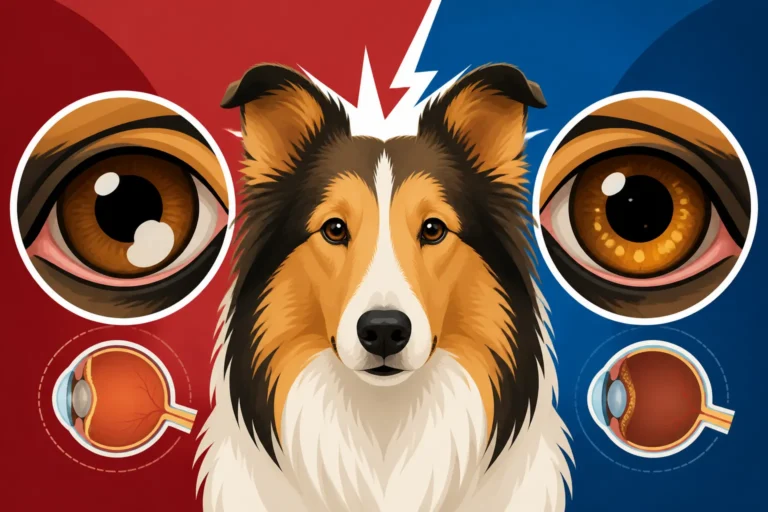
The primary reason for the urgency around a Collie puppy's eye exam is a genetic condition known as Collie Eye Anomaly (CEA), sometimes referred to as Choroidal Hypoplasia (CH). This is a developmental condition affecting the choroid, a layer of blood vessels and tissue that nourishes the retina. It's present from birth, and its severity can vary greatly, from very mild abnormalities that barely impact vision to severe forms that can lead to blindness or retinal detachment. Unfortunately, Collie Eye Anomaly Affects Most Collies, So Ask How Badly. It's a widespread concern in the breed, making early screening absolutely essential. Unlike some conditions that develop over time, CEA is fixed at a very young age, but its visible signs can be tricky to spot as the puppy grows.
The genetic basis for CEA means that even parents with mild forms can produce offspring with more severe disease. While a DNA test exists that can identify carriers and affected dogs for the gene that causes CEA, it doesn't always correlate perfectly with the clinical expression of the disease in every individual puppy. This is a critical distinction that many new owners miss. A puppy might carry two copies of the gene but show very mild clinical signs, or vice versa in rare cases. That's why a direct visual examination by a specialist is still considered the gold standard for diagnosis, complementing genetic testing rather than replacing it entirely for puppies.
What the Veterinary Ophthalmologist Looks For
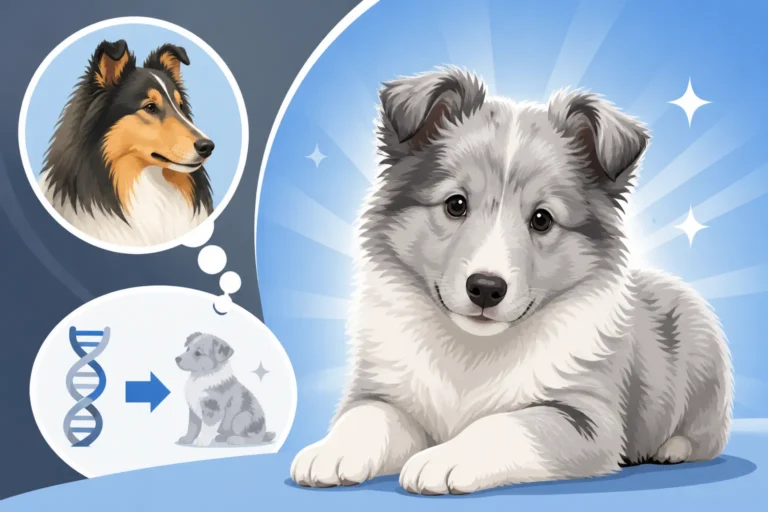
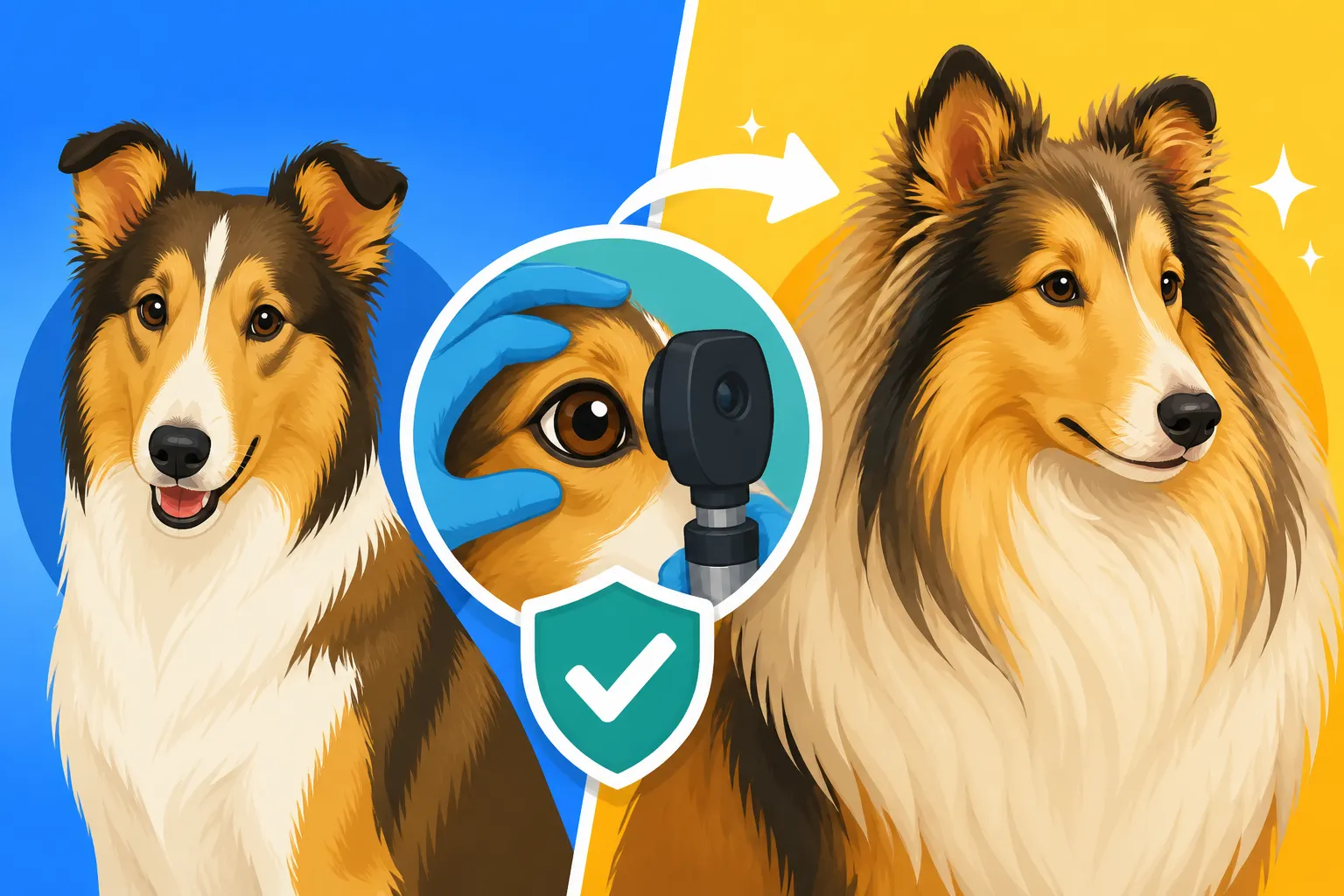
During this specialized eye exam, a board-certified veterinary ophthalmologist will carefully examine the back of your puppy's eyes. They'll use an ophthalmoscope to peer into the structures, looking for specific abnormalities. The key is to do this before the puppy reaches about 8-10 weeks of age because a phenomenon called "go normal" can occur. This term, which you might hear mentioned by breeders or vets, refers to a situation where the choroidal hypoplasia, while still present, becomes much harder to detect as pigment develops and fills in the back of the eye, effectively masking the underlying abnormality. This doesn't mean the condition has disappeared; it simply means it's become camouflaged. What Go Normal Means in a Collie's Eye Exam is that the window to accurately assess the extent of CEA is very small.
The ophthalmologist will be looking for signs of choroidal hypoplasia, such as areas of reduced pigmentation or blood vessel development in the choroid. They'll also check for more severe complications like colobomas (funnel-shaped defects of the optic nerve head), which can significantly impact vision, or even signs of early retinal detachment. These specific findings are crucial for determining the severity and potential prognosis for your puppy. For example, knowing What Collie Eye Anomaly Does to the Back of the Eye helps understand the potential for future vision problems, and whether a mildly affected Collie goes blind.
Why the Collie Coat is a Factor
Now, you might be thinking, "What does a beautiful, fluffy coat have to do with my puppy's eyeballs?" It turns out, quite a lot! The rapid growth of a Rough Collie's coat is a major practical consideration that directly influences the timing and ease of this essential eye examination. The physical challenge of getting a clear view and holding the puppy still becomes exponentially harder as they get fluffier.
The Challenge of the Rough Collie's Rapid Coat Development
Rough Collies are renowned for their stunning, luxurious coats. However, this magnificent attribute develops surprisingly quickly in puppies. By 8-10 weeks of age, many Rough Collie puppies are already little balls of fluff, with burgeoning feathering around their face, ears, and neck. This rapid coat growth isn't just aesthetically pleasing; it can become a real hindrance for a precise eye exam. The long hair around the eyes can make it difficult for the ophthalmologist to get a clear, unobstructed view of the eye itself, let alone adequately manipulate the eyelids and administer drops if needed. Imagine trying to see a tiny detail through a fluffy curtain – that's essentially the challenge.
Furthermore, a young puppy's patience for handling is often inversely proportional to their amount of fluff. A very young puppy, typically around 5 to 7 weeks old, is usually more cooperative and still for the examination. As they grow, they become more active, more wiggly, and generally less tolerant of being held still, especially when a bright light is shone into their eyes. The combination of a rapidly growing, obscuring coat and a less cooperative puppy means that waiting too long significantly increases the difficulty for the vet and the stress for the puppy, potentially leading to a less thorough or even inconclusive exam. This is precisely Why a Collie Puppy Is Eye Checked at Five to Seven Weeks, before the "fluff factor" becomes too great.
The Smooth Collie's Different, Yet Still Important, Window
While Rough Collies are the poster children for "too much coat too soon," it's crucial to remember that Smooth Collies, despite their shorter coats, still fall within the same critical diagnostic window for CEA. The absence of long hair doesn't mean they can wait longer. The underlying physiological reason for the early exam—the "go normal" phenomenon where ocular pigment develops and masks CEA signs—applies equally to both varieties.
Therefore, even with a Smooth Collie puppy, the imperative to have the eye exam done by 7-8 weeks remains just as strong. The difference is largely in the practical ease of the exam, as the veterinarian won't have to contend with hair obstructing their view. However, the biological clock for the diagnostic window remains the same. Owners of Smooth Collies might feel a false sense of security due to the less demanding coat, but they must still adhere to the strict timeline for this vital health check to ensure accurate diagnosis of conditions like CEA.
Preparing Your Collie Puppy for the Eye Exam
Knowing why the exam is timed as it is is the first step; the next is practical preparation to ensure a smooth and effective visit for both you and your precious pup. This isn't just another vet visit; it's a specialist appointment, and a little forethought can make a big difference.
Finding a Qualified Ophthalmologist
One of the most important steps is finding a board-certified veterinary ophthalmologist. This isn't your general practice vet; it's a specialist with extensive training in eye health. Your breeder should be able to provide recommendations for local ophthalmologists who are experienced with Collies and the specific nuances of CEA exams. If not, your regular vet can refer you, or you can search through organizations like the American College of Veterinary Ophthalmologists (ACVO) for certified practitioners in your area. They often publish directories of their members.
When you contact the ophthalmologist's office, make it clear you are scheduling a Collie puppy eye exam for CEA screening. This helps them allocate the appropriate time and ensures they understand the specific requirements and the critical age window. They are accustomed to these appointments and will guide you on their specific protocols. Don't be afraid to ask about their experience with Collie eye exams or if they're familiar with the specific breed concerns, such as the MDR1 mutation, which can affect certain medications. A reputable breeder will often provide a certificate of eye health from the ophthalmologist for their puppies, so ask for that too; Whether a Collie Breeder Provides an Eye Certificate is a key question to ask.
What to Expect During the Exam
When you arrive for the exam, the ophthalmologist will typically start by taking a thorough history. Be prepared to discuss your puppy's background, including the health of the parents if you know it, and any observations you've made about your puppy's eyes or vision. They will likely dilate your puppy's pupils with drops to get the best view of the back of the eye. This process takes a little time, usually about 20-30 minutes, during which your puppy might be a bit sensitive to light.
Once the pupils are dilated, the ophthalmologist will use an indirect ophthalmoscope, which is a specialized piece of equipment that allows for a wide-angle view of the retina and choroid. They will gently hold your puppy's head and eyelids open while shining a light into their eyes. It's a non-painful procedure, but the bright light can be startling, so your puppy might wiggle a bit. The technician or assistant will usually help hold your puppy safely and comfortably. The entire examination itself is usually quite quick once the pupils are dilated, typically lasting only a few minutes per eye. If you're concerned about costs, it's a good idea to inquire ahead of time; What a Collie Puppy Eye Exam Costs can vary, but it's a worthwhile investment in your puppy's long-term health. Many pet insurance providers like Healthy Paws offer coverage for unexpected illnesses and accidents, which can be helpful if follow-up treatments are ever needed, though preventive exams might have different coverage terms.
| Aspect of Exam | Key Information | Why it Matters for Collies |
|---|---|---|
| Timing | 5-8 weeks of age (ideally 6-7 weeks) | Essential before "go normal" phenomenon and rapid coat growth obscures view of CEA. |
| Professional | Board-certified Veterinary Ophthalmologist | Specialized expertise for accurate diagnosis of subtle or masked conditions like CEA. |
| Preparation | No food restrictions; pupils dilated with drops (takes 20-30 min) | Dilation is crucial for clear view of the choroid and retina. |
| Procedure | Indirect ophthalmoscopy; non-painful but bright light and gentle restraint. | Allows detailed inspection for choroidal hypoplasia, colobomas, and retinal detachment. |
| Purpose | Diagnose Collie Eye Anomaly (CEA) and other congenital ocular defects. | Early diagnosis informs breeding decisions and allows owners to prepare for potential future vision care. |
Long-Term Implications and Follow-Up
The initial eye exam is a snapshot, a critical first step in understanding your Collie's ocular health. But depending on the results, it may also be the beginning of a longer journey of monitoring or management. Understanding the results and what they mean for your dog's future is paramount.
Interpreting the Eye Exam Results
After the examination, the ophthalmologist will discuss their findings with you. They will assign a grade or description based on the severity of any detected abnormalities. Results typically fall into categories like "CEA Clear/Normal," "Mildly Affected (Grade 1-2)," "Moderately Affected (Grade 3)," or "Severely Affected (Grade 4)," though specific grading systems can vary slightly. A "clear" result means no observable signs of CEA. If your puppy is diagnosed with even a mild form of CEA, it's important to understand the implications. While a mildly affected Collie may never experience significant vision impairment, there's always a risk of complications like a retinal detachment later in life, particularly if colobomas are present. Conversely, if your puppy has a more severe form, you'll want to discuss the long-term prognosis, potential for blindness, and any recommended monitoring. Knowing Whether a Collie's Retina Can Detach Later is a critical piece of information for any affected dog.
It's also worth noting that the clinical eye exam and the DNA test for CEA are complementary but distinct. The DNA test identifies the genotype (whether the dog carries the specific genetic mutation), while the ophthalmic exam identifies the phenotype (the actual physical expression of the disease in the eye). Sometimes, a dog may test DNA clear but still show mild clinical signs of CEA that are not due to the known primary mutation, or vice-versa with masking. This is why most responsible breeders will utilize both tools for their breeding stock, and why a clinical exam is still vital for puppies.
The Importance of Early Diagnosis
Early diagnosis is truly a gift. For puppies found to be affected by CEA, it allows you to be proactive in their care. You'll know to monitor for changes in vision, to avoid certain types of activities that might exacerbate retinal issues, and to seek immediate veterinary attention if you notice any sudden changes. This knowledge allows you to plan, budget for potential future care, and simply be a more informed owner. For example, if your puppy has a severe coloboma, you'll know that extra care is needed to prevent injury and that they might always have limited vision. This insight helps you set up their environment for success and manage expectations.
Furthermore, early diagnosis is crucial for breeders. Reputable breeders use these results to make informed decisions about their breeding programs, striving to reduce the incidence of inherited diseases in future generations. This commitment to transparency and health is what distinguishes responsible breeding. While there isn't a specific DNA test that catches every affected Collie, combining DNA testing for adult breeding stock with early puppy eye exams for the entire litter helps breeders make the best decisions possible. Organizations like the Orthopedic Foundation for Animals (OFA) maintain a public database of health clearances, including eye exams, which can be a valuable resource for prospective puppy owners. When considering a puppy, also ensure you understand if your chosen pet insurance, like a plan from Healthy Paws, would cover any future treatments related to a pre-existing condition identified during this initial exam, as policies can vary. This forethought can save a lot of stress and financial burden down the line.
Disclaimer
The information provided in this article is for general informational purposes only and is not a substitute for professional veterinary advice. Always consult with a qualified veterinary professional for any health concerns or before making any decisions related to your pet's medical care.