Why a Collie’s Nose Loses Pigment
It can be quite startling to notice your Collie’s once-deeply pigmented black nose starting to fade, lighten, or even develop pink patches. As Collie owners, we pour so much love and attention into our dogs, and any change can spark worry. This guide is here to walk you through the various reasons why a Collie's nose might lose its pigment, from common, harmless shifts to conditions that warrant a trip to the vet, helping you understand what’s normal and when to be concerned.
Seasonal Pigment Loss: The Mysterious "Snow Nose"
One of the most common and, thankfully, benign reasons for a Collie's nose to lose its pigment is a phenomenon affectionately known as "snow nose" or "winter nose." It's a bit of a misnomer, as it doesn't just happen when there's snow on the ground, but it certainly has a seasonal pattern.
What is "Snow Nose"?
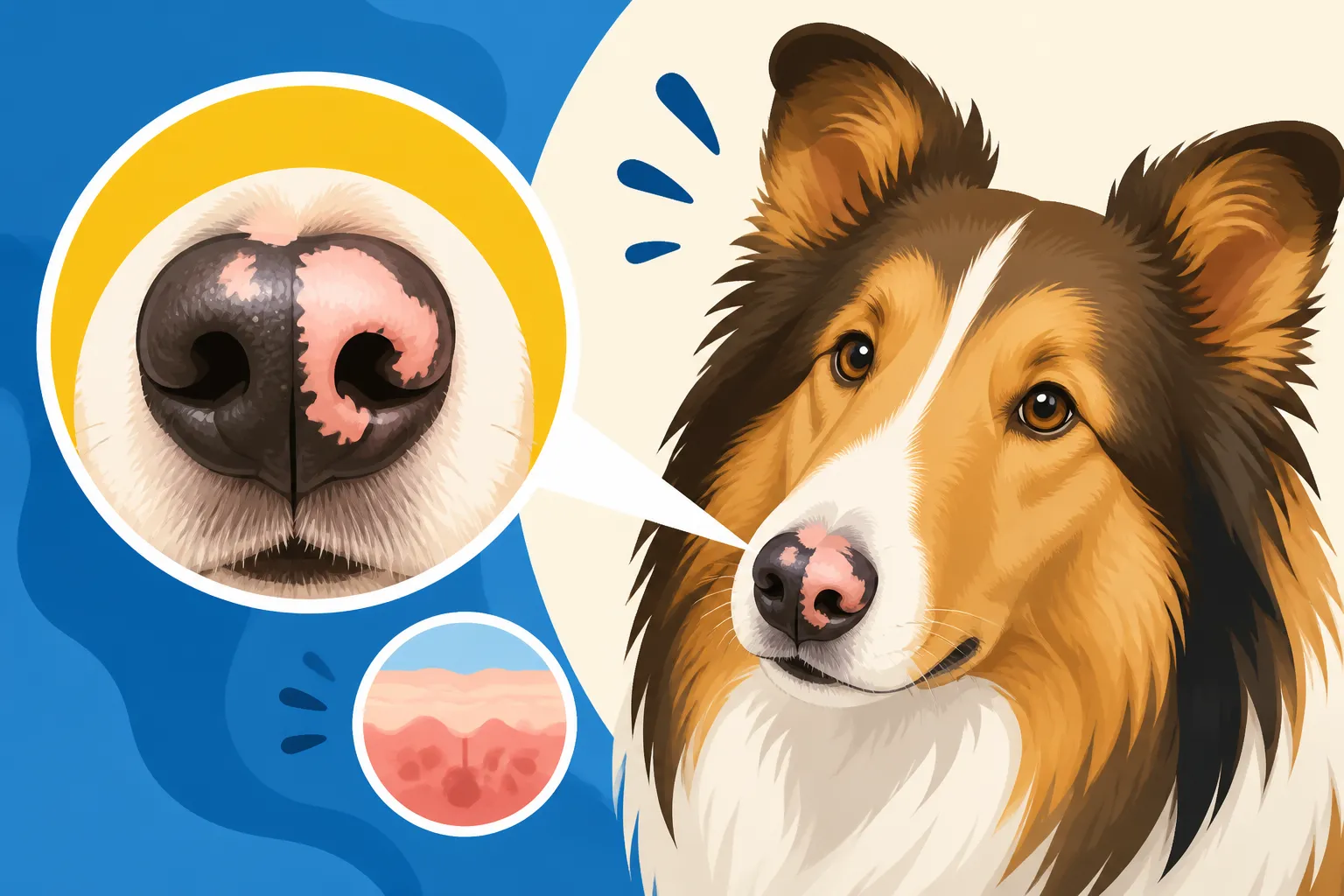
Imagine waking up one morning in the depths of winter, or even just as the temperatures begin to dip, and you notice your Collie's sleek black nose has a noticeable pinkish or brownish streak right down the middle. For many, it's a gradual change, starting with a slight dulling of the black and then progressing to a distinct lighter shade. You might wonder if they've scraped it, or if something more serious is at play. It’s certainly a conversation starter at the dog park, and sometimes even vets are asked about it, especially by new Collie owners. The good news is that for most Collies, this change is purely cosmetic and doesn't impact their health or comfort in any way. It's just one of those unique Collie quirks, much like their expressive eyes or their tendency to follow you from room to room.
Why Does it Happen?
The exact science behind "snow nose" is still a topic of discussion among canine researchers, but the general consensus points to a decrease in the activity of an enzyme called tyrosinase. This enzyme is crucial for the production of melanin, the pigment responsible for the dark color of a Collie's nose, skin, and coat. When the weather gets colder, or there’s less direct sunlight, this enzyme's activity can slow down. Think of it like a natural, temporary slowdown in the pigment factory. As spring and summer return, bringing with them warmer temperatures and increased UV exposure, the enzyme often kicks back into higher gear, and the nose typically darkens again.
This cyclical fading and darkening can happen year after year, or it might just occur once or twice in a Collie's lifetime. It's more common in some breeds than others, and Collies, with their beautiful variety of coat colors, are definitely on the list of dogs prone to it. It’s important to remember that this isn't a sign of illness; it's just a natural physiological response to environmental changes. You don't need to change their diet, apply special creams, or worry about underlying disease if this is the only symptom your Collie is showing. It’s simply their body adjusting to the seasons.
"Dudley Nose" and Genetic Factors
Beyond the seasonal shifts of "snow nose," some Collies have a nose that lacks full pigment from the very beginning, a condition often referred to as "Dudley nose." This is a different beast entirely, rooted in genetics rather than environmental triggers.
The Difference Between Snow Nose and Dudley Nose
While both "snow nose" and "Dudley nose" involve a lighter-colored nose, their origins and implications are quite distinct. "Snow nose" is a temporary loss of pigment in an otherwise fully pigmented nose, typically a black nose that fades to pink or brown. It's a dynamic process, waxing and waning with the seasons. A "Dudley nose," on the other hand, describes a nose that is permanently lighter in color, usually pink or liver-colored, and it remains that way regardless of the time of year. This isn't a nose that started out black and then faded; it's a nose that never achieved full black pigmentation in the first place. You'll often see this in Collies with lighter sable markings or those with recessive genes for diluted pigment. From a health perspective, a Dudley nose is completely harmless. It’s purely a cosmetic characteristic, although it is considered a fault in the Collie breed standard for show dogs. For a beloved family pet, however, it's just part of what makes them unique. It’s just their nose, and it functions perfectly well for all their sniffing adventures.
When Pigment Never Fully Develops
The color of a dog's nose, just like their coat and eye color, is determined by melanin, a complex pigment produced by specialized cells called melanocytes. In a Collie with a perfectly black nose, these melanocytes are abundant and actively producing melanin. In a "Dudley nose," there’s a deficiency or complete absence of these active melanocytes in the nasal plan (the moist part of the nose). This isn't a matter of the cells temporarily slowing down, as in "snow nose," but rather a genetic predisposition where the cells simply don’t develop or function to produce full black pigment.
This genetic trait means that a Collie with a Dudley nose will have it from puppyhood. You won't see it transition from black to pink later in life; it will always have that lighter, unpigmented hue. It’s often linked to specific genes that control pigment distribution and intensity across the entire body. While it might look a little different from the classic coal-black nose we often associate with Collies, it doesn't indicate any underlying health problems. The nose still functions perfectly for scent, and the dog is otherwise healthy. It’s just another example of the fascinating genetic variations that make each Collie unique.
Autoimmune and Inflammatory Conditions
While "snow nose" and "Dudley nose" are generally harmless, nose depigmentation can sometimes be a symptom of more serious underlying health issues, particularly autoimmune or inflammatory skin conditions. These are important to recognize and address with your veterinarian.
Discoid Lupus Erythematosus (DLE)
Discoid Lupus Erythematosus, often referred to simply as DLE, is perhaps the most well-known autoimmune condition that specifically targets a Collie's nose. It's a localized form of lupus that primarily affects the nasal plan, though it can sometimes spread to the lips, eyelids, or ears. This isn't just about a change in color; DLE involves actual inflammation and tissue damage. You might notice the nose losing its typical pebbly texture, becoming smooth and shiny, alongside the pigment loss.
Beyond just the fading, Collies with DLE often develop crusting, scabs, and even open sores or ulcers on their nose. The edges of the nostrils can become raw and painful, and in severe cases, the nose might bleed easily. Sunlight often exacerbates DLE, making symptoms worse after sun exposure. This is why if you suspect DLE, it’s crucial to keep your Collie out of direct sunlight during peak hours and discuss Whether a Collie Needs Sunscreen on Its Muzzle with your vet. A proper diagnosis usually requires a biopsy of the affected tissue. Treatment typically involves topical steroids or immunosuppressants, and lifelong management is often necessary. It's a challenging condition for owners, as it can cause significant discomfort for your dog, but with careful veterinary care, it can be managed.
Pemphigus Foliaceus
Pemphigus Foliaceus is another autoimmune disease that can manifest with skin lesions, including on the nose. Unlike DLE, which tends to be localized, Pemphigus Foliaceus often affects broader areas of the skin, not just the nose. It causes the immune system to attack the connections between skin cells, leading to pustules (small pus-filled blisters) that then rupture, crust over, and cause hair loss and depigmentation.
If you see crusting and scabbing not just on the nose, but also on the paw pads, ears, or around the eyes, Pemphigus Foliaceus might be a possibility. The depigmentation on the nose is often accompanied by significant crusting and discomfort. Just like DLE, this condition requires a veterinary diagnosis, typically through a biopsy, and treatment usually involves systemic immunosuppressive medications. These conditions can be quite distressing for both the dog and the owner, as they require dedicated care and often long-term medication to keep symptoms under control.
Vitiligo and Other Immune-Mediated Issues
Vitiligo is a fascinating condition that causes patches of pigment loss, not just on the nose but also on other areas of the skin and coat. It's also considered an immune-mediated disorder, where the immune system mistakenly attacks and destroys the melanocytes. The key difference from DLE or Pemphigus Foliaceus is that Vitiligo is purely cosmetic. There's no inflammation, crusting, or discomfort associated with it. A Collie with Vitiligo will simply have patches of white hair or pink skin where pigment used to be, including on their nose, without any other symptoms of illness. It's a bit like the canine version of human vitiligo.
While often harmless, any sudden or significant pigment loss, especially if accompanied by other skin changes, should prompt a visit to your vet. Other less common immune-mediated or inflammatory conditions can sometimes present with nasal depigmentation, so a professional diagnosis is always the safest course of action. For instance, Dermatomyositis and the Collie Risk Panel can manifest with skin lesions, and while typically affecting other areas, any skin abnormality in a Collie warrants careful consideration, especially given the breed's predispositions.
Trauma, Allergies, and Other Causes
Beyond genetics and autoimmune conditions, your Collie's nose might lose pigment due to simpler, more environmental factors like physical trauma, allergic reactions, or even just the natural aging process. These causes are often easier to identify and manage.
Contact Dermatitis and Allergic Reactions
Just like humans can react to certain substances, Collies can develop contact dermatitis, an inflammatory skin reaction, when their nose comes into contact with an allergen or irritant. One of the most common culprits is plastic food or water bowls. Many plastic bowls contain dyes or chemicals that some sensitive Collies can react to, leading to irritation, redness, and a loss of pigment on the nose. The affected area often looks irritated or inflamed before the pigment loss becomes apparent.
If you suspect this might be the case, a simple switch can make a world of difference. Replacing all plastic bowls with stainless steel or ceramic alternatives is a great first step. You can find excellent, durable options on platforms like Amazon or Chewy that are easy to clean and far less likely to cause a reaction. Pay attention to other potential irritants too, like harsh cleaning products, certain fabrics, or even some types of dog toys that come into regular contact with your Collie's nose. Removing the offending item often allows the nose pigment to return over time, provided the exposure wasn't prolonged or severe enough to cause permanent damage to the melanocytes.
Injury or Chronic Irritation
Sometimes, the simplest explanation is the right one: your Collie might have injured their nose. The nasal plan is a delicate area, and repeated rubbing, scraping, or even minor trauma can cause temporary or permanent pigment loss. Think about a persistent habit, like a Collie constantly rubbing their nose along the bottom of a wire crate, or perhaps being overly enthusiastic in digging and scraping their nose on rough surfaces.
Even seemingly minor irritations, if consistent, can impact the cells responsible for pigment. For instance, if your Collie is prone to nose dryness or cracking and constantly licks at it, that chronic irritation could lead to some fading. This is usually localized to the area of trauma, making it easier to pinpoint the cause. If you identify the source of irritation, removing it or protecting the area can allow the pigment to return. For general skin and coat health, a balanced diet like that offered by Ollie, rich in essential fatty acids, can also support the integrity of the skin, including the delicate nasal area, making it more resilient to minor irritations.
Age-Related Fading
Just as our hair turns grey as we get older, some Collies experience a natural fading of their nose pigment with age. This isn't usually a dramatic change, but rather a gradual lightening or dulling of the black over several years. It's a completely normal part of the aging process, reflecting a natural slowdown in cellular activity, including that of the melanocytes in the nose.
If your Collie is entering their senior years – typically past the age of Caring for a Collie Past Nine – and their nose pigment is gradually lightening without any other signs of discomfort, crusting, or irritation, it's very likely just a sign of their distinguished age. There's nothing to be done about it, nor does it require any intervention. It's simply another charming marker of their long and cherished life with you.
When to Seek Veterinary Advice
While many causes of nose depigmentation are benign, it's always wise to err on the side of caution. Knowing when a faded nose is just a quirk and when it's a call for professional attention is key to keeping your Collie healthy and happy.
Key Signs That Warrant a Vet Visit
The moment you notice your Collie's nose losing pigment, take a closer look and consider other symptoms. While "snow nose" and "Dudley nose" are typically just cosmetic, certain accompanying signs absolutely warrant a veterinary appointment. If the depigmentation is accompanied by any of the following, don't delay a visit:
- Sores, Ulcers, or Lesions: Open wounds, raw patches, or unhealing sores on the nose are a red flag.
- Crusting or Scabbing: A thick buildup of crusts or scabs, especially if they’re recurring.
- Bleeding: Any spontaneous bleeding from the nose or easily provoked bleeding when touched.
- Pain or Sensitivity: If your Collie pulls away when you touch their nose, or seems uncomfortable.
- Changes in Texture: The nose losing its characteristic cobblestone-like texture and becoming smooth or flaky.
- Swelling: Any puffiness or inflammation around the nasal area.
- Rapid or Widespread Pigment Loss: If the fading happens very quickly or affects large areas beyond just the nose.
- Lack of Appetite or Lethargy: Any general signs of illness alongside the nose changes.
These symptoms suggest an underlying inflammatory or autoimmune condition that needs prompt diagnosis and treatment. Early intervention can make a significant difference in managing these conditions and preventing further discomfort for your beloved companion. It’s also wise to ensure your vet is aware of general breed predispositions, such as how to Assume Your Collie Has the MDR1 Mutation, as this can influence drug choices if medication is prescribed for skin conditions.
What Your Vet Will Do
When you bring your Collie to the vet for nasal depigmentation, they'll start with a thorough physical examination, paying close attention to the nose and surrounding skin. They’ll want a detailed history from you: When did you first notice the change? Has it gotten worse? Are there any other symptoms? Does your Collie seem itchy or uncomfortable? Have you changed food bowls or cleaning products recently?
Depending on their initial findings, your vet might recommend several diagnostic tests. A skin scrape might be done to rule out mites or fungal infections. They might also suggest bloodwork to check for systemic illnesses, such as Signs a Collie's Thyroid Is Low, which can sometimes manifest with skin and coat issues. For definitive diagnosis of autoimmune conditions like DLE or Pemphigus Foliaceus, a biopsy of the nasal tissue is often necessary. This involves taking a small sample of tissue under local anesthetic or sedation, which is then sent to a specialized lab for analysis. While the thought of a biopsy can be daunting, it's truly the best way to get a clear answer and ensure your Collie receives the correct treatment. You might also ask your vet about the value of a comprehensive What the Collie DNA Health Panel Covers if you haven't already done one, as it can sometimes offer insights into general breed health predispositions, even if not directly related to nasal pigment loss.
No matter the cause, understanding the different reasons for a Collie’s nose losing pigment is the first step towards ensuring their continued health and well-being.
| Condition | Primary Cause | Appearance of Nose Fading | Accompanying Symptoms | Prognosis/Action Needed |
|---|---|---|---|---|
| Snow Nose | Seasonal (temperature, UV) | Black fades to pink/brown, often down the midline. | None | Harmless, often returns to black seasonally. No treatment needed. |
| Dudley Nose | Genetic | Permanently pink/liver, never fully pigmented. | None | Harmless, cosmetic only. No treatment needed. |
| DLE | Autoimmune | Pigment loss, smooth/shiny texture, erosion of nasal plan. | Crusting, scabs, ulcers, bleeding, pain, sun sensitivity. | Requires vet diagnosis (biopsy) and lifelong management with medication. |
| Pemphigus Foliaceus | Autoimmune | Pigment loss, often with pustules that crust and scab. | Crusting on ears, paw pads, eyes; general discomfort. | Requires vet diagnosis (biopsy) and systemic immunosuppressant medication. |
| Vitiligo | Immune-mediated | Patchy pigment loss on nose and other skin areas. | None (purely cosmetic, no inflammation). | Harmless, no treatment needed. |
| Contact Dermatitis | Allergic reaction | Redness, irritation, then pigment loss on areas touching irritant. | Itching, inflammation. | Identify and remove irritant (e.g., plastic bowls). Pigment may return. |
| Trauma/Irritation | Physical injury/rubbing | Localized pigment loss at site of injury. | Depending on injury: scabs, tenderness. | Remove source of irritation, protect area. Pigment may return if not severe. |
| Age-Related Fading | Natural aging process | Gradual lightening/dulling of black nose. | None (apart from other signs of aging). | Harmless, normal part of aging. No treatment needed. |
Disclaimer
This article is for general informational purposes only and does not constitute professional advice. Laws, prices and regulations vary by location and change over time. Consult a qualified professional for guidance on your specific situation.