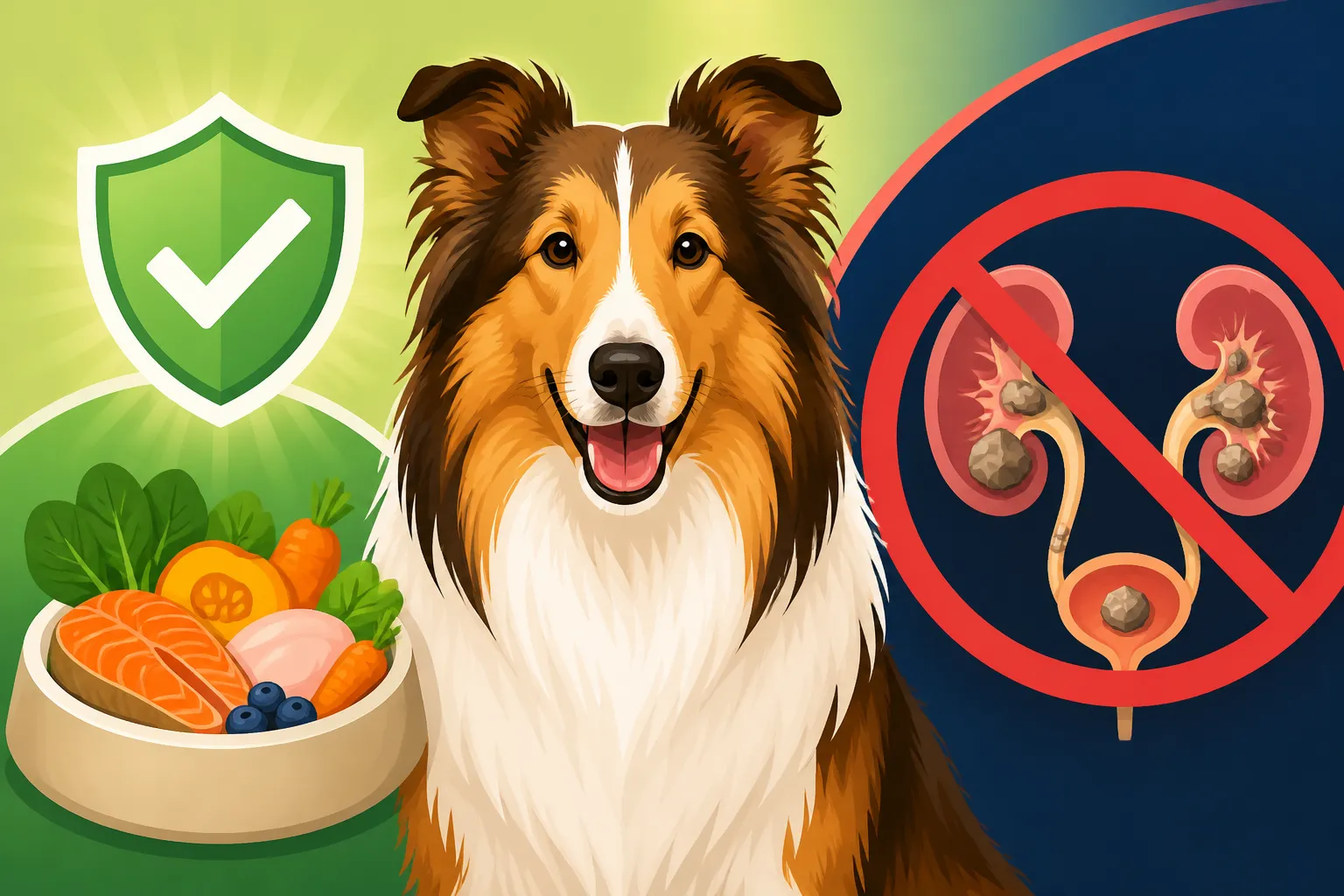
Whether a Collie’s Diet Prevents Stones
It's a scary thought when you realize your sweet Collie might be in pain, and one of those silent, insidious issues that often causes significant discomfort is the development of bladder stones. As Collie owners, we pour so much love into their care, and it's completely natural to wonder if the food we carefully choose for them can actually act as a shield, preventing these painful mineral deposits from forming. This guide aims to clear up the confusion, explaining how your Collie's diet plays a critical role in both the formation and prevention of urinary stones, offering practical, empathetic advice to help you keep your beloved companion healthy and comfortable.
The Reality of Bladder Stones in Collies: A Silent Threat
Bladder stones, also known as uroliths, are solid mineral formations that can develop in a dog's urinary bladder. They're essentially tiny (or sometimes not so tiny!) rocks that shouldn't be there, and they can cause a whole host of problems, from mild irritation to life-threatening blockages. For a Collie owner, the thought of their stoic companion enduring such discomfort is heartbreaking. It's frustrating because often, the signs can be subtle at first, easily missed until the problem is quite advanced.
These stones don't just appear out of nowhere; they form when certain minerals in the urine become highly concentrated and crystallize. Think of it like making rock candy – if you have too much sugar in too little water, it starts to precipitate out. Various factors contribute to this process, including urine pH (how acidic or alkaline the urine is), bacterial infections, diet, and even genetics. While Collies aren't specifically listed as one of the top breeds prone to all types of bladder stones, they can certainly develop them, just like any dog. It’s important to understand this because prevention and treatment are often highly specific to the type of stone. If you suspect your furry friend might be dealing with this, it's crucial to look for Signs a Collie Has a Bladder Stone, such as straining to urinate, frequent urination, or blood in the urine.
Demystifying Diet's Role in Stone Prevention
So, can your Collie's diet really prevent bladder stones? The short answer is a resounding "yes," but with a big caveat: it's not a one-size-fits-all solution, and it's highly dependent on the type of stone your dog is at risk for, or has already formed. There isn't a magic kibble that stops all stones; instead, specific dietary modifications can target the conditions that favor certain stone formations. This is where the complexity comes in, and why generic advice often falls short.
At its core, preventing bladder stones often comes down to two major dietary principles: hydration and managing urine chemistry. Dilute urine is less likely to form crystals because there are fewer concentrated minerals to clump together. This means ensuring your Collie drinks plenty of water is paramount. You might be surprised by How Much Water a Collie Drinks a Day they actually need, and finding ways to encourage intake is a key preventative step. Furthermore, the ingredients in your Collie's food directly impact the pH of their urine and the levels of various minerals available for stone formation. Understanding these interactions is the first step towards a targeted dietary approach. A good pet insurance plan, such as one from Healthy Paws, can be incredibly helpful in covering the diagnostic costs to determine stone type and subsequent veterinary-prescribed dietary interventions, which can sometimes be more expensive.
Tailoring Diet for Specific Bladder Stone Types in Collies
Before any dietary changes are made, it is absolutely crucial to know what type of bladder stone your Collie has or is at risk for. Guessing can be detrimental, as a diet that helps one type of stone might actually promote another. This is often a frustrating reality for owners, as identifying the exact stone type usually requires diagnostic imaging (X-rays, ultrasound) and laboratory analysis of the stones themselves once they've been passed or surgically removed.
Struvite Stones: Dissolving with Dietary Adjustments
Struvite stones are one of the most common types of bladder stones in dogs, and thankfully, they are often dissolvable with a specific dietary regimen, sometimes avoiding surgery entirely. These stones typically form in urine that is highly alkaline (high pH) and are almost always associated with a urinary tract infection (UTI) caused by specific bacteria that produce an enzyme called urease. This enzyme breaks down urea in the urine into ammonia, which raises the pH and creates the perfect environment for struvite crystals to form.
A veterinary-prescribed diet for struvite stones, such as Royal Canin Urinary SO or Hill's Prescription Diet c/d Multicare, works by doing a few key things:
- Lowering Urine pH: These diets are formulated to acidify the urine, making it less hospitable for struvite crystal formation and promoting their dissolution.
- Reducing Magnesium and Phosphorus: Struvite stones are composed of magnesium ammonium phosphate. By significantly reducing the intake of magnesium and phosphorus, the building blocks for these stones are limited.
- Increasing Water Intake: Many prescription diets are available in wet food formulations, or are designed to be palatable when water is added to the kibble, further diluting the urine.
It's vital that if your Collie has struvite stones, any underlying UTI is also aggressively treated with appropriate antibiotics. Without resolving the infection, the stones will likely recur. Imagine trying to clean a sink that's constantly being filled with muddy water – you have to stop the source. For a young Collie that might be prone to recurrent UTIs, a careful dietary approach coupled with regular vet checks could make all the difference.
Calcium Oxalate Stones: A Focus on Prevention and Management
Calcium oxalate stones are the other prevalent type of urolith in dogs. Unlike struvite stones, calcium oxalates cannot be dissolved by diet once they've formed. This means the dietary focus shifts entirely to prevention of new stone formation or recurrence, especially after existing stones have been surgically removed. These stones tend to form in urine that is acidic to neutral, and their formation is often influenced by factors like hypercalcemia (high calcium in the blood), genetics, and dietary oxalate levels.
For Collies at risk of calcium oxalate stones, dietary strategies include:
- Promoting Neutral to Slightly Alkaline Urine: While overly acidic urine can promote these stones, making the urine too alkaline could encourage struvite, so a careful balance is needed. Specific prescription diets are formulated to achieve this.
- Controlled Calcium and Oxalate Levels: The diet needs to provide appropriate calcium without excess and be moderate in oxalate, a compound found in many plant-based foods. High-oxalate foods often advised to limit include spinach, rhubarb, sweet potatoes, and certain nuts.
- Moderate Protein: While high protein was once thought to be a major culprit, current understanding suggests moderate, high-quality protein is acceptable.
- High Moisture Content: This is non-negotiable. Dilute urine is critical for preventing these stones, as it reduces the concentration of calcium and oxalate that can precipitate.
Imagine an older Collie who has just had calcium oxalate stones removed. The relief is immense, but the fear of recurrence is real. A life-long dietary commitment, often with a veterinary-specific diet, is usually recommended. It's a journey, and having pet insurance like Healthy Paws can help cover recurring vet visits, urinalyses, and prescription foods that might be part of this long-term management.
Urate Stones: Managing Purine Intake
Urate stones, composed of uric acid, are less common in general canine populations but are more prevalent in breeds with specific genetic predispositions, such as Dalmatians and English Bulldogs, due to issues with purine metabolism. While less typical for Collies, they can still occur, sometimes in conjunction with liver shunts or other metabolic issues.
The primary dietary strategy for urate stones is to feed a low-purine diet. Purines are natural chemical compounds found in various foods, particularly organ meats, red meat, and some fish. When purines are metabolized, they produce uric acid. A low-purine diet aims to reduce the amount of uric acid in the urine. This often involves:
- Lower Protein Intake (from specific sources): Not all protein is equal in purine content. Diets may use specific protein sources or a reduced overall protein content.
- Increased Water Intake: Again, dilute urine is a powerful tool against all stone types.
- Promoting Alkaline Urine: Uric acid is less soluble in acidic urine, so promoting a slightly alkaline urine pH can help prevent urate crystal formation.
If urate stones are suspected in your Collie, a veterinarian will likely investigate underlying causes like liver shunts and may recommend specific genetic testing if a predisposition is suspected.
Beyond the Bag: Other Dietary and Lifestyle Considerations
While the type of kibble is paramount, successful stone prevention and management extend beyond just the dry food bag. Several other dietary and lifestyle factors play a significant role.
The Power of Moisture: Wet Food and Hydration Tricks
We've talked about it before, but it bears repeating: urine dilution is one of the most effective ways to prevent stone formation for nearly all types. Highly concentrated urine provides a rich breeding ground for crystals.
- Wet Food Advantage: Opting for wet food or canned food over dry kibble significantly increases your Collie's daily water intake. Canned foods can be 70-80% water, compared to 10% or less in dry kibble. This extra moisture helps dilute the minerals in the urine, making crystallization less likely.
- Adding Water to Kibble: If wet food isn't an option or your Collie prefers kibble, simply adding a generous amount of water or low-sodium, dog-safe broth to their meals can make a huge difference. Let it soak for a few minutes so the kibble absorbs it.
- Encouraging Drinking: Make sure your Collie always has access to fresh, clean water. Consider multiple water bowls around the house, and perhaps a pet drinking fountain, as the moving water can entice some dogs to drink more. Ice cubes can also be a fun way to get more water into them, especially on a warm day. Keeping your Collie adequately hydrated is a fundamental step in preventing Bladder Stones in a Collie.
Treats, Supplements, and Hidden Dangers
It's easy to overlook treats and supplements when focusing on a prescription diet, but they can unintentionally sabotage your efforts.
- Treat Smart: Many popular dog treats are high in sodium, which can increase thirst but also lead to more concentrated urine if water intake doesn't proportionally increase. Some treats, like certain jerky or dental chews, can also be high in specific minerals or oxalates, making them problematic for dogs prone to certain stone types. Always check ingredients and discuss treats with your vet. For instance, if your Collie is prone to calcium oxalate stones, avoiding high-oxalate treats is key.
- Supplements with Caution: While you might be looking into Whether a Collie Needs Supplements for Its Coat or joint health, it's crucial to be incredibly cautious with other supplements when dealing with bladder stone concerns. Supplements that contain extra calcium, vitamin D, or vitamin C (which metabolizes into oxalate) can be detrimental for dogs prone to calcium oxalate stones. Similarly, mineral supplements can throw off the delicate balance needed to prevent other stone types. Never add supplements or human foods to a prescription diet without explicit veterinary approval, as even seemingly harmless additions can alter the urine chemistry in unintended ways.
The Indispensable Role of Your Veterinarian
Ultimately, navigating the world of bladder stone prevention and management with diet is a partnership between you and your veterinarian. There's no substitute for professional guidance.
- Accurate Diagnosis is Key: As mentioned, blindly changing diet without knowing the stone type is risky. Your vet will recommend diagnostic tests like urinalysis, urine culture, and imaging (X-rays or ultrasound) to identify the stone type and rule out other issues. Regular monitoring, which might include Whether an Old Collie Needs Bloodwork Twice a Year, can help catch issues early.
- Prescription Diets are Prescribed for a Reason: Veterinary therapeutic diets are scientifically formulated to address specific medical conditions. They are not just "premium" foods; they contain precise nutrient balances, mineral levels, and ingredients to manipulate urine pH and composition in ways over-the-counter foods cannot. Your vet will help you choose the correct one and monitor its effectiveness.
- Ongoing Monitoring: Even with the right diet, regular check-ups, urinalyses, and sometimes imaging are necessary to ensure the diet is working, and no new stones are forming or recurring. This vigilance is particularly important for calcium oxalate stones, where the goal is prevention, not dissolution.
| Stone Type | Urine pH Target | Key Dietary Adjustments | Dissolvable by Diet? | Common Underlying Cause |
|---|---|---|---|---|
| Struvite | Acidic (low) | Low Magnesium, Low Phosphorus, Urine Acidifiers | Yes | Urinary Tract Infection (UTI) |
| Calcium Oxalate | Neutral/Slightly Alkaline | Controlled Calcium & Oxalate, Moderate Protein, High Moisture | No (prevention/management) | Idiopathic, metabolic factors |
| Urate | Alkaline (high) | Low Purine (specific protein sources) | Yes (sometimes) | Genetic defect, liver shunt (rare) |
Remember, your Collie is part of your family, and their health is a top priority. While managing diet for stone prevention can feel overwhelming, with careful attention, consistent effort, and your vet's expertise, you can significantly reduce the risk and ensure a healthier, more comfortable life for your cherished companion. For more general advice on long-term health, understanding how to Caring for a Collie Past Nine can also provide valuable insights into maintaining your older Collie's well-being, including dietary considerations as they age.
Disclaimer
The information provided in this article is for educational purposes only and is not intended to be a substitute for professional veterinary advice, diagnosis, or treatment. Always seek the advice of your veterinarian or other qualified health provider with any questions you may have regarding a medical condition. Never disregard professional veterinary advice or delay in seeking it because of something you have read in this article.