What Collie Nose Actually Is
It’s a heart-stopping moment for any Collie owner: you’re petting your beloved dog, and you notice something isn't quite right with their nose. Maybe it's a bit dry, a little flaky, or even losing its beautiful black pigment. This isn't just a minor cosmetic issue; it's often the first unsettling sign of what many call "Collie nose," a specific autoimmune condition that can cause significant discomfort and require careful management. This guide will walk you through exactly what Collie nose is, how to spot it, and how best to care for your cherished companion through this challenging diagnosis.
Understanding "Collie Nose": More Than Just a Sunburn
When we talk about "Collie nose," we're really referring to a condition called Discoid Lupus Erythematosus, often shortened to DLE. This isn't just a simple dry patch or a bit of chapping; DLE is an autoimmune disease, which means your Collie's own immune system, for reasons we don't fully understand, starts to mistakenly attack healthy skin cells, particularly those on the nose. It's a frustrating and often painful reality for the dogs affected and their devoted owners.
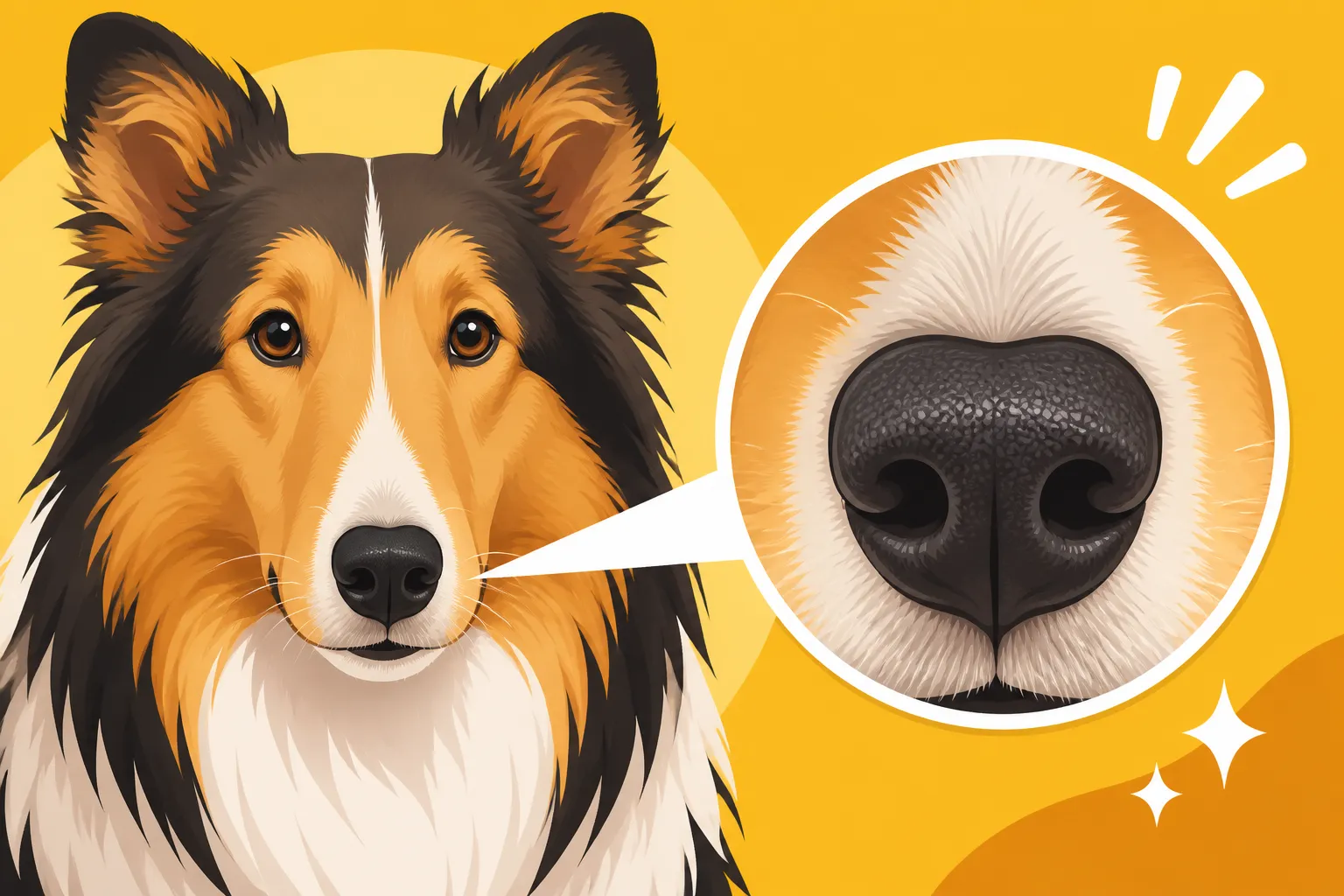
Think about it like this: your dog's immune system is designed to protect them from invaders like bacteria and viruses. But with DLE, it gets confused and targets the sensitive tissues of the nasal planum – that smooth, moist, usually black part of their nose. While it can occur in other areas, the nose is by far the most common and often the most severely affected spot for Collies. This isn't contagious, and it's not something you did wrong as an owner. It’s an unfortunate genetic predisposition that certain breeds, including Collies, seem to carry. The frustration of feeling helpless as your dog's nose changes is very real, and it's important to remember you're not alone in dealing with this.
Initially, DLE was sometimes mistakenly lumped in with a general term like "solar dermatitis," which implied it was solely caused by sun exposure. While the sun absolutely plays a massive role in triggering and worsening the condition, DLE itself is much more complex than a simple sunburn. It’s a chronic inflammatory condition, and without proper diagnosis and management, it can become quite severe, progressing far beyond what a normal sunburn would. Understanding this distinction is crucial because it informs the treatment approach. A simple sunburn might heal with some shade, but DLE requires a more proactive, targeted strategy to manage the underlying immune response.
It's also worth noting that while it's called "Collie nose," other breeds can develop DLE, though Collies are indeed highly predisposed. This specific susceptibility highlights why being a Collie owner often means being extra vigilant about certain breed-specific health concerns. You might also hear discussions around Dermatomyositis and the Collie Risk Panel, another skin condition, and while both affect the skin and can be worsened by sun, they are distinct conditions with different underlying causes and genetic markers. A proper veterinary diagnosis is key to differentiate between them and ensure your Collie gets the correct care.
Recognizing the Signs and How it Progresses
Catching "Collie nose" early can make a significant difference in managing the condition and your dog's comfort. The signs often start subtle, making it easy to overlook or dismiss them as minor irritations. Typically, the very first thing many owners notice is a loss of pigment on the nose – that beautiful, solid black starts to fade, turning patchy grey, pink, or even brown. This depigmentation usually begins around the edges or on the top of the nasal planum, sometimes extending up the bridge of the nose. It's a change that can be quite striking, especially on a classic sable or tricolor Collie.
Following the pigment loss, the skin itself starts to change. You might see redness, almost like an irritation, accompanied by scaling or crusting. Imagine your own skin after a bad sunburn, where it's peeling and a bit rough – it's similar to that, but often more persistent. These changes are usually symmetrical, affecting both sides of the nose equally, though not always perfectly so. As the condition progresses without intervention, these areas can become quite fragile. The skin might develop fissures, which are tiny cracks, or even painful ulcers. These open sores can bleed easily, especially if your dog nudges their nose or tries to scratch it. This makes their nose incredibly sensitive to touch, and they might shy away from affection or even eating from a bowl that presses against their sore muzzle.
The impact of sun exposure on DLE cannot be overstated. Just a short time in direct sunlight can trigger flare-ups or significantly worsen existing lesions. You might notice your Collie’s nose looks redder and more irritated after a sunny walk or even just lounging in a sunbeam indoors. The UV rays act as a powerful trigger, exacerbating the immune reaction and leading to increased inflammation and tissue damage. This cycle of sun exposure, flare-up, and further damage makes managing DLE a year-round commitment, not just a summer concern. This is why discussions about Whether a Collie's Nose Gets Sunburned are so important, as DLE is a more severe and chronic form of sun-induced damage.
The age at which DLE can appear varies, but it often manifests in younger adult Collies, typically between one and eight years old. It’s not usually something you see in tiny puppies, which helps distinguish it from other congenital issues. The chronic nature means that once a Collie develops DLE, it's generally a lifelong condition that requires ongoing management. Owners often express frustration because it can be difficult to fully eliminate the symptoms, and instead, the goal becomes effective control and preventing severe flare-ups. This is a journey, not a quick fix, and patience and consistent care are essential for your dog's quality of life.
Navigating Diagnosis and Treatment Options
Discovering your Collie has DLE can be daunting, but a clear diagnosis is the first step toward effective management. If you suspect "Collie nose" based on the symptoms we’ve discussed, your very first call should be to your veterinarian. While your general practice vet can often initiate treatment, they may recommend a referral to a veterinary dermatologist, especially for complex or persistent cases. These specialists have advanced expertise in skin conditions and can provide the most precise diagnosis and tailored treatment plan. The thought of a specialist can be overwhelming, and you might wonder What a Collie's Dermatologist Referral Costs, but it's often the best investment for your dog's long-term comfort.
The definitive way to diagnose DLE is through a skin biopsy. This involves taking a small tissue sample from the affected area of the nose, under sedation or general anesthesia, and sending it to a veterinary pathologist. The pathologist examines the tissue under a microscope for characteristic cellular changes that confirm DLE. It’s crucial to understand that a biopsy isn't just about confirming DLE; it’s also about ruling out other conditions that can look similar. These might include pemphigus, bacterial infections, fungal infections, or even certain types of skin cancer. Without a biopsy, it's essentially an educated guess, and misdiagnosis can lead to ineffective, or even harmful, treatments.
Once DLE is confirmed, your vet or dermatologist will outline a treatment strategy. This usually involves a multi-modal approach, combining topical and sometimes systemic medications.
Here’s a breakdown of common treatment avenues:
- Topical Medications: These are often the first line of defense. Steroid creams, ointments, or immunosuppressants like tacrolimus ointment are applied directly to the nose. They work by reducing inflammation and suppressing the overactive immune response in the local area. Consistency is key with these, and you'll need to apply them regularly as directed.
- Systemic Medications: For more severe or widespread cases, oral medications might be necessary. Prednisone, an oral corticosteroid, is commonly used to tamp down the immune system. Other immunosuppressants, like azathioprine or cyclosporine, may also be prescribed, especially if steroids aren't enough or cause too many side effects. These can be powerful drugs, so regular monitoring by your vet is essential to manage potential side effects.
- Dietary Changes and Supplements: While not a cure, some Collies with DLE may benefit from diets rich in omega-3 fatty acids, known for their anti-inflammatory properties. Your vet might recommend a specific therapeutic diet or supplements like fish oil.
- Sun Protection: This is non-negotiable. Reducing sun exposure is paramount to preventing flare-ups and allowing the nose to heal. This means walks in the early morning or late evening, keeping your Collie indoors during peak sun hours, and using veterinarian-approved sunscreens specifically formulated for dogs. Products like Epi-Pet Sun Protector Spray or My Dog Nose It! can be lifesavers, but always consult your vet before applying anything to your dog’s sensitive nose. The discussion around Whether a Collie Needs Sunscreen on Its Muzzle is incredibly relevant for DLE management.
Given the chronic nature of DLE and the potential for lifelong medication and vet visits, considering pet insurance like Healthy Paws can be incredibly beneficial. Pet insurance helps offset the costs of diagnosis, medications, specialist consultations, and ongoing management, ensuring you can always make the best health decisions for your Collie without financial strain. Imagine the peace of mind knowing that whether it's the initial biopsy, ongoing prescription refills, or even emergency treatments for a severe flare-up, you have support.
Here's a quick comparison of DLE symptoms at different stages:
| Symptom Feature | Early Stage DLE | Advanced Stage DLE |
|---|---|---|
| Nasal Pigmentation | Fading, patchy loss (hypopigmentation) | Significant or complete depigmentation |
| Skin Texture | Dryness, mild scaling, slight redness | Thick crusts, erosion, deep fissures, ulceration |
| Pain/Sensitivity | Mildly sensitive, possibly itchy | Moderately to severely painful, bleeds easily |
| Sun Exposure | Triggers mild worsening | Causes rapid, severe flare-ups |
| General Impact | Mostly cosmetic, some discomfort | Significant discomfort, potential secondary infection |
Managing the cost of these treatments can be a significant concern for owners. Beyond the initial diagnosis, ongoing medication, and specialist visits, severe flare-ups can be costly to treat. This is another area where Healthy Paws can really step in. Knowing that recurring expenses for a chronic condition like DLE are covered can make a huge difference in your ability to provide consistent, high-quality care for your Collie. This proactive approach to health insurance means you're prepared for whatever comes, allowing you to focus on your dog's well-being rather than stressing about the vet bill.
Living with Collie Nose: Management and Prevention
Living with a Collie diagnosed with DLE, or "Collie nose," means embracing a proactive and consistent approach to their care. This isn't a condition that typically goes away; rather, it's one that you learn to manage, aiming to minimize discomfort and prevent severe flare-ups. The cornerstone of effective management revolves around sun protection, diligent medication adherence, and regular veterinary oversight. It can feel like a constant battle, especially when you see a flare-up, but consistent care truly makes a difference.
The most critical aspect of prevention and management is rigorous sun avoidance. This means adjusting your Collie's routine significantly. Schedule walks for early mornings or late evenings when the sun's UV index is at its lowest. During peak daylight hours, ensure your Collie is in a shaded outdoor area or, ideally, indoors. Many Collies love to sunbathe, but for a dog with DLE, even brief sun exposure can lead to a painful relapse. Consider installing sun-blocking curtains or providing shaded dog runs. This might mean saying goodbye to long midday park visits, which can be a tough adjustment for active Collies and their owners, but it's vital for their health.
Beyond shade, topical sunscreens designed for dogs are your next best friend. Applying a pet-safe sunscreen to your Collie’s nose and any other depigmented areas before any outdoor exposure, even on cloudy days, is essential. Remember to reapply as directed, especially after swimming or vigorous activity. While Whether a Collie's Coat Protects It From Heat is often discussed, it's important to differentiate general heat protection from specific UV protection for the delicate skin of the nose, which the coat doesn't adequately cover.
Regular vet check-ups are non-negotiable. Your vet will want to monitor the condition of your Collie's nose, assess the effectiveness of current treatments, and adjust medications as needed. These appointments are also crucial for detecting any secondary infections that might develop in open sores, which often require antibiotics. During these visits, don't hesitate to ask about any new developments or concerns you have; your vet is your partner in this journey.
The emotional toll on owners facing chronic conditions like DLE can be significant. It's frustrating to see your beloved dog in discomfort, and the constant vigilance required for sun protection and medication can be mentally exhausting. Allow yourself to acknowledge these feelings. Connect with other Collie owners online or through breed clubs; sharing experiences and tips can be incredibly helpful. Remember, you're doing your best for your dog, and that's what truly matters.
Finally, managing the ongoing costs associated with chronic DLE treatments, from special sunscreens and topical ointments to potential oral medications and regular specialist visits, can add up quickly. This is where pet insurance, like a comprehensive plan from Healthy Paws, proves invaluable. It offers a financial safety net, covering eligible expenses for recurring treatments and unexpected flare-ups. Having this support allows you to focus solely on your Collie's comfort and well-being, ensuring they receive all the necessary care without the added stress of financial burden. After all, the goal is to give your Collie the happiest, healthiest life possible, even with a chronic condition.
Disclaimer
The information provided in this article is for educational purposes only and is not intended to be a substitute for professional veterinary advice, diagnosis, or treatment. Always seek the advice of your veterinarian or other qualified health provider with any questions you may have regarding a medical condition.