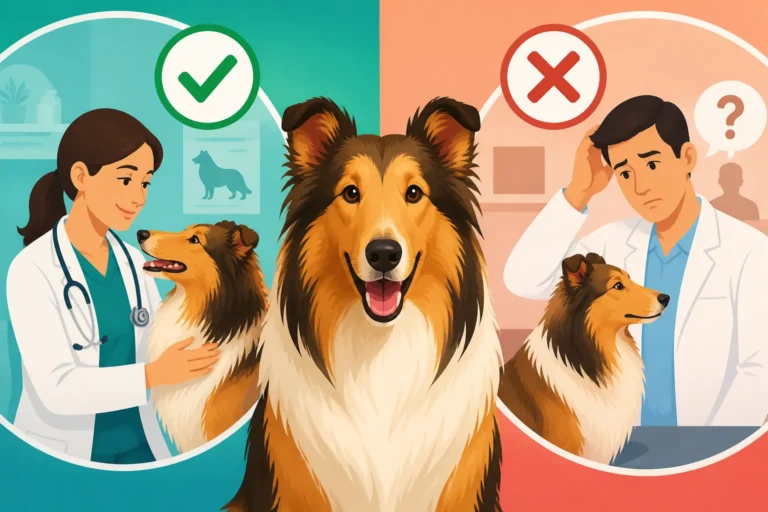
Whether a Collie Contract Requires Neutering
Bringing home a new Collie puppy is a whirlwind of joy, excitement, and, let's be honest, a good bit of paperwork. Amidst all the health guarantees, feeding schedules, and registration forms, many prospective Collie owners find themselves face-to-face with a rather firm clause: a requirement to spay or neuter their beloved new family member. It can feel a bit imposing, especially when you're just dreaming of cuddles and playtime, but understanding why these clauses exist and what they entail is crucial for any responsible Collie parent.
Why Collie Breeders Include Neutering Clauses in Contracts
It might seem a bit overbearing at first glance, that a breeder wants to dictate what you do with your own dog down the line. But trust me, as someone who's spent years in the world of Collies, these clauses aren't about control for control's sake. They stem from a deep, unwavering commitment to the health, welfare, and future of the Collie breed itself. Reputable breeders pour their heart and soul, not to mention significant resources, into producing healthy, well-tempered puppies. A neutering contract is one of their most powerful tools to ensure that their efforts aren't undermined by irresponsible breeding practices.
Protecting the Breed Standard and Health
Think about it: a responsible breeder spends years learning about Collie pedigrees, understanding genetics, and meticulously planning each litter. They conduct extensive health testing for conditions like Collie Eye Anomaly, MDR1, and other hereditary issues to ensure they're only passing on the best possible genes. You might want to read about The Genetic Testing a Collie Breeder Has Already Paid For to appreciate the effort involved. When they sell a puppy, they do so with the expectation that this puppy will live out its life as a cherished pet, not as a breeding animal that could potentially introduce undesirable traits or health problems back into the gene pool without proper screening.
An un-neutered dog, especially one sold as a pet, could inadvertently be bred, either by accident or by someone with less-than-stellar intentions. This could lead to puppies being born without the necessary health clearances, potentially perpetuating genetic diseases or producing dogs that don't meet the breed's temperament or physical standards. These clauses are the breeder's way of safeguarding the very integrity of the Collie breed they love. They want their puppies to be ambassadors for excellent health and temperament, and neutering pets helps prevent accidental contributions to the breeding pool that haven't met those rigorous standards.
Preventing Accidental Litters and Overpopulation
The world has enough unplanned puppies. Every year, countless dogs end up in shelters, often due to accidental litters that owners couldn't properly care for or place. Reputable Collie breeders are acutely aware of the pet overpopulation crisis and do not want their puppies, or their puppies' offspring, contributing to it. A neutering clause is a direct way to combat this.
Even the most vigilant pet owner can have an accidental breeding. A quick dash out an open gate, an unexpected encounter at the dog park, or even an escape artist from a neighbor's yard can result in an unplanned pregnancy. By requiring neutering, breeders are asking you to take a definitive step to prevent such situations, ensuring that every Collie puppy born has been carefully planned and comes from parents that have been health-tested and evaluated for suitability. It's about responsible pet ownership at its core, something every breeder values deeply.
Ensuring Pet Ownership, Not Backyard Breeding
Let's be blunt: a high-quality Collie puppy from a reputable breeder is an investment. You're paying for generations of careful breeding, health testing, socialization, and the breeder's ongoing support. If you're curious, What a Health Tested Collie Puppy Costs can give you a clearer picture. These puppies are sold as companions, meant to live as beloved family members, not as commodities for profit.
Without a neutering clause, it would be all too easy for someone to purchase a well-bred Collie, skip all the necessary health screenings and expenses, and simply breed it for profit. This practice, often referred to as "backyard breeding," bypasses all the ethical responsibilities of a true breeder, often resulting in unhealthy or poorly socialized puppies. The neutering contract is a clear statement that the breeder is selling a pet, not a potential breeding animal, and it helps to filter out individuals who might be looking to exploit their lines. They want their Collies to go to loving homes where they'll be cherished, not used as breeding stock without appropriate care and planning.
Common Terms and Conditions in Neutering Contracts
So, you've decided to get your beautiful Collie puppy, and you're ready to sign on the dotted line. But before you do, it's really important to understand the specifics of that neutering clause. These aren't one-size-fits-all agreements; they can vary quite a bit from breeder to breeder. Getting clarity on the terms upfront will save you a lot of potential headaches and ensure you're in full compliance.
Age Requirements and Deadlines
Most neutering contracts specify an age by which the procedure must be performed. This is a common area of discussion among vets and breeders alike, especially with new research emerging about the optimal timing for spaying/neutering larger breeds. Historically, six months was the go-to age, but many breeders and vets are now recommending waiting longer, sometimes up to 18 months or even two years, particularly for males, to allow for full growth and bone plate closure. You might find this topic explored further in Whether a Collie Should Be Neutered Late.
A contract might state something like, "The puppy must be spayed/neutered between 12 and 18 months of age." It's your responsibility to schedule the surgery within this window. If you anticipate any issues meeting the deadline, perhaps due to your vet's recommendation or personal circumstances, it is absolutely essential to communicate with your breeder before the deadline passes. Most reputable breeders are reasonable and understand that life happens, but they need to be informed and agree to any changes.
Proof of Procedure and Vet Verification
Once the procedure is done, the breeder will want proof. This isn't because they don't trust you; it's simply a way to close the loop on the contract. Typically, this means providing a copy of the veterinary invoice or a certificate from your vet confirming that the spay or neuter surgery has been completed, often with the dog's microchip number included for verification.
This documentation serves as a record for both you and the breeder. Make sure to keep your copy in a safe place, perhaps with your puppy's other important papers and health records. Sometimes, breeders will offer a rebate or a portion of the purchase price back once proof of neutering is provided, which is a nice incentive and a way for them to cover the administrative step of verifying compliance. It's a small but significant step in ensuring the agreement is fulfilled.
Financial Penalties or Loss of Pedigree
This is where things can get serious, so pay close attention. Breeder contracts are legally binding documents. If you fail to uphold your end of the bargain regarding the neutering clause, there can be repercussions. These can range from financial penalties to the revocation of the dog's pedigree papers, meaning your Collie would no longer be recognized as a purebred by official registries.
For instance, a contract might stipulate a fine, sometimes thousands of dollars, if the dog is bred before being neutered or if the neutering deadline is missed without prior agreement. In some cases, the contract might even state that ownership of the dog reverts to the breeder if the terms are violated, though this is less common and often only pursued in extreme situations. The exact terms of any penalty will be clearly outlined in your contract. This is why reading every line carefully and asking questions before you sign is so critical. A good breeder will walk you through these points, but ultimately, it's your responsibility to understand and comply.
Here's a quick overview of common neutering contract clauses:
| Clause Aspect | Typical Requirements | Potential Consequences of Non-Compliance |
|---|---|---|
| Timing | Spay/neuter by a specific age (e.g., 6-18 months) or within a designated window. | Contract violation, potential fines, loss of health guarantee. |
| Proof of Procedure | Submission of vet certificate or invoice detailing the surgery and dog's ID. | Delay in receiving registration papers, no rebate (if offered). |
| Breeding Prohibition | Dog must not be bred before neutering. | Severe financial penalties, legal action, ownership reversion. |
| Registration | Papers may be withheld or marked "not for breeding" until proof is received. | Inability to register dog with kennel clubs, loss of show eligibility. |
| Health Guarantee | May be voided if neutering is not performed or if complications arise from early breeding. | Breeder not obligated to honor health guarantees for genetic conditions. |
Navigating a Neutering Clause with Your Breeder
It's easy to feel like you're just signing a stack of papers and hoping for the best when you get a new puppy. But your relationship with your breeder is actually an ongoing partnership, especially when it comes to clauses like neutering. Open communication, understanding, and respect are your best tools for navigating these terms successfully. Remember, a good breeder is a resource for life, not just for the transaction of a puppy.
Open Communication is Key
Before you even bring your Collie puppy home, ideally, you should have a thorough conversation with your breeder about their contract and, specifically, the neutering clause. Don't be shy about asking questions! Ask about the rationale behind their chosen age range for the procedure, what kind of proof they require, and what their process is if you encounter an unforeseen delay.
For example, if you're getting your supplies from Chewy and stocking up on all the essentials, but you're still a few months out from the neutering deadline, keep the lines of communication open. A simple email or phone call to confirm details or discuss any concerns can prevent misunderstandings later. A reputable breeder will appreciate your proactive approach and be happy to explain their policies. They want you to succeed as a Collie owner, and that includes understanding your commitments.
Discussing Health Considerations and Timing
Veterinary science is always evolving, and what was considered best practice for neutering a decade ago might not be today. There's growing discussion about the benefits of delaying neutering, particularly in larger breeds like Collies, to allow for proper hormonal development and bone plate closure. This can potentially impact joint health and even some cancer risks down the line.
If your veterinarian advises a different timeline for spaying or neutering your Collie than what's specified in the contract, don't just proceed without informing your breeder. Discuss your vet's recommendations with your breeder. Most ethical breeders are well-informed about current veterinary research and might be open to adjustments if presented with sound medical reasons. They may even have provisions in their contract for a vet's letter explaining the need for delay. This dialogue shows you're a responsible owner who cares about your dog's long-term health, which is exactly what a breeder wants to see.
Understanding Your Obligations
At the end of the day, a contract is a binding agreement. Once you sign it, you are legally obligated to fulfill its terms. It's not a suggestion; it's a promise you make to the breeder when you take ownership of their puppy. This includes the neutering clause.
Consider it part of the ongoing responsibility of pet ownership. Just as you commit to feeding your Collie high-quality food (perhaps even a specialized plan like Ollie offers for tailored nutrition), providing regular exercise, and ensuring vet check-ups, you're also committing to adhering to the terms of your purchase agreement. Failure to do so can not only lead to contractual penalties but can also damage your reputation within the Collie community, should you ever wish to acquire another dog from a reputable breeder. It's about upholding your word and respecting the breeder's dedication to the breed.
The Broader Implications of Neutering Decisions
While a neutering clause in a contract focuses on specific requirements, the decision to spay or neuter your Collie carries broader implications for their health, behavior, and your role as a responsible pet owner. It's a multifaceted topic, and one that extends beyond just the breeder's requirements.
Health Benefits and Risks of Neutering
Neutering isn't just about preventing puppies; it has significant health ramifications, both positive and potentially negative, depending on the individual dog and timing. On the benefit side, spaying female Collies eliminates the risk of uterine infections (pyometra) and greatly reduces the risk of mammary tumors. Neutering male Collies removes the risk of testicular cancer and can reduce the incidence of certain prostate problems.
However, recent research suggests that the timing of neutering can have an impact on the risk of certain orthopedic conditions, like hip and elbow dysplasia, as well as some cancers in larger breeds. This is why those discussions with your vet and breeder are so important. It's a balancing act, weighing the risks and benefits for your individual dog, and ensuring you have good pet insurance, like Healthy Paws, can certainly help if unexpected health issues arise, whether related to neutering or not. Ultimately, the goal is always your Collie's long-term well-being.
Behavioral Impacts
The hormonal changes that come with neutering can also influence a Collie's behavior. In males, neutering can reduce certain hormone-driven behaviors like roaming, marking territory, and some forms of aggression, though it's not a magic bullet for all behavioral issues. If you are struggling with behavioral concerns, it's a good idea to seek professional advice. The Bark Is the Trait Collie Owners Underestimate is a good example of a common Collie behavior that neutering might not directly address.
For females, spaying eliminates heat cycles, which can be messy and attract unwanted attention from intact males. It can also reduce hormonal fluctuations that might affect temperament. However, some owners report subtle changes in coat texture or metabolism after neutering, which can lead to weight gain if not managed with diet and exercise. Being aware of these potential shifts allows you to adjust your care routine as needed, ensuring your Collie remains happy and healthy throughout their life.
The Ethical Responsibility of Pet Ownership
Beyond the contract itself, deciding to neuter your Collie is a fundamental part of ethical pet ownership. It's about taking responsibility for your dog's potential impact on the wider dog population and contributing to a community where every animal has a chance at a good home. This principle is why so many rescues prioritize spaying and neutering the animals in their care.
By adhering to a neutering clause, you're not just fulfilling a contractual obligation; you're actively participating in responsible breeding practices, helping to control pet overpopulation, and making a statement about the value you place on your dog's health and the future of the breed. It demonstrates your commitment to your Collie as a cherished family member, not just another animal that could contribute to an unplanned litter. This commitment is part of the lifelong journey of having a wonderful Collie companion.
Disclaimer
This article is for general informational purposes only and does not constitute professional advice. Laws, prices and regulations vary by location and change over time. Consult a qualified professional for guidance on your specific situation.