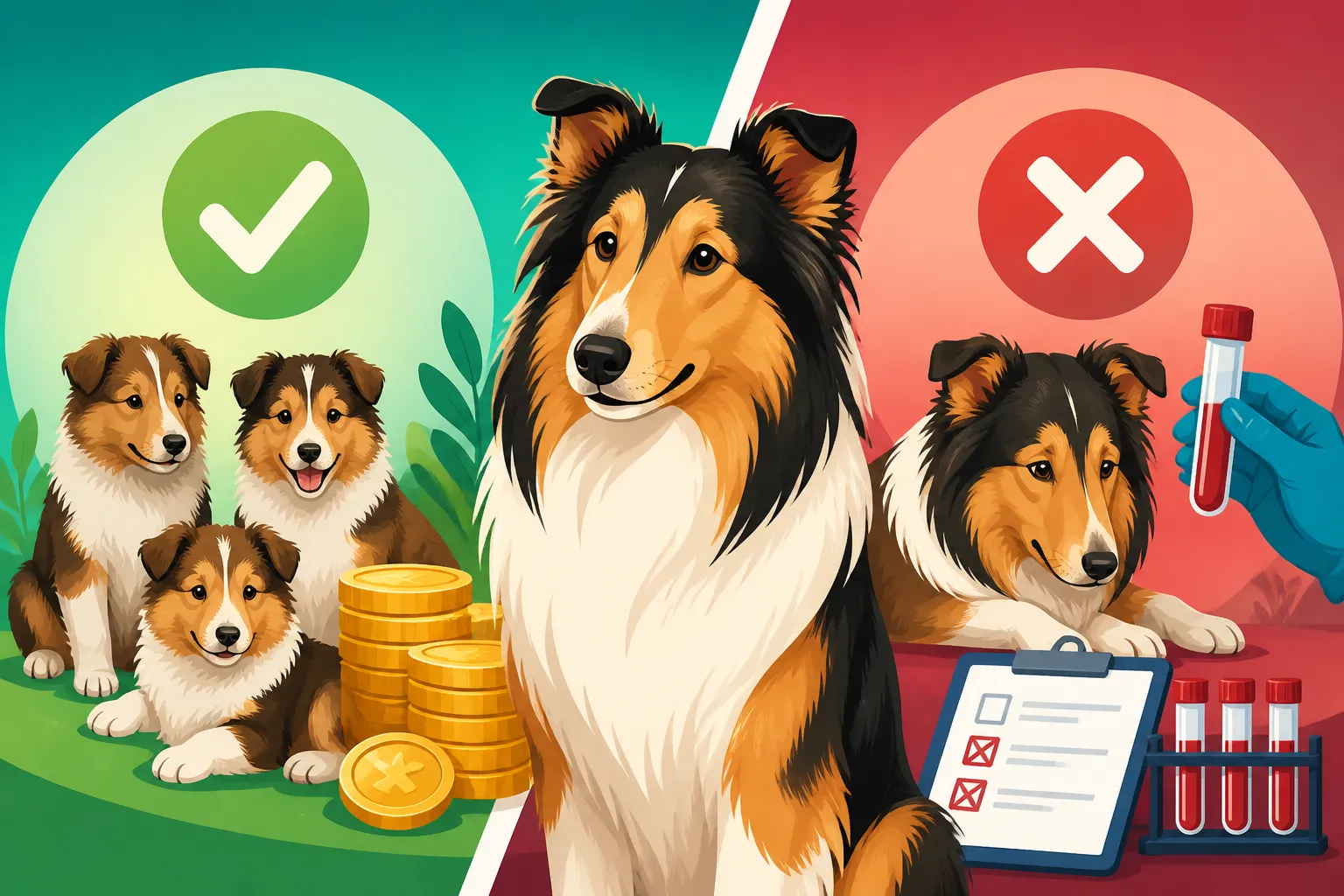
Whether Collie Breeding Pays After the Testing
Many aspiring Collie owners, and even some new breeders, might look at the price tag on a well-bred puppy and think that breeding is a guaranteed path to easy money. The reality, however, is far from a simple transaction. Breeding Collies, or any purebred dog responsibly, is a financially demanding endeavor driven by passion and dedication to the breed's health and future, not by profit. This guide will walk you through the often-overlooked expenses and monumental efforts involved, revealing why "breaking even" is often the best-case scenario.
The Hidden Costs of Responsible Collie Breeding: More Than Meets the Eye
When you see a healthy, happy Collie puppy wagging its tail, it's easy to forget the extensive investment that went into its very existence. A responsible breeder doesn't just put two dogs together and hope for the best; they meticulously plan, test, and nurture, incurring significant costs long before any puppies are even conceived.
Health Testing: The Non-Negotiable Foundation
Before a breeder even considers a pairing, both prospective parents undergo a battery of health tests to ensure they don't pass on preventable genetic conditions. This isn't a one-time thing; it's a commitment to screening for issues prevalent in the Collie breed. We're talking about DNA panels that screen for conditions like MDR1 mutation, Collie Eye Anomaly (CEA), and Dermatomyositis (DMS). These tests are not cheap, and they need to be performed by reputable labs. A conscientious breeder understands that cutting corners here directly impacts the health and longevity of every puppy they produce, and nobody wants to bring a puppy home only to face preventable health crises.
Beyond DNA, structural health evaluations are crucial. This includes hip and elbow evaluations through organizations like OFA (Orthopedic Foundation for Animals) to check for dysplasia, and regular eye exams by a board-certified veterinary ophthalmologist (CERF/OFA Eye Certification) to catch conditions like CEA, even if the DNA test comes back clear for other eye issues. These examinations often involve specialized vets and certification fees. Multiply these costs by two, for both the dam and the stud, and the price tag quickly adds up. It's truly The Genetic Testing a Collie Breeder Has Already Paid For and it forms the bedrock of ethical breeding.
Stud Fees, Whelping, and Vet Care for the Dam
Once the health clearances are in order, the search for a suitable mate begins. This often involves paying a stud fee to the owner of the male dog. These fees can be substantial, reflecting the stud's own health testing, champion titles, and proven genetics. Sometimes, if the stud lives far away, there are travel costs or shipping fees for chilled semen, along with the veterinary costs for artificial insemination.
The journey doesn't end there. Confirming pregnancy involves vet visits for progesterone testing, ultrasounds, and sometimes even X-rays to count the number of puppies, which helps prepare for whelping. And speaking of whelping, while many Collie mothers deliver without complications, some require veterinary intervention. A difficult labor could mean emergency vet visits in the middle of the night, potentially leading to a costly C-section. Having a healthy dam is paramount, and ensuring her well-being during pregnancy and birth often involves comprehensive prenatal care and being ready for any unexpected twists. It’s also wise for a breeder to consider the long-term health of their breeding dogs, as unexpected complications can lead to substantial vet bills, much like what a pet owner might insure against with a company like Healthy Paws.
Raising a Litter: Food, Vet Checks, and Socialization
Once the puppies arrive, the real work, and expenses, kick in. For the first few weeks, the dam's nutritional needs skyrocket, and she needs high-quality food to support milk production. Then, as the puppies grow, they transition to solid food. Feeding a growing litter of Collie puppies a premium diet, perhaps with a brand like Ollie, specifically formulated for large breeds or puppies, consumes a significant portion of the budget. It's not just about filling their bellies; it's about providing the best possible start to their lives.
Beyond food, the vet visits continue for the puppies. They require multiple rounds of vaccinations, deworming, and often microchipping before they go to their new homes. Each puppy needs its own individual health check and, crucially, an eye exam by a veterinary ophthalmologist to screen for Collie Eye Anomaly at five to seven weeks of age, before the retina develops further and potentially masks mild forms of the condition. Why a Collie Puppy Is Eye Checked at Five to Seven Weeks. These are all individual costs per puppy, multiplying rapidly with a larger litter.
Then there's the less tangible, but equally vital, investment: time. Responsible breeders devote countless hours to socializing their puppies, exposing them to various sights, sounds, textures, and people. This crucial early socialization lays the groundwork for well-adjusted adult dogs. This involves constant supervision, cleaning up after them, and individual attention, which translates into a massive time commitment, essentially a full-time job for several weeks. When you factor in the sheer volume of supplies needed – puppy pads, toys, cleaning supplies, and specialized food – sourcing from places like Chewy becomes a regular occurrence, adding to the ongoing expenses.
Revenue Streams: What You Can Realistically Charge for Collie Puppies
While the costs are extensive, puppies do eventually find their forever homes. The price a responsible breeder can ask for a Collie puppy reflects not just the visible cute factor, but the immense investment in health, care, and genetic integrity.
Factors Influencing Puppy Price
The price of a Collie puppy isn't arbitrary; it's influenced by several key factors. First and foremost are the health clearances of the parents, as discussed. A puppy from parents with full genetic panels and clear OFA/CERF certifications will command a higher price because the risk of inheriting debilitating conditions is significantly reduced. Buyers are investing in peace of mind and fewer potential vet bills down the line. What a Health Tested Collie Puppy Costs is a real figure that justifies itself in the long run.
Secondly, the pedigree and accomplishments of the parents play a role. If the dam or stud have achieved titles in conformation (show ring), obedience, rally, or herding, this demonstrates their excellent temperament, trainability, and adherence to breed standards. Puppies from such proven lines often fetch a higher price. Geographic location and local demand also factor in, as do the specific markings or colorations, though responsible breeders prioritize health and temperament over superficial traits. A show-quality puppy, destined for the ring, will naturally be at the higher end of the scale. What a Show Bred Collie Puppy Costs reflects the breeder's investment in competition and lineage.
The "Cheap Puppy" Red Flag
Conversely, if you ever come across a Collie puppy offered at an unusually low price, it should immediately raise a red flag. While everyone loves a bargain, deeply discounted puppies often signal that corners were cut in the breeding process. This might mean the parents weren't health tested, leading to a higher risk of genetic diseases in the puppies. Or perhaps the puppies weren't given proper veterinary care, vaccinations, or socialization.
A breeder who prioritizes profit over welfare will often skip these crucial, expensive steps, resulting in cheaper puppies but potentially devastating future costs and heartache for the new owners. An Whether an Untested Collie Is Ever Worth Buying question usually results in a resounding "no" from experienced Collie enthusiasts, simply because the long-term health risks are too great. The initial savings on a cheap puppy can quickly be dwarfed by vet bills for genetic conditions that could have been screened for.
The Time and Emotional Investment: Priceless, Yet Often Overlooked
Beyond the purely financial, breeding Collies demands an incredible amount of personal time, energy, and emotional resilience. This often goes unacknowledged but is a critical component of responsible breeding.
Around-the-Clock Care and Unexpected Challenges
From the moment pregnancy is confirmed, the dam requires extra care, monitoring, and a quiet, stress-free environment. Whelping itself is an intense process, often spanning hours, and requires the breeder to be present and attentive, ready to assist if needed. Sleepless nights become the norm as the breeder monitors the new mother and her fragile newborns around the clock, ensuring everyone is thriving.
Puppies, particularly in their first few weeks, are incredibly vulnerable. There's always the risk of a fading puppy, or a dam who struggles with motherhood. These situations are emotionally taxing and require immediate, often expensive, veterinary intervention. A responsible breeder bears this burden, knowing that every life in their care is precious. It's a journey filled with highs and lows, immense joy, and sometimes profound heartbreak.
Breeder Responsibilities Beyond Placement
A good breeder's commitment doesn't end when the puppies leave for their new homes. They remain a lifelong resource for their puppy buyers, offering advice, support, and guidance on everything from training tips to health concerns. Many breeders have clauses in their contracts requiring puppies to be returned to them if the owner can no longer keep them, demonstrating a commitment to their dogs for life. Whether a Collie Can Be Returned to Its Breeder often comes up in conversations with new owners, and a responsible breeder will always say yes.
This follow-up support is invaluable to new owners, especially those new to the breed. It means phone calls, emails, and sometimes even physically helping families troubleshoot issues or rehome a dog if circumstances change. This continuous support, while not a direct financial cost, is a significant time and emotional investment that further diminishes any potential for profit. A reputable breeder is deeply invested in the welfare of every dog they bring into the world.
Comparing Costs to Potential Income: Is it a "Payday" or a Passion Project?
Let's get down to brass tacks and look at the numbers. While specific figures can vary wildly, we can create a hypothetical scenario to illustrate the financial reality.
A Realistic Financial Overview
Imagine a typical Collie litter of 5-7 puppies. Here’s a rough breakdown of costs versus potential income:
| Category | Estimated Cost Range (Per Litter) | Notes |
|---|---|---|
| Pre-Breeding Costs | ||
| Health Testing (Dam) | High | DNA panel, OFA Hips/Elbows, CERF Eye Exam. |
| Health Testing (Stud) | High | Assumed paid by stud owner, but factored into stud fee. |
| Stud Fee | High | Varies based on stud's titles, health, and demand. Could be cash, or 'pick of the litter'. |
| Vet Visits (Breeding) | High | Progesterone testing, artificial insemination, pregnancy confirmation (ultrasound, X-ray). |
| Whelping & Puppy Care | ||
| Dam's Increased Food | Medium | High-quality food for lactation. |
| Whelping Supplies | Low to Medium | Whelping box, heat lamp, towels, disinfectant, specialized milk replacer. |
| Puppy Food | Medium to High | Quality puppy food for 5-7 puppies for several weeks. Bulk orders from places like Chewy or specialized brands such as Ollie can help manage costs but still add up. |
| Vet Visits (Puppies) | High | Multiple rounds of deworming, vaccinations, microchipping, individual puppy eye exams by a board-certified vet, health certificates. What a Collie's Puppy Vaccinations Cost for each puppy is a significant expense. |
| Unexpected Vet Bills | Potentially Very High | Emergency C-section, treatment for sick dam or puppy. This is where a robust emergency fund or a breeder's policy like those from Healthy Paws would be essential. |
| Marketing & Admin | ||
| Advertising/Website | Low | If applicable, though most reputable breeders rely on word-of-mouth. |
| Registration Fees | Low | For litter and individual puppies with the breed registry. |
| Time & Labor | Incalculable | 24/7 care for puppies, cleaning, socialization, answering inquiries, supporting new owners. |
| Potential Income | ||
| Sale of 5-7 Puppies | Variable | Depends on market, health testing, titles, and pedigree. |
As you can see, the costs pile up quickly, and many are significant. A good breeder's goal is primarily to improve the breed, not to turn a profit. After all the health testing, specialized care, premium nutrition, and veterinary checks are accounted for, the income from a litter often barely covers the expenses, if it does at all. The notion that Whether Collie Breeding Pays After the Testing is a shortcut to financial gain is simply a myth.
The True "Return on Investment"
So, if it's not about making money, what is the return on investment for a dedicated Collie breeder? It's about preserving and enhancing the health, temperament, and beauty of the Collie breed for future generations. It's the joy of seeing healthy puppies thrive in loving homes and knowing you've contributed positively to the breed's legacy. It's the satisfaction of receiving updates from happy puppy owners, seeing your lines succeed in various venues, and knowing you've put your heart and soul into every single aspect.
Responsible Collie breeding is a deeply fulfilling passion project that demands immense sacrifice – financially, physically, and emotionally. It's a commitment to a beloved breed, driven by a desire to produce the best possible companions and representatives of the Collie standard. It is, unequivocally, a labor of love rather than a lucrative business venture.
Disclaimer
This article is for general informational purposes only and does not constitute professional advice. Laws, prices and regulations vary by location and change over time. Consult a qualified professional for guidance on your specific situation.