What a Herding Instinct Test Involves for a Collie
Many Collie owners look at their beautiful, gentle dogs dozing on the sofa and wonder, "Do they still have that herding instinct buried deep down?" It’s a common and completely valid question because, despite their refined appearance, Collies were bred for centuries to work livestock. This guide will walk you through exactly what a herding instinct test involves for a Collie, helping you understand if your furry companion has a hidden sheepdog waiting to emerge.
The Herding Heartbeat of a Collie: Unpacking Their Innate Drive
It's easy to forget, gazing into those soulful Collie eyes, that these dogs have a rich history rooted deeply in the Scottish Highlands, where they were indispensable partners to shepherds. The image of a Collie today is often one of a calm, dignified family companion, but underneath that glorious coat often lies a spark of their ancestral calling. Understanding this heritage is key to appreciating why a herding instinct test might even be something you’d consider for your own dog. It's not about forcing them into a job they don't want, but about exploring an innate part of who they are.
More Than Just a Pretty Face: The Collie's Working Roots
Before they were gracing royal kennels or starring in Hollywood films, Collies were rugged, intelligent, and tireless working dogs. Their job was to gather, drive, and protect sheep, often in vast, challenging landscapes. This required a very specific set of skills: keen observation, quick problem-solving, an ability to read livestock, and a strong desire to keep the flock together. These traits weren't just learned; they were selectively bred for, passed down through generations. While modern breeding has sometimes prioritized aesthetics or temperament for companion life, the genetic blueprint for herding remains, often dormant but ready to be awakened. It’s why you might see your Collie gently "herding" your children or guests, subtly nudging them where they "should" go, or intensely watching squirrels as if preparing to gather them. It's a natural inclination, a vestige of their past, that can sometimes surprise even seasoned owners. For more on their origins, check out The Collie Was a Scottish Droving Dog Before It Was a Show Dog.
Instinct vs. Environment: What Shapes a Herder?
It’s a fascinating dance between nature and nurture when it comes to herding ability. A strong herding instinct is definitely genetic – it's something they are born with, a deep-seated drive. However, whether that instinct fully develops, or even reveals itself at all, can be heavily influenced by their environment and experiences. A Collie living a quiet suburban life, never exposed to livestock, might never show overt herding behaviors beyond a playful chase in the yard. Conversely, a Collie with a moderate instinct, given the opportunity and guidance, might blossom into a keen herding dog. The herding instinct test is designed to tap into that raw, genetic predisposition, removing the complexities of training and simply observing if the dog has the fundamental drives. It's not about a trained performance; it's about seeing if the fire is there, even if it's just a tiny ember. This process helps us understand Whether a Collie Still Has Working Instinct.
Stepping Into the Arena: What Happens During a Herding Instinct Test
So, you're curious, and you've decided to see if your Collie has that hidden herding spark. What does an actual herding instinct test entail? It's generally a fairly low-pressure, supportive environment designed to allow your dog to express their natural tendencies without interference or correction. Think of it as a canine aptitude test, but for sheep. It's not a competition, and there's no "pass" or "fail" in the traditional sense; it's purely an observation of innate behavior.
The Setup: What to Expect at the Facility
When you arrive at a herding instinct test, you'll typically find a secure, enclosed arena or round pen. This space is usually large enough for a dog to move freely around a small group of livestock, often sheep, sometimes ducks or goats, depending on the facility. The sheep chosen for these tests are generally calm, "dog-broke" animals who are accustomed to being worked by dogs and are not easily panicked. This is crucial for a positive first experience for your Collie. There will be an experienced herding instructor or evaluator present, whose role is to safely manage the livestock, guide you and your dog, and most importantly, observe your Collie's natural reactions. They might use a long stick or a staff, not to hit the sheep or dog, but to gently guide the stock and ensure safety. You, as the handler, will usually start by simply walking your Collie into the pen, often on a long lead, and letting them take in the new environment and the presence of the livestock. It's all about providing a safe stage for instinct to shine.
Observing the Subtle Cues of Herding Behavior
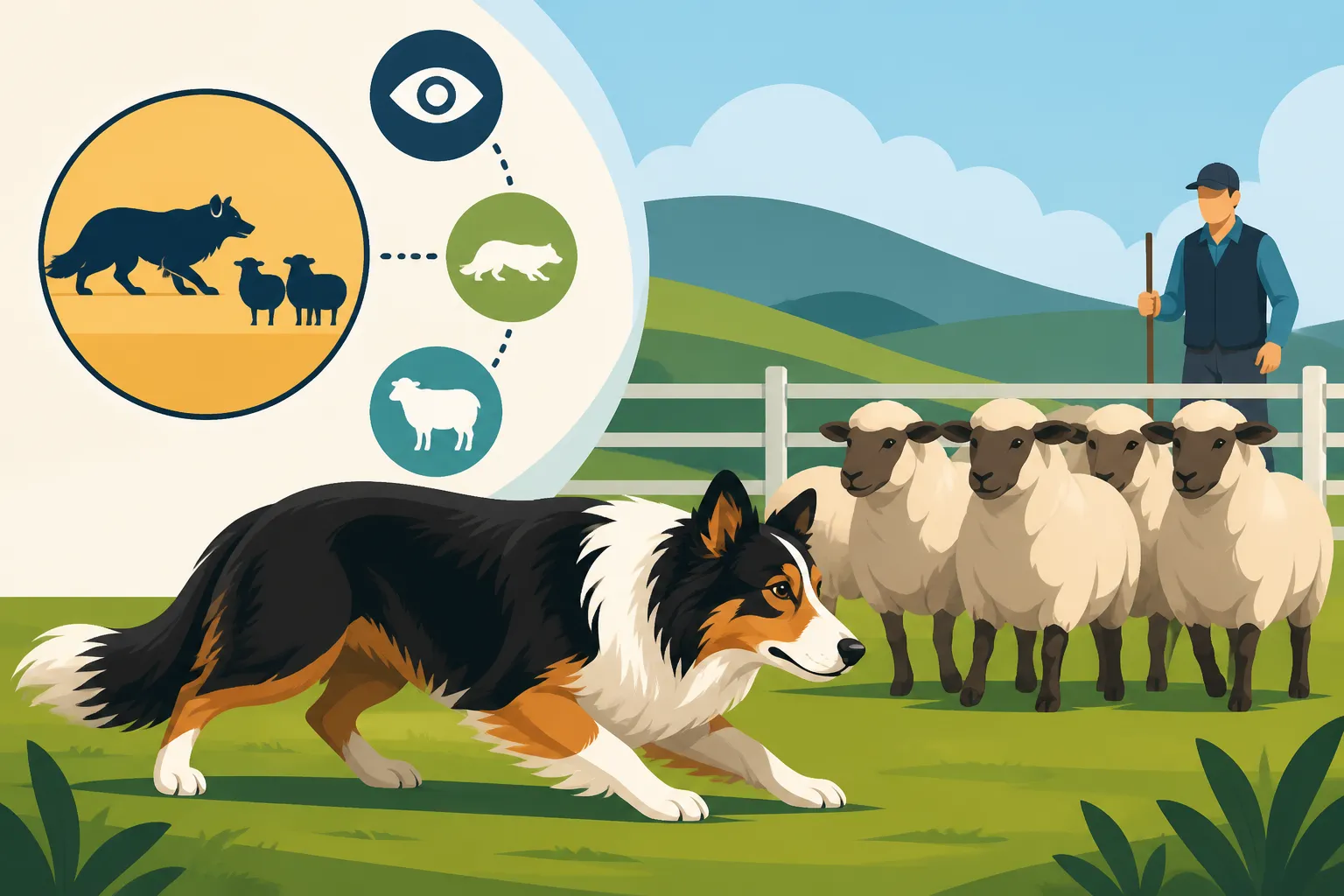
Once your Collie is in the pen with the sheep, the evaluator will stand back and allow your dog to react naturally. This is where the keen observation begins. They're looking for a specific set of behaviors that indicate herding instinct. Does your Collie immediately notice the sheep? Do they show interest, perhaps lowering their head, stiffening, or giving what's called "the eye"—an intense stare that is characteristic of many herding breeds? Do they try to move around the sheep, circling them, or attempting to gather them? You might see your Collie try to put pressure on the sheep, moving them away from the fence or back towards the center of the pen. They might try to block the sheep, preventing them from scattering.
It's not about speed or perfection, but about the desire to control and gather. Some Collies might start with a gentle stalk, while others might be more energetic in their initial approach. The evaluator will be watching for these nuanced actions, noting the strength and type of instinct. Remember, they're not looking for a perfectly executed gather, but for the fundamental desire to interact with and influence the movement of the stock. It's fascinating to see these ancient behaviors emerge in your modern companion, and it offers a deep insight into What a Herding Instinct Test Shows in a Collie.
The Different Reactions You Might See
It's important to understand that Collies, even with their strong heritage, can react in various ways during an instinct test. There's a spectrum of responses, and all are completely normal.
Here's a breakdown of some common reactions you might observe:
| Reaction Type | Description | Interpretation |
|---|---|---|
| Strong Interest | Collie immediately notices sheep, shows intense focus (the "eye"), tries to circle or gather. | Clear herding instinct present. Good candidate for further training. |
| Mild Interest | Collie acknowledges sheep, may sniff, show some curiosity, perhaps a hesitant circle, but lacks intensity. | Instinct present but not dominant. May develop with encouragement, or enjoy casual herding. |
| No Interest | Collie ignores sheep, focuses on handler, sniffs the ground, wants to leave the pen. | Herding instinct is absent or extremely low. Better suited for other activities. |
| Fear/Avoidance | Collie shrinks from sheep, tries to hide behind handler, attempts to escape the pen. | Indicates discomfort or fear. Herding is not suitable. |
| Play/Chase Drive | Collie treats sheep like giant toys, attempts to play-bow, barks excitedly, or chases without purpose. | Instinct is there, but needs redirection. Can be channeled into herding with proper guidance. |
| Protective/Aggressive | Collie barks aggressively, snaps, or attempts to bite the sheep. | This is rare and concerning; herding is not appropriate. Evaluator will intervene immediately. |
A Collie displaying strong interest might seem to instantly "know" what to do, moving with a quiet intensity that is captivating to watch. Others might be a bit confused at first, needing a gentle prompt from the evaluator to even acknowledge the sheep. Some Collies, to their owner's surprise, show absolutely no interest whatsoever, preferring to sniff the ground or look to their person for reassurance. And yes, some will think the sheep are just big, woolly playmates, wanting to chase and bark rather than gather. All these reactions provide valuable information about your individual dog. The evaluator is there to help distinguish between a dog with strong, moderate, or no real herding instinct, and can guide you on the best path forward. This understanding helps in deciding Whether a Pet Collie Should Try Herding.
Getting Ready: Preparing Your Collie for a Successful Day
While the herding instinct test is about instinct rather than training, there are definitely things you can do to prepare your Collie for the best possible experience. A successful test isn't just about what your dog does with the sheep, but how comfortable and confident they feel in a new environment with new stimuli. Your goal is to set them up for success, allowing their natural behaviors to emerge without being overshadowed by anxiety or distraction.
Physical and Mental Preparation for the Test
First, ensure your Collie is in good physical condition. While they won't be running a marathon, they will be moving around the pen, and you want them to be comfortable. Make sure they are up-to-date on all their vaccinations and have had a recent vet check-up. Consider their energy levels on the day; you don't want them completely exhausted, but a short, calm walk beforehand to get rid of excess jitters can be beneficial. Mentally, it helps if your Collie is generally well-socialized and confident in new places. They should be comfortable being handled by you and ideally, by strangers, although direct interaction with the evaluator is usually minimal.
Practice basic obedience cues in various environments, even if it's just "sit" and "stay," so they are responsive to you. Bring high-value treats (perhaps some delicious freeze-dried meat from Chewy, or a portion of their regular healthy meal from Ollie) to reward calm behavior outside the pen, and water to keep them hydrated. The more relaxed and focused your Collie is on you before entering the pen, the better they'll be able to process the novelty of the sheep.
Choosing the Right Herding Evaluator and Venue
Finding the right facility and evaluator is paramount. Look for evaluators who have experience specifically with Collies and other herding breeds, and who emphasize a gentle, positive approach. You want someone who understands that this is an instinct test, not a harsh training session. Ask about their methods: Do they use calm, dog-broke sheep? How do they ensure the safety of both dog and livestock? A good evaluator will prioritize a stress-free experience for your Collie. Facilities should be clean, well-maintained, and have good fencing to ensure no accidental escapes. Don't be afraid to ask for references or to visit a facility during a test day to observe before committing. A positive first experience can make all the difference in whether your Collie (and you!) enjoys this type of activity. You can often find reputable facilities through local Collie clubs or herding associations.
The Importance of a Calm and Confident Handler
Your demeanor plays a huge role in your Collie's experience. Dogs are incredibly attuned to their owners' emotions, and if you're nervous or anxious, your Collie will pick up on that. Before and during the test, try to remain calm, confident, and encouraging. Speak to your Collie in a soothing voice, offer praise for any engagement, and maintain a relaxed body posture. The goal is to be a supportive presence, allowing them the freedom to explore their instincts without feeling pressured. Remember, the evaluator is there to guide the process, but you are your Collie's anchor. If you're stressed, they're likely to be stressed, which can mask their true instinct. Take a deep breath, trust your dog, and enjoy the opportunity to learn something new about them!
Beyond the Test: Interpreting Results and Next Steps for Your Herding Collie
So, the test is over. Your Collie has had their time in the pen with the sheep, and you've seen their reactions. Now what? The beauty of an instinct test is that it provides valuable insight, regardless of the outcome. It's not about achieving a specific score, but about understanding your dog's inherent drives and making informed decisions about their future activities. Whether your Collie turned into a natural-born sheepdog or simply looked confused, there's a positive path forward.
Embracing a Strong Herding Instinct
If your Collie showed a strong, clear herding instinct—circling the sheep, showing "the eye," demonstrating a desire to gather and control—then congratulations! You have a dog with a powerful, innate drive. This is often an exciting discovery for owners, as it opens up a whole new world of activities. Your next step might be to enroll in beginner herding classes. These classes focus on channeling that raw instinct into controlled, useful behaviors, teaching you how to communicate with your dog effectively on stock. It's a wonderful way to provide mental and physical enrichment for your Collie, fulfilling a deep-seated part of their being.
Remember, a strong instinct means a strong need to do something. If you discover your Collie has this drive, ignoring it can sometimes lead to them applying those instincts to less appropriate targets, like children, other pets, or even moving cars. Engaging them in supervised herding activities is a fantastic outlet. Make sure your Collie stays healthy and strong to participate in these demanding activities; good nutrition, perhaps from a brand like Ollie, and regular vet check-ups are key. Consider pet insurance like Healthy Paws if you plan to get involved in competitive or physically demanding dog sports, as accidents can happen. Learning to work stock together can forge an incredible bond between you and your dog, providing a rewarding experience for both of you. You might even find yourself wanting to dive deeper into Whether a Collie Can Earn a Herding Title.
When the Instinct Isn't There: Alternative Activities
What if your Collie showed little to no interest, or even seemed afraid of the sheep? That's perfectly fine! It simply means that herding isn't their passion, and there's no need to force it. Many Collies today are generations removed from their working ancestors, and for them, the herding instinct has faded or been replaced by other drives. This doesn't make them any less of a Collie or any less special. In fact, it's often a relief for owners to know that they don't need to find sheep for their dog!
Instead, focus on activities that your Collie does enjoy and excels at. Collies are intelligent and versatile dogs who often love a wide variety of dog sports and activities. Consider obedience, rally, agility, scent work, or even just long, engaging walks and puzzle toys at home. Many Collies thrive on mental stimulation and enjoy learning new tricks. They are fantastic companions for hiking or long walks where they can explore with their noses. The key is to provide outlets for their intelligence and energy in ways that are fun and fulfilling for them. A happy Collie is one whose needs are met, whether that's through herding sheep or cuddling on the couch after a good game of fetch. It's also worth noting that Collies are generally social dogs, and fulfilling their need for companionship is often more important than any specific job. To learn about other activities, you might read Herding, Rally and the Sports a Collie Was Made For.
Long-Term Well-being for Any Collie, Herder or Not
Regardless of your Collie's herding instinct test results, their overall well-being is always the top priority. Providing a balanced diet, regular exercise, consistent training, and plenty of loving companionship will ensure your Collie lives a full, happy life. If they show herding drive, engaging them in those activities provides mental and physical exercise. If they don't, other activities fulfill those needs.
It's crucial to remember that a Collie's mental health is just as important as their physical health. They are sensitive, intelligent dogs who thrive on routine, clear communication, and feeling like a valued member of the family. Whether they're rounding up sheep or just your slippers, meeting their intrinsic needs for purpose, interaction, and love is what truly defines their well-being. Keeping up with routine vet visits and preventative care, and staying informed about common Collie health issues such as [MDR1 Mutation Affects Most Collies, So Ask How Badly], ensures they remain healthy for all their adventures, herding or otherwise.
Disclaimer
This article is for general informational purposes only and does not constitute professional advice. Laws, prices and regulations vary by location and change over time. Consult a qualified professional for guidance on your specific situation.