What Sheep Time Costs a Collie Owner
It’s a common misconception that Collies, with their gentle demeanor and stunning good looks, are purely companion animals who don't need much more than a walk around the block. But deep down, these beautiful dogs are still herding animals, and that instinct, if left unchanneled, can manifest in ways that are frustrating for both you and your furry family member. This guide is all about helping you understand the world of "sheep time" for your Collie, detailing what it is, why it's so beneficial, and what costs you can expect when you decide to let your Collie explore its ancestral roots.
Why Your Collie Craves a Job and What "Sheep Time" Offers
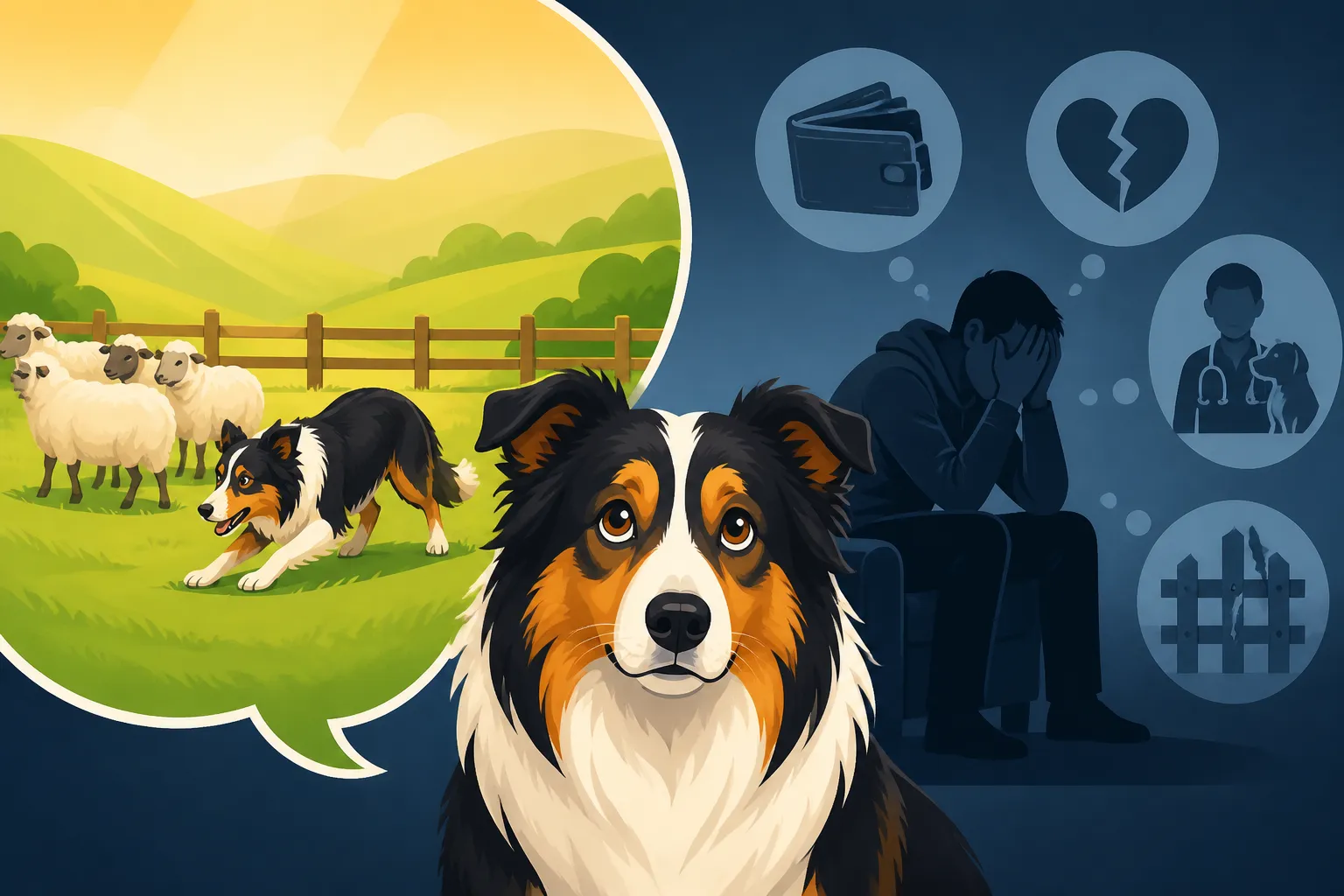
Many Collie owners are surprised to learn that their seemingly calm and collected dog possesses a strong, innate drive to herd. It’s not just for the working lines; even show-bred Collies often have this instinct simmering just beneath the surface. When this instinct isn't given an outlet, you might notice your Collie trying to "herd" your children, other pets, or even you, often with little nips at the heels or intense staring. It’s their way of saying, "I need a job!"
"Sheep time," at its heart, is about providing a safe, controlled, and enriching environment for your Collie to express these natural herding behaviors. It’s a dedicated session where your Collie gets to interact with livestock, typically sheep, under the guidance of an experienced trainer. This isn't about turning your pet into a full-time farm dog (unless that's your goal!), but rather about engaging their mind and body in a deeply satisfying way. It offers unparalleled mental stimulation, physical exercise, and a wonderful bonding experience between you and your Collie. It’s a chance for them to be who they truly are, and for you to witness their intelligence and grace in action.
The Instinctive Urge: More Than Just a Game
Your Collie comes from a long line of working dogs, dogs that were bred for centuries to gather and move livestock across the Scottish hillsides. That history is etched into their DNA. When a Collie gets the chance to work sheep, you’ll see a transformation. Their focus intensifies, their posture changes, and they move with a purpose that often surprises their owners. It's not just a physical activity; it's a mental puzzle, requiring problem-solving, anticipation, and communication with their handler.
This profound engagement provides an incredible outlet for their energy and intelligence, often leading to a much calmer, more content dog at home. Instead of redirecting that intense stare onto the cat or the kids, they've had a chance to use it on the sheep, fulfilling a fundamental part of their being. Think of it as specialized therapy for their ancient instincts, leading to a happier and more well-adjusted family member.
What Happens During a Typical "Sheep Time" Session
A sheep time session isn't just letting your dog loose in a field of sheep. It's a carefully structured activity guided by a professional. Typically, your Collie will be introduced to a small group of sheep in an enclosed area. The trainer will observe your dog's natural instincts, looking for signs of interest, gathering, or driving. They'll help you learn how to communicate with your Collie using specific commands and body language, guiding them to move the sheep in a controlled manner.
For a first-timer, it might start with an "instinct test" (more on that below) where the focus is simply to see if your Collie shows any interest. If they do, subsequent sessions will build on that, teaching them how to walk around the flock, apply pressure, and respond to your cues. It’s a delicate dance, and watching your Collie connect with their heritage is truly an amazing experience. They learn patience, control, and how to work as part of a team, all while engaging every fiber of their being.
Breaking Down the Costs of Sheep Time for Your Collie
When you decide to embark on the journey of sheep time with your Collie, it's helpful to understand the various financial commitments involved. This isn't typically a one-off expense, but rather an ongoing investment in your Collie's well-being and your shared bond.
Initial Herding Instinct Testing
For many Collies, the first step into the world of herding is an instinct test. This is usually a shorter, more introductory session designed purely to see if your Collie possesses the natural drive to herd. It’s often a low-pressure environment, allowing your dog to explore the sheep at their own pace.
These tests are crucial because not every Collie will show a strong herding instinct, and it helps you decide if further training is a worthwhile investment. The cost for an instinct test is generally a modest fee, often covering the trainer's time, the use of the facility, and access to the sheep. It's a fantastic way to dip your toes into the water without committing to a full training course. Many facilities offer these as standalone events, sometimes as part of a larger clinic or open day. The experience itself is usually quite brief, perhaps 10-20 minutes in the arena, but it can be incredibly revealing. You'll often leave with a clear indication of whether your Collie "has the eye" or the drive for herding. What a Herding Instinct Test Involves for a Collie gives more detail on what to expect.
Introductory Lessons and Clinics
Once your Collie has shown a positive instinct, the next step is typically introductory lessons or clinics. These sessions begin to shape that raw instinct into controlled, useful behavior. You'll learn the basic commands and techniques to guide your Collie, and your dog will start to understand the "language" of working sheep.
- Group Clinics: These are often more budget-friendly, as the cost is split among several participants. You might attend a half-day or full-day clinic with a small group of dogs and handlers. While your Collie might not get constant one-on-one time with the sheep, you'll benefit from observing other dogs and learning from shared experiences and trainer feedback. The costs for group clinics can vary depending on the duration and the renown of the instructor.
- Private Lessons: For a more personalized approach, private lessons offer one-on-one time with a trainer and sheep. This allows the trainer to focus entirely on your Collie's specific needs and your handling skills. While more expensive per session than group clinics, private lessons can often lead to faster progress due to the individualized attention. These are ideal for addressing specific challenges or for handlers who prefer a dedicated learning environment. You'll often find these are booked by the hour or half-hour.
During these introductory phases, trainers will emphasize safety for both the dogs and the sheep, ensuring positive experiences for everyone involved. They'll work on establishing a rapport between you, your Collie, and the sheep, focusing on gentle control rather than force.
Regular Practice Sessions and Ongoing "Sheep Time"
If you and your Collie fall in love with herding, you'll likely want to engage in regular practice sessions. This is where the ongoing costs truly come into play. These are structured sessions designed for continued learning and refinement of skills.
Many herding facilities offer various ways to pay for these ongoing sessions:
- Per-Session Fees: You might pay a flat fee each time you come out for a scheduled practice session. This is great for flexibility if your schedule is inconsistent.
- Package Deals: Often, facilities will offer discounted rates if you purchase a package of multiple sessions upfront (e.g., 5 or 10 sessions). This can save you money in the long run if you plan to go regularly.
- Membership Fees: Some herding clubs or private facilities might require a membership fee to access their grounds and trainers, sometimes offering reduced per-session rates as a benefit.
- Hourly Rates for Ring Time: For more experienced teams, you might simply rent "ring time" by the hour, bringing your own sheep (if you have them and the facility allows) or paying for the facility's sheep. This assumes you're competent enough to work independently.
The frequency of your visits will, of course, directly impact your overall annual cost. Some owners might go weekly, others monthly, and some only a few times a year for refreshers. The more serious you get, the more dedicated your budget will need to be. Remember, this isn't just about paying for the sheep; it's also about the expertise of the handler who manages the flock and guides you and your Collie through the intricacies of herding.
Indirect Costs: Travel and Equipment
Beyond the direct fees for sheep time, there are several indirect costs you'll need to consider:
- Travel Expenses: Herding facilities are often located in more rural areas, which means you'll likely incur fuel costs for getting there and back. If you live far from a facility, these costs can add up quickly.
- Time Commitment: While not a direct monetary cost, the time spent traveling and participating in sessions is significant. You might need to take time off work or dedicate large chunks of your weekends.
- Equipment: While not extensive, you'll need some basic equipment. This includes a sturdy, comfortable leash and collar or harness, plenty of water and a portable bowl (especially important after vigorous activity), and often a crate for your Collie to rest comfortably between turns or during travel. Many handlers also find a "herding stick" useful for extending their reach and giving subtle cues, though beginners usually learn without one. You can find quality leashes, collars, and portable water bowls on sites like Chewy, ensuring you have durable gear for your adventures.
- Food and Supplements: An active Collie burning through calories on the herding field will need a high-quality diet to sustain their energy and recovery. Consider feeding options like Ollie, which provides fresh, custom-portioned meals designed for active dogs. While not a direct "sheep time" cost, it's an important aspect of caring for a dog engaged in such demanding activity.
- Pet Insurance: While pet insurance providers like Healthy Paws won't cover the cost of training or participation in sports, having a comprehensive policy can be invaluable. Active dogs are more prone to minor injuries like sprains, cuts, or even more serious incidents that might occur during intense physical activity. Knowing you have coverage for unexpected veterinary bills can provide immense peace of mind.
Factors That Influence the Cost of Herding for Collies
The exact amount you'll spend on sheep time can vary widely based on several key factors. It's not a one-size-fits-all budget item, and understanding these variables can help you plan your finances accordingly.
Geographical Location
Just like real estate, the cost of herding lessons and facility access can be heavily influenced by geography.
- Urban vs. Rural: Facilities closer to major metropolitan areas, even if they're still "rural" in feel, often have higher operating costs, which are then passed on to clients. Land is more expensive, and demand might be higher. Conversely, facilities in genuinely remote, agricultural areas might offer lower rates due to lower overheads, but this could mean longer travel times for you.
- Availability: In regions with many herding trainers and facilities, competition might help keep prices somewhat competitive. In areas where herding opportunities are scarce, a single facility might set higher prices due to lack of alternatives. It’s worth doing a thorough search in your local area and even considering neighboring states if you're serious about the sport.
Trainer Experience and Reputation
The quality and experience of the herding instructor can significantly impact the fees.
- Beginner Trainers: Newer trainers, or those just starting their own facilities, might offer more competitive rates to build their clientele. This can be a great option for a beginner handler and Collie, as you're both learning the ropes.
- Experienced Professionals: Highly sought-after trainers, especially those who have achieved titles with their own dogs or who are renowned for their teaching abilities, will naturally command higher prices. Their expertise can be invaluable, offering nuanced insights and quicker progress, but it comes at a premium. Some trainers might even travel for workshops, which can have an additional cost for attendance.
Type of Livestock and Facility
Believe it or not, the animals themselves can play a role in the cost.
- Sheep Breeds: Certain breeds of sheep are better suited for beginner dogs (e.g., quiet, steady breeds), while others are more challenging. Facilities using specialized sheep, or those with very well-maintained, healthy flocks, might have higher costs.
- Facility Amenities: A basic training pen versus a large, well-maintained arena with covered areas, spectator seating, and climate-controlled spaces can also affect pricing. Some facilities might offer access to different types of livestock (ducks, goats), which could influence pricing or package deals. The safety and well-being of the sheep are paramount, and quality care for the flock is an inherent part of the cost.
Frequency and Commitment
Your approach to herding lessons also plays a role in the total financial outlay.
- Occasional Hobbyist: If you only plan to take your Collie to a few instinct tests or introductory clinics a year, your annual cost will be relatively low. It's more about enrichment than serious training.
- Dedicated Competitor: For those aiming for titles and regular competition, the costs will escalate. This involves frequent lessons, entering trials, possibly traveling significant distances, and investing more deeply in professional guidance. What a Collie Herding Trial Entry Costs will give you an idea of those specific expenses.
Is "Sheep Time" an Essential Cost for a Collie Owner?
This is a question many Collie owners grapple with. Is it truly necessary to spend money on sheep time, or is it a luxury? The answer lies somewhere in the middle.
From a purely functional standpoint, no, your Collie doesn't require sheep time to survive or even thrive. Many Collies live perfectly happy lives without ever seeing a sheep. However, from the perspective of fulfilling their deepest genetic programming and promoting optimal mental and physical well-being, providing an outlet for their herding instinct is profoundly beneficial.
Benefits Beyond the Cost
The value of sheep time extends far beyond the monetary investment.
- Mental Stimulation: Herding is incredibly demanding mentally. It channels your Collie's intelligence, focus, and problem-solving skills in a way few other activities can. A mentally tired dog is a happy dog, and often a calmer dog at home.
- Physical Exercise: While not always high-speed, herding involves steady movement, quick turns, and sustained effort. It's a great way to keep your Collie physically fit and prevent boredom-induced destructive behaviors.
- Behavioral Improvement: Many owners report a significant reduction in unwanted herding behaviors at home (like nipping at heels or circling family members) once their Collie has a proper outlet. The intense focus required on the sheep helps them learn self-control and responsiveness to your commands.
- Strengthened Bond: Working together as a team with your Collie on the herding field creates an incredible bond. You learn to read your dog's subtle cues, and they learn to trust your guidance, deepening your relationship in a unique and powerful way.
- Confidence Building: For shy or timid Collies, successful herding can be a huge confidence booster, transforming them into more assertive and self-assured individuals.
Alternatives if Sheep Time Isn't Feasible
If the cost or logistics of regular sheep time are simply out of reach, don't despair! There are many other ways to channel your Collie's herding intelligence and energy.
- Dog Sports: Activities like agility, obedience, rally, and Whether a Collie Takes to Scent Work can provide excellent mental and physical challenges. Collies often excel in these areas because they are intelligent, biddable, and love to work with their people.
- Puzzle Toys and Brain Games: Investing in interactive puzzle feeders and engaging in regular training sessions that challenge your Collie's mind can help satisfy their need for mental work. Think about teaching complex trick chains or advanced obedience cues.
- Structured Play: Games like fetch, hide-and-seek (with toys or treats), or even carefully managed flirt pole play can tap into their prey drive and provide a healthy physical outlet. Forty Five Minutes a Day, and Half of It in Its Head really highlights the importance of mental exercise for this breed.
- Long, Varied Walks: While not directly herding, exploring new environments, allowing for sniffing, and practicing obedience commands on walks can provide enrichment.
Ultimately, "sheep time" is an investment in your Collie's innate well-being and a phenomenal way to honor their heritage. While it comes with a cost, the joy and fulfillment it brings to both you and your dog are often considered priceless by those who pursue it.
Budgeting for a Herding Collie
If you're considering introducing your Collie to the wonderful world of sheep, creating a realistic budget is key. Here's how to approach it.
Research Local Facilities and Trainers
Start by looking up herding facilities and trainers within a reasonable driving distance. Online searches, breed club recommendations (like the Collie Club of America), and word-of-mouth from other Collie owners are excellent resources. Contact them to inquire about their pricing structure for instinct tests, introductory lessons, and ongoing sessions. Don't be afraid to ask about package deals or any membership options. Remember, the goal is to find a reputable trainer who uses positive reinforcement methods and prioritizes the safety and well-being of both the dogs and the sheep.
Start Small: The Instinct Test
The best way to gauge your Collie's interest and your own commitment is to begin with an instinct test. This is the lowest-cost entry point and will give you invaluable insight. If your Collie shows no interest, you've saved yourself a larger investment. If they light up, then you know it's a path worth exploring further.
Prioritize Training Over Equipment
Initially, your budget should heavily lean towards the actual training and instruction. Basic equipment is minimal and can be sourced affordably. As you progress, you might invest in more specialized items, but good instruction and consistent access to sheep are paramount.
Consider Group Options for Cost Savings
For ongoing training, if your Collie is comfortable in a group setting, clinics and group lessons can be a more economical way to get regular sheep time. You still get the benefit of professional instruction and access to sheep, often at a reduced rate compared to private sessions.
Factor in Travel and Time
Don't forget to include fuel costs and the value of your time in your overall budget. Even if a facility offers affordable lessons, if it's a three-hour round trip, the hidden costs add up. Plan accordingly to avoid financial strain or burnout.
Remember, sheep time is a journey, not a destination. It's a commitment that can bring immense joy and fulfillment to your Collie's life, and to yours. By understanding the costs involved and planning ahead, you can make this enriching experience a sustainable part of your Collie's care.
| Activity/Service | Typical Cost Shape | Description | Considerations |
|---|---|---|---|
| Herding Instinct Test | Low single fee | A one-off, short session to assess natural herding drive. Minimal instruction, focus on observation. | Great first step to see if your Collie has the aptitude. Low risk, high reward for insight. |
| Introductory Group Clinic | Moderate daily/half-day | Several hours or a full day, shared among multiple dogs/handlers. Basic techniques taught. | Cost-effective way to get started. Less one-on-one time. |
| Private Lessons (per hour) | High hourly rate | Dedicated one-on-one instruction with a trainer and sheep. Tailored to your Collie's progress. | Faster progress, personalized feedback. Higher cost per session, but might be more efficient. |
| Regular Practice Sessions | Variable (per session/pkg) | Ongoing access to sheep and training guidance. Can be bought individually or in packages. | Most significant ongoing expense. Look for package deals or memberships to save. Frequency dictates total annual cost. |
| Travel Expenses | Variable (fuel) | Cost of driving to and from the herding facility. | Can add up significantly depending on distance. Factor into your budget carefully. |
| Basic Equipment | Modest one-time cost | Sturdy leash, harness, water bowl, crate. | Essential for safety and comfort. Often already owned. Can be sourced from pet supply retailers like Chewy. |
| High-Quality Food | Ongoing monthly expense | Nutritionally dense food to support an active, working dog. | Crucial for energy and recovery. Brands like Ollie offer specialized options for active dogs. |
| Pet Insurance | Ongoing monthly premium | Coverage for unexpected veterinary costs, especially for active dogs prone to minor injuries. | Healthy Paws, for example, won't cover training, but offers peace of mind for accidents that might occur during sports. |
Disclaimer
This article is for general informational purposes only and does not constitute professional advice. Laws, prices and regulations vary by location and change over time. Consult a qualified professional for guidance on your specific situation.