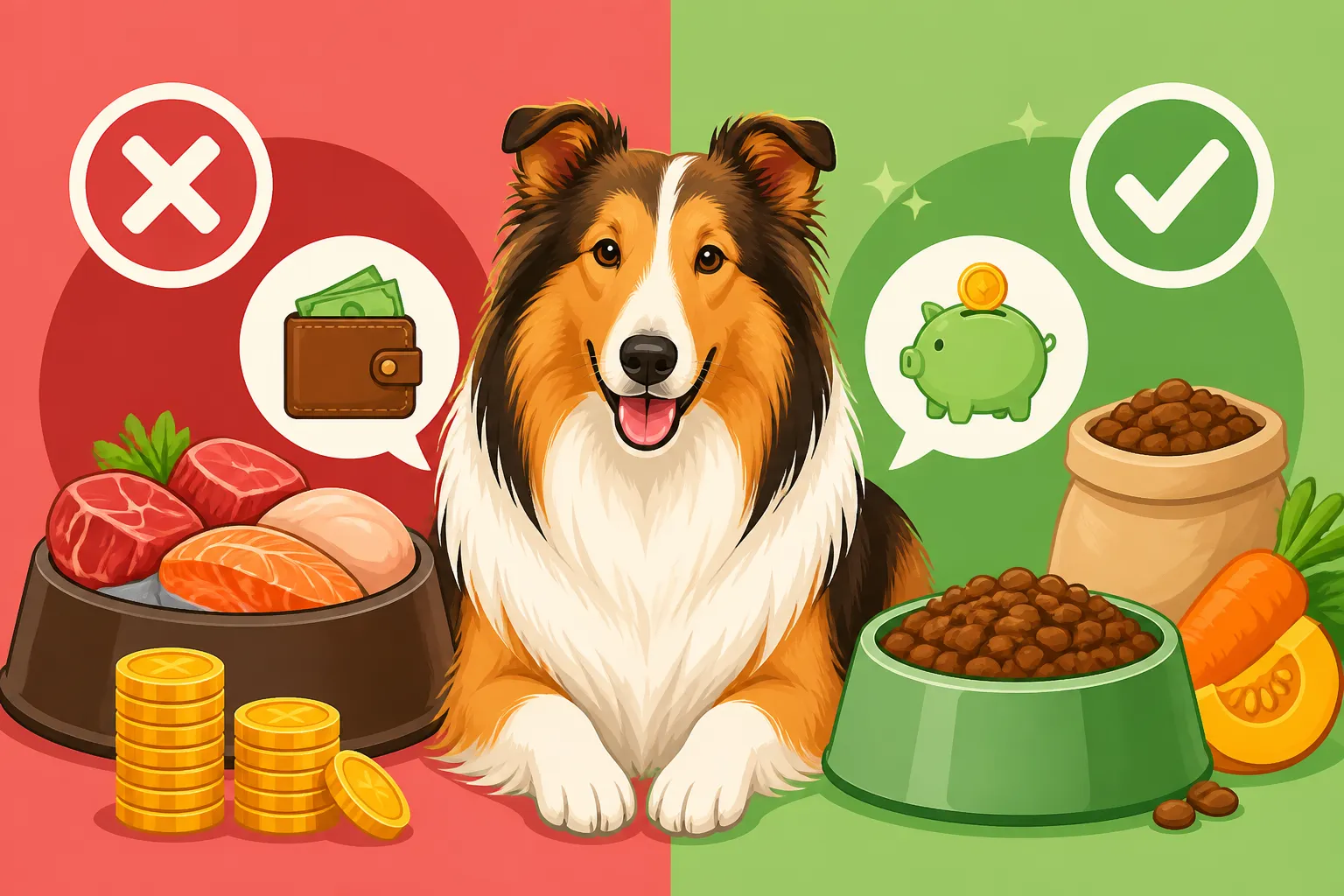
Whether a Collie Is Cheap to Feed for Its Size
One of the first questions many potential Collie owners ponder, often with a little trepidation, is whether bringing home one of these magnificent, large dogs means an equally enormous grocery bill. It’s a completely fair concern! You see that flowing coat and substantial frame, and your mind immediately jumps to visions of bottomless food bowls. But the truth about feeding a Collie might just surprise you, as they are often more moderate eaters than their size and impressive appearance might suggest. This guide will delve into the nuances of a Collie's dietary needs and costs, helping you understand what to expect.
Understanding a Collie's Nutritional Needs
It's easy to look at a Rough Collie, with that glorious mane and sturdy build, and assume they're going to devour mountains of food every day. Or perhaps you're eyeing a sleek Smooth Collie, whose athletic build still hints at a robust appetite. The reality is that while Collies are indeed large dogs, their caloric needs aren't always on par with some of the more intensely driven, higher-energy working breeds or giant breeds.
Growth, Activity, and Metabolism
A Collie puppy, like any growing creature, will have higher energy demands relative to their size. They're developing rapidly, building strong bones and muscle, and often have bursts of playful energy that burn through calories. During this crucial developmental phase, feeding a high-quality puppy food specifically formulated for large breeds is essential. This helps ensure they grow at a steady, healthy pace, supporting their joints and skeletal development. It's a stage where investing in good nutrition truly pays dividends for their long-term health.
Once your Collie matures, typically around 12 to 18 months, their energy requirements often stabilize. An adult Collie, especially one kept as a family companion rather than a working sheepdog, has moderate activity levels. While they certainly need their daily exercise—think good walks, playtime in the yard, and mental enrichment like training sessions—they aren't usually the type to run for hours on end like some other herding breeds. This means their daily caloric intake can be surprisingly manageable. Factors like individual metabolism, whether they're spayed or neutered (which can sometimes lead to slower metabolism and weight gain), and their actual activity level will all play a part. You might find your Collie perfectly content with a good quality adult dog food, fed twice a day. You can generally tell if your Collie is getting the right amount of food by regularly checking their body condition, feeling for their ribs under all that coat. Signs a Collie Is Overweight Under All That Coat is a good article to review if you're unsure.
The Myth of "Big Dog, Big Bill"
The perception that all large dogs come with an astronomical food bill often stems from comparing them to truly giant breeds or breeds with exceptionally high energy drives. Think of a Great Dane or an Irish Wolfhound, who can easily weigh 150 pounds or more, or a Border Collie who might run 10 miles a day. Collies, while substantial, don't typically fall into those extreme categories.
An average adult male Collie might weigh between 60 to 75 pounds, and a female between 50 to 65 pounds. While certainly not small, this is a manageable size for feeding. They tend to have a more measured approach to food consumption compared to some breeds that seem to be constantly hungry. This isn't to say your Collie won't enjoy a good meal – they absolutely will! But you might find they eat a quantity that is quite reasonable for their size. This often means that, cup-for-cup, their food consumption isn't drastically higher than a medium-sized dog, especially if you're choosing a nutrient-dense formula. It's a pleasant surprise for many first-time Collie owners who braced themselves for much larger expenses.
Factors Influencing a Collie's Food Bill
So, while Collies might not be the insatiable eaters some imagine, the actual cost of feeding your beloved companion can still vary significantly based on several key choices you make. It's not just about how much they eat, but what they eat and where you buy it.
Quality of Food
This is perhaps the biggest variable in your Collie's food budget. The market is flooded with options, from budget-friendly kibble to premium fresh-prepared meals, and everything in between.
- Standard Dry Kibble: This is generally the most economical choice. Within this category, you'll find a wide range of quality. Cheaper kibbles often contain more fillers like corn, wheat, or soy, which provide less nutritional value and can sometimes lead to your Collie needing to eat more to feel satisfied, or worse, developing digestive issues. Mid-range and premium kibbles will list meat as the first ingredient and use higher-quality grains or grain-free alternatives. For a healthy Collie, a good quality kibble can be perfectly adequate, offering balanced nutrition at a reasonable price point.
- Wet Food: Canned wet food is more expensive per calorie than dry kibble, but many dogs find it highly palatable. It can be a good option for senior Collies with dental issues, or as a topper to entice a picky eater. However, feeding a large Collie exclusively on wet food would quickly escalate costs.
- Raw or Fresh-Prepared Diets: These diets, often boasting human-grade ingredients and minimal processing, are at the higher end of the price spectrum. Brands like Ollie offer fresh-prepared meals delivered to your door, tailored to your dog's specific needs. Many owners report benefits like improved coat health, better digestion, and increased energy with these diets. However, the convenience and quality come with a significantly higher price tag. If you're considering a raw diet, it's crucial to consult with a veterinary nutritionist to ensure it's balanced and complete, as improper formulation can lead to serious health problems.
The saying "you get what you pay for" often holds true in pet food. Investing in a higher quality food, even if it costs a bit more upfront, can potentially lead to fewer vet visits down the line due to better overall health, coat condition, and fewer digestive upsets. What a Collie Eats in a Month delves further into the budgeting aspect of food.
Special Dietary Requirements
Life happens, and sometimes your Collie might develop health issues or allergies that necessitate a special diet. These specific formulations often come at a premium.
- Age-Specific Diets: As your Collie ages, their metabolism slows, and they may need fewer calories but higher levels of certain nutrients to support joint health, cognitive function, and organ health. Senior-specific diets are formulated to address these changes, and while not drastically more expensive than adult formulas, they are a distinct category. Similarly, a young puppy needs a diet for growing large breeds, like those discussed in Whether a Collie Needs a Large Breed Puppy Food.
- Prescription Diets: If your Collie develops conditions like kidney disease, liver issues, severe allergies, or certain gastrointestinal problems, your vet might prescribe a therapeutic diet. These foods are specifically designed to manage or mitigate health conditions and are only available through veterinary channels. They are almost always more expensive than over-the-counter foods, sometimes substantially so. This is where pet insurance from providers like Healthy Paws, which often covers prescription food for covered conditions, can offer some financial relief.
- Allergy-Friendly Diets: Food sensitivities can manifest as skin issues, digestive upset, or ear infections. Finding a limited ingredient diet or a novel protein diet to pinpoint and avoid allergens can be a trial-and-error process, and these specialized foods typically carry a higher price point. It's a small price to pay for a comfortable, itch-free Collie, but it definitely impacts the budget.
Where You Buy Your Food
The retail landscape for pet food offers diverse options, each with its own pricing structure and convenience.
- Local Pet Stores: These often provide personalized advice and the ability to see and feel products before buying. Prices might be a bit higher than big-box stores or online, but you're supporting a local business and benefiting from their expertise.
- Big-Box Retailers: Stores like PetSmart or Petco often have a wider selection and can offer competitive pricing, especially on larger bags. They also frequently run sales and loyalty programs.
- Online Retailers: Sites like Chewy have revolutionized pet food shopping. They offer vast selections, often at discounted prices, and the convenience of home delivery. Setting up an auto-ship subscription can provide additional savings and ensure you never run out of food. For bulk purchases, online can be a fantastic way to save. However, it means you can't physically inspect the bag or get immediate advice.
Buying in bulk can often reduce the per-pound cost of food, so if you have storage space and your Collie sticks to one type of food, it's a smart strategy.
Breaking Down the Monthly Cost for a Collie
Let's get down to brass tacks and talk about what you might actually be spending. It’s hard to give a single definitive number, as you’ve seen, but we can certainly outline realistic expectations for feeding a Collie.
Averages and Ranges
For an average adult Collie weighing around 60-70 pounds, a general guideline is that they might consume between 2.5 to 4 cups of dry kibble per day, depending on the calorie density of the food and their activity level. How Many Cups a Day an Adult Collie Eats provides more detail on this.
Let's look at some general monthly ranges for dry kibble:
- Budget-Friendly Kibble: If you opt for a more economical brand, you might spend around $30-$45 per month. While this can seem appealing, be mindful of ingredient quality and how it impacts your dog's overall health and stool consistency.
- Mid-Range Quality Kibble: This is where many Collie owners land. Brands that prioritize whole meat ingredients and avoid excessive fillers generally fall into the $50-$80 per month range. This offers a good balance of nutrition and cost-effectiveness.
- Premium or Specialty Kibble: If you choose high-end, limited ingredient, or prescription dry foods, your monthly bill could be $80-$120+.
- Fresh-Prepared or Raw Diets: Services like Ollie, or expertly prepared raw diets, can range from $150 to $300+ per month for a large dog like a Collie. This reflects the quality of ingredients, preparation, and often the convenience of delivery.
These figures are estimates, of course, and market prices fluctuate. But they give you a sense of the spectrum. It’s a good idea to factor in at least $60-$80 a month for quality dry food for your adult Collie as a solid baseline.
Comparing to Other Breeds
When we consider "cheap to feed for its size," Collies actually tend to fare quite well.
- Compared to Giant Breeds: A Great Dane or Mastiff, easily consuming 8-10+ cups of food a day, will have a food bill that’s often double or triple that of a Collie. In this comparison, a Collie is indeed quite economical.
- Compared to High-Energy Working Breeds: A Border Collie, while smaller in stature, might have such high metabolic demands from intense daily exercise that their caloric intake rivals or even surpasses a more moderately active Collie. So, for a dog of similar size, a Collie often requires less fuel.
- Compared to Medium Breeds: A Labrador Retriever or a standard Poodle, while perhaps eating slightly less than a Collie, won't represent a drastically lower food cost, especially if you're feeding a comparable quality of food.
So, while not as "cheap" as a tiny Chihuahua, a Collie is certainly not at the top end of the large-breed food expense scale. This often comes as a relief to those who think all big dogs are budget-busters.
Beyond the Bowl: Treats, Supplements, and Other Edible Expenses
The food in the bowl isn't the only edible expense. Don't forget these additions that are part and parcel of responsible Collie ownership:
- Treats: Whether for training, enrichment, or just because you love them, treats add up. Opt for healthy, low-calorie options, especially if you're using them frequently. Remember that treats should only make up a small portion of their daily caloric intake to prevent weight gain.
- Supplements: As Collies age, or if they have specific health needs, supplements might become part of their routine. Joint supplements are common, particularly for large breeds, and can run anywhere from $20-$50+ a month. Fish oil for coat health or cognitive support are other popular options. What a Collie's Supplements Cost Yearly can give you a deeper look into these ongoing expenses.
- Dental Chews/Bones: These can help maintain dental hygiene between professional cleanings, but good quality ones also add to the budget. They might cost $10-$30 a month depending on the brand and frequency.
These "extras" can easily add another $20-$70+ to your monthly budget, so it's wise to factor them in from the start.
Strategies to Manage Your Collie's Food Budget
Responsible pet ownership means providing the best for your Collie, but it doesn't have to break the bank. There are smart ways to manage food costs without compromising on quality or nutrition.
Smart Shopping and Bulk Buying
One of the simplest ways to save on your Collie's food is by being a savvy shopper. Keep an eye out for sales, especially at larger pet supply stores or online retailers. Many places offer discounts when you buy bigger bags of food. Think about it: a 30-pound bag almost always costs less per pound than a 15-pound bag. If you have the storage space and your Collie isn't prone to rapidly changing tastes, buying in bulk can lead to significant savings over time.
Online retailers like Chewy often provide additional incentives for repeat purchases through auto-ship programs. Not only do you get the convenience of food delivered right to your door, but you can usually save a percentage off each order. This set-it-and-forget-it approach can prevent last-minute, higher-priced purchases and keep your budget steady. Also, consider signing up for loyalty programs or email newsletters from your preferred brands or stores, as they frequently announce promotions and coupons.
Reading Labels and Choosing Wisely
Don't just grab the cheapest bag on the shelf. The true cost of pet food isn't just the price tag; it's also about what you're actually feeding your dog. Learning to read pet food labels is a superpower for any pet owner. Look for foods where a named meat source (e.g., "chicken meal," "lamb") is among the first few ingredients, not generic "meat by-products" or excessive fillers like corn and wheat, which can have less nutritional value and might even cause digestive upset in some Collies.
A food with higher-quality, nutrient-dense ingredients might cost a bit more per bag, but your Collie might need to eat less of it to get adequate nutrition. This can sometimes balance out the cost. Furthermore, better quality ingredients often mean better digestibility, which can lead to firmer stools and fewer trips to the vet for gastrointestinal issues. It’s an investment in their long-term health and your peace of mind.
DIY and Home-Prepared Options
For some owners, exploring home-prepared or fresh food options is appealing. Companies like Ollie deliver fresh, human-grade meals, which can be fantastic for health but come at a higher price point due to the quality and convenience. If you have the time and dedication, you can also explore making your Collie's food at home. This route allows you complete control over ingredients, ensuring freshness and avoiding any allergens.
However, preparing food for your Collie at home requires careful research and often consultation with a veterinary nutritionist to ensure the diet is completely balanced. Dogs have specific nutritional requirements that aren't easily met by simply feeding them human leftovers or basic meat and vegetable combinations. An improperly balanced diet can lead to serious deficiencies or excesses over time, which could result in far more expensive vet bills down the line. It's a commitment that requires knowledge, time, and consistency, but it can be a way to provide high-quality food while potentially managing costs, especially if you source ingredients smartly.
| Food Type | Pros | Cons | Estimated Monthly Cost Range (Adult Collie) |
|---|---|---|---|
| Budget Dry Kibble | Lowest initial cost, widely available | Lower quality ingredients, more fillers, less digestible | $30 – $45 |
| Mid-Range Dry Kibble | Good balance of nutrition and cost, better ingredients | Still processed, less moisture | $50 – $80 |
| Premium Dry Kibble | High-quality ingredients, specialized formulas | Higher cost, can still be processed | $80 – $120 |
| Wet Food (Exclusive) | Highly palatable, high moisture content, good for seniors | Very expensive for large breeds, lower calorie density | $150+ |
| Fresh-Prepared | Human-grade ingredients, minimally processed, digestible | High cost, often subscription-based, requires freezer space | $150 – $300+ |
| Raw Diet | Natural ingredients, high digestibility (if balanced) | Highest cost, risk of imbalance/bacteria if not done correctly | $180 – $350+ |
In conclusion, the notion that a Collie is inherently "cheap to feed for its size" is largely accurate when you compare them to other giant breeds or those with truly extreme energy demands. They are not the most expensive dogs to keep in terms of food, primarily due to their moderate metabolism and generally settled nature as adults. However, what you choose to put in their bowl – the quality, type, and source of their food – will ultimately dictate your actual monthly outlay. By making informed choices, reading labels, and taking advantage of smart shopping strategies, you can provide your Collie with excellent nutrition without feeling perpetually overwhelmed by the grocery bill.
Disclaimer
This article is for general informational purposes only and does not constitute professional advice. Laws, prices and regulations vary by location and change over time. Consult a qualified professional for guidance on your specific situation.