Whether Collie Health Has Improved Since the 1980s
Collie health changes since the 1980s, detailing genetic breakthroughs for drug sensitivity, eye anomaly, and puppy exams.
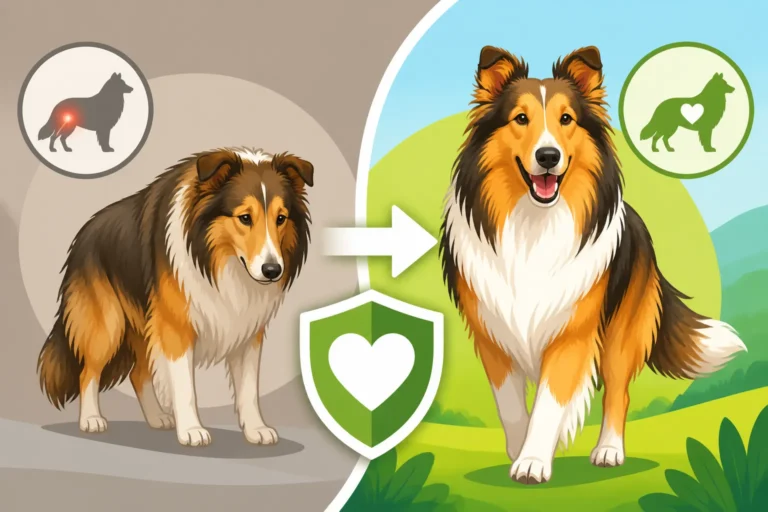
Collie health changes since the 1980s, detailing genetic breakthroughs for drug sensitivity, eye anomaly, and puppy exams.

Collie breeder participation in health registries like the Orthopedic Foundation for Animals provides verifiable screening data for inherited conditions.

Collie health records and the Collie Club of America explain why the national breed organization does not publish individual test results.
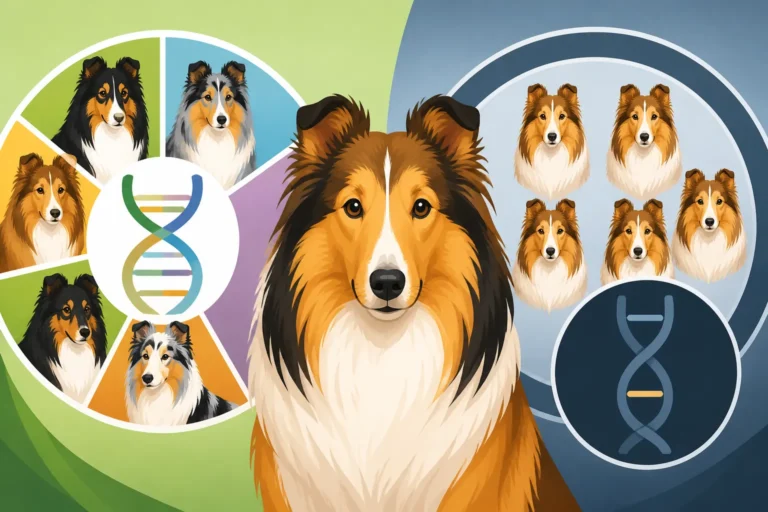
Breeding only clear Collies can shrink the gene pool, impacting genetic diversity and increasing risks for conditions like the MDR1 mutation.

Clear-tested Collie parents can still produce affected puppies because genetic test panels only screen for specific mutations.

Collie genetic testing capabilities and limitations, explaining which single gene health conditions DNA tests can actually detect.

Collie eye health screening compares DNA testing methods with traditional physical exams by veterinary ophthalmologists.
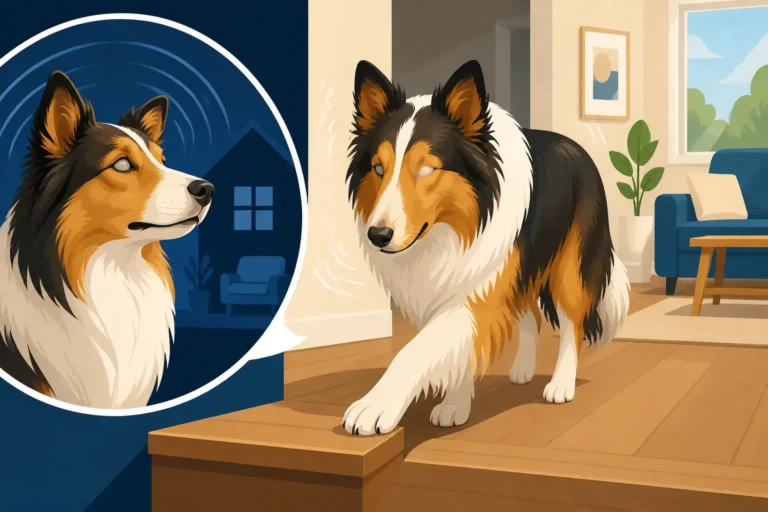
Dogs losing sight sharpen smell, hearing and touch, reading air currents, footstep vibrations and scents to navigate; empathetic steps help them thrive at home.
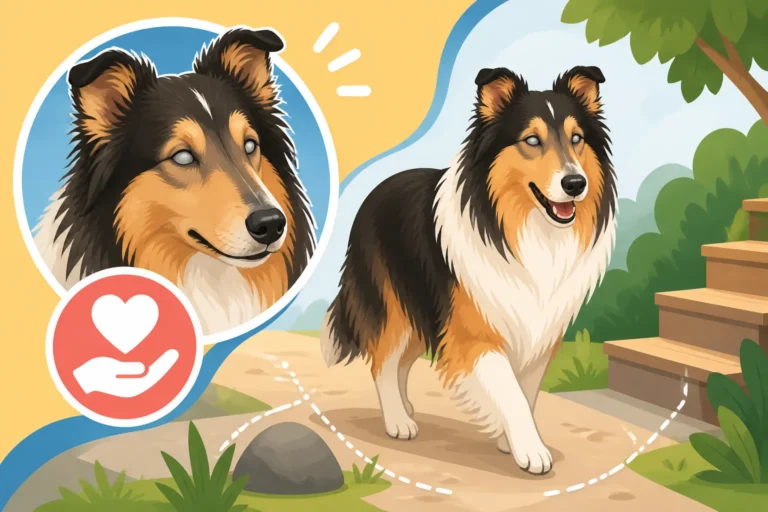
Genetic conditions like Collie Eye Anomaly and Progressive Retinal Atrophy cause blindness in dogs, showing how blind Collies cope.

Collie puppy eye exam costs and pricing factors explained, detailing the five to seven week screening window for congenital abnormalities.