Where a Collie’s Petticoat Sits
One of the most charming, yet often misunderstood, aspects of a Rough Collie's magnificent coat is the "petticoat." If you've ever found yourself wondering exactly where this delightful fluffy area is, or why it matters for grooming and overall health, you're not alone. Many new Collie owners, and even some seasoned ones, can get a bit lost in the rich terminology surrounding this breed's lavish locks. This guide aims to clear up all the confusion, pinpointing the petticoat's precise location, explaining its significance, and detailing how to keep it in prime condition.
Understanding the Collie's Magnificent Double Coat
Before we dive specifically into the petticoat, it's crucial to understand the foundation of the Rough Collie's coat – its double-layered structure. This isn't just about looking pretty; it's a marvel of natural engineering, perfectly adapted to protect these dogs from a variety of weather conditions. Without appreciating the coat's basic design, it's hard to truly grasp the function and care of individual sections like the petticoat.
The Two Layers: Guard Hairs and Undercoat
Imagine trying to keep warm and dry on a blustery Scottish hillside – that's the kind of environment the Collie's ancestors were bred for. Their coat is their natural defense, consisting of two distinct layers.
First, you have the outer coat, often referred to as guard hairs. These hairs are long, harsh, and straight, and they're what you primarily see and feel. Think of them like the roof shingles on a house – they're designed to shed water, block wind, and protect the softer underlayers from physical damage. When your Collie runs through wet grass, these guard hairs are the first line of defense, keeping the moisture from penetrating directly to their skin. They're glossy and resilient, giving the Collie its characteristic flow and elegant silhouette. A healthy outer coat will feel somewhat stiff to the touch, not soft or woolly, which is a common misconception for a long-haired dog.
Beneath this protective outer layer lies the undercoat. This is the secret to a Collie's insulation. The undercoat is soft, dense, and wonderfully fluffy, providing an incredible amount of warmth in cold weather and actually helping to insulate against heat in warmer climates by creating an air barrier. It's like the thick, downy insulation in your winter jacket. During certain times of the year, particularly in spring and fall, your Collie will "blow" this undercoat, shedding massive amounts of it to prepare for the changing seasons. This is why you'll suddenly find tumbleweeds of Collie fur rolling across your floor. This dense undercoat, while amazing for insulation, is also the primary culprit behind matting if not properly maintained. It traps loose hairs and can quickly become a tangled mess if left unchecked, especially in areas where friction is common.
Why the Coat Structure Matters for Grooming
The very existence of these two distinct layers dictates how we approach Collie grooming. You can't just brush the surface and expect to reach the root of most coat problems. Effective grooming means working through both layers to keep them healthy and separated.
If you only brush the top guard hairs, you're missing the entire dense undercoat beneath. This is where mats form, often starting close to the skin and growing outwards. These hidden mats can pull on the skin, causing discomfort, pain, and even skin infections if moisture gets trapped underneath. It’s like trying to clean a carpet by only vacuuming the very top fibers while all the dirt and debris stay packed deep within. To properly groom a Collie, you must learn to "line brush" or "pin brush" in sections, lifting the outer coat to work on the undercoat closer to the skin. This ensures that old, dead undercoat is removed, preventing mats and allowing air to circulate, which is vital for skin health. Many owners underestimate this, leading to frustration and discomfort for their dog.
Consider a real-life scenario: you've taken your Collie, Bonnie, for a lovely walk through the woods. She romps and rolls, picking up twigs and burrs. If her double coat isn't brushed properly, those little bits of debris can migrate deep into the undercoat, especially around her legs and belly. Over time, as she moves and the coat rubs, these foreign objects combined with shed hair can quickly felt into painful mats. When you eventually try to brush her, you find resistance and maybe even a yelp. This is a clear sign that the deeper undercoat, and not just the surface, needs regular, thorough attention. Investing in the right tools and knowing how to use them is paramount.
Deconstructing Collie Coat Terminology: What's a Petticoat Anyway?
The language we use to describe a Collie's coat can sometimes feel like a secret code. "Mane," "frill," "breeches," "feathering"—it's a lot to take in! Among these terms, "petticoat" is one that often causes confusion. Let's break it down and make it crystal clear.
The "Frill" Versus the "Petticoat"
A common point of confusion for many Collie enthusiasts is distinguishing between the "frill" and the "petticoat." While both refer to areas of abundant, flowing hair, they are located in different parts of the dog. Think of it this way: the frill is like a magnificent scarf, while the petticoat is more akin to a voluminous skirt.
The frill refers to the dense, profuse hair that surrounds the Collie's neck and chest, extending over the shoulders. It creates that regal, lion-like appearance that is so characteristic of the breed. This hair can be quite long, often forming a thick ruff that frames the head beautifully. It's a hallmark of the Rough Collie's elegance and often the first thing people notice, along with the length of their muzzle. This area is particularly prone to matting because of constant friction from collars, leashes, and simply the dog's head movements. You can often see the frill proudly displayed when a Collie is standing alert, head held high. It’s a very visually impactful part of their coat, giving them a stately presence. If you want to know more about this specific area, check out What a Collie's Frill Is.
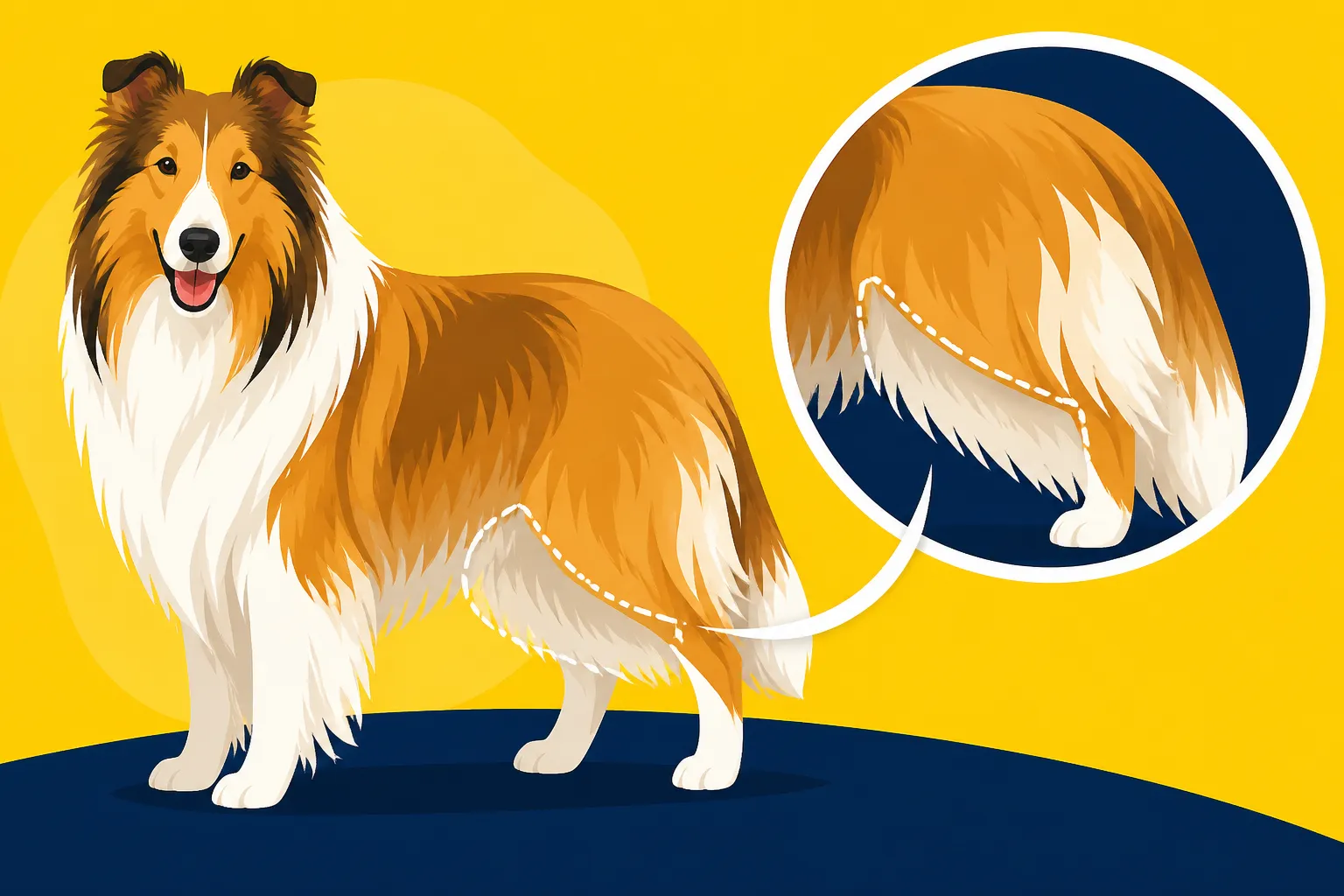
The petticoat, on the other hand, is located further back. It's the long, flowing hair that drapes down from the body, particularly around the flanks and hindquarters, creating a skirt-like effect. It's literally like an old-fashioned petticoat or crinoline under a dress, adding volume and an elegant sweep to the Collie's lower body. While the frill adds majesty to the dog's upper body, the petticoat contributes to the overall balanced silhouette and gives the impression of substantial bone and lush coat density throughout.
Identifying the Petticoat's Location and Characteristics
So, let's get specific: where exactly does this petticoat sit? Imagine looking at your Collie from the side. You'll see the long hair flowing from just behind their front legs, extending along their belly and flanks, and then dropping down beautifully around their hindquarters. This entire region, from the lower chest/ribs, across the belly, and down the back of the thighs, is what constitutes the petticoat.
Characteristically, the hair in the petticoat area is often slightly softer than the harsh guard hairs on the back. It needs to be long and dense to create that full, flowing appearance. The undercoat here is typically very thick, contributing to the volume. When your Collie is in full coat, the petticoat can nearly brush the ground as they walk, especially in a dog with exceptional coat. It should look substantial, giving the dog depth and sweep. When you feel it, you should notice the incredible density, with both the longer outer guard hairs and the soft, abundant undercoat contributing to its plush feel.
A real-life example might be seeing a Collie trot across a lawn; the hair on their flanks and hind legs will sway and flow with each step, creating a graceful, almost ethereal movement. This is the petticoat in action, emphasizing the dog's athleticism and the beauty of its coat. When your Collie lies down, this is the hair that spreads out around them, making them look even larger and more luxurious. This also makes it a prime area for debris collection and matting, as it's often in contact with the ground or other surfaces.
The Petticoat's Role in the Collie's Overall Appearance and Health
The petticoat is far more than just "extra fluff." It's an integral component of the Collie's breed standard, contributing significantly to both its aesthetic appeal and its practical functionality.
Aesthetic Contribution to the Breed Standard
For anyone involved in showing Collies, the petticoat is a crucial element that contributes to the breed's distinctive look and is carefully assessed by judges. The Collie breed standard emphasizes a coat that is "profuse," "dense," and "flowing," and the petticoat is a major contributor to this description. A well-developed, healthy petticoat enhances the overall balance and symmetry of the dog's silhouette.
It provides the illusion of greater substance and depth, making the Collie appear more robust and majestic. Without a full petticoat, a Collie can look leggy or less substantial, lacking that characteristic sweep and flow. When a judge evaluates a Collie, they are looking for a coat that not only has good texture and condition but also provides the correct outlines. The petticoat, along with the frill and feathering, completes this picture, creating the elegant, almost ethereal quality that defines the Rough Collie. It’s not just about length, but about the quality and density of the hair, ensuring it stands off the body slightly to give volume. Imagine a beautiful gown; the petticoat is what gives it its shape and grandeur.
Practical Functions: Protection and Insulation
Beyond aesthetics, the petticoat serves several vital practical functions, rooted in the Collie's working heritage. This thick layer of hair provides essential protection and insulation, much like the rest of the double coat, but with specific benefits for its location.
Firstly, it offers physical protection to the dog's vulnerable flanks and belly. When a Collie is moving through brush, tall grass, or even snow, the dense petticoat acts as a buffer, shielding the delicate skin from scratches, scrapes, and abrasions. Without this protective barrier, the skin in these areas would be far more susceptible to injury. Think of it as natural armor that allows the dog to navigate various terrains without harm.
Secondly, and equally important, the petticoat provides significant insulation. The rich undercoat in this area helps regulate the dog's body temperature. In cold weather, it traps warm air close to the body, keeping the dog cozy. In warmer weather, it acts as a barrier against heat, reflecting sunlight and allowing for air circulation close to the skin, which helps keep the dog cool. It's a common misconception that all that coat makes them hotter; rather, it's a sophisticated temperature control system. This is especially true in the belly region, which often has less fat and is more exposed to ground temperatures. A thick petticoat ensures that vital organs and the lower abdomen remain insulated, whether from freezing ground or hot pavement.
Consider a Collie, Finn, who loves to lie out in the backyard. His petticoat, specifically the hair on his belly and flanks, provides a protective cushion from the elements, whether it's the cool damp grass after a rain shower or the warm concrete on a sunny day. This natural layering helps prevent direct contact with environmental extremes, contributing to his comfort and health. It’s a testament to how every part of the Collie’s coat, including the magnificent petticoat, has evolved for purpose.
Grooming the Petticoat: Keeping it Tangle-Free and Healthy
The petticoat, while stunning, is a prime candidate for matting due to its length, density, and location. It requires specific attention during grooming sessions to keep it healthy, comfortable, and beautiful. Neglecting this area can lead to painful mats that are difficult to remove and can cause skin problems.
Essential Tools and Techniques for the Petticoat
To effectively groom the petticoat, you need the right tools and a systematic approach. Just like an artist needs their specific brushes, a Collie owner needs a dedicated set of grooming equipment.
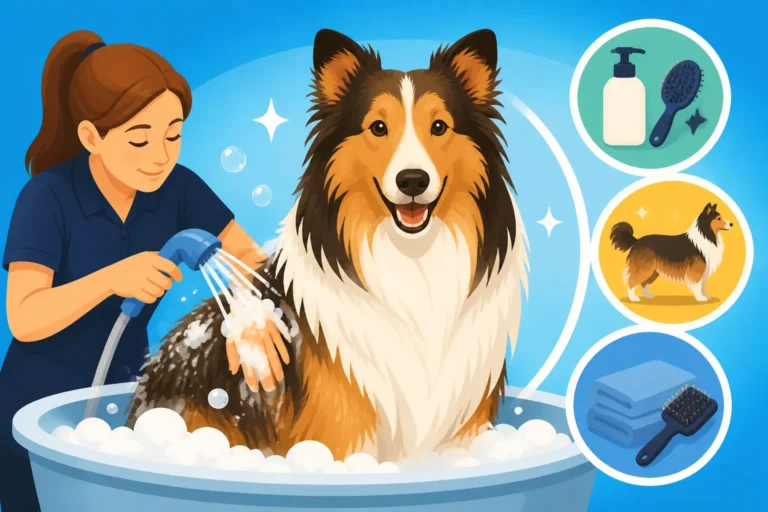
Firstly, a good pin brush is your workhorse for the outer layers and general detangling. Look for one with long, sturdy, smooth-tipped pins that can reach deep into the coat without scratching the skin. For the very dense undercoat in the petticoat, you'll also absolutely need a slicker brush. This brush has fine, bent wires that are excellent at grabbing and pulling out shed undercoat, which is vital in preventing mats from forming deep within. However, use a slicker with caution, as aggressive brushing can cause "brush burn" on delicate skin. Finally, a sturdy metal comb with both wide and narrow teeth is indispensable for checking your work and teasing out smaller tangles. The wider teeth can start on larger areas, and the narrower teeth can get into smaller snags. These are among the Which Four Brushes a Collie Owner Needs that every Collie owner should have.
When it comes to technique, line brushing is key, especially in the petticoat area. This method ensures you reach all the way down to the skin. Here's a step-by-step guide:
- Sectioning: Start by parting the hair near the skin, working in small sections. You can gently hold the top layer of hair up and out of the way with one hand.
- Brush from the bottom up: Using your pin brush or slicker brush, brush downwards (towards the floor) from the exposed skin, working your way through the section of hair you've just created. You want to make sure the brush penetrates all the way to the skin.
- Work across the body: Move systematically across the petticoat area, releasing more hair from your held-up section as you go, and continuing to brush from the skin outwards.
- Comb check: After brushing a section, take your metal comb and run it through the hair. If the comb glides smoothly from root to tip, you've done a good job. If it snags, go back with your brush and work out the tangle.
A real-life scenario might be your Collie, Lassie, lying on her side, comfortable and relaxed. This is the perfect position to access the extensive petticoat. Start near her hip, gently parting the hair and working in manageable strips down her flank and belly. It’s meticulous work, but it’s the only way to ensure every inch of that beautiful petticoat is free of tangles and shed undercoat. Regularity is more important than marathon sessions; short, frequent grooming helps prevent major issues. For a full tutorial, consider learning How to Line Brush a Collie.
Preventing Mats and Managing Seasonal Shedding in the Petticoat Area
The petticoat is a notorious hotspot for matting, particularly behind the elbows, in the "armpits," along the tuck-up (the area where the flank rises to the belly), and on the backs of the thighs. These are areas of high friction where hair is constantly rubbing, folding, and knotting.
Prevention is paramount.
- Regular Brushing: This cannot be stressed enough. Aim for at least 2-3 times a week, and more frequently during coat blow seasons. Consistent, thorough brushing with the right tools, as described above, is your best defense against mats. Don't just brush the surface!
- Spritzing: Before you brush, lightly mist the coat with a detangling spray or a very diluted conditioner. This helps protect the hair from breakage and makes it easier to work through tangles. Avoid brushing a completely dry coat, as this can cause static and further damage. You can find excellent detangling sprays online or at pet supply stores like Chewy.
- Checking High-Friction Areas: Pay extra attention to the areas mentioned above (armpits, tuck-up, behind the ears, hocks). These are often the first places mats begin to form.
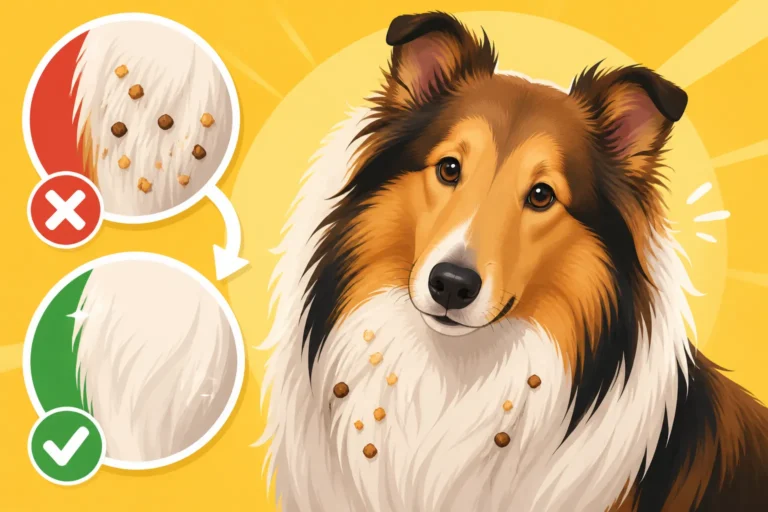
- Post-Walk Check: After walks, especially if your Collie has been romping in tall grass, woods, or muddy areas, quickly run a comb through the petticoat and other feathered areas to catch burrs, twigs, or tangles before they set in.
Managing Seasonal Shedding: Twice a year, typically in spring and fall, Collies undergo a "coat blow," where they shed their dense undercoat in preparation for the new season. This is when the petticoat becomes an absolute fur factory. During these periods, daily brushing is almost essential. A good deshedding tool, like an undercoat rake (used carefully), can help remove the copious amounts of dead undercoat. However, ensure you're removing dead hair, not cutting live hair. This period can last for several weeks, and you'll be amazed at the sheer volume of hair that comes off your dog. If you find the job too daunting, especially during a coat blow, a professional groomer can perform a deshedding treatment that uses specialized shampoos and high-velocity dryers to loosen and remove the undercoat efficiently. This can save your back and your vacuum cleaner!
Common Petticoat Problems and How to Address Them
Despite our best efforts, sometimes problems arise in the petticoat area. Being able to identify these issues early and knowing how to address them can save your Collie discomfort and prevent minor issues from becoming major health concerns.
Matting, Hot Spots, and Skin Irritations
The dense, long hair of the petticoat, combined with its location near the ground and often subjected to friction, makes it susceptible to a few common issues:
- Matting: As discussed, mats are probably the most frequent woe. They occur when shed hair gets tangled with live hair and isn't brushed out. They can start small, as little knots, but quickly grow into dense, felt-like pads that pull on the skin. Mats restrict air circulation, creating a damp, warm environment perfect for bacteria and yeast to flourish.
- Addressing Mats: For small, loose mats, gentle detangling with a comb and your fingers, perhaps with a detangling spray, can work. Always work from the outside of the mat inwards, never pulling directly on the skin. For larger, tighter mats, especially those close to the skin, do not try to cut them out with scissors yourself. This is incredibly dangerous, as it's very easy to accidentally cut your dog's skin, which is often pulled up into the mat. Instead, take your Collie to a professional groomer who has specialized tools, like clippers with a skip-tooth blade, to safely remove the mat. In severe cases, where the matting is extensive and tight, the only humane option might be to clip the entire dog short. While a Collie should generally never be shaved, mats are a medical issue, and removal is sometimes necessary for the dog's comfort and health.
- Hot Spots (Acute Moist Dermatitis): These are raw, red, oozing skin lesions that appear suddenly and can spread rapidly. They are often triggered by something that irritates the skin (like an insect bite, allergy, or even a tiny mat) which the dog then licks, chews, or scratches excessively. The moisture and lack of air circulation in the dense petticoat create an ideal breeding ground for bacterial infections.
- Addressing Hot Spots: If you notice a hot spot, the first step is to carefully trim the hair around the lesion to allow air to reach it and to prevent further matting over the irritated area. Clean the area gently with an antiseptic wash recommended by your vet. Keep the area dry. Your veterinarian will likely prescribe topical treatments, antibiotics, or anti-inflammatory medications. Preventing your dog from licking the area further with an E-collar might be necessary.
- Skin Irritations: Beyond hot spots, various other irritations can occur in the petticoat area, such as contact dermatitis from plants, allergies, or even flea bites. Redness, flakiness, excessive scratching, or small bumps are all signs to look for.
- Addressing Skin Irritations: Regular grooming allows you to spot these issues early. If you notice persistent irritation, a vet visit is essential to determine the cause and get appropriate treatment. For instance, if it's allergies, your vet might recommend antihistamines or special shampoos. Sometimes dietary changes, like switching to a sensitive skin formula from brands like Ollie, can help improve overall skin health.
Addressing Sparse or Damaged Petticoat Hair
A thick, luxurious petticoat is a hallmark of the breed, so when the hair in this area appears sparse, dull, or damaged, it can be concerning. This can be a symptom of underlying health issues or simply reflect inadequate care.
- Nutritional Deficiencies: A healthy coat starts from within. A diet lacking in essential fatty acids (like Omega-3 and Omega-6), vitamins, or quality protein can lead to a dull, brittle, or sparse coat. If your Collie's petticoat isn't as full as it should be, review their diet. High-quality dog foods formulated for coat health, or supplements like fish oil, can make a significant difference. Many premium dog food brands available on Amazon or Chewy offer formulas specifically designed to support skin and coat health.
- Hormonal Imbalances: Conditions like hypothyroidism (underactive thyroid) can manifest as dull, dry, brittle hair, and sometimes symmetrical hair loss, often starting in areas like the flanks and petticoat. If you notice significant changes in your Collie's coat quality or unexplained thinning, especially accompanied by other symptoms like lethargy or weight gain, a veterinary check-up is crucial to rule out hormonal issues. Signs a Collie's Thyroid Is Low is a good resource here.
- Parasites: Fleas, mites, or other external parasites can cause intense itching, leading to excessive scratching and chewing that damages the coat and skin. Regular flea and tick prevention is vital, even for indoor dogs.
- Age: As Collies age, their coat can sometimes change. It might become thinner, coarser, or develop a different texture. This is a natural part of the aging process, similar to how human hair changes. While you can't stop aging, proper nutrition and gentle grooming can help maintain comfort. For more insights, refer to What Changes in an Old Collie's Coat.
- Over-brushing or Incorrect Tools: Believe it or not, too much aggressive brushing with the wrong tools can damage the hair follicles and cause breakage, leading to a thinner appearance. Ensure you're using appropriate brushes and combing techniques to protect the delicate hair.
By being observant and proactive, you can ensure your Collie's petticoat remains a source of beauty and comfort, rather than a grooming nightmare.
The Smooth Collie's Equivalent (or lack thereof) to the Petticoat
When we talk about the "petticoat," we're almost exclusively referring to the Rough Collie. But what about their short-coated cousins, the Smooth Collies? Do they have a petticoat, or something similar? Let's explore the distinctions.
Contrasting Coat Structures of Rough and Smooth Collies
While genetically very similar, sharing the same breed standard except for coat length, the visual difference between a Rough and a Smooth Collie is striking, primarily due to their coats.
The Rough Collie, as we've extensively discussed, boasts a long, flowing double coat with profuse hair all over the body, including the distinctive frill, feathering on the legs, and, of course, the magnificent petticoat. This coat can be several inches long in places, requiring significant grooming to maintain. Its purpose was historically to protect working dogs from harsh weather in the Scottish highlands.
The Smooth Collie, on the other hand, possesses a short, dense, and close-lying double coat. The outer coat is harsh and straight, but it's significantly shorter than the Rough's, typically only an inch or two long at most. They still have an undercoat, but it's much less voluminous and dense than a Rough Collie's. Imagine a Labrador Retriever's coat, but perhaps a bit thicker and with a slightly coarser texture. The lack of long guard hairs means they don't develop the dramatic frill, the extensive feathering on the legs, or the flowing petticoat that defines the Rough variety. Their silhouette is sleeker and more streamlined. Despite the difference in appearance, they are fundamentally the same breed, and litters can even contain both coat types if the parent dogs carry the recessive long-hair gene. For a deeper dive into their differences, consult What Separates a Rough Collie From a Smooth.
Grooming Implications for the Smooth Collie's Undercarriage
Because Smooth Collies lack the long, flowing hair of a petticoat, the term itself doesn't apply to them in the same visual or practical sense. You won't find sweeping hair around their flanks and hindquarters. However, this doesn't mean their undercarriage is entirely maintenance-free.
While they won't develop the same type of mats that plague Rough Collies, their shorter, dense coat still has an undercoat that sheds. During seasonal coat blows, Smooth Collies will still shed a considerable amount of hair, though it tends to be less dramatic than their Rough counterparts. Regular brushing, even for a short-coated dog, is important to remove dead hair, stimulate circulation, and keep their skin healthy. A rubber curry brush or a shedding blade is often effective for Smooth Collies, helping to pull out loose undercoat.
The areas where a Rough Collie would have a petticoat—the flanks, belly, and hindquarters—still need attention on a Smooth Collie. These areas can still get dirty, pick up burrs or debris (though they're less likely to get entangled), and are susceptible to skin irritations or hot spots, particularly if the dog is prone to allergies or spends a lot of time on damp surfaces. You might not be brushing a flowing petticoat, but you're still brushing a dense, protective coat that requires care.
A Smooth Collie owner still needs to check their dog's skin regularly, especially in these lower body areas. Look for any redness, bumps, flakiness, or signs of irritation. Just because the hair is short doesn't mean problems can't hide beneath. For instance, after a romp in the mud, cleaning the belly and hindquarters of a Smooth Collie is just as important as on a Rough, even if the drying time is much shorter. While the grooming routine is certainly less intensive, it's still an essential part of their care. If you're wondering if a Smooth Collie needs brushing at all, the answer is still yes – just different tools and techniques! Whether a Smooth Collie Needs Brushing at All delves into this further.
Below is a table summarizing the distinct characteristics and locations of various prominent coat sections on a Rough Collie:
| Coat Section | Primary Location | Hair Characteristics | Grooming Importance |
|---|---|---|---|
| Mane | Over the shoulders, extending into the frill | Long, dense, often coarser guard hairs | Adds volume, prone to friction mats. |
| Frill | Around the neck and chest, framing the head | Profuse, long, flowing, often softer undercoat | Iconic feature, very prone to matting from collars. |
| Petticoat | Flanks, belly, and back of hindquarters | Long, dense, flowing; thick undercoat | Creates "skirt" effect, prone to dirt, debris, mats. |
| Feathering | Back of forelegs and hind legs, tail | Longer, softer hair, can be quite fine | Enhances elegance, catches burrs and tangles easily. |
| Outer Coat | Body, back, top of head | Long, harsh, straight guard hairs | Weather protection, sheds water, defines color. |
| Undercoat | Beneath outer coat, all over body | Soft, dense, woolly; provides insulation | Key to warmth/cooling, source of mats, seasonal blow. |
Disclaimer
This article is for general informational purposes only and does not constitute professional advice. Laws, prices and regulations vary by location and change over time. Consult a qualified professional for guidance on your specific situation.