Whether Trimming a Collie’s Whiskers Is Acceptable
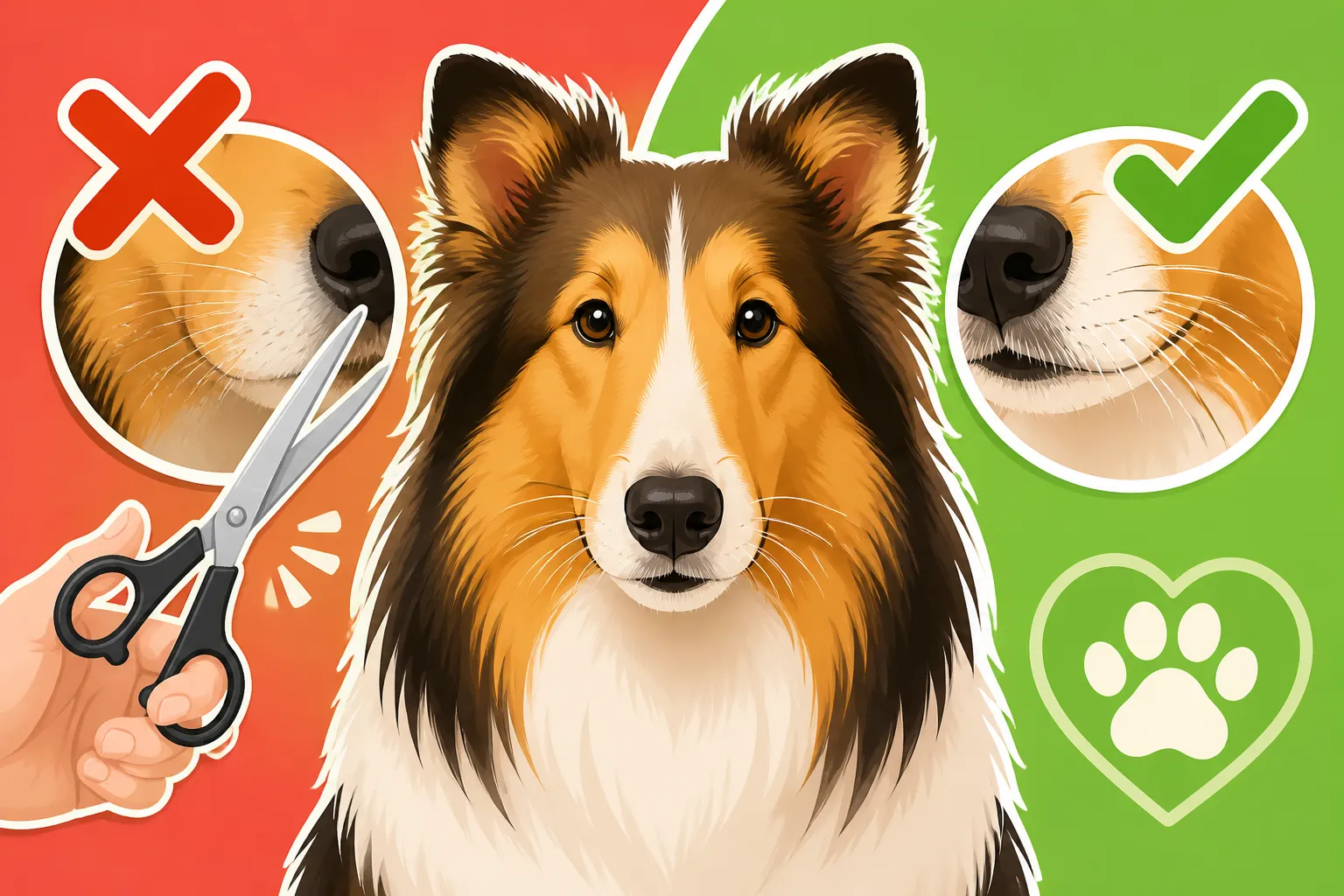
Oh, the age-old question that pops up in grooming discussions – should we trim a Collie's whiskers? It's a natural thought for many dog owners, especially when we strive for that perfectly coiffed look, or perhaps notice a few stray hairs that seem out of place. But let me tell you, when it comes to our beloved Collies, those whiskers are far more than just hair; they are vital sensory organs, and understanding their importance is key to providing the best care for your furry family member. This guide will dive deep into why those whiskers are so crucial and why, in nearly all cases, they should be left completely untouched.
The Anatomy of a Collie's Whiskers: More Than Just Hair
When you look at your Collie's beautiful face, you see those long, stiff hairs protruding from their muzzle, above their eyes, and sometimes on their chin. These aren't just decorative strands; they are highly specialized sensory tools, scientifically known as vibrissae. Unlike the soft, flowing hair of their double coat, whiskers are much thicker, more rigid, and deeply embedded in their skin. This anatomical difference is a huge clue to their purpose and importance.
Sensory Organs: A Collie's Built-in Radar
Imagine walking into a completely dark room. You might instinctively reach out your hands to feel your way around, avoiding obstacles. Your Collie has a similar, built-in system, and those whiskers are a huge part of it. Each whisker is connected to a dense network of nerves and blood vessels at its base, making them incredibly sensitive to touch and even subtle changes in air currents. When a whisker brushes against something, or even when air currents shift around an object, that information is immediately transmitted to your Collie's brain.
Think of it as their personal, highly refined radar system. This sensory input helps them map out their immediate surroundings, especially in low light conditions where their vision might not be as sharp. A Collie might use their whiskers to gauge the distance to a doorway, assess the height of a step, or even determine if they can fit through a narrow gap, all without actually making physical contact. This isn't just about detecting what they touch; it’s about sensing what's near them. It's a continuous stream of information that allows them to move confidently and safely through their world. Without this feedback, they could become disoriented, anxious, and more prone to bumping into things.
Communication and Navigation: How Collies Use Their Whiskers
Beyond just acting as a radar, whiskers play a significant role in how your Collie communicates and navigates their environment. Observe your Collie closely, and you might notice their whiskers subtly shifting depending on their mood or curiosity. When they're alert and investigating something new, their whiskers might fan forward, acting like an extension of their inquisitive nose. If they're feeling uncertain or submissive, you might see their whiskers pulled back tighter against their face. They are a subtle, yet effective, part of their body language.
In terms of navigation, these vibrissae are indispensable for judging distances, especially for close-up tasks. Consider your Collie taking a treat gently from your hand, or sniffing a new scent on the ground. Their whiskers help them precisely locate and interact with objects right in front of their face. This is particularly crucial for a breed like the Collie, with their long muzzle and lush facial hair, which can sometimes partially obstruct their direct line of sight in their immediate vicinity. They use their whiskers to protect their eyes and face from potential hazards, acting as an early warning system before their sensitive tissues come into contact with something. It allows them to approach, explore, and react with a level of precision that would be impossible without these natural tools.
Why Owners Consider Trimming Whiskers And Why They Shouldn't
It’s completely understandable for Collie owners to want their dogs to look impeccably groomed, reflecting the regal beauty of the breed. We fuss over their coats, their paws, and their overall presentation. However, this desire for neatness can sometimes lead to questions about features that are best left untouched, like whiskers. It's important to differentiate between cosmetic grooming and necessary care that supports your Collie's natural abilities.
The Aesthetic Argument: A Misguided Notion
One of the primary reasons an owner might consider trimming their Collie's whiskers is purely for aesthetics. Perhaps they want a "tidier" or "cleaner" facial profile, believing that those long, stiff hairs disrupt the otherwise elegant lines of their Collie's face. You might see a whisker sticking out a bit awkwardly and think, "A quick snip will fix that right up!" This often stems from an unfamiliarity with the functional purpose of whiskers, assuming they are just like any other hair on the body – purely cosmetic and thus disposable for the sake of a perfect appearance.
Some owners might be influenced by grooming trends for other breeds, or even by a general desire for uniformity. They might look at a show Collie and think every hair is perfectly in place, including the whiskers. However, responsible show grooming standards for Collies (and most breeds) strictly prohibit trimming whiskers, precisely because of their sensory importance. The impulse to neaten the face is usually well-intentioned, aiming for what we perceive as perfection, but it overlooks the crucial biological role these whiskers play in your Collie's daily life and well-being. It's a classic case of human preference potentially overriding a dog's natural design and needs.
The Health and Well-being Impact of Trimming
This is where the rubber meets the road. Trimming your Collie's whiskers is not merely a cosmetic alteration; it's a significant sensory deprivation that can have profound, negative impacts on their health, confidence, and overall well-being. Imagine suddenly losing a crucial sense – how disorienting and vulnerable you would feel. That's what happens when a Collie's whiskers are trimmed.
Without their whiskers, your Collie loses a significant portion of their ability to perceive their immediate environment. They might become hesitant and less confident, especially when navigating in low light, unfamiliar places, or even just moving around furniture in their own home. They could start bumping into objects, misjudging distances, and generally becoming clumsier. This isn't just an inconvenience; it can cause anxiety, stress, and a loss of confidence in a dog who suddenly finds their "built-in radar" disabled.
Furthermore, whiskers also play a protective role. They serve as an early warning system, detecting obstacles before they make contact with sensitive areas like the eyes or nose. Removing them leaves these delicate areas more exposed to accidental bumps, scrapes, or even injuries. It can impair their ability to interact with other dogs, as they use whiskers as part of their subtle communication cues. It's a disruption to their natural awareness and can genuinely diminish their quality of life. For their sake, these vital sensory tools should always be left intact.
The Ethos of Collie Grooming: Respecting Their Natural Design
Caring for a Collie involves understanding and respecting their unique characteristics, both physical and behavioral. Grooming, while a significant undertaking for a Rough Collie, should always align with practices that promote their health, comfort, and natural abilities, rather than compromising them for superficial reasons. The focus should be on enhancing their well-being, not altering their essential sensory equipment.
Focusing on Essential Grooming: What a Collie Actually Needs
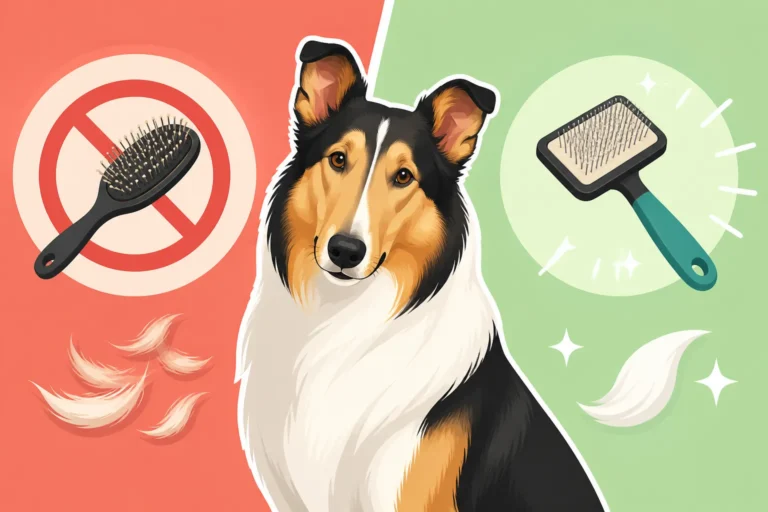
When it comes to Collie grooming, your energy and attention are best directed towards their magnificent double coat, which truly requires dedicated care. Regular, thorough brushing is absolutely paramount to prevent mats, tangles, and skin irritations, especially in those dense areas like the mane, frill, and the feathery "petticoats" on their legs. Without this regular attention, a Collie's coat can quickly become a matted mess, leading to discomfort and even painful skin infections. Many experienced owners rely on a variety of brushes and combs to get through the thick undercoat and maintain the luxurious topcoat. You might find guidance in articles like Four Tools and Twenty Minutes: Brushing a Rough Collie or How Often a Rough Collie Should Be Brushed to truly master this aspect of their care. When their coat blows, as it does twice a year, the shedding can be immense, requiring even more vigilant brushing to manage the loose hair and keep their skin healthy.
Beyond their coat, other essential grooming tasks include maintaining their nails to a proper length to prevent discomfort and potential paw problems. Their ears need regular checks for cleanliness to ward off infections, and dental hygiene is crucial for their overall health. These are the practical, health-focused aspects of grooming that truly make a difference in your Collie's daily comfort and long-term well-being. You can stock up on all the necessary tools for these tasks, from quality brushes to nail grinders and ear cleaners, from trusted online retailers like Chewy or Amazon. These investments are far more beneficial than contemplating any alteration to their natural sensory functions.
When Professional Groomers Address Facial Hair And What to Ask
It's true that professional groomers do perform specific services around a Collie's face, but these are distinctly different from trimming whiskers. Sometimes, the long hair, or "furnishings," around a Collie's eyes can grow long enough to poke into their eyes or obstruct their vision, causing irritation or making it hard for them to see clearly. In these instances, a skilled and knowledgeable groomer will very carefully use blunt-nosed scissors to trim only this problematic hair, ensuring it doesn't bother the Collie's eyes. This is a precise task aimed at comfort and vision, not at altering sensory organs. It's about safety and clarity, not aesthetics.
When you entrust your precious Collie to a professional groomer, it's always a good idea to communicate your preferences clearly, even if the groomer is experienced with the breed. A simple, polite request like, "Please make sure not to trim their whiskers, as they're very important for their senses," can reinforce your understanding and ensure your wishes are met. Most reputable groomers are well aware of the importance of vibrissae and wouldn't consider trimming them, but clear communication never hurts. If you're unsure about what other types of trimming might be considered acceptable or necessary for your Collie's health and comfort, a quick chat with your groomer or vet can clarify things. For example, some may need a light trim around their sanitary areas for hygiene, but this is always distinct from their essential facial whiskers.
When investing in your Collie's care, consider the long-term impacts of all your choices, from the food you choose – perhaps a high-quality option from a brand like Ollie – to the grooming tools you buy from sites like Amazon. Every decision should prioritize their health and happiness.
Here's a quick overview of acceptable vs. unacceptable facial grooming practices for your Collie:
| Facial Area / Feature | Acceptable Grooming Practice | Unacceptable Grooming Practice | Rationale |
|---|---|---|---|
| Whiskers (Vibrissae) | None | Trimming, clipping, or removing | Critical sensory organs for navigation and awareness. |
| Hair around Eyes | Carefully trim long hair that obstructs vision or causes irritation. | Excessive trimming, cutting too close, or removing protective hair. | Ensures clear vision and prevents irritation without impacting sensory function. |
| Muzzle Hair (General) | Brushing to keep clean and untangled. | Trimming or shaving for aesthetic reasons. | Maintains natural appearance; general muzzle hair does not have the same sensory function as whiskers, but shouldn't be altered. |
| Ear Hair (Outer Flap) | Brushing, checking for cleanliness. | Shaving or excessive trimming, unless medically necessary. | Maintains natural ear structure and protection. |
| Ear Hair (Inner Canal) | Only remove by a veterinarian if causing a health issue (e.g., recurrent infections). | Plucking or cutting by owner/groomer without veterinary guidance. | Protects sensitive inner ear structures and prevents trauma. |
Ultimately, true Collie care means embracing their natural form and providing them with what they need to thrive. Let their whiskers be, and instead, focus on making their beautiful coat shine!
Disclaimer
This article is for general informational purposes only and does not constitute professional advice. Laws, prices and regulations vary by location and change over time. Consult a qualified professional for guidance on your specific situation.