Whether a Collie Carries an Odor
If you're a Collie owner, you've probably wondered if your magnificent, fluffy friend naturally carries a scent. It's a common question, and one that often causes a little anxiety, especially when you encounter that distinctive "dog smell" that sometimes seems to linger a bit too much. The truth is, all dogs have a natural scent, but a truly unpleasant odor in a Collie usually points to something specific that needs your attention, rather than just being a permanent part of their charm. This guide will walk you through what's normal, what's not, and how to keep your Collie smelling fresh and healthy.
Understanding the Collie's Natural Scent Profile
It's easy to assume that a dog with such a dense, luxurious double coat as a Collie would naturally be a bit more "fragrant" than, say, a short-haired terrier. While there's a kernel of truth to the idea that more fur means more surface area for scents to accumulate, a healthy Collie shouldn't reek. There's a big difference between a clean, slightly doggy scent and a foul, persistent stench.
What "Dog Smell" Really Means for a Collie
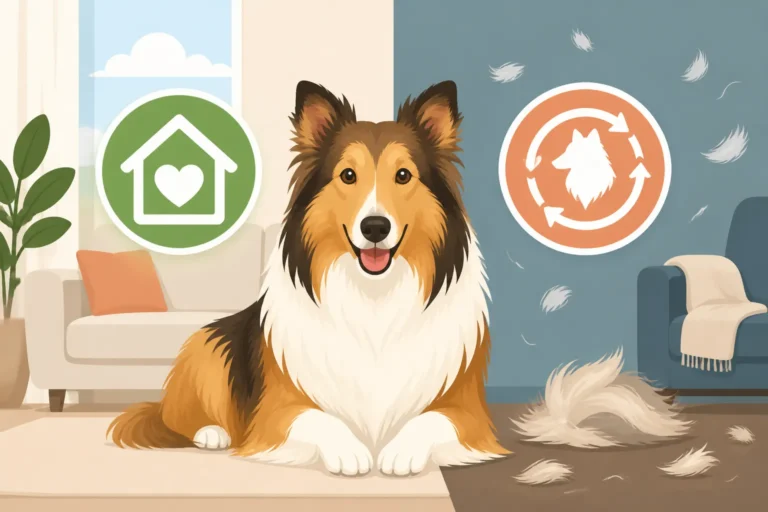
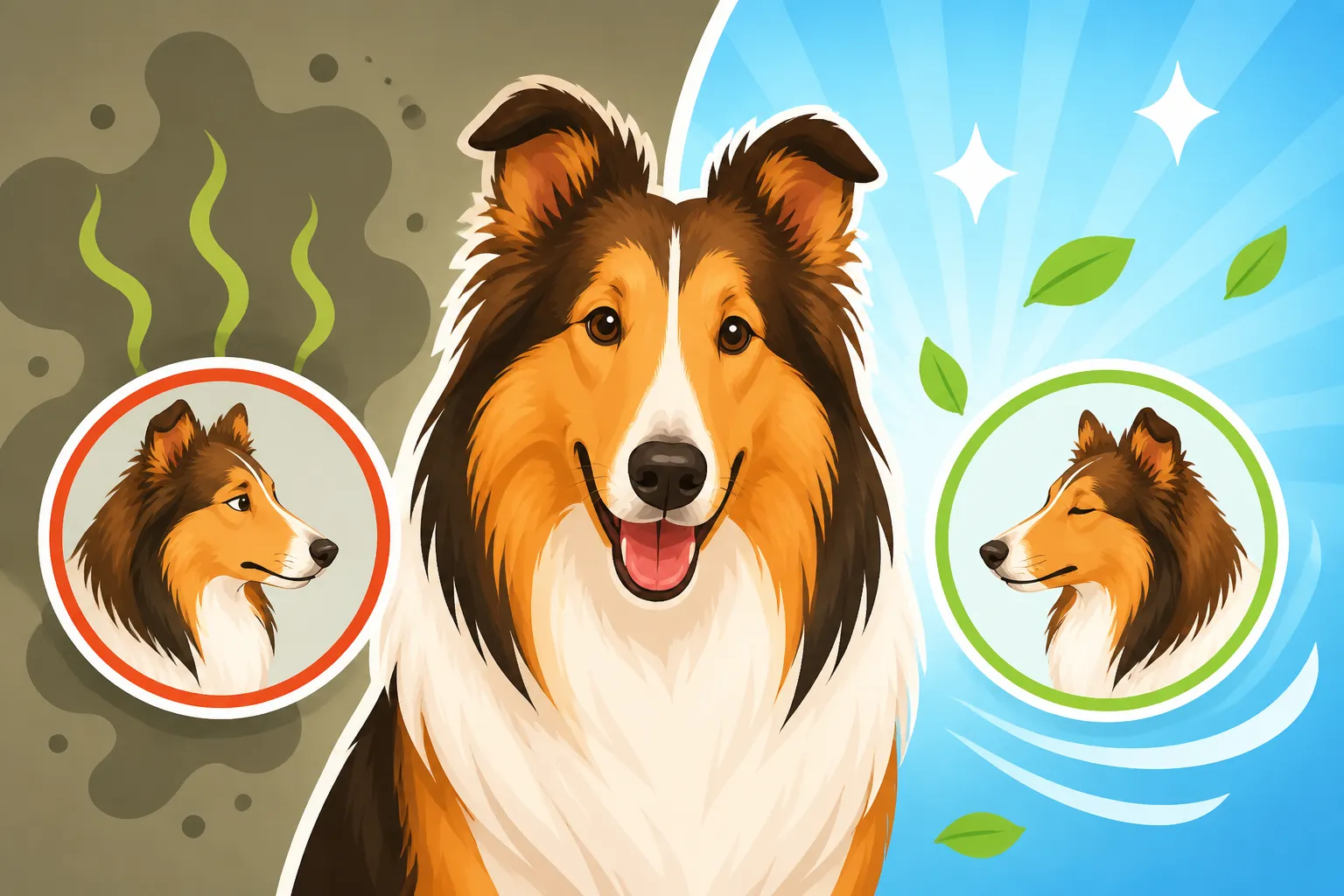
Let's be realistic: no dog smells like roses all the time. Your Collie, with their long, flowing coat, will have a natural canine odor. This is often a mild, musky scent that's completely normal and usually only noticeable when you bury your face in their fur (which, let's face it, we all do!). This smell comes from the natural oils produced by their skin and coat, designed to keep their fur healthy, waterproof, and protected. It's part of being a living, breathing creature.
The key is to distinguish this natural, healthy aroma from an actual problem. If you pick up your Collie and think, "Hmm, they smell like a dog," that's probably fine. If you walk into a room and think, "My dog smells awful and I can't figure out why," then it's time to investigate. The sheer volume of their coat can sometimes make any existing odor seem more pronounced, simply because there's more of it to absorb and release smells.
Factors Influencing a Healthy Collie's Aroma
Even a healthy Collie's natural scent can vary slightly based on several factors. It's like how different people have slightly different natural body odors.
- Diet: What goes in often comes out, not just in obvious ways, but in subtle changes to skin and coat health. A high-quality diet, rich in essential fatty acids, can contribute to a healthier skin barrier and less noticeable odor. Conversely, a poor diet might lead to drier skin, excessive oil production, or even allergic reactions that manifest as skin issues and a less pleasant smell. Brands like Ollie, which focus on fresh, human-grade ingredients, often report improvements in coat health and reduced "doggy" odors from their customers.
- Environment: Where your Collie spends their time directly affects how they smell. If they love to roll in the dirt, play in puddles, or snuggle in their favorite (unwashed) dog bed, they're going to pick up those smells. A clean living environment for your dog means a fresher-smelling dog. Think about it: if your own clothes weren't washed, you'd eventually smell, right? It's the same principle for your Collie's environment.
- General Health: A dog in good overall health tends to have a healthier coat and skin, which means a less intrusive natural scent. Any underlying health issues, even subtle ones, can sometimes alter their body chemistry and the oils on their skin, contributing to a different or stronger smell.
- Coat Type: While both Rough and Smooth Collies are the same breed, the sheer volume and length of a Rough Collie's coat mean there's more fur to potentially hold onto environmental smells or trap moisture. However, a well-cared-for Smooth Collie can also develop an odor if underlying issues are present.
Common Culprits Behind Unpleasant Collie Odors
When your Collie's scent goes beyond "just doggy" to genuinely "stinky," it's almost always a sign of a specific problem. Pinpointing the source is the first step to solving it. It's often not that the Collie has an odor, but that something is causing the odor.
The Usual Suspects: Skin, Coat, and Environmental Factors
Many common odor issues are external and often easily resolved with good grooming and attention.
- Matted Fur and Trapped Dirt: This is a huge one for Rough Collies. Their thick double coat is prone to matting if not brushed regularly. Mats don't just look bad; they trap dirt, debris, moisture, and dead skin cells right against the skin, creating a perfect breeding ground for bacteria and yeast. This buildup can produce a strong, sour smell. Imagine wearing a thick, dirty sweater for weeks without washing it – that's what matted fur can be like for your dog. For more on preventing this, check out How Often a Rough Collie Should Be Brushed.
- Wet Coat Woes: Oh, the dreaded "wet dog smell"! It's a classic, and Collies are no exception. Their dense coats absorb a lot of water, and if not dried thoroughly, that trapped moisture allows bacteria and yeast to flourish, creating that unmistakable damp, musty odor. This is particularly noticeable if they've been swimming or playing in the rain and then allowed to air-dry indoors. We've all been there, and it's a smell that can permeate a house quickly! Read Whether a Collie Smells When Wet for a deeper dive into this.
- Allergies and Skin Irritations: Collies, like many breeds, can suffer from allergies (environmental, food, or flea). Allergies often lead to itchy, inflamed skin, which the dog might scratch or chew excessively. This trauma can break the skin barrier, leading to secondary bacterial or yeast infections. These infections, whether visible or hidden under the thick coat, produce a very distinct, often cheesy or sweet, foul odor. Whether a Collie Gets Skin Infections Under Its Coat delves into how these can occur.
- Rolling in the Unsavory: Let's be honest, dogs have a strange appreciation for truly disgusting smells. Fox poo, dead critters, stagnant water – if it smells awful to us, a dog might find it irresistible to roll in. If your Collie suddenly develops an overpowering stench after being outside, this is probably the culprit. A good bath is usually the immediate solution, but understanding their penchant for these odiferous delights helps you manage their outdoor adventures.
Unseen Issues: Dietary and Internal Health Concerns
Sometimes, the smell isn't just on the surface but emanates from deeper within, indicating an internal health matter.
- Anal Gland Issues: This is a very common source of potent, fishy odor in dogs. Dogs have two small anal glands on either side of their anus, which usually express naturally when they defecate. If these glands become impacted, infected, or overfilled, they can leak or need to be expressed, releasing a truly unpleasant smell that can quickly saturate the surrounding fur and air. If you notice your Collie "scooting" their rear end on the carpet, this could be a sign of anal gland discomfort.
- Ear Infections: Collies have floppy ears, which, while adorable, can create a warm, moist environment inside the ear canal – ideal for yeast and bacteria to grow. An ear infection often produces a strong, sweet, or yeasty odor, sometimes accompanied by discharge, redness, or constant head shaking. Whether a Collie's Ears Need Cleaning offers tips on preventing these issues.
- Dental Disease: Just like in humans, poor dental hygiene in dogs can lead to halitosis, or bad breath. Plaque and tartar buildup can harbor bacteria that produce foul odors. If your Collie's breath is strong enough to clear a room, it's time for a dental check-up. This isn't just about smell; dental disease can lead to more serious health problems. The cost of addressing this can be significant, so preventative care is key; What a Collie's Dental Anesthesia Costs More can give you an idea of the expense involved.
- Yeast Overgrowth: Malassezia dermatitis, or yeast infection of the skin, is quite common and causes a distinct musty, sweet, or corn chip-like smell. It often accompanies allergies or moist skin folds. You might see greasy skin, redness, or itching along with the smell.
- Urinary Tract Infections: While not as common a source of overall body odor, a UTI can sometimes contribute to a general "off" smell, especially around the hindquarters, if there's any leakage or frequent urination. It's usually accompanied by behavioral changes like straining or frequent urination.
| Odor Source | Common Scent Description | Key Symptoms | Initial Action | When to See a Vet |
|---|---|---|---|---|
| Matted/Dirty Coat | Musty, sour, earthy | Visible mats, trapped debris, dull coat | Thorough brushing, targeted bath | If skin underneath is irritated/infected |
| Wet Coat | Damp, mildewy, "wet dog" | Coat is visibly damp for too long | Thorough drying with towels/force dryer | If persistent despite drying, suspect skin infection |
| Skin Infections | Yeasty (corn chips), sweet, pungent | Redness, itching, greasy skin, hair loss | Medicated bath (as directed) | Immediately, especially if severe or spreading |
| Anal Gland Issues | Strong, fishy, metallic | Scooting, licking rear, sudden strong odor | Gentle bath, wipe area | If scooting persists, discomfort, or leakage |
| Ear Infection | Sweet, yeasty, foul | Head shaking, scratching ears, discharge | Gentle ear cleaning (if mild) | Immediately, if discharge, pain, or strong odor |
| Dental Disease | Foul, rotten, very strong "bad breath" | Visible tartar, red gums, difficulty eating | Regular teeth brushing | For professional cleaning or extractions |
| Environmental | Whatever they rolled in | Obvious external contamination | Immediate bath with appropriate shampoo | If skin reaction or ingestion suspected |
| Dietary Issues | Sometimes subtle changes, greasy coat | Dull coat, itching, digestive upset | Review food ingredients, switch to high-quality diet | If persistent skin issues or digestive upset |
Practical Strategies for a Fresh-Smelling Collie
The good news is that most Collie odor issues are manageable and even preventable with consistent care. It comes down to a proactive approach to grooming, diet, and general health.
The Power of Proactive Grooming
Your Collie's magnificent coat is their crowning glory, but it's also the biggest magnet for dirt and odors. Regular, thorough grooming is your first and best line of defense.
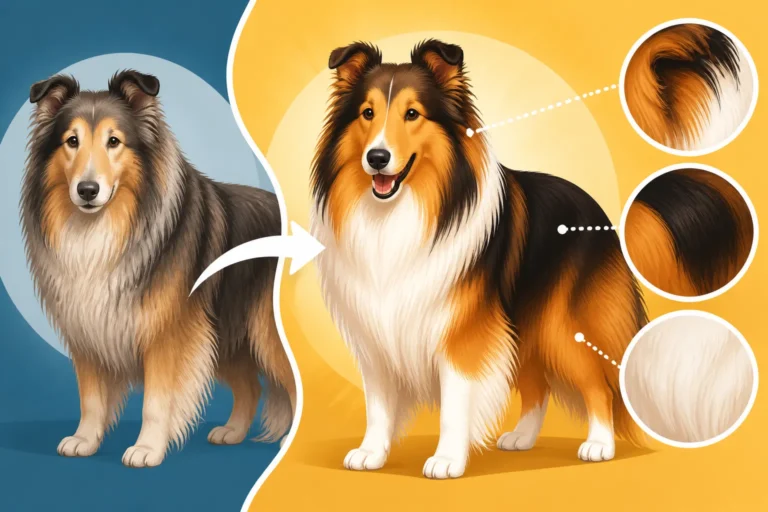
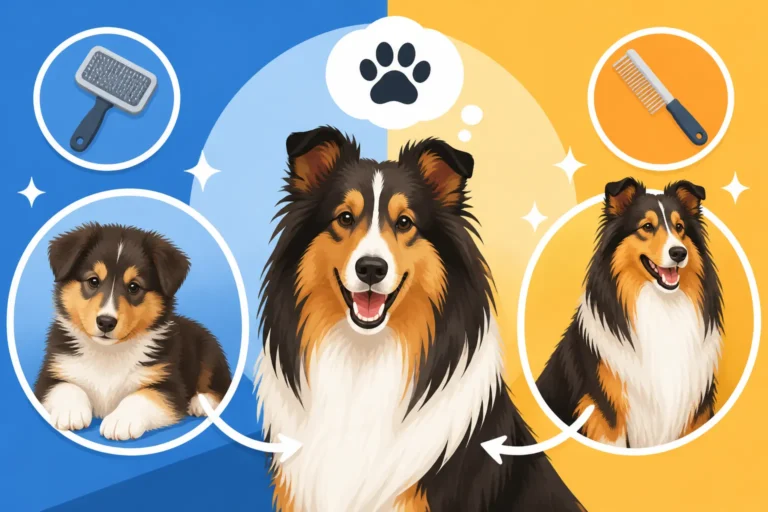
- Daily Brushing (Especially for Rough Collies): This isn't just about aesthetics; it's about health. Daily brushing with the right tools helps prevent mats, removes loose hair, dirt, and dander, and distributes natural oils. For a Rough Collie, aim for at least 15-20 minutes a day, focusing on areas prone to matting like behind the ears, under the legs, and the "petticoat." Using a good quality pin brush, followed by a slicker brush and a steel comb purchased from a reputable retailer like Chewy or Amazon, will make a world of difference. You might be surprised how much dead undercoat comes out, and that dead fur can hold a lot of smell. Check out Which Four Brushes a Collie Owner Needs for essential tools.
- Proper Bathing: While you don't want to over-bathe a Collie, regular baths (typically every 4-8 weeks, or as needed) are essential for removing accumulated dirt, oils, and environmental odors. The key is to use a dog-specific shampoo, lather thoroughly, and rinse even more thoroughly. Residue left in the coat can irritate the skin and actually attract more dirt, contributing to odor.
- Thorough Drying is Non-Negotiable: After a bath or a romp in the rain, your Collie must be dried completely, right down to the skin. This is where a high-velocity dryer can be a game-changer. It blasts water out of the undercoat, preventing moisture from lingering and leading to that dreaded mildewy smell. If you rely on air-drying or just towel-drying, you risk leaving dampness deep in their coat, inviting bacterial and yeast growth. Bathing a Collie Without Wrecking the Coat provides a detailed guide to this process.
- Professional Grooming: If you find yourself overwhelmed by the sheer volume of fur, or if mats have developed beyond what you can comfortably tackle, don't hesitate to take your Collie to a professional groomer. They have the tools and expertise to safely handle thick coats and address specific issues. A professional deshedding treatment can significantly reduce loose hair and improve coat health, cutting down on odor sources. This may be covered in What a Collie's Deshedding Treatment Costs.
Diet, Environment, and Routine Care
Grooming is vital, but a holistic approach to your Collie's well-being contributes to a fresher scent.
- High-Quality Diet: As mentioned before, diet plays a significant role. Opt for a premium dog food with real meat as the first ingredient and without excessive fillers or artificial additives. A diet rich in Omega-3 and Omega-6 fatty acids supports healthy skin and a shiny coat, which can minimize that "doggy" oil smell. Exploring options on Chewy or even fresh food delivery services like Ollie can offer excellent nutritional support.
- Clean Living Spaces: Regularly wash your Collie's bedding, blankets, and any soft toys they frequently interact with. These items absorb oils and smells from their coat and can quickly become a source of odor themselves. Keeping your home clean, especially floors and carpets where your Collie spends time, will also help prevent odors from settling in.
- Regular Vet Check-ups: Routine veterinary visits are crucial for catching underlying health issues before they become severe and odorous. Your vet can advise on preventative care, dental hygiene, and general health, all of which contribute to your Collie's overall "freshness."
- Hydration: Ensure your Collie always has access to fresh, clean water. Good hydration supports overall bodily functions, including skin health.
Addressing Specific Problem Areas
Some areas of your Collie's body are more prone to developing odors and require specific attention.
- Ears: Check your Collie's ears weekly. If you notice any redness, discharge, or a foul odor, it could be an infection. Clean them gently with a vet-approved ear cleaner, but if an infection is suspected, consult your vet immediately. Regular, gentle cleaning can prevent many issues.
- Teeth: Implement a regular dental hygiene routine. Brushing your Collie's teeth a few times a week with dog-specific toothpaste can prevent plaque buildup and keep their breath fresh. Dental chews and water additives can help, but brushing is the gold standard.
- Paws: Collies can get debris and moisture trapped between their paw pads. Keep the fur trimmed in this area to prevent matting and trapped moisture, and check their paws regularly for cuts, infections, or foreign objects, all of which can cause smells.
When to Seek Professional Veterinary Advice
While many odors can be resolved with good home care, there are times when a persistent or unusual smell signals a deeper problem that requires veterinary attention. Don't play guessing games with your Collie's health.
Recognizing Red Flags and Persistent Odors
How do you know when a smell is more than just a typical "wet dog" or "needs a bath" situation? Look for these signs:
- Persistent and Foul Odor: If your Collie still smells bad even after a thorough bath and drying, or if the smell returns very quickly, it's a red flag. A truly foul, pungent, or unusually sweet smell that you can't identify is concerning.
- Accompanying Symptoms: Beyond the smell, pay attention to other changes. Is your Collie scratching excessively, licking specific areas, shaking their head, or rubbing their rear end? Are there visible skin lesions, redness, greasy patches, hair loss, or discharge from ears or eyes? Are they showing signs of discomfort or pain when you touch certain areas? These are all indicators that something is medically wrong.
- Changes in Breath: If your Collie's breath is suddenly much worse than usual, or if it has a metallic, sweet, or putrid smell, it warrants a vet visit. This could indicate dental disease, kidney problems, or even diabetes.
- Changes in Behavior: Lethargy, loss of appetite, increased thirst, or any other significant change in your Collie's normal behavior alongside a new odor should prompt a vet visit.
Diagnosing and Treating Underlying Health Issues
When you bring your smelly Collie to the vet, they will conduct a thorough examination to pinpoint the source. They might:
- Examine Skin and Coat: Look for infections, parasites, allergies, or underlying skin conditions like seborrhea. They might take skin scrapings or fungal cultures. If they recommend a dermatologist, What a Collie's Dermatologist Referral Costs might be helpful to understand.
- Check Ears: Inspect for infections, foreign bodies, or excessive wax buildup.
- Perform an Oral Exam: Assess for dental disease, abscesses, or other oral health issues.
- Check Anal Glands: Determine if they are full, impacted, or infected.
- Bloodwork/Urinalysis: In some cases, especially if internal issues are suspected, blood tests or a urinalysis can help diagnose metabolic conditions, kidney disease, or urinary tract infections that might contribute to overall odor.
Once a diagnosis is made, your vet will recommend an appropriate treatment plan. This could involve medicated shampoos, antibiotics, antifungals, allergy management, dental procedures, or dietary changes. The goal is not just to mask the smell but to treat the underlying cause, ensuring your Collie is healthy and comfortable, and therefore, naturally smells much better.
Remember, your Collie's scent is an indicator of their health. A well-groomed, healthy Collie should have a pleasant, if slightly doggy, natural smell. Any departure from that usually means it's time to pay a little extra attention to their care, or pick up the phone and chat with your veterinarian.
Disclaimer
This article is for general informational purposes only and does not constitute professional advice. Laws, prices and regulations vary by location and change over time. Consult a qualified professional for guidance on your specific situation.