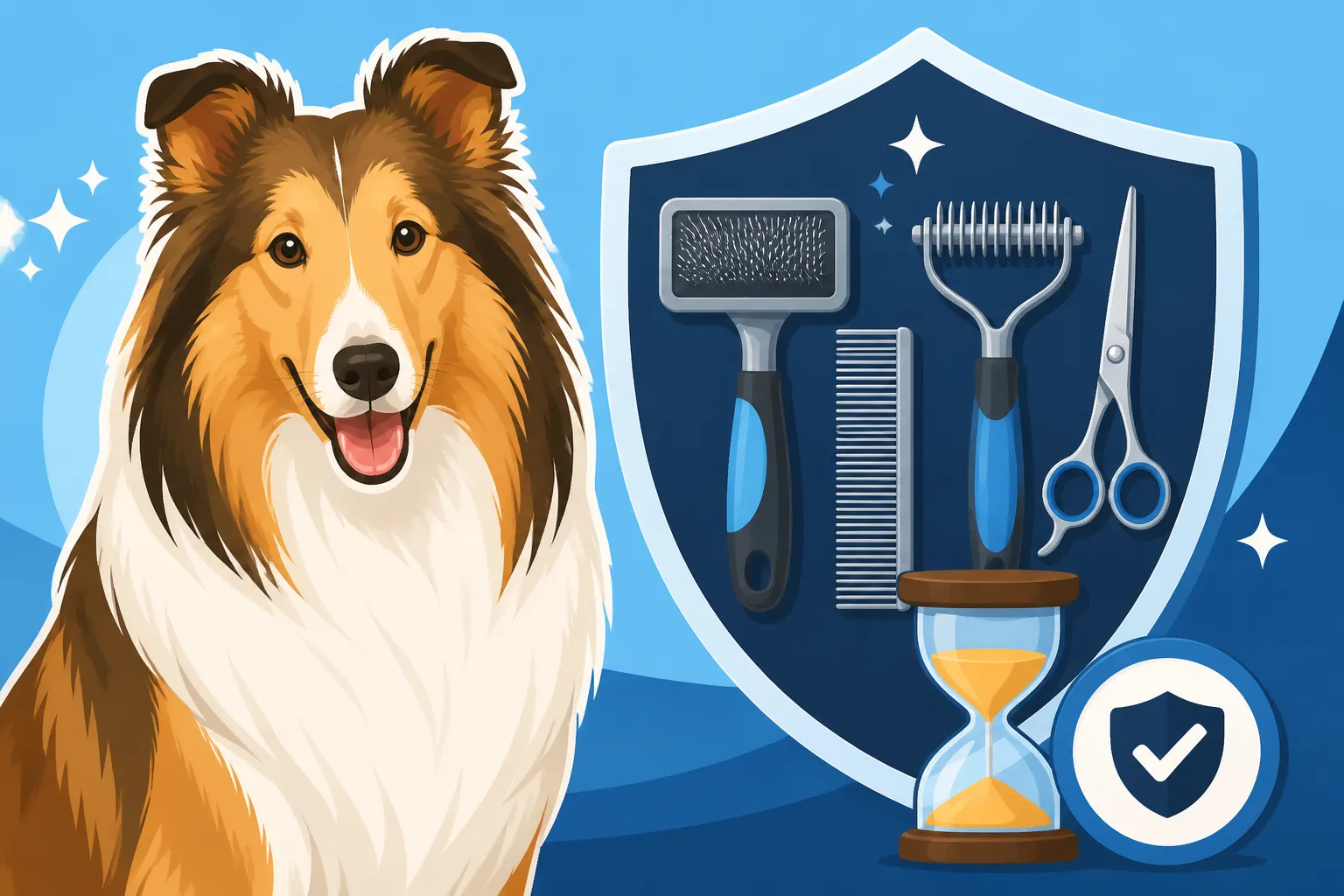
How Long a Set of Collie Grooming Tools Lasts
Anyone who shares their life with a magnificent Collie knows that their glorious double coat isn't just for show – it's a commitment. From preventing mats to managing seasonal "coat blows," you spend a lot of time with brushes and combs in hand. Naturally, you want to know how long your grooming arsenal will hold up, because continually replacing tools isn't just inconvenient, it's an unexpected expense. This guide will walk you through the typical lifespan of essential Collie grooming tools, helping you set realistic expectations and make smart investments for your furry friend.
Understanding the Lifespan of Essential Collie Grooming Tools
When you first dive into the world of Collie grooming, it can feel like you need a whole new toolkit just for your dog. And you're not wrong! Collies require specific types of brushes, combs, and nail care implements to keep them looking their best and, more importantly, to keep their skin and coat healthy. The longevity of these tools isn't just about their initial cost, but about their ability to withstand the unique challenges presented by a Collie's dense undercoat and flowing topcoat. Knowing what to expect from each type of tool can save you frustration and ensure you're always equipped for effective grooming.
Brushes Pin Brush, Slicker Brush, Rakes
Your core brushing tools—pin brushes, slicker brushes, and undercoat rakes—are the workhorses of your grooming routine. A good quality pin brush, with its widely spaced, rounded pins, is often your first line of defense for detangling the outer coat gently. If you invest in one with sturdy, well-seated pins and a comfortable, durable handle, it could easily last you five to ten years, or even longer, with proper care. Think of it as a long-term companion for your Collie's main coat maintenance. However, cheaper brushes might have pins that bend or fall out within a year or two, making them less effective and potentially uncomfortable for your dog.
Slicker brushes, characterized by their fine, closely spaced wire bristles, are crucial for tackling the thick undercoat and preventing mats, especially during shedding seasons. These brushes tend to have a shorter lifespan than pin brushes because their delicate wire bristles can bend, warp, or even break off with regular use against a dense Collie coat. A high-quality slicker might last three to five years before the pins become too damaged to be effective or comfortable. Lower-end slickers, unfortunately, might only see you through one or two intense shedding cycles before they're ready for the bin, as their pins are often less resilient and the cushion can detach.
Undercoat rakes are indispensable for pulling out dead undercoat during a full coat blow, making them another heavy-duty tool. Their metal teeth are designed to penetrate the thickest parts of the coat without damaging the guard hairs. A well-made undercoat rake, particularly those with strong, rust-resistant stainless steel teeth and a solid handle, can last many years, often a decade or more. Their robust construction means they're less prone to wear and tear than slicker brushes. However, like any tool, if subjected to excessive force on stubborn mats or improperly stored, the teeth can bend or even break, shortening their effective life. Many Collie owners find that investing in a quality rake early on is one of their best grooming decisions.
Combs Greyhound Comb, Flea Comb
Combs are your finishing tools and your detailers, essential for checking for mats that brushes might miss, especially in sensitive areas like behind the ears or on the "frill." A sturdy metal "Greyhound" style comb, with both wide and narrow-set teeth, is a must-have. These are built to last. A good quality stainless steel comb, ideally with rounded teeth to prevent scratching your Collie's skin, can easily last a lifetime. Unless you intentionally try to break it or lose it, it's one of those tools you buy once. The only real wear might be if the plating eventually rubs off on very old, heavily used combs, but their function remains largely unaffected.
Flea combs, with their incredibly fine teeth, serve a very specific purpose: checking for fleas and flea dirt. While not used daily for general grooming like other combs, they are invaluable for routine checks. Because they are typically used gently and less frequently on a Collie's dense coat (which isn't usually a flea hotbed, though checks are still crucial), they also tend to have a very long lifespan. A good metal flea comb should last indefinitely. Plastic versions, however, might have teeth that snap off if used too aggressively or if they get brittle with age, so stick to metal for durability. Regular cleaning, often with warm soapy water to remove debris, will keep all your combs in top condition.
Nail Care Tools Clippers, Dremel
Keeping your Collie's nails trimmed is vital for their comfort and long-term joint health. For many, this means traditional nail clippers. The lifespan of nail clippers largely depends on the quality of the blades and the spring mechanism. Lower-end clippers often have blades that dull quickly, becoming less effective within six months to a year, especially with strong Collie nails. Dull clippers don't cut cleanly; they crush the nail, which can be painful for your dog and lead to splitting. Investing in high-quality clippers with replaceable blades or a robust design can extend their life to several years. Remember, even the best clippers will need to be replaced when the blades no longer provide a sharp, clean cut. This is a safety issue for your dog.
Alternatively, many Collie owners opt for a Dremel-style rotary tool for grinding nails. The tool itself, if a reputable brand, can last many years—often five to ten years or more—provided it's not dropped excessively or used beyond its capacity. The motor is the main component, and consistent performance is key. What you will replace regularly are the sanding bands or grinding stones. These wear down with use and should be replaced frequently to ensure efficient, smooth grinding and prevent excessive heat buildup, which can be uncomfortable for your Collie. Think of the Dremel as a long-term investment, with consumables that need refreshing.
Factors Influencing Tool Durability for a Collie's Coat
It's one thing to buy a tool, and quite another for that tool to stand the test of time, especially when contending with the magnificent, yet demanding, coat of a Collie. Several factors play a significant role in how long your grooming equipment will truly last. Understanding these can help you make better purchasing decisions and extend the life of your existing tools, ensuring you get the most out of your investment.
Quality of Materials and Construction
The old adage "you get what you pay for" often rings true in the world of grooming tools, particularly for a breed like the Collie. Tools made with cheap, brittle plastics for handles or low-grade metals for pins and blades simply won't withstand the repeated stress of brushing through a thick double coat. A plastic handle on a slicker brush might crack after a few drops, or the pins might bend and corrode quickly if they're not stainless steel. Imagine trying to line brush a Collie's thick "petticoat" with a flimsy brush; it's not only ineffective but the tool itself will quickly give way.
Conversely, tools constructed with high-quality materials like durable, impact-resistant plastics, ergonomic rubberized grips, and rust-proof stainless steel or hardened carbon steel components are built to last. For instance, a quality pin brush with pins molded securely into the cushion rather than merely glued on will resist pins falling out. Good combs will have seamlessly finished teeth that won't scratch your dog. These materials are chosen for their resilience against regular use, moisture, and the natural oils from your dog's coat, meaning they will perform better for longer and reduce the need for frequent replacements. While the initial outlay might be higher, the cost per year of use often proves to be significantly lower. You can often find durable options on sites like Chewy that cater to a wide range of budgets while still offering solid construction.
Frequency and Intensity of Use
A Collie's coat dictates a certain frequency of grooming, which directly impacts tool lifespan. For a Rough Collie in full coat, you might be brushing for Four Tools and Twenty Minutes: Brushing a Rough Collie multiple times a week, especially during the dreaded "coat blow" seasons that happen twice a year. This consistent, heavy-duty use puts significant wear and tear on brushes and rakes. Imagine trying to pull out pounds of dead undercoat with a slicker brush; that's a lot of friction and pressure on those delicate wires. A tool used daily will naturally wear out faster than one used once a month, regardless of its initial quality.
The intensity of use also matters. Are you gently maintaining a knot-free coat, or are you battling serious mats that have formed behind the ears or in the leg feathering? Working through heavy matting requires more force and can put immense strain on brush pins, comb teeth, and clipper blades, accelerating their deterioration. If you're constantly struggling with severe tangles, even the best tools will show signs of wear more quickly. Regular, proactive grooming, like the advice found in How Often a Rough Collie Should Be Brushed, can reduce the intensity required for each session, thus prolonging the life of your tools by preventing them from being pushed to their limits dealing with extreme matting.
Proper Care, Cleaning, and Storage
This is perhaps the most overlooked aspect of tool longevity. Even the most expensive, well-made grooming tool will degrade quickly if not cared for properly. After each grooming session, it's crucial to remove all hair from brushes and combs. Leftover hair traps moisture and oils, which can lead to dullness, rust on metal parts, and deterioration of brush cushions. Many owners neglect this simple step, only to find their brushes becoming stiff and less effective over time.
Beyond removing hair, regular cleaning is essential. Periodically washing brushes and combs with a mild soap and water, then thoroughly drying them, will prevent the buildup of grime and keep them hygienic. For nail clippers, wiping blades clean after each use and occasionally oiling the pivot point can prevent rust and maintain smooth operation. Dremel bits should be cleaned, and the tool itself stored in a dry, dust-free environment. Improper storage—tossing tools into a damp bin, letting them roll around in a drawer where they can get bent, or exposing them to extreme temperatures—can dramatically shorten their life. Think of your grooming tools like kitchen knives; you wouldn't leave them dirty and tossed in a drawer, would you? Your Collie deserves the same respect for their care implements.
Signs Your Grooming Tools Need Replacing
It's easy to get accustomed to using a particular brush or clipper, even when it’s no longer performing optimally. But for your Collie's comfort and the effectiveness of your grooming routine, it’s important to recognize when a tool has reached the end of its useful life. Using worn-out tools isn't just inefficient; it can actually cause pain or injury to your beloved dog, turning a bonding experience into a dreaded chore.
Deterioration in Performance
The most obvious sign that a grooming tool needs replacing is a noticeable drop in its performance. For brushes, this might mean that your pin brush no longer glides smoothly through the coat but instead seems to snag or pull at the hair. A slicker brush might stop effectively grabbing and removing the undercoat, requiring you to work harder or making the process less efficient. You might find that How Long Brushing a Collie in Full Coat Takes seems to get longer and longer, not because your Collie's coat is worse, but because your tool isn't doing its job. Combs that used to easily separate tangles now drag or skip, indicating bent or missing teeth that aren't able to penetrate the coat properly.
When it comes to nail clippers, a clear indicator of dull blades is when they start crushing the nail rather than making a clean, swift cut. This often results in a jagged edge, splintering, or even a struggle to get through the nail, causing discomfort and potentially pain for your Collie. For a Dremel, if it's losing power, vibrating excessively, or taking much longer to grind down the nails, its motor might be failing, or the grinding bit is severely worn. You'll also notice that a worn-out Dremel bit generates more heat, which can burn your dog's quick and cause them to shy away from future nail care sessions. Keeping an eye on these subtle changes in how the tools function is key to knowing when it's time to upgrade.
Visible Wear and Tear
Beyond performance issues, direct physical damage is a clear signal. For brushes, look for pins that are bent, broken, or missing entirely. If the rubber cushion of your slicker brush is torn or detached from the handle, it's no longer effective and can even scratch your Collie's skin. Broken handles on any brush or rake make them difficult to grip and use safely. On combs, check for bent, broken, or rusted teeth. Rust can not only damage your Collie's coat but also harbor bacteria.
Nail clippers might show physical signs of wear like loose handles, a weak spring mechanism, or blades that are visibly nicked or misaligned. If the safety guard on your clippers is bent or broken, it compromises your ability to trim safely. For rotary tools, inspect the housing for cracks, especially around the motor vents, and ensure the power cord is not frayed. Any significant damage indicates a compromised tool that needs immediate replacement to prevent further issues or potential injury during grooming.
Safety Concerns for Your Collie
Ultimately, the most critical reason to replace grooming tools is when they pose a safety risk to your Collie. A brush with sharp, exposed metal where pins have fallen out can scratch or irritate your dog's skin. A bent comb tooth can snag and pull hair painfully, or even break the skin. Dull nail clippers can split nails, leading to pain, bleeding, and potential infection. An old Dremel that's overheating can cause burns, while one with a frayed cord poses an electrical hazard.
Imagine trying to detangle a small mat How to Work Out a Mat Behind a Collie's Ear with a broken slicker brush. The jagged edges and bent wires could easily cause injury. Your Collie relies on you for gentle, effective care, and using damaged tools betrays that trust. If you notice your dog becoming unusually resistant or fearful during grooming sessions, it might be a sign that your tools are causing discomfort. Prioritizing their safety and comfort means regularly inspecting and replacing any tool that shows signs of being anything less than completely safe and functional. This ensures grooming remains a positive experience for both of you.
Maximizing the Life of Your Collie's Grooming Investment
Given that grooming is an ongoing, essential part of owning a Collie, making your tools last as long as possible is not just about saving money; it's about consistency and reliability in your care routine. Nobody wants to be caught mid-grooming session with a broken brush when your Collie is blowing coat! With a bit of foresight and regular attention, you can significantly extend the lifespan of your grooming essentials.
Investing in Quality from the Start
It might seem counterintuitive to spend more money upfront, but for Collie grooming tools, investing in quality pays dividends. Cheaper tools often use inferior materials that degrade rapidly, especially when confronted with the density and volume of a Collie's coat. A budget slicker brush might cost less initially, but if you have to replace it every year, you're actually spending more over time than if you bought a robust, well-constructed one that lasts five years. Think about it: a durable tool performs better, causes less discomfort for your dog, and reduces frustration for you.
When shopping, look for brands known for their craftsmanship and materials. Seek out brushes with strong, well-seated pins, ergonomic handles that fit comfortably in your hand, and rust-resistant metals for combs and rakes. Products available from pet supply retailers like Chewy often feature detailed reviews from other large breed owners, which can be a valuable resource. While specific price points change, generally, a higher quality tool will have a noticeably better feel and construction. This initial investment ensures you have reliable tools that can stand up to the rigorous demands of a Collie's coat, saving you money and hassle in the long run. Don't be afraid to read up on What a Good Pin Brush Costs for a Collie to understand the value of quality.
Regular Maintenance Routines
Just like any other equipment, grooming tools benefit immensely from a consistent maintenance routine. The simplest, yet most crucial, step is to remove all hair from brushes and combs immediately after each use. This prevents hair from getting permanently matted into the bristles or teeth, which can pull and snag future grooming sessions. For undercoat rakes and slicker brushes, a small comb or a specialized tool can help dislodge stubborn hair.
Beyond hair removal, regular cleaning is vital. Periodically wash brushes and combs with warm, soapy water to remove accumulated dirt, dander, and oils. Rinse thoroughly and allow them to air dry completely, ideally bristles-down, before storing. For nail clippers, wipe the blades after each use and consider a tiny drop of mineral oil on the pivot point to prevent rust and maintain smooth action. If you use a Dremel, clean off nail dust, and regularly check and replace sanding bands or grinding stones as they wear out. Neglecting these small steps significantly shortens the life of your tools and can harbor bacteria that are then transferred back to your Collie's coat.
Smart Storage Solutions
How you store your grooming tools is just as important as how you use and clean them. Tossing brushes, combs, and clippers into a disorganized drawer where they can get bent, dropped, or exposed to moisture is a recipe for premature wear. For instance, the fine wire pins of a slicker brush can easily get bent if other items are piled on top of it, rendering it useless. Similarly, leaving metal combs in a damp environment can lead to rust and corrosion, weakening the teeth and making them uncomfortable for your dog.
Consider investing in a dedicated grooming caddy, a tool roll, or a tackle box specifically for your Collie's grooming supplies. This keeps everything organized, protected, and easily accessible. Store tools in a dry place, away from extreme temperatures. For clippers, if they have blade covers, use them. Keeping the Dremel in its original case or a padded container will protect its motor and components from accidental damage. Proper storage not only protects the tools themselves but also ensures that when it's time for grooming, your tools are in optimal condition, ready to provide the best possible care for your beautiful Collie. Knowing How Many Hours a Year a Collie Owner Spends Brushing highlights why keeping these tools in top shape is such a time-saver.
Disclaimer
This article is for general informational purposes only and does not constitute professional advice. Laws, prices and regulations vary by location and change over time. Consult a qualified professional for guidance on your specific situation.