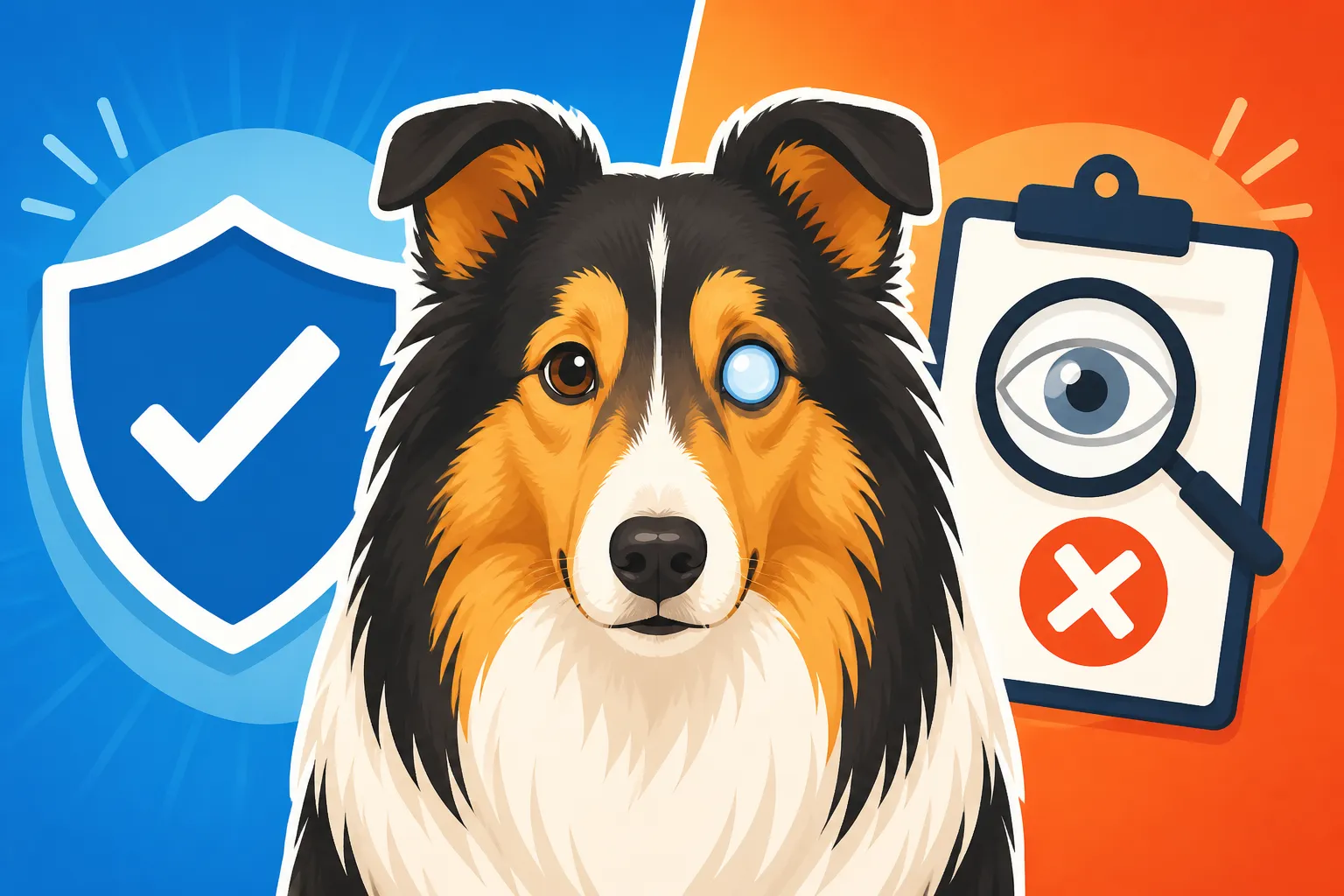
Whether a Collie’s Eye Anomaly Counts as Pre Existing
It's incredibly frustrating when you bring a beautiful Collie into your home, full of love and hope, only to discover a health condition that suddenly makes you wonder about the financial implications. When it comes to something like Collie Eye Anomaly (CEA), a genetic condition that many Collies carry, understanding how pet insurance companies view it, particularly regarding "pre-existing conditions," can feel like navigating a complex maze. This guide aims to demystify the rules around CEA and pet insurance, helping you understand what to expect and how to best prepare.
What Exactly is Collie Eye Anomaly (CEA)?
Collie Eye Anomaly, often simply called CEA, is a congenital, inherited eye disease that affects Collies and several related breeds. It's a developmental defect of the eye, meaning puppies are born with it. It's not something that develops later in life due to environmental factors, which is a key distinction when we talk about insurance. For many Collie owners, the term itself can be daunting, but understanding the basics is the first step in managing your dog's health and planning for their care.
The most important thing to grasp is that CEA's severity can vary dramatically. You might hear people talk about "mildly affected" Collies or those with "severe" issues, and it's all part of the same genetic condition. Because it's an inherited trait, responsible breeders take steps to screen their breeding stock and puppies. However, even with diligent care, it can still appear, leaving new owners to grapple with the implications. You can learn more about its prevalence in our article, Collie Eye Anomaly Affects Most Collies, So Ask How Badly.
Types and Severity of CEA
CEA isn't a single condition but a spectrum of ocular defects. The mildest form is called Choroidal Hypoplasia (CH), where the choroid, a layer of blood vessels and connective tissue beneath the retina, is underdeveloped. This might not affect a dog's vision at all and is often the most common presentation. Many Collies live full, happy lives with only CH and no visual impairment.
However, CEA can progress to more severe forms, including colobomas (funnel-shaped defects in the optic nerve head), retinal detachments, and intraocular hemorrhage (bleeding inside the eye). These more severe manifestations are, understandably, much more concerning as they can lead to significant vision loss or even blindness. The severity of CEA can be graded, typically from Grade I (mild CH) to Grade IV or V (retinal detachment, hemorrhage). It's crucial for puppies to be examined early by a veterinary ophthalmologist to determine their grade and potential prognosis. Understanding What Collie Eye Anomaly Does to the Back of the Eye can help clarify these distinctions.
Genetic Inheritance and Early Detection
CEA is inherited in an autosomal recessive pattern. This means a puppy must inherit two copies of the defective gene (one from each parent) to be affected. Dogs with only one copy are carriers but typically show no symptoms themselves. This genetic basis is why early screening is so vital. Reputable breeders will often have their puppies' eyes checked by a board-certified veterinary ophthalmologist between 5 and 8 weeks of age, before the retina matures too much to obscure the defects. This exam is commonly referred to as a "CERF" or "OFA eye exam."
The reason for this early check, as discussed in Why a Collie Puppy Is Eye Checked at Five to Seven Weeks, is that some mild cases of CH can "go normal" or become indistinguishable from unaffected eyes as the puppy matures. This phenomenon, where normal retinal pigment grows over the defect, doesn't mean the defect has disappeared, only that it's no longer visible. A "go normal" diagnosis means the dog still carries the genetic predisposition and should be handled carefully in breeding programs, but it complicates the insurance picture if not documented early. Genetic testing is also available for CEA, identifying affected dogs, carriers, and clear dogs, and many breeders now use this as part of their comprehensive health screening, alongside clinical exams. You might also want to read about The Three Genetic Tests a Collie Breeder Has Already Paid For.
Understanding Pre-Existing Conditions in Pet Insurance
The term "pre-existing condition" is the cornerstone of pet insurance policies and often the biggest source of confusion and disappointment for pet parents. It's a concept designed to prevent people from buying insurance only when their pet is already sick or injured, which would make the entire system financially unsustainable. However, the exact definition and application can vary significantly between insurance providers, leaving owners feeling a bit lost.
Essentially, a pre-existing condition is any illness or injury your pet had before their insurance coverage started, or before the waiting period for certain conditions had ended. This seemingly simple definition holds a lot of complexity, especially for genetic or congenital conditions like CEA that dogs are born with but might not show obvious symptoms for right away.
Defining "Pre-Existing" in the Pet World
In the context of pet insurance, a condition is usually deemed "pre-existing" if symptoms were noticed, or a diagnosis was made, by a vet or even by the owner, prior to the policy's effective date or the completion of the waiting period. This includes conditions that might have been subtle or undiagnosed but were nonetheless present. For example, if your Collie had watery eyes or seemed to bump into things before your policy began, and then later was diagnosed with severe CEA, the insurance company might argue that the symptoms were pre-existing, even if the formal diagnosis came later.
Some policies distinguish between "curable" and "incurable" pre-existing conditions. A curable condition might be covered if your pet remains symptom-free for a certain period (e.g., 6-12 months). However, inherited, chronic conditions like CEA are typically considered incurable and, if diagnosed before or during the waiting period, will likely be permanently excluded from coverage under that specific policy. This is why timing is absolutely paramount when considering pet insurance for your Collie.
When Does a Condition Become Pre-Existing?
The critical timeline for determining a pre-existing condition involves three main points: the date you apply for the policy, the policy's effective date, and the completion of any waiting periods. Most pet insurance policies have waiting periods – a set number of days from the policy's effective date before certain coverage kicks in. This might be a few days for accidents, and usually 14-30 days for illnesses. Some policies also have extended waiting periods for orthopedic conditions, like cruciate ligament issues.
If your Collie is diagnosed with CEA (or any other condition) during this waiting period, even if you just got the policy, it will almost certainly be classified as pre-existing and excluded from coverage for the life of that policy. This is a common pitfall. Many pet parents assume once they pay their first premium, they're fully covered, but those waiting periods are a non-negotiable part of the contract. It's vital to read your policy documents carefully to understand these timelines, as they are a significant factor in whether your claim will be paid or denied.
Waiting Periods and Their Impact
Waiting periods are perhaps one of the most misunderstood aspects of pet insurance. They aren't there to trick you, but to protect the insurance provider from immediate claims for conditions that were already present. Imagine if you could buy car insurance after an accident and expect it to pay for the repairs! Pet insurance operates on a similar principle.
For a condition like CEA, which is congenital and often diagnosed in puppyhood, the waiting period can be a huge hurdle. If you get a Collie puppy, secure insurance, and then take them for their first vet check, where a mild form of CEA (e.g., choroidal hypoplasia) is detected, that condition will be considered pre-existing because the diagnosis occurred during the waiting period or even before the policy began. This is true even if the condition is mild and may never require treatment. The documentation from that initial vet visit, which is crucial for your pet's overall health record, unfortunately, becomes the definitive marker for insurance purposes.
The Nuances of CEA and Pet Insurance Policies
When it comes to Collie Eye Anomaly, its unique characteristics as an inherited and often early-diagnosed condition create specific challenges for pet insurance claims. It’s not like a sudden injury or an infection that appears out of nowhere; it’s something your Collie is born with, and the timing of its discovery drastically impacts coverage.
The way an insurer interprets "pre-existing" for a congenital condition can be a point of contention for many pet owners. It often comes down to when the condition was first noted or documented, not necessarily when it became symptomatic or problematic enough to require treatment.
Impact of an Early CEA Diagnosis
Let’s be realistic: many Collies are identified with some degree of CEA during their initial puppy eye exams. This is a responsible practice by breeders and owners alike, ensuring they understand the dog’s health. However, from an insurance perspective, this early diagnosis, especially if it occurs before you enroll in a policy or during the waiting period, almost universally means that CEA will be considered pre-existing.
For example, if you adopt a 10-week-old Collie puppy who already had their eye exam at 7 weeks, and that exam noted Choroidal Hypoplasia (CH), any future claims related to CEA (even if it progresses to a retinal detachment years later) will likely be denied. This is because the condition was documented before your policy began. The same applies if you get insurance, but the first eye exam and diagnosis happen within your policy's waiting period. Even if it's a mild case of CH that doesn't cause any issues, the existence of the diagnosis on your vet records is the key factor.
Bilateral Conditions and Single-Eye Policies
Another nuance with eye conditions like CEA is how insurance companies handle bilateral conditions – conditions that can affect both sides of the body. CEA is a genetic condition that affects the development of both eyes, even if one eye appears more severely affected than the other. If one eye is diagnosed with CEA before coverage begins or during the waiting period, many insurers will consider the entire condition (affecting both eyes) as pre-existing. This means if the other eye later develops problems related to CEA, that won't be covered either.
This can feel unfair, especially if one eye appears completely normal initially. However, the logic from the insurer's perspective is that the underlying genetic predisposition is already present, making it a single pre-existing condition affecting a paired organ. This is an important distinction to clarify with any potential insurer before you enroll, particularly if you know your Collie has a genetic predisposition or a mild, unilateral manifestation of an inherited condition.
The Role of a Vet's Records
Your veterinarian's records are paramount in any insurance claim, especially concerning pre-existing conditions. Every note, every observation, and every diagnosis recorded by your vet forms the basis for the insurance company's decision. If a vet noted "mild choroidal changes suspected" during an initial puppy check-up, even without a formal ophthalmologist's diagnosis, an insurer could use that as evidence of a pre-existing condition.
This doesn't mean you should withhold information from your vet, quite the opposite. Transparency with your vet is crucial for your Collie's health. It simply highlights the importance of getting insurance coverage in place before any potential health issues are noted, even subtle ones. When dealing with inherited conditions, the timing of securing that policy becomes critical.
Strategies for Insuring a Collie with CEA
Navigating pet insurance when you have a Collie, especially with the known prevalence of conditions like CEA, requires a strategic approach. The most effective strategies often involve acting early and understanding the fine print before you ever need to file a claim. Prevention, in terms of getting coverage, is truly better than cure.
It's easy to feel overwhelmed by all the "what ifs," but by being proactive and informed, you can make the best decisions for your furry family member and your wallet. Remember, the goal is to secure coverage that will truly be there when you need it most, without surprises.
Insuring Before Diagnosis: The Golden Rule
The single most important piece of advice for any Collie owner considering pet insurance, particularly concerning inherited conditions like CEA, is to enroll your puppy as early as possible. Ideally, this means getting a policy in place before your puppy's first veterinary exam, or at the very least, before any signs or symptoms of any condition are observed or diagnosed. Many insurers allow you to enroll puppies as young as 6-8 weeks old.
If you enroll your Collie puppy when they are young and healthy, and all waiting periods have passed before any vet documents signs of CEA or a formal diagnosis, then any future treatment for CEA should be covered according to your policy terms. This is because, at the time of policy inception and through the waiting period, the condition was not yet noted as pre-existing. This proactive approach significantly increases the likelihood of coverage for inherited conditions, including if a "go normal" CEA puppy later develops issues that were not initially visible.
Navigating Insurance After a Diagnosis
What if you're reading this and your Collie has already been diagnosed with CEA? Don't despair, but do adjust your expectations. If CEA has already been noted in your dog's veterinary records, any new pet insurance policy you purchase will almost certainly exclude it as a pre-existing condition. This means you wouldn't be able to claim for treatments related to CEA, such as managing a retinal detachment or any associated eye care.
However, a pre-existing CEA diagnosis doesn't mean pet insurance is useless for your Collie. Your dog is still susceptible to countless other accidents and illnesses that would not be considered pre-existing. They could get an ear infection, break a leg, develop cancer, or have an allergic reaction – all of which could be covered under an accident and illness policy. So, while CEA itself might be excluded, comprehensive insurance can still offer invaluable financial protection for the many other unexpected health challenges your Collie might face throughout their life. It's about protecting against future unknowns.
Appealing a Denied Claim
Even with the best intentions and careful planning, sometimes claims get denied. If your claim for a CEA-related condition is denied, and you believe it shouldn't have been, you do have the right to appeal the decision. This usually involves contacting the insurance company directly and requesting a review of your claim.
When appealing, it's crucial to have all your documentation in order. This includes your vet's complete medical records, the ophthalmologist's reports (like the initial puppy eye certificate), and your policy documents clearly outlining your coverage and exclusions. You'll need to articulate why you believe the condition was not pre-existing according to your policy's specific terms and definitions. Sometimes, a detailed letter from your veterinarian explaining the timeline of symptoms or diagnosis can also be helpful. Be persistent but polite; understanding the specific reason for denial is your first step in building a strong appeal.
Choosing the Right Pet Insurance for Your Collie
Selecting a pet insurance policy can feel like a daunting task, especially when you're aware of breed-specific concerns like CEA. It's not just about finding the cheapest option, but about securing comprehensive coverage that truly meets your Collie's potential needs and your financial comfort level. Taking the time to compare and understand the offerings is an investment in your peace of mind.
Remember, every policy is different, and the best one for your Collie might not be the best for another breed, or even another Collie with a different health history. Do your homework, ask lots of questions, and don't be afraid to reach out to providers directly for clarification. You might also find our article on Whether Pet Insurance Is Worth It on a Collie helpful.
Key Policy Features to Look For
When shopping for pet insurance, several features are particularly important for a Collie owner:
- Coverage for Inherited/Congenital Conditions: This is paramount. Ensure the policy explicitly states it covers inherited and congenital conditions as long as they are not pre-existing. If your Collie isn't diagnosed with CEA before or during the waiting period, this clause is what would provide coverage if issues arise later.
- Annual Limits: Some policies have annual limits on how much they will pay out. Look for policies with high annual limits or, ideally, unlimited annual coverage, especially if you anticipate potentially costly treatments for serious illnesses or accidents.
- Deductible Options: This is the amount you pay out-of-pocket before your insurance starts to reimburse you. Policies typically offer various deductible levels. A higher deductible usually means a lower monthly premium, and vice-versa.
- Reimbursement Percentage: This is the percentage of eligible vet bills the insurance company will reimburse after your deductible is met. Common percentages range from 70% to 90%.
- Waiting Periods: As discussed, understand the waiting periods for accidents and illnesses. The shorter, the better, especially for puppies.
- Direct Pay vs. Reimbursement: Most pet insurance works on a reimbursement model, where you pay the vet directly and then submit a claim. A few newer options offer direct payment to vets, which can ease upfront financial strain.
Comparing Different Providers
It's always wise to compare several pet insurance providers. Many companies offer online quotes, making it easy to see different price points and coverage options. Look at well-known providers like Healthy Paws, which is often praised for its comprehensive accident and illness plans and high reimbursement rates, though policies and terms always need individual checking. Other providers may offer different features or price structures that might better suit your budget or specific needs.
Don't just look at the monthly premium; dive into the details of what is covered, what is excluded, and how easy their claims process is. Read reviews, and if possible, talk to other Collie owners about their experiences with different insurers. A lower premium isn't always a bargain if the coverage is lacking when you truly need it.
| Feature / Scenario | Healthy Paws (Example) | Other Providers (General) | Considerations for Collie Owners |
|---|---|---|---|
| Inherited Conditions | Covered (if not pre-existing) | Varies | Crucial for CEA; ensure clear definition of "pre-existing." |
| Annual Limit | Unlimited | $5k-$100k or Unlimited | Higher limits are better for potentially chronic conditions. |
| Deductible | Annual, per condition | Annual, per condition/incident | Choose based on your comfort with upfront costs. |
| Reimbursement | 70-90% | 70-100% | Higher % means less out-of-pocket after deductible. |
| Waiting Periods | ~15 days for illness | 14-30 days for illness | Shorter waiting periods reduce risk of pre-existing exclusions. |
| Age Restrictions | Can enroll young puppies | Varies; older pets may pay more or be ineligible for new policies | Enroll as young as possible for best coverage. |
Understanding Reimbursement Models and Deductibles
Most pet insurance policies work on a reimbursement model. This means you pay your vet in full at the time of service, and then you submit your invoice and medical records to the insurance company for reimbursement. The reimbursement percentage (e.g., 80%) is applied to the eligible veterinary costs after your annual deductible has been met.
For example, if you have a $250 deductible and 80% reimbursement, and your Collie has a $1,000 vet bill for a covered condition: you'd pay the first $250 (your deductible), leaving $750. The insurance company would then reimburse you 80% of that $750, which is $600. So, your total out-of-pocket for that bill would be $400 ($250 deductible + $150 remaining). Understanding these numbers helps you budget for both premiums and potential claims.
Alternatives to Traditional Insurance
While pet insurance is a fantastic tool for managing unexpected veterinary costs, it's not the only option, nor is it always suitable for every situation, especially when dealing with a known pre-existing condition like CEA. Sometimes, a hybrid approach or alternative financial planning methods might make more sense for your Collie. It's about finding what gives you peace of mind and financial security.
Remember, the goal is always to ensure your beloved Collie gets the care they need, regardless of how you choose to fund it. Being prepared is the key to minimizing stress during difficult times.
Self-Funding an Emergency Fund
One popular alternative, or complement, to pet insurance is to create a dedicated emergency fund specifically for your Collie's veterinary needs. Instead of paying monthly premiums to an insurer, you regularly contribute to a high-yield savings account. This fund can then be used for any vet bills, including those related to pre-existing conditions like CEA that insurance wouldn't cover.
The benefit of a self-funded emergency fund is complete control and flexibility. You decide how much to save and how to spend it. It's particularly appealing if you have a healthy Collie who was insured late, or if you prefer to manage your own risk. The downside, of course, is that a major, unexpected illness or accident early on could quickly deplete your fund before you've had a chance to build it up. Financial services platforms or even your local bank can help you set up an account to start saving. For more on this, consider Whether a Collie Owner Needs an Emergency Fund.
Wellness Plans vs. Accident & Illness Policies
It's important to differentiate between a comprehensive accident and illness pet insurance policy and a wellness plan. Traditional pet insurance, which we've been discussing, covers unexpected injuries and illnesses. Wellness plans, on the other hand, are designed to cover routine and preventive care, such as annual exams, vaccinations, heartworm tests, and sometimes even spaying/neutering or dental cleanings. These are usually offered as separate add-ons to an insurance policy or as standalone subscriptions.
A wellness plan will not cover treatment for CEA or any other illness. However, they can be a great way to budget for predictable routine costs, which are essential for maintaining your Collie's overall health. While a wellness plan from a provider won't help with CEA claims, ensuring your Collie receives excellent general care, possibly supported by healthy food options from companies like Ollie, can help prevent other issues that would be covered by a traditional insurance policy. You can also get many routine medications and supplies conveniently from retailers like Chewy.
Seeking Financial Aid and Breed-Specific Resources
If you find yourself facing significant veterinary bills, whether for CEA or other conditions, and you don't have insurance or an adequate emergency fund, there are resources available. Many veterinary clinics offer payment plans, allowing you to spread out the cost of treatment over time. There are also various non-profit organizations and charities that provide financial assistance to pet owners in need. These often have specific criteria based on income or the type of condition.
For Collies, you might find breed-specific rescue organizations or foundations that occasionally offer assistance for urgent medical needs. While they don't function like insurance, they can be a lifeline in desperate situations. It's always worth asking your veterinarian about local resources or national programs that might be able to offer a helping hand when your Collie needs it most. The veterinary community is often aware of these options and can guide you toward potential support.
Disclaimer
This article is for general informational purposes only and does not constitute professional advice. Laws, prices and regulations vary by location and change over time. Consult a qualified professional for guidance on your specific situation.