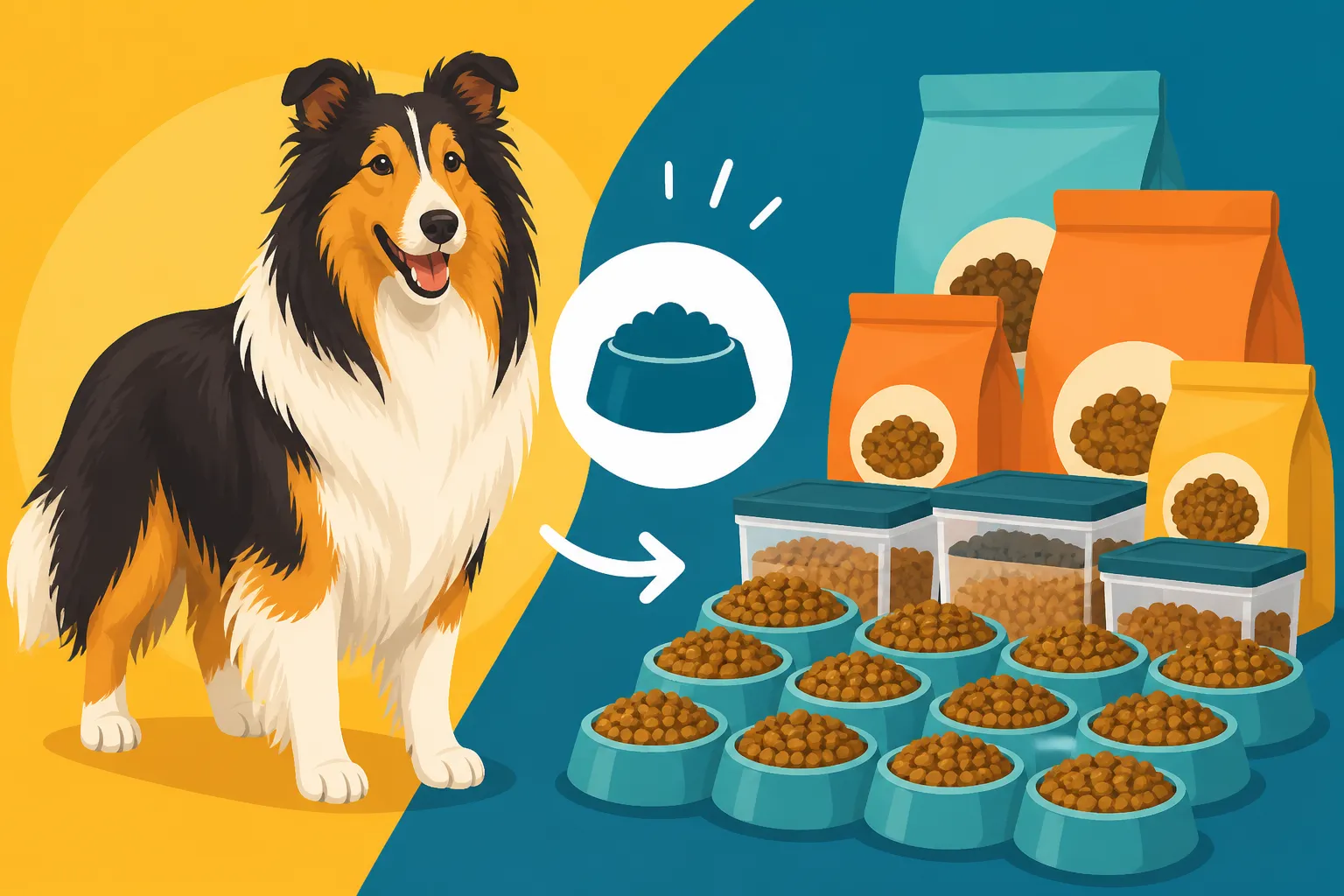
How Much Food a Seventy Pound Collie Eats Monthly
The question of how much food a seventy-pound Collie eats each month can feel like a moving target, especially when you're trying to budget and ensure your beloved companion is getting the best nutrition. It's a common struggle for Collie owners to balance quality with cost, all while navigating the specific needs of a larger, active breed. This guide is here to shed some light on the subject, breaking down the factors that influence your Collie's appetite and helping you understand what to expect when planning their monthly meals.
Decoding Your 70-Pound Collie's Caloric Needs
When you're looking at feeding a seventy-pound Collie, it's not just about filling a bowl; it's about providing the right amount of fuel for their body, brain, and that beautiful, active spirit. A 70-pound Collie is a substantial dog, often a robust male or a larger female, requiring a careful balance of nutrients to maintain a healthy weight and energy level.
Understanding Average Caloric Requirements for a 70-Pound Collie
Generally, a seventy-pound adult Collie, if moderately active, might need somewhere in the ballpark of 1,500 to 2,000 calories per day. This isn't a hard and fast rule, of course. Just like people, every dog is an individual. A Collie who spends a lot of time romping in the yard, going on long hikes, or training for dog sports will naturally burn more calories than a more sedate companion whose main activity is supervising you from the couch. Factors like age, metabolism, and even the ambient temperature can nudge these numbers up or down.
For instance, a younger, more energetic adult Collie might lean towards the higher end of that range, while a senior Collie, whose metabolism has slowed and activity levels have decreased, would likely require fewer calories. It’s always best to consult with your veterinarian to determine the precise caloric needs for your specific dog, taking into account their unique lifestyle. You might also find it helpful to look into How Many Cups a Day an Adult Collie Eats to get a more tangible idea of daily portions.
How a 70-Pound Weight Fits the Collie Breed Standard
A seventy-pound weight for a Collie typically falls within the healthy range for the breed, especially for males. Generally, male Collies can weigh anywhere from 60 to 75 pounds, and females usually range from 50 to 65 pounds. So, if your Collie is hitting that 70-pound mark, they're likely a well-built, sturdy example of the breed. This isn't an excessively heavy dog for their frame, but it does mean they require adequate nutrition to support their size and ensure their joints and organs are well-maintained.
Maintaining this healthy weight is crucial. It’s a delicate balance; too little food and they can become underweight, lacking energy and potentially facing health issues. Too much, and you risk obesity, which puts undue strain on their joints, heart, and can lead to other serious health problems. It's easy for the beautiful coat of a Rough Collie to hide changes in body condition, so make sure you're regularly feeling along their ribs to check their weight. For more on what's considered typical, you might be interested in reading What an Adult Male Collie Weighs or What an Adult Female Collie Weighs.
Exploring Different Food Types and Their Monthly Cost Implications
The type of food you choose for your Collie will significantly impact your monthly budget. The pet food market is vast, offering everything from budget-friendly kibble to high-end fresh and raw options. Each comes with its own nutritional profile and price point, and understanding these differences is key to making an informed decision for your seventy-pound companion.
The Kibble Quandary: Cost-Effective and Convenient
Dry kibble is often the most economical choice for feeding a large breed like a Collie. A large bag of high-quality kibble designed for large breeds can last a significant portion of the month for a 70-pound dog, making it a popular option for many families. The cost per serving is typically lower than other food types, and its shelf stability and ease of storage add to its convenience.
However, "kibble" isn't a monolithic category. There's a huge spectrum, from grocery store brands to premium, grain-inclusive, or grain-free formulas. Better quality kibble often uses higher-grade protein sources, includes beneficial omega fatty acids, and avoids fillers, which can lead to better digestion and overall health for your Collie. While these premium options might have a higher upfront cost per bag, your Collie might actually need to eat less of it because of its higher nutrient density. Websites like Chewy offer a vast selection of dry foods, often with bulk discounts or subscription services that can help manage costs. When considering kibble, you might also want to explore Whether a Collie Needs a Large Breed Formula.
The Rise of Fresh and Raw Diets: Quality for a Price
In recent years, fresh-prepared and raw dog food diets have gained considerable popularity, championed for their perceived benefits in terms of digestion, coat health, and overall vitality. Brands like Ollie deliver customized, human-grade meals right to your door, made with fresh ingredients. The appeal is clear: you're feeding your Collie recognizable food that looks like something you'd prepare for yourself.
However, this quality comes at a higher price point. For a seventy-pound Collie, a fresh or raw diet can easily double or triple your monthly food budget compared to premium kibble. These diets often require more careful storage (refrigeration or freezing) and preparation, but many owners feel the health benefits are worth the investment. Some owners choose a hybrid approach, feeding fresh food for one meal and kibble for another, or using fresh food as a topper to enhance a kibble diet. It’s a balancing act between what you can afford and what you believe is best for your dog's long-term health. When thinking about the overall expenses, considering What Feeding a Seventy Pound Collie Costs can put things into perspective.
Key Factors Influencing Your Collie's Food Consumption
A seventy-pound Collie is certainly a significant eater, but their food intake isn't a static number. Several dynamic factors can change how much food your Collie needs, and therefore, how much you're spending each month. Understanding these nuances is vital for keeping your dog healthy and your budget in check.
Age and Activity Level: The Energy Equation
Think about a human athlete versus someone who works a desk job; their energy needs are vastly different. The same applies to your Collie. An active, young adult Collie who's regularly exercising, playing, and perhaps even training for sports like agility or herding will burn through calories at a much faster rate than a more senior Collie who prefers leisurely strolls and napping. A busy dog might need an extra portion, while a quiet one could easily gain weight on the same amount. It's a constant adjustment to ensure they're getting enough, but not too much.
Similarly, a growing Collie puppy will have very different nutritional demands than a mature adult or a senior dog. Puppies, despite their smaller size, often require more calories per pound of body weight to fuel their rapid growth and boundless energy. As they mature into adulthood, their growth slows, and their caloric needs will stabilize. Then, as they enter their senior years, their metabolism often slows, and activity decreases, necessitating a reduction in food to prevent weight gain. Keeping an eye on their energy and adjusting their food accordingly is a key part of responsible ownership. You might find our post on Whether a Collie Should Be Fed Twice a Day helpful in structuring their meals.
Health Considerations and Their Dietary Impact
Your Collie's health status can significantly alter their dietary needs and, consequently, your monthly food bill. Certain health conditions require specialized diets that can be considerably more expensive than standard fare. For instance, a Collie with allergies might need a limited ingredient diet or a hydrolyzed protein food, which can come at a premium. Dogs with gastrointestinal sensitivities may require easily digestible formulas, while those with kidney or liver disease will need prescription diets specifically formulated to support organ function.
Even common issues like weight management can influence food costs. If your Collie starts to put on too many pounds, perhaps after being spayed or neutered (which can often lead to a slower metabolism, as discussed in Whether a Neutered Collie Gains Weight), you might need to switch to a weight-management food or drastically cut back on their regular portions. Conversely, a Collie recovering from an illness might need extra calories or highly palatable, nutrient-dense foods to regain their strength. Spotting the early Signs a Collie Is Overweight Under All That Coat can help you make adjustments before it becomes a bigger, more costly problem. These special diets, while sometimes essential, can add a noticeable chunk to your monthly expenses.
Practical Strategies for Managing Your Collie's Monthly Food Budget
Feeding a seventy-pound Collie can indeed be a significant monthly expense, but with a few smart strategies, you can ensure they receive excellent nutrition without completely emptying your wallet. It's all about making informed choices and being a savvy shopper.
Smart Shopping and Bulk Buys
One of the most effective ways to manage the cost of feeding a large dog like a Collie is to buy food in larger quantities. Bigger bags of kibble almost always offer a better per-pound price. Look for local pet supply stores that offer bulk discounts or consider online retailers like Chewy, which often have competitive pricing, free shipping on larger orders, and subscription services that can save you a percentage on each recurring delivery. These subscriptions also ensure you never run out of food unexpectedly!
Keep an eye out for sales, coupons, and loyalty programs. Many brands and retailers run promotions throughout the year. Signing up for email newsletters from your favorite pet food brands or stores can often grant you access to exclusive deals. While it's tempting to jump on any deal, always compare the cost per pound or per calorie to truly understand the savings. Remember, consistency in diet is often best for your Collie, so finding a quality food they thrive on and then strategizing how to buy it affordably is the golden ticket. Thinking about What a Collie Eats in a Month can help you project your needs and buy accordingly.
Reading Labels and Choosing Wisely
Navigating the pet food aisle can feel overwhelming with all the different claims and ingredients lists. However, taking the time to read and understand food labels is one of the best ways to ensure you're getting good value for your money and quality nutrition for your Collie. Look for foods where a named meat source (e.g., "chicken meal," "lamb") is listed as the first ingredient, rather than generic "meat by-products" or excessive fillers. While protein content is important, don't overlook healthy fats (like omega-3s for coat and skin health) and digestible carbohydrates.
Sometimes, a slightly more expensive food can actually be more cost-effective in the long run because it's more nutrient-dense. Your Collie might need to eat less of it to feel full and meet their nutritional requirements, meaning a bag lasts longer. Also, a high-quality diet can contribute to better overall health, potentially reducing vet visits for diet-related issues, which can be expensive in themselves. While we don't directly sell insurance, providers like Healthy Paws would certainly agree that preventative care and good nutrition are key to long-term health and fewer unexpected vet bills. If you're pondering specific dietary needs, such as a special diet, you may want to look into Whether a Collie Needs a Grain Free Diet for more information. Lastly, remember that any treats you give add to the caloric intake and the monthly food budget, so factor those in too!
| Food Type | Estimated Monthly Cost Impact for a 70lb Collie | Pros | Cons |
|---|---|---|---|
| Economy Kibble | Lower end of the spectrum | Very affordable, convenient, long shelf life | May contain more fillers, less digestible ingredients |
| Premium Kibble | Mid-range | Good nutrition, convenient, often highly palatable | Higher cost than economy kibble |
| Fresh/Frozen | Higher end of the spectrum | Human-grade ingredients, highly digestible | Significantly higher cost, requires refrigeration |
| Raw Diet | Highest end of the spectrum | Closest to natural diet, often excellent health outcomes | Most expensive, requires careful handling, potential for imbalance |
Disclaimer
This article is for general informational purposes only and does not constitute professional advice. Laws, prices and regulations vary by location and change over time. Consult a qualified professional for guidance on your specific situation.