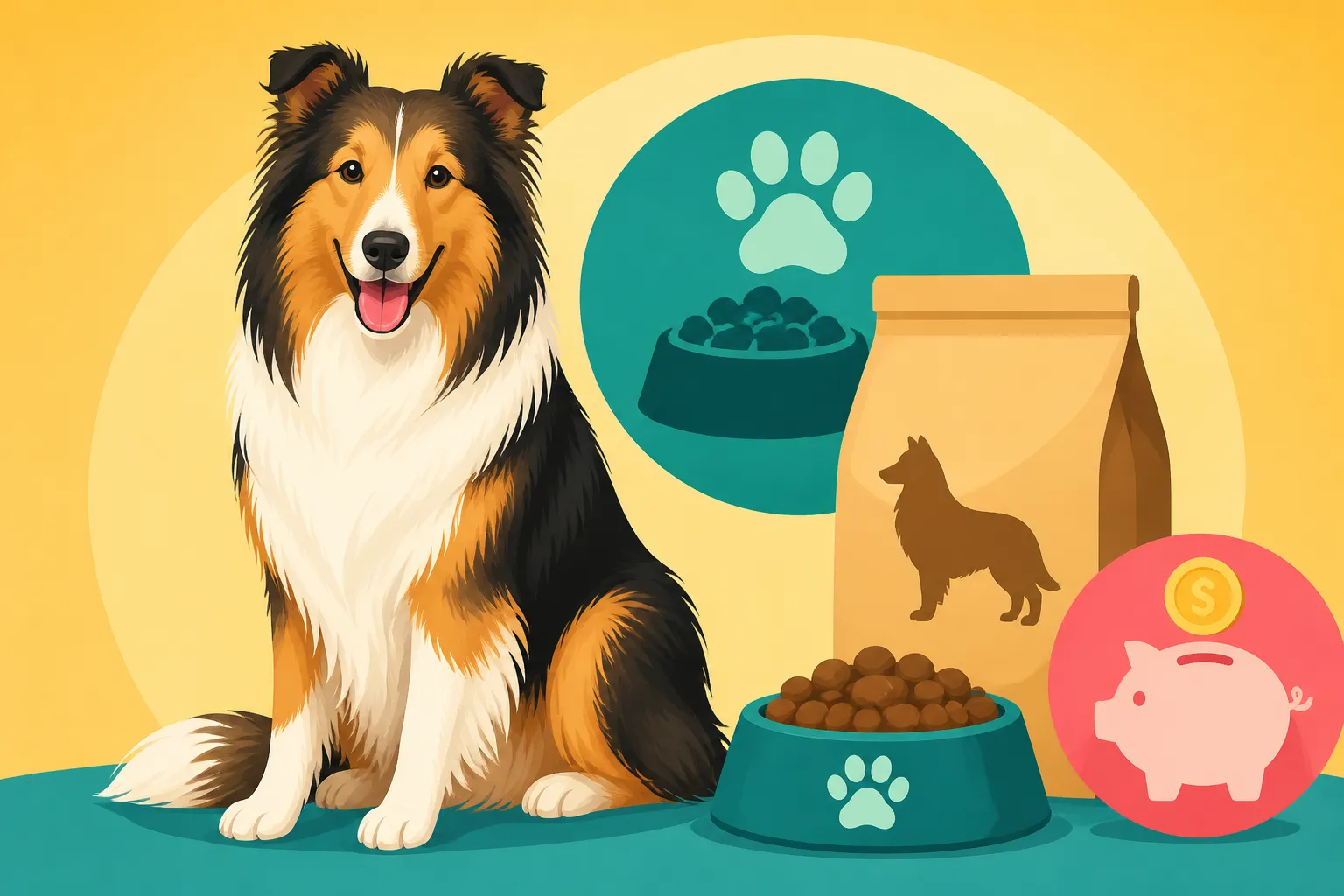
What Feeding a Seventy Pound Collie Costs
Bringing a magnificent 70-pound Collie into your life is an absolute joy, but let's be honest, the reality of their daily upkeep, particularly when it comes to their food, can catch many new owners by surprise. It's not just about picking up a bag of kibble; it's about understanding quality, quantity, and how those choices impact your budget over their entire lifespan. This guide will meticulously break down the true cost of feeding your big, beautiful Collie, from puppyhood to their golden years, helping you plan effectively without cutting corners on their health and happiness.
Understanding Your Collie's Nutritional Needs
Before we even talk about dollars and cents, it’s crucial to grasp what makes a Collie tick nutritionally. They aren't tiny lapdogs, and their dietary requirements reflect their herding heritage – even if your Collie's main job is napping on the couch these days! Feeding a 70-pound dog isn't like feeding a smaller breed; the sheer volume of food, and therefore the cost, scales up significantly. It's easy to assume all dog food is created equal, but for a breed prone to certain health concerns and blessed with an active mind, quality really does matter.
Factors Influencing Food Intake
Your Collie isn't a static creature; their dietary needs will ebb and flow throughout their life, and several factors play a huge role in how much they'll actually eat – and how much you'll spend. Ignoring these variables can lead to an undernourished or overweight dog, both of which can lead to far more expensive vet bills down the line.
Firstly, age is a huge determinant. A growing Collie puppy, with all that boundless energy and rapid development, needs significantly more calories and specific nutrient balances than a sedentary senior. Their bones, muscles, and organs are all developing at an incredible pace, demanding fuel for growth. Once they hit adulthood, their caloric needs stabilize, only to potentially decrease again as they enter their senior years, where metabolism slows down and activity often wanes. Then there's activity level. Is your 70-pound Collie a tireless hiking companion, chasing frisbees at the park for hours every day, or are they a dignified couch potato whose main exertion is walking to the mailbox and back? An active dog burns more calories and needs more food. A working Collie, if you're engaging in activities like herding or competitive agility, will require a much higher calorie intake to sustain their performance and recovery. Finally, health status profoundly impacts their diet. A Collie recovering from surgery, managing an allergy, or dealing with a chronic condition like arthritis or kidney disease will often require specialized diets, which can come with a significantly different price tag. These prescription or limited-ingredient foods are formulated to support specific physiological needs, and while they might seem expensive, they are often a critical part of managing their overall health.
Deciphering Food Labels and Quality
Navigating the pet food aisle can feel like trying to solve a puzzle written in a foreign language. Every bag promises "complete and balanced nutrition," but the reality is that ingredient quality and nutritional density vary wildly. For a 70-pound Collie, a large volume of low-quality food might fill their stomach but leave them lacking essential nutrients, or conversely, lead to digestive upset or poor coat condition. You're looking for ingredients that fuel their majestic physique and keen mind, not just filler.
When scrutinizing a label, always look for a named meat source (e.g., "chicken meal," "lamb," "beef") as the first ingredient, rather than vague terms like "meat meal" or "poultry by-products." This indicates a higher protein content from a recognizable source, crucial for maintaining your Collie's muscle mass. Grains aren't inherently bad, despite popular trends, but look for whole grains like brown rice or oats over excessive corn or wheat, which can sometimes be allergens for sensitive dogs. Ideally, you want to see a good balance of protein, healthy fats (like omega-3s for coat health and inflammation), and digestible carbohydrates. Avoid artificial colors, flavors, and excessive preservatives. Some Collies can also be quite sensitive to certain ingredients, so a simpler ingredient list can sometimes be beneficial if you're trying to pinpoint potential allergens. It truly pays to understand What a Collie's Diet Affects Its Shedding and other aspects of their well-being.
The Various Types of Dog Food and Their Cost Implications
The world of dog food is vast and varied, offering everything from economical kibble to gourmet fresh meals. Each category comes with its own set of pros, cons, and, critically, price points. For a 70-pound Collie, these differences in cost can add up quickly over a month or a year, so understanding what you're buying is key to smart budgeting.
Kibble: The Everyday Staple
Dry dog food, or kibble, remains the most popular and generally most cost-effective option for feeding large breeds like Collies. Its convenience, long shelf life, and ease of storage make it a go-to for many busy families. However, within the kibble category, there's a huge spectrum of quality and price.
At the more budget-friendly end, you'll find brands that often rely heavily on corn, wheat, and soy as primary ingredients, with less emphasis on named meat proteins. While these can keep your Collie fed, they might not provide optimal nutrition, potentially leading to dull coats, lower energy, or more frequent, larger stools (a sign of less digestible ingredients). Moving up the ladder, mid-range kibble offers a better balance, often featuring named meat meals as primary ingredients and fewer questionable fillers. These are typically a solid choice for many Collie owners, providing good nutrition without breaking the bank. Then there's premium or super-premium kibble, which often boasts human-grade ingredients, single-source proteins, novel proteins for allergies, and higher concentrations of beneficial supplements like glucosamine for joint health or probiotics for digestion. For a 70-pound Collie, choosing a large breed formula is often recommended, as these are typically formulated with appropriate calcium-to-phosphorus ratios to support bone health and larger kibble sizes to encourage slower eating, which can be a small but mighty factor in preventing bloat. The investment in higher-quality kibble can sometimes reduce other costs, such as vet visits for skin issues or digestive problems, in the long run.
Wet Food: For Palatability and Hydration
Wet dog food, whether in cans, pouches, or tubs, often serves as a delicious topper or an occasional treat for many Collies, though some owners choose to feed it exclusively. Its higher moisture content is a significant benefit, especially for dogs that don't drink enough water, aiding in hydration and urinary tract health. It's also incredibly palatable, often a godsend for picky eaters or senior Collies with dental issues.
However, the cost implications for a 70-pound Collie are substantial. Wet food is typically far more expensive per calorie than kibble. To feed a large dog solely on wet food would require a significant number of cans per day, quickly escalating your monthly budget. Think about how much an adult Collie eats; multiplying that by the portion sizes of wet food can be eye-opening. For this reason, many Collie owners use wet food sparingly, perhaps mixing a spoonful into their kibble to make it more appealing, or offering it as a special meal. It’s important to check the nutritional analysis on wet food, just as with kibble, to ensure it's a complete and balanced diet, especially if it's meant to be a primary food source. Using it as an occasional treat is one thing, but relying on it exclusively for a large dog means you're not just buying food, you're buying a lot of water.
Fresh and Raw Diets: A Growing Trend
In recent years, fresh dog food and raw diets have gained considerable traction, with proponents claiming numerous health benefits, from shinier coats and healthier skin to improved digestion and higher energy levels. These diets often feature fresh, minimally processed ingredients, mimicking what a dog's ancestors might have eaten.
Fresh food diets, often delivered frozen or refrigerated, are typically made with human-grade meats, vegetables, and grains, then gently cooked. Brands like Ollie offer customized meal plans based on your dog's weight, age, and activity level, providing a convenient way to feed a whole-food diet without the hassle of home preparation. For a 70-pound Collie, the daily portion of a fresh food diet will be considerable. This type of feeding is generally the most expensive option, often costing several times more than premium kibble. The appeal lies in the perceived health benefits and transparency of ingredients, but it requires a larger financial commitment.
Raw diets (BARF – Biologically Appropriate Raw Food or PMR – Prey Model Raw) consist of uncooked meat, bones, and organs, sometimes with added fruits and vegetables. These can be purchased commercially as pre-made raw patties or chubs, or prepared at home. While commercial raw diets are expensive, DIY raw feeding can be slightly less costly if you're adept at sourcing ingredients in bulk and balancing the nutritional profile. However, DIY raw feeding carries significant risks if not done correctly, as nutritional deficiencies or imbalances can arise, and there are concerns about bacterial contamination. For a 70-pound Collie, the sheer volume of raw meat and bones needed daily is substantial, requiring significant freezer space and careful handling. Both fresh and raw diets require dedication and a higher budget, but many owners feel the investment is worthwhile for their Collie's vitality.
Breaking Down the Monthly Food Budget for a 70-Pound Collie
Now for the nitty-gritty: what will this actually cost you each month? Feeding a 70-pound Collie isn't a small line item in your budget. It requires a realistic look at how much food they truly consume and the price variations across different quality levels. It’s easy to underestimate, especially when you’re used to smaller breeds or just starting out.
Calculating Daily and Monthly Portions
To figure out your monthly food bill, you first need to understand how much your 70-pound Collie needs to eat daily. This isn't just a random guess; it's based on their caloric requirements, which are often provided in feeding guidelines on dog food bags. Remember, these are just starting points, and you'll adjust based on your dog's individual metabolism, activity, and body condition.
Most premium kibble brands will suggest a daily serving size based on weight, often ranging from 3.5 to 4.5 cups for a 70-pound adult dog, sometimes more for highly active individuals or less for very sedentary seniors. Let’s take an average of 4 cups a day for a moderately active 70-pound Collie. This means a 30-pound bag of kibble, which usually contains about 120 cups of food, would last roughly 30 days. So, for your 70-pound Collie, you're looking at purchasing approximately one 30-pound bag of food per month. If you're feeding a combination of dry and wet food, or a fresh diet, the calculations become a bit more complex, but the principle remains the same: determine the daily caloric need and then convert that into the volume or weight of the specific food type. Don't forget that What a Collie Eats in a Month can fluctuate based on seasonal activity or life stages. Always monitor your Collie's weight and adjust portion sizes as needed; you should be able to feel their ribs without seeing them prominently, and they should have a discernible waist.
Cost Spectrum: From Budget to Boutique
The actual monetary cost will vary dramatically based on the food type and quality you choose. Let's look at the general cost spectrum for a 70-pound Collie, assuming roughly one 30-pound bag of kibble per month, or its caloric equivalent in other food types.
At the budget end of kibble, you might find a 30-pound bag that costs significantly less, which can translate to a lower monthly food bill. However, as discussed, the nutritional value might be compromised. For mid-range quality kibble, which is a very popular and often recommended choice for Collies, the monthly cost would be higher. This is usually where you start getting better protein sources and fewer fillers, which can lead to better digestion and overall health. Moving to premium or boutique kibble brands, especially those designed for large breeds or with specialized ingredients, the cost per 30-pound bag will naturally increase further. Owners who opt for fresh food subscription services, like Ollie, should anticipate a higher monthly outlay. These services offer convenience and high-quality, human-grade ingredients, but the cost reflects that. Finally, feeding an all-wet or raw diet exclusively for a 70-pound Collie would likely be the most expensive option. While I can't give specific figures, expect to pay a premium for the higher moisture content and often specialized ingredients or preparation.
Hidden Costs: Treats, Supplements, and Special Diets
The food budget isn't just about the main meals; there are often "hidden" costs that can subtly inflate your monthly expenses. Ignoring these can lead to surprise budget overruns, or worse, cutting back on things your Collie truly needs.
Treats are a big one. We all love to reward our Collies, whether for good behavior, during training sessions, or just because they're cute. However, those bags of treats add up. A 70-pound dog can go through treats pretty quickly, especially if you're using them liberally. Opting for high-quality, natural treats or even making your own can sometimes be more economical and healthier than highly processed options. Then there are supplements. As Collies age, or if they have specific health concerns, your vet might recommend supplements for joint health, skin and coat, or digestive support. While these are not technically "food," they become a regular part of your Collie's dietary intake and, therefore, your monthly food-related expenses. Think about the need for Joint Support from Middle Age or other specific issues. Lastly, special diets for medical conditions can drastically alter your food budget. If your Collie develops allergies, kidney disease, or another health issue requiring a prescription diet, these foods are typically much more expensive than standard kibble. It's not uncommon for these specialized foods to cost significantly more per bag, and you might be on them for the rest of your Collie's life. These are crucial investments in their well-being, but they require serious financial planning.
Strategies to Manage Your Collie's Food Costs Without Compromising Health
It's completely normal to want the best for your Collie while also needing to be mindful of your budget. The good news is there are smart strategies you can employ to manage food costs effectively without resorting to low-quality, unhealthy options. It's about being a savvy shopper and making informed decisions.
Buying in Bulk and Looking for Sales
One of the most effective ways to save money on your Collie's food is to purchase larger quantities when possible and keep an eye out for sales. For a 70-pound dog, a 30 or 40-pound bag of kibble is likely to be consumed before it goes stale, making bulk buying a feasible option.
Many pet supply stores, both brick-and-mortar and online, offer better per-pound pricing on larger bags of food. Consider reputable online retailers like Chewy, which often provide subscription services that come with a discount and free shipping, ensuring you never run out and always get a slightly better deal. Buying multiple bags when your preferred brand goes on sale can also yield significant savings. However, always check the expiration dates! While kibble has a decent shelf life, buying too much can lead to spoilage, especially if stored improperly. Invest in airtight, pest-proof containers to keep large bags of food fresh and prevent contamination. Proper storage is key to making bulk purchases worthwhile. Also, keep in mind What a Collie Eats in a Month as you gauge how much you can reasonably store.
DIY Treats and Meal Toppers
Commercial dog treats, especially the high-quality ones, can be surprisingly expensive when you factor in how many your Collie might munch through. Making your own treats or using simple human foods as toppers can be a healthy, cost-effective alternative.
Many simple ingredients you likely already have in your kitchen can be turned into wholesome dog treats. Think plain baked sweet potato slices, dehydrated chicken jerky (made from lean chicken breast), or even frozen banana chunks for a refreshing snack. These often contain fewer preservatives and artificial ingredients than store-bought options and can be much cheaper per serving. For meal toppers, a dollop of plain yogurt (probiotics!), a sprinkle of cooked lean meat, or some steamed veggies can add extra nutrition and palatability without the high cost of canned wet food. Just be sure to research what human foods are safe for dogs and always introduce new items slowly to avoid upsetting their stomach. This way, you can provide variety and extra goodness for your Collie while keeping your budget in check.
The Role of Preventative Care and Insurance
While not directly about food costs, preventative care and pet insurance play a critical, indirect role in your overall Collie budget, including potential future dietary needs. An ounce of prevention, as they say, is worth a pound of cure – and often, a pound of expensive prescription dog food.
Regular vet check-ups, appropriate vaccinations, and consistent parasite prevention (heartworm, flea, and tick) are foundational to keeping your Collie healthy. A healthy Collie is less likely to develop chronic conditions that require specialized, expensive diets down the road. For example, maintaining a healthy weight can prevent or delay joint issues that might otherwise necessitate joint-supportive foods and supplements. Consider that The Three Genetic Tests a Collie Breeder Owes You can flag potential health issues early, allowing you to proactively manage their diet or lifestyle. This foresight can prevent much larger expenses later. Additionally, pet insurance can be a lifeline if your Collie develops a serious illness or injury that requires extensive veterinary care, which might include specific dietary changes or prescription foods. Companies like Healthy Paws offer plans that can cover a significant portion of unexpected vet bills. While insurance is an upfront cost, it provides financial peace of mind, allowing you to make the best decisions for your Collie's health, regardless of the price tag on a particular food or treatment. It truly helps to balance the long-term equation for your pet's well-being.
Long-Term Financial Planning for Your Collie's Diet
Bringing home a Collie means committing to their care for what could be well over a decade. Their dietary needs will change throughout their life, and failing to plan for these shifts can lead to financial strain or, worse, compromise their health. Thinking long-term about their food budget is just as important as planning for their daily meals.
Adjusting Diet as Your Collie Ages
Just like humans, a Collie's nutritional needs evolve significantly from puppyhood through their adult and senior years. What nourished a growing, active young dog won't necessarily be optimal for an aging companion whose metabolism has slowed and activity level has decreased.
As your Collie transitions into their senior years (often around 7-9 years old), their caloric requirements typically decrease. Continuing to feed them the same amount of high-calorie adult food can lead to weight gain, which exacerbates common senior issues like arthritis. Switching to a senior dog food formula is often a smart move. These foods are usually lower in calories, higher in fiber to aid digestion, and often fortified with joint-supporting ingredients like glucosamine and chondroitin. They also might have adjusted protein levels to support aging muscles while being gentler on kidneys. The cost of senior-specific foods can sometimes be slightly different from adult formulas, but the real savings come from preventing obesity-related health problems. Additionally, as your Collie ages, dental health can become a concern. If they develop dental issues, they might need softer food or even a moistened kibble, which again can affect your purchasing choices and potentially your budget. Knowing The Age a Collie Is Considered Senior helps you anticipate these changes.
Budgeting for Unexpected Dietary Changes
Life with dogs is rarely predictable. Despite our best efforts, unexpected health issues can arise that necessitate immediate and often costly dietary changes. Having a contingency plan for these possibilities is a hallmark of responsible Collie ownership.
Your Collie might suddenly develop a food allergy, requiring a switch to a limited-ingredient or novel protein diet. They could be diagnosed with a condition like kidney disease, liver issues, or pancreatitis, all of which demand specific prescription diets formulated to manage these ailments. These specialized veterinary diets are typically much more expensive than over-the-counter foods and can become a lifelong necessity. For instance, if your Collie is susceptible to Bloat in a Deep Chested Collie, while diet isn't the sole factor, certain feeding practices or specific formulations might be recommended. The cost of such foods can significantly increase your monthly expenditure. It’s wise to have an emergency fund or robust pet insurance coverage to help absorb these unexpected costs. Even setting aside a small amount each month specifically for pet health, beyond regular food and routine vet visits, can provide a crucial buffer. This proactive financial planning ensures that when the unexpected happens, you can provide your Collie with the best possible care and nutrition without undue stress.
Here’s a quick overview of food types and their general cost considerations for your Collie:
| Food Type | Pros | Cons | Typical Monthly Cost (Relative) |
|---|---|---|---|
| Budget Kibble | Very affordable, easy to store, long shelf life | Lower quality ingredients, less digestible, potential fillers | Low |
| Mid-Range Kibble | Good balance of nutrition and cost, readily available | Still processed, may contain common allergens | Medium |
| Premium Kibble | High-quality ingredients, targeted formulas (e.g., large breed) | Higher cost than budget/mid-range | Medium-High |
| Wet Food | Highly palatable, excellent hydration, good for picky eaters | Very expensive for a 70-lb dog, short shelf life once opened | High (as primary food) |
| Fresh Food | Human-grade ingredients, minimal processing, potential health benefits | Most expensive, requires refrigeration/freezing, delivery schedules | Very High |
| Commercial Raw | Biologically appropriate, minimal processing, high palatability | Very expensive, requires careful handling, freezer space | Very High |
| DIY Raw | Potentially lower cost than commercial raw, ingredient control | Risky if unbalanced, time-consuming, requires careful sourcing/handling | High (variable) |
Disclaimer
This article is for general informational purposes only and does not constitute professional advice. Laws, prices and regulations vary by location and change over time. Consult a qualified professional for guidance on your specific situation.