Whether a Collie Herds Children
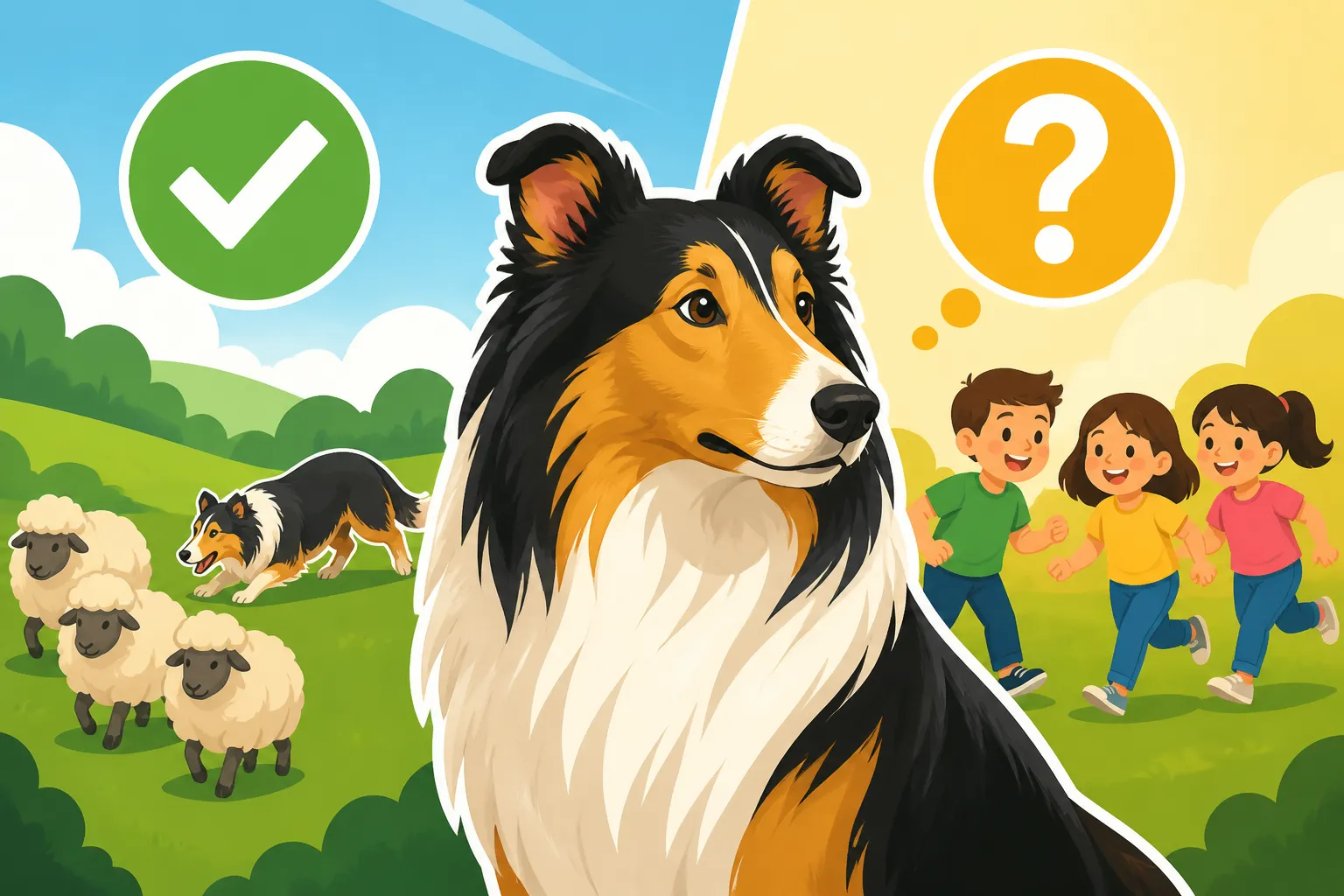
It's a common and totally understandable worry for families bringing a Collie into their home: will this beautiful, intelligent herding dog try to "herd" their children? You envision those classic scenes of a dog gently guiding sheep, but then a flash of concern crosses your mind, wondering if that instinct might translate into a less-than-gentle nip at a running child's heels. This guide will explore the natural herding behaviors of Collies, how they might manifest around kids, and, most importantly, provide actionable strategies to manage and redirect these instincts for a harmonious family life.
The Deep-Rooted Herding Instinct in Collies
Collies, at their very core, are herding dogs. Their ancestors spent centuries working alongside shepherds in the Scottish Highlands, using their intelligence, agility, and unique blend of "eye" and movement to gather and drive livestock. This isn't just a learned behavior; it's deeply ingrained in their genetic makeup, a powerful instinct that tells them to control movement and keep a group together. When you bring a Collie into your home, you're not just getting a pet; you're adopting a creature with a rich working heritage.
Why Collies Naturally Herd
The urge to herd comes from a combination of prey drive and a desire to control movement. Picture a flock of sheep scattering: a Collie's instinct is to bring them back together, to influence their direction. While our children are certainly not sheep, their unpredictable movements, squealing, running games, and general high energy can inadvertently trigger this ancient programming in a Collie. It's not about aggression or malicious intent; it's simply a dog doing what generations of its ancestors have done, attempting to organize its "flock." It's important to remember that for many Collies, this instinct is still very strong, even if they've never seen a sheep in their lives.
This natural inclination is a testament to their heritage. They are problem-solvers who see a chaotic situation (like kids playing tag) and instinctively want to bring order to it. This can often be seen in how they position themselves, trying to get in front of or behind the "runaway" elements. Understanding this fundamental aspect of their being is the first step in effectively managing it. It helps shift our perspective from frustration to appreciation for their inherent nature.
How Herding Manifests in a Family Setting
When a Collie's herding instinct surfaces around children, it can take various forms, some more noticeable or concerning than others. It might start subtly, with your Collie observing the children intently, almost hyper-focused on their movements. Then, as the kids get more active, the Collie might begin to circle them, trying to gather them into a tighter group. This circling might be accompanied by low, focused stares, characteristic of the "Collie eye" used to control sheep.
A common manifestation is the gentle (or not-so-gentle) nudge or bump. A Collie might run alongside a child, using its body to push them in a certain direction. And yes, the much-feared "nip at the heels" can happen. This is a classic herding technique, meant to get a reluctant sheep moving. For a child, however, even a soft nip can be startling, frightening, or even cause a bruise. It's rarely meant to injure seriously, but it can certainly feel that way to a small child. Other signs might include barking excitedly at running children, trying to block their path, or placing themselves strategically between one child and another. These behaviors are simply your Collie trying to perform its job as it understands it.
What Herding Behavior Looks Like with Children
Recognizing the specific behaviors your Collie exhibits when its herding instinct is triggered is crucial for effective management. It's not always a dramatic chase; often, it's a series of subtle cues that build up. Understanding these signs helps you intervene early and redirect your Collie before the behavior escalates.
Common Herding Cues and Actions
When a Collie is in "herding mode" with children, you'll often see a distinct shift in their body language and actions. The most telling signs include:
- Circling or Flanking: The Collie will run in wide arcs around the children, trying to keep them contained in a particular area. They might try to get to the front of the group, then sweep around to the back, much like they would with livestock.
- "The Eye": This is a hallmark of many herding breeds. Your Collie might fix a very intense, unwavering gaze on a child who is moving, almost as if trying to mentally stop or direct them. This stare can be quite unnerving for a child.
- Nipping at Heels or Clothing: This is perhaps the most concerning for parents. A Collie might gently (or sometimes more firmly) nip at a child's ankles, knees, or even grab at their pant legs. Again, this is an attempt to initiate movement or redirect it, not an act of aggression.
- Body Blocking or Bumping: The dog might place itself directly in a child's path, or use its body to gently push a child in a different direction. This is another way they try to influence movement.
- Excited Barking: While Collies are known for their barks, during a herding sequence, the barking can become very sharp, insistent, and focused, specifically directed at the running or moving children, as if urging them along. Why a Collie Barks is a great resource if you're trying to understand barking in general.
These actions are all part of the herding lexicon, translated from the sheep pasture to your living room or backyard. It's important to differentiate these instinctual behaviors from genuine aggression, which typically involves snarling, growling, baring teeth, or a stiff, tense body posture. Herding is usually characterized by fluid movement and an intense focus on the "flock."
Differentiating Play from Problem Herding
It's vital to distinguish between a Collie engaging in appropriate play with children and when its herding instinct has taken over in a potentially problematic way. Many dogs, including Collies, love to play chase or tug-of-war, and they might even "herd" a toy around the yard. This is normal and healthy. The difference lies in the intensity, the specific behaviors displayed, and the child's response.
In healthy play, a Collie's body language is usually loose, wiggly, and inviting. There might be play bows, soft mouths, and a willingness to disengage. The child is also typically enjoying the interaction, laughing, and participating. When herding instinct takes over, the Collie's focus becomes more intense, almost obsessive. The body language might be stiffer, the gaze more fixed, and the nips more directed and persistent, even if still gentle. The child might become visibly uncomfortable, scared, or even cry. If you see your Collie consistently trying to control a child's movement, especially through circling, blocking, or nipping, it's likely the herding instinct at play rather than just a game.
Here's a simple table to help differentiate:
| Behavior Aspect | Play (Appropriate) | Herding (Problematic Instinct) |
|---|---|---|
| Collie's Body | Loose, wiggly, tail wagging, play bows | Stiff, low to ground, intense, focused |
| Eye Contact | Brief, inviting, breaks easily | Fixed, intense stare ("the eye") |
| Mouth Use | Soft nips at air/clothing during excitement | Directed nips at heels/ankles/clothing |
| Movement | Zig-zags, running away, inviting chase | Circling, flanking, blocking paths, driving |
| Child's Reaction | Laughing, engaging, happy | Scared, retreating, crying, uncomfortable |
| Disengagement | Easily distracted, drops toy, takes breaks | Persistent, difficult to interrupt |
Preventing Herding Behavior Before It Starts
The old adage "an ounce of prevention is worth a pound of cure" couldn't be more true when it comes to managing herding instincts in Collies. Starting early and being proactive with training and environmental management can make a world of difference in preventing these behaviors from becoming ingrained habits.
Early Socialization and Puppy Training
Bringing home a Collie puppy is an exciting time, and it's also the most critical period for shaping their future behavior. Early socialization is key. This means exposing your puppy to a wide variety of sights, sounds, people, and experiences in a positive, controlled way, particularly during their prime socialization window (roughly 3-16 weeks). Enroll in a good puppy class, like those often recommended by BAXTER & Bella, which focuses on positive reinforcement and safe interactions. These classes provide a structured environment for puppies to learn appropriate social skills with other dogs and people.
Crucially, teach your Collie puppy bite inhibition. Puppies naturally explore with their mouths, and play-biting is normal. But you need to teach them that human skin is sensitive. If they nip too hard, yelp loudly, and immediately withdraw attention or leave the room for a moment. This teaches them that hard bites end the fun. By redirecting their nipping to appropriate chew toys from brands found on Amazon, you're setting them up for success. Also, introduce them to children gently and under strict supervision. Teach children how to interact calmly with the puppy, avoiding sudden movements or loud noises that might trigger a herding response.
Structured Play and Exercise
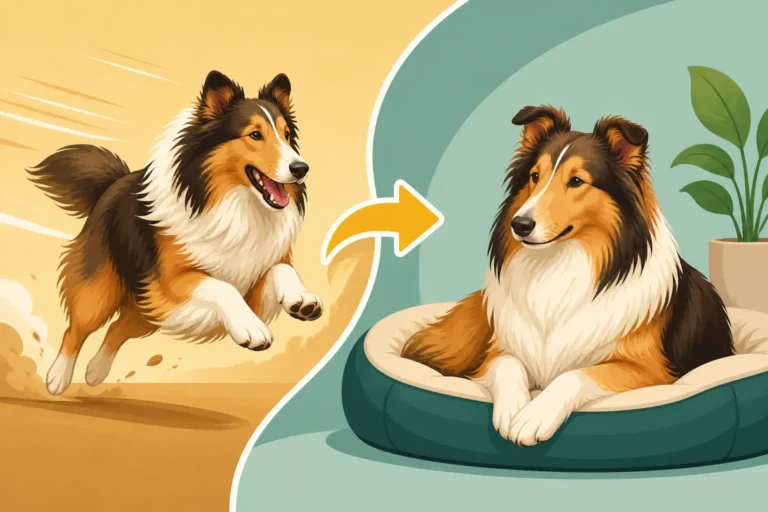
Collies are intelligent and energetic dogs, and a bored Collie is a creative Collie – often finding their "job" in herding children. Providing ample physical and mental exercise is paramount. Don't underestimate the power of a good, brisk walk or a supervised romp in a secure yard. Forty Five Minutes a Day, and Half of It in Its Head really hits the nail on the head here. Physical exercise should include opportunities to run and burn off energy in a safe way, perhaps with a long-line in an open field, or fetch in the park.
Mental exercise is just as important, if not more so, for a Collie. These dogs thrive on having a "job" to do. This can be as simple as daily training sessions where you work on obedience commands, puzzle toys, or even trick training. Agility, rally obedience, or scent work are also fantastic outlets for their keen minds and bodies. If your Collie is mentally stimulated and physically tired, they're much less likely to feel the need to herd your children. Think about regular training sessions that challenge them, making sure they feel engaged and purposeful.
Environmental Management and Supervision
One of the most effective ways to prevent problematic herding behavior is through thoughtful environmental management and constant, vigilant supervision. You can't expect your Collie to magically ignore their instincts, especially when kids are running and playing boisterously.
- Create Physical Barriers: Use baby gates to separate your Collie from children during high-energy playtimes, especially when you can't offer 100% supervision. This gives everyone a safe space.
- Designated Play Areas: Encourage children to play high-energy games in areas where the Collie isn't present, or where the Collie is securely tethered or crated with a calming chew toy.
- Leash Management Indoors: For puppies or Collies still learning, keeping them on a leash when children are active can prevent them from practicing unwanted herding behaviors. You can gently guide them away or step on the leash if they start to give chase.
- Supervision is Key: Never leave a Collie unsupervised with young children, especially if herding behaviors are still a concern. Whether a Collie Should Be Supervised With Toddlers is a critical read. An adult should always be present, ready to intervene and redirect. This isn't about blaming the dog or the child; it's about responsible management. Teach your children to be calm and predictable around the Collie, avoiding screaming or running unless specifically directed in a supervised game of fetch.
Training and Management Strategies for Herding
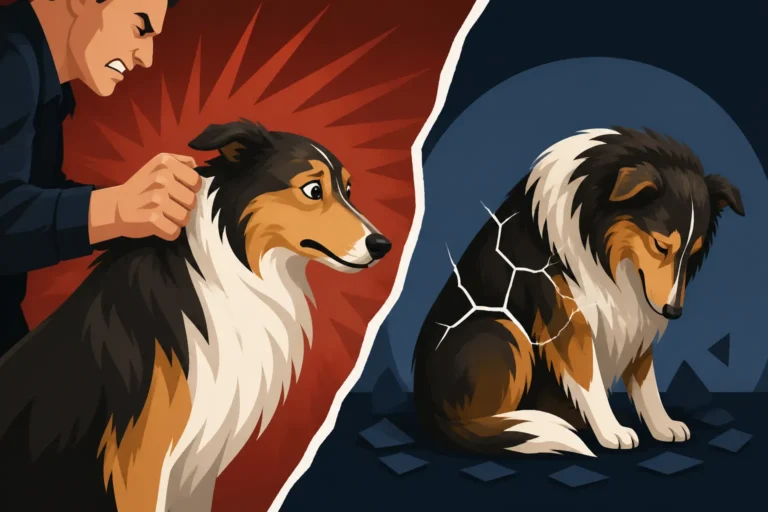
Even with the best prevention, herding instincts might surface. When they do, a consistent, positive reinforcement-based training approach is essential. Harsh corrections or punishment will only damage your bond with your Collie and can lead to fear or increased anxiety, potentially making the problem worse. Harsh Handling Breaks a Collie and It Does Not Come Back truly highlights the sensitive nature of this breed.
Positive Reinforcement Techniques
Positive reinforcement is about rewarding desired behaviors to make them more likely to happen again. When you see your Collie not herding children when they are playing, or choosing to lie down calmly instead, reward that behavior immediately with a high-value treat, praise, or a favorite toy.
- "Go to Mat" or "Place" Command: Teach your Collie to go to a designated mat or bed when requested and stay there calmly, even amidst activity. Practice this extensively when children are not present, then gradually introduce distractions. This gives them an alternative, calm behavior to perform when children are playing.
- Interrupt and Redirect: If you see your Collie about to engage in herding behavior (e.g., intense stare, low crouch), interrupt them with a cheerful verbal cue (e.g., "Nope!" or "Watch me!"), then immediately redirect them to an appropriate activity, like chasing a ball you throw for them or working on a puzzle toy. This fulfills their drive in a constructive way.
- Desensitize to Movement: Gradually desensitize your Collie to children's movement. Start with children walking slowly, reward your Collie for calm behavior, then gradually increase the speed and energy of the children while ensuring the Collie remains relaxed and engaged with you.
Teaching Impulse Control and Obedience
Strong obedience training is your best friend in managing a herding breed. A Collie that understands and reliably responds to commands like "sit," "stay," "down," and "come" is much easier to manage in any situation.
- Recall: A solid "come" command is vital. If your Collie starts to get overly focused on herding, a reliable recall can bring them back to you, allowing you to calm them down or redirect them. Practice this in various environments and with increasing distractions.
- Leave It/Drop It: These commands are useful if your Collie starts to nip at clothes or grabs a child's toy. It teaches them to disengage from something they shouldn't be focused on.
- Stay/Wait: Being able to tell your Collie to "stay" while children enter or move around a room gives you crucial control and prevents immediate herding responses. Make "stay" a rewarding experience, gradually increasing duration and distraction.
- Impulse Control Games: Play games that teach impulse control, such as "It's Your Choice" (where they have to wait for permission to take a treat) or "Red Light, Green Light" with a toy. These games strengthen their ability to control their urges, which directly translates to managing herding instincts. BAXTER & Bella offers excellent online resources and guides for integrating these kinds of fun, educational games into your routine.
Living Safely with a Herding Collie and Children
Creating a safe and harmonious environment where both your Collie and your children can thrive together is absolutely achievable. It requires consistency, patience, and a clear understanding of your Collie's innate nature.
Creating Clear Boundaries
Boundaries are not about punishment; they're about clarity and safety for everyone. Your Collie needs to understand what is acceptable and what isn't when it comes to interacting with children.
- Designated "Dog Zones" and "Kid Zones": As mentioned earlier, using baby gates or pens to establish areas where the dog can retreat for quiet time, or where children can play without being "herded," is invaluable. A comfy bed in their "dog zone" provides a safe haven.
- "Four on the Floor" Rule: This is a fantastic rule to implement, especially with young children. It means all four of your Collie's paws must be on the floor before they get attention or treats from children. This discourages jumping and teaches polite greetings.
- Teach Children Dog Etiquette: Just as the dog needs to learn boundaries, children need to learn how to respectfully interact with a dog. Teach them never to tease, pull tails or ears, disturb a dog who is eating or sleeping, or run screaming directly at the dog. Model calm, gentle interactions. Whether a Collie Is Patient With Visiting Children touches on this critical aspect of family integration.
Encouraging Calm Interactions
The goal isn't to extinguish your Collie's herding instinct entirely, which is impossible and unfair to the breed. The goal is to redirect it and encourage calm, appropriate interactions with children.
- Supervised, Calm Greetings: When children approach your Collie, ensure it's a calm, controlled interaction. Have your Collie sit or lie down, then allow children to offer a gentle pet, always supervising. Reward the Collie for remaining calm.
- "Helping" with Tasks: Collies thrive on having a purpose. Give them "jobs" that don't involve herding children. This could be fetching their leash, carrying a lightweight toy in their mouth while walking, or helping you retrieve items (if trained). This engages their desire to work in a positive way.
- Praise and Reward Calmness: Actively seek out and reward moments of calmness when children are present. If your Collie is lying quietly while kids are playing, quietly go over and give them a treat or gentle praise. This reinforces that calm behavior around children is highly valued.
Remember, a Collie is truly a wonderful family dog—loyal, intelligent, and often deeply devoted to their human "flock." With understanding, consistent training, and thoughtful management, you can absolutely enjoy a fulfilling life with your Collie and children, free from the worry of unwanted herding behaviors.
Disclaimer
This article is for general informational purposes only and does not constitute professional advice. Laws, prices and regulations vary by location and change over time. Consult a qualified professional for guidance on your specific situation.