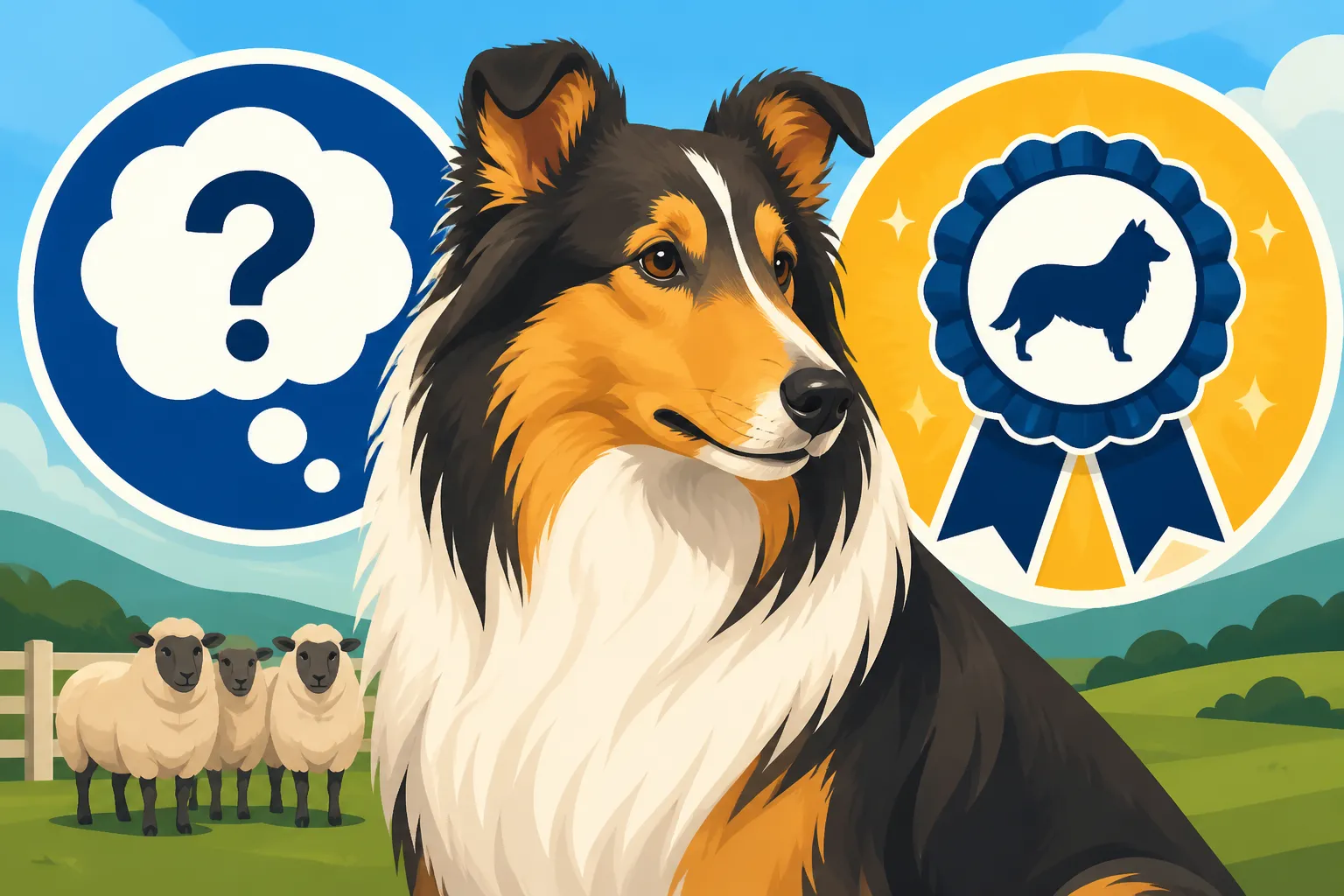
Whether a Collie Can Earn a Herding Title
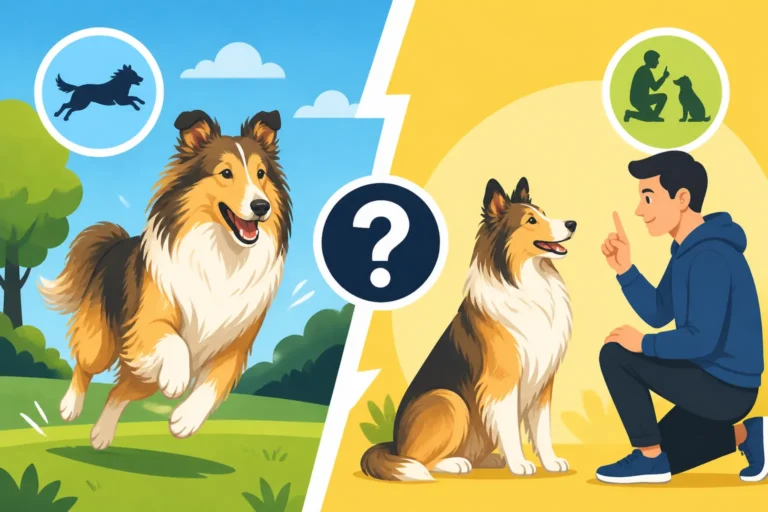
Many Collie owners look at their beautiful, often serene companions and wonder if the powerful herding instinct that once defined the breed is still alive. Perhaps you've seen videos of Border Collies expertly maneuvering sheep and thought, "Could my gentle Collie ever do that?" It's a valid question, as the modern Collie, particularly the show-bred varieties, can seem a world away from their working ancestors. But fear not, the spark is often still there, and with the right guidance and understanding, your Collie absolutely can learn to herd and even earn official herding titles. This guide will walk you through what it takes to unlock that ancient instinct and achieve those exciting milestones with your beloved companion.
Understanding the Collie's Herding Instinct
It's easy to assume that because Collies are now primarily cherished family pets or elegant show dogs, their working drive has vanished entirely. However, the instincts that made them indispensable partners to shepherds centuries ago are often just dormant, waiting for the right opportunity to surface.
The Historical Roots of Collie Herding
Before they were gracing royal estates or starring in Hollywood films, Collies were rugged, intelligent, and highly capable working dogs in the Scottish Highlands. Their job was to gather, drive, and protect sheep, often working independently or with minimal guidance from their human partners. This wasn't just a physical task; it was a mental one, requiring keen observation, problem-solving, and a strong desire to manage the flock. This deep-seated heritage means that even generations later, your modern Collie carries the blueprint of a herding dog within its DNA. You can trace this history through articles like The Collie Was a Scottish Droving Dog Before It Was a Show Dog. Their purpose was clear: to move livestock efficiently and safely.
While the exact style of their herding might differ from other breeds – often described as having a "loose-eyed" or "gathering" style rather than the intense "strong-eyed" stare of a Border Collie – the core components are fundamentally similar. They might not flatten themselves to the ground or give a piercing gaze to a sheep, but they possess an innate understanding of how to influence the movement of animals. This historical context is crucial to appreciating the potential within your own Collie.
Recognizing Herding Instinct in Your Pet Collie
So, how do you know if your couch potato Collie has a hidden shepherd within? The signs of herding instinct can manifest in various ways, even in a suburban home. You might notice your Collie gently nudging family members to move them from one room to another, or perhaps they'll try to "gather" children or other pets in the yard, circling them subtly. Sometimes, it's as simple as an intense focus on moving objects – a rolling ball, a scurrying squirrel, or even leaves blowing in the wind. They might exhibit a low crouch, a focused stare, or a tendency to circle.
These behaviors, while sometimes a bit amusing or even mildly annoying in a non-working environment, are direct echoes of their ancestral job. They’re not just playing; they’re engaging in ingrained patterns of movement and control. Observing these subtle cues can be your first indicator that your Collie has the natural inclination to herd and would likely benefit from formal herding instinct testing. A comprehensive look into this can be found in What a Herding Instinct Test Involves for a Collie.
The Difference Between Herding and Working Lines
It’s important to acknowledge that not all Collies have the same intensity of herding drive. Over generations, as the breed transitioned from working farms to show rings and family homes, some lines retained a stronger, more palpable instinct, while others were bred for temperament, beauty, and companionship, with working ability becoming a secondary consideration. This has led to a distinction between "working lines" and "show lines," though the two are not always mutually exclusive.
Working line Collies are typically bred specifically for their herding prowess, focusing on traits like biddability, intelligence, and a strong natural instinct to work livestock. Show line Collies, while still retaining the breed's intelligence and desire to please, might have a softer herding instinct, requiring more encouragement and structured training to bring it out. However, even a Collie from a purely show background can surprise you with how quickly they take to herding once exposed to it. It truly speaks to the enduring nature of their genetic heritage, and many owners are delighted to discover that their pet Collie still has a strong, albeit perhaps refined, desire to work. Whether a Collie Still Has Working Instinct discusses this in more detail.
Getting Started with Herding Training
Once you've observed those tell-tale signs, or simply feel compelled to explore this incredible aspect of your Collie's heritage, the next step is finding the right environment and guidance. This isn't something you can easily teach in your backyard with a few chickens; it requires specialized facilities and experienced trainers.
Finding a Qualified Instructor and Facility
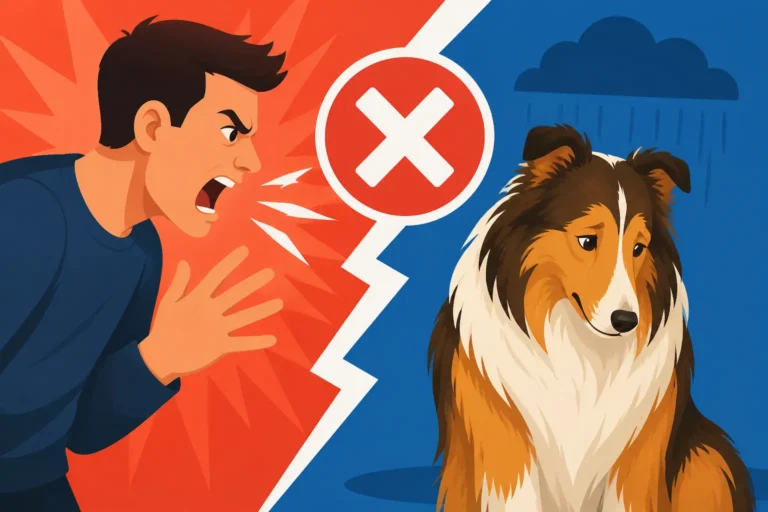
This is perhaps the most critical step. Herding training is a nuanced art, and working with livestock requires expertise to ensure the safety of both your dog and the animals. You'll want to seek out a facility that offers herding lessons and trials, ideally with instructors who have experience working with Collies and other herding breeds. Not all herding instructors are created equal, and some may be more familiar with the intense, hard-driving Border Collie style. A good instructor for a Collie will understand their sensitivity and often gentler approach, using positive reinforcement methods that build confidence rather than overwhelming them. Harsh Handling Breaks a Collie and It Does Not Come Back emphasizes this gentle approach.
Look for trainers who prioritize stockmanship – the understanding and management of livestock – alongside dog training. They should focus on teaching your Collie to work the stock responsibly, without chasing or frightening them. Many regional Collie clubs or herding associations can provide recommendations for reputable training facilities in your area. Don't be afraid to visit a few places, observe classes, and ask plenty of questions to find the perfect fit for you and your Collie.
Initial Assessments and Herding Instinct Tests
Before diving into full-blown lessons, most facilities will offer a "herding instinct test" or initial assessment. This isn't a pass/fail situation; it's a way for the instructor to observe your Collie's natural inclinations, assess their comfort level with livestock (usually a small group of sheep or ducks), and see how they respond to being in a new, stimulating environment. During this assessment, your Collie might be introduced to the stock on a long line, allowing the instructor to guide and encourage their natural herding behaviors.
The instructor will look for signs like interest in the stock, an attempt to gather or move them, a low head carriage, or an intense focus. Even if your Collie seems a bit bewildered at first, a good instructor can often coax out that latent instinct. This session is invaluable for determining if herding is a good fit for your dog and what kind of training approach will be most effective. It's often a relatively low-cost entry point to the world of herding, and a fantastic way to see if your Collie has the "spark." You can expect to pay a fee for this assessment, which you can read more about in What Herding Instinct Testing Costs a Collie Owner.
Essential Equipment for Herding Training
When you first start herding lessons, you won't need a lot of specialized gear. The herding facility will provide the livestock and any specific working equipment. However, there are a few general items that are always helpful for any dog training endeavor, and certainly for building that vital connection and foundation with your Collie.
- A sturdy, comfortable leash and collar: A standard 6-foot leash and a flat buckle collar are usually sufficient for initial control and guiding your dog. Avoid retractable leashes, as they offer poor control, and consider a well-fitting harness if your Collie tends to pull, though for herding, a collar is often preferred for more direct communication.
- A long line: This is an invaluable tool, especially in the early stages, for giving your Collie freedom to move around the stock while still maintaining a safety tether. A 20-30 foot long line, easily found on platforms like Amazon, allows them to explore their herding instincts without running off or getting into trouble.
- High-value treats: Positive reinforcement is key, especially with a sensitive breed like the Collie. Having irresistible treats on hand for rewarding focus, calm behavior, and initial engagement with the stock will greatly aid in training.
- Water and a bowl: Herding is physically and mentally demanding. Always have fresh water available for your Collie, particularly during warmer weather.
Remember, the emphasis in herding isn't on fancy equipment, but on clear communication, positive motivation, and a patient, understanding approach from both you and your instructor. Building a strong bond and foundational obedience skills, perhaps through programs like BAXTER & Bella, before you hit the herding arena can also set your Collie up for greater success.
The Journey to Earning a Herding Title
Once your Collie has demonstrated that lovely instinct and you've started formal training, the real fun begins: working towards those official herding titles. This journey is immensely rewarding, strengthening your bond and showcasing your Collie's incredible intelligence and natural ability.
Understanding Herding Trial Levels and Titles
Herding titles are awarded by organizations like the American Kennel Club (AKC), American Herding Breed Association (AHBA), and others, each with slightly different rules and levels. Generally, the progression involves mastering increasingly complex tasks.
Here's a simplified overview of common AKC titles:
- Herding Tested (HT) / Pre-Trial Test (PT): These are introductory non-competitive titles that confirm a dog has basic herding instinct and can respond to simple commands around stock. They are a great starting point to gauge your Collie's interest and ability without the pressure of a full trial.
- Herding Started (HS): This is the first competitive title, indicating your Collie can work a small group of stock with handler direction, demonstrating control and the ability to move the stock in a specific direction.
- Herding Intermediate (HI): Builds on HS, requiring more complex maneuvers and longer courses.
- Herding Advanced (HX): The highest level of herding title, demonstrating a high degree of skill, precision, and partnership between dog and handler over challenging courses.
- Herding Championship (HC): Awarded to dogs that accumulate enough points from various advanced trials, signifying consistent excellence.
Each title requires earning qualifying scores under different judges on specific courses. It's a journey of continuous learning and refinement, celebrating each small victory along the way. What a Collie Herding Trial Entry Costs will give you an idea of the financial investment for these competitive events.
Common Challenges and How to Overcome Them
While Collies have a natural aptitude, the path to a herding title isn't always smooth sailing. There are common challenges that you and your instructor will work through:
- Sensitivity: Collies are known for their sensitive nature. They don't respond well to harsh corrections or yelling. A trainer who understands this will use positive reinforcement, clear communication, and patience. You might find your Collie "shutting down" if they feel overwhelmed or unfairly corrected, so gentle guidance is paramount.
- Lack of "Grip" or Force: Unlike some breeds that are bred to be quite assertive with stock, Collies often have a softer approach. This can sometimes make it harder to move stubborn stock or require the handler to be more proactive in supporting their dog. Learning to use your voice and body language effectively to supplement your Collie's natural style is key. Whether a Collie Herds Differently Than a Border Collie goes into more detail about these stylistic differences.
- Environmental Distractions: Herding often takes place in busy environments with other dogs, people, and unfamiliar livestock. Helping your Collie maintain focus amidst these distractions is an ongoing training task. Early socialization and consistent obedience training (even basic cues learned through programs like BAXTER & Bella) are foundational.
- Handler Errors: Let's be honest, we humans are often the biggest challenge! Learning to read stock, understand your dog's movements, and give timely, clear commands takes practice. Don't get discouraged; every herding team learns together.
Overcoming these challenges involves consistent practice, a willingness to learn from mistakes, and a deep appreciation for your Collie's unique working style. It's about building a true partnership where you both understand and trust each other implicitly.
Celebrating Your Collie's Achievements
The moment your Collie earns their first herding title, whether it's an HT or an HS, is incredibly special. It's not just a piece of paper; it's a testament to their innate ability, your dedication, and the powerful bond you've forged. This achievement validates their heritage and allows them to express a core part of who they are as a breed.
Celebrating these milestones is important, not just for the recognition, but for the joy and pride it brings. Share your success with your training community, fellow Collie enthusiasts, and, of course, shower your Collie with praise, extra playtime, and perhaps a special treat. Remember that the journey itself, the learning, and the partnership, are often more rewarding than the title alone. It's about giving your Collie a fulfilling outlet for their intelligence and instincts, and seeing them thrive in a role they were born to do.
Beyond the Title: Continued Growth and Enjoyment
Earning a herding title is a fantastic accomplishment, but it's often just the beginning of a lifelong journey of learning and enjoyment for both you and your Collie. The world of herding offers many avenues for continued engagement and growth.
Exploring Advanced Herding Scenarios
Once your Collie has mastered the basic levels, you can explore more advanced herding scenarios and larger, more challenging flocks. Some facilities offer opportunities to work cattle, goats, or even different types of sheep, which present new challenges and require different strategies. Whether a Collie Works Sheep or Cattle delves into these distinctions. This progression helps keep your Collie mentally stimulated and prevents the training from becoming stale.
You might also consider focusing on different courses or styles of herding, such as arena trials versus field trials, which simulate more natural open-field work. Each variation further hones your Collie's skills and deepens your understanding of their herding capabilities. This constant evolution ensures that herding remains an exciting and engaging activity for both of you.
Participating in the Herding Community
The herding community is often a warm and welcoming group of dedicated dog owners and trainers. Participating in trials and training clinics offers a wonderful opportunity to connect with like-minded individuals, share experiences, and learn from others. These interactions can be incredibly supportive, providing encouragement when you face challenges and celebrating successes together.
Joining local or national herding associations can also open doors to more resources, educational opportunities, and a network of experienced mentors. These connections can be invaluable as you continue your herding journey, offering insights, advice, and friendships that last a lifetime. Many of these groups also advocate for the preservation of working breeds and their instincts.
Keeping the Instinct Alive at Home
Even if you're not actively competing, you can keep your Collie's herding instincts engaged and satisfied at home. While you won't be herding livestock in your living room, you can incorporate mentally stimulating games and activities that tap into similar drives. Puzzle toys (many available on Amazon), scent work, and advanced obedience can all provide an outlet for your Collie's intelligence and focus. You can also explore other dog sports like Herding, Rally and the Sports a Collie Was Made For, which offers similar challenges and rewards without requiring livestock.
Remember that a well-exercised and mentally stimulated Collie is a happy Collie. Even if their official herding career is brief, the experience of training and working together provides immense benefits, strengthening your bond and fulfilling a fundamental part of their genetic makeup. Whether they become a champion or simply enjoy the occasional herding lesson, giving your Collie the chance to embrace their heritage is a gift that will enrich both your lives.
| Herding Level | Description | Key Skills Required | Potential Titles |
|---|---|---|---|
| Foundation | Introduction to stock; assessing natural instinct. | Interest in stock, basic responsiveness to handler. | Herding Tested (HT), Pre-Trial Test (PT) |
| Novice | Learning basic control and movement of stock in a small arena. | Directional control (e.g., "come by," "away to me"), stopping. | Herding Started (HS) |
| Intermediate | More complex maneuvers, larger courses, greater independence. | Flanking, driving, negotiating obstacles. | Herding Intermediate (HI) |
| Advanced | High level of precision, handling challenging stock and courses. | Outrun, fetch, cross-drives, shedding (separating stock). | Herding Advanced (HX), Herding Championship (HC) |
Disclaimer
This article is for general informational purposes only and does not constitute professional advice. Laws, prices and regulations vary by location and change over time. Consult a qualified professional for guidance on your specific situation.