Whether a Collie Can Swim
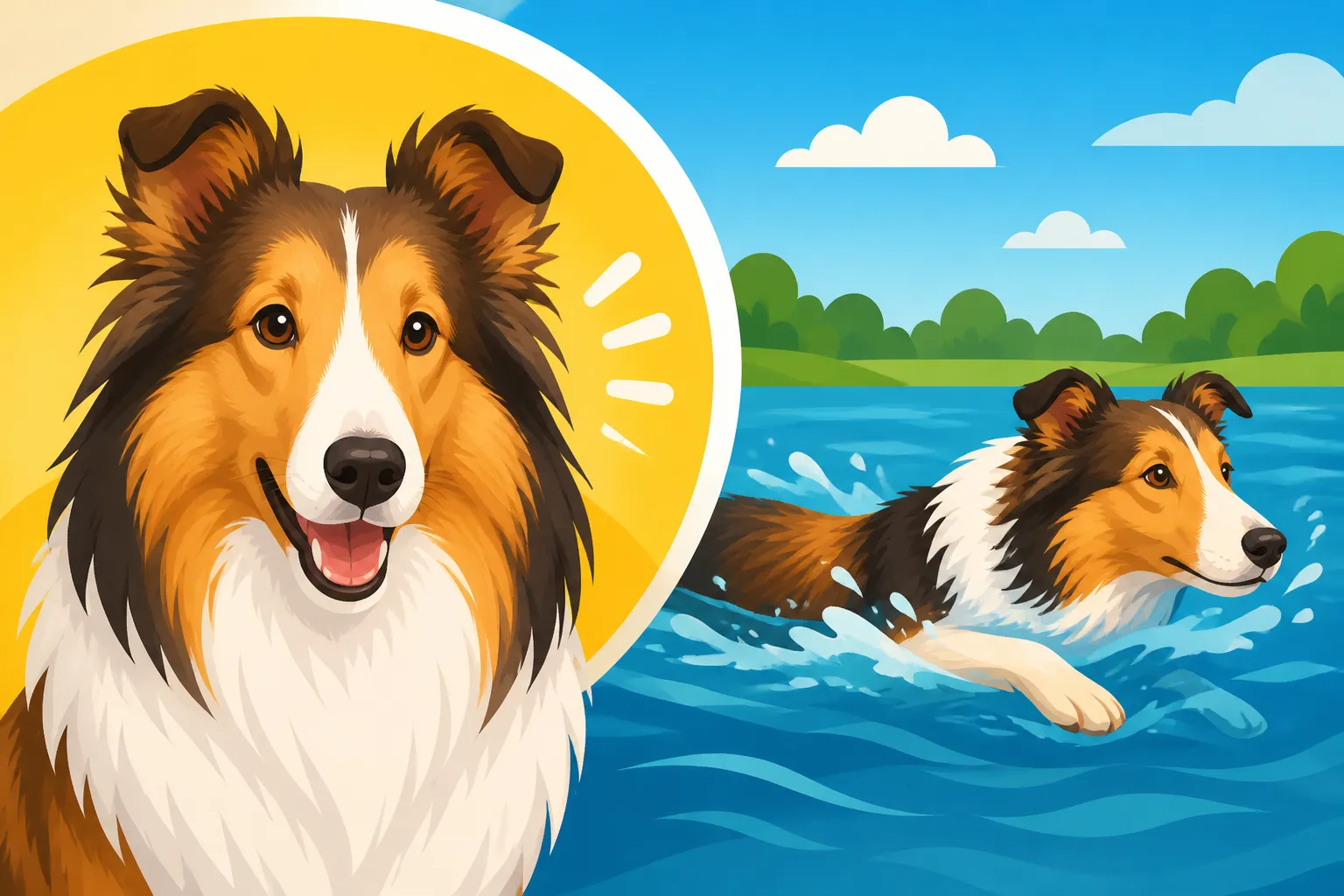
It’s a common question I hear from Collie owners, especially as the warmer months roll around or when planning a family trip to a lake: "Can my Collie actually swim?" While Collies aren't instinctively known for their aquatic prowess like a Labrador or a Golden Retriever, the truth is most Collies can learn to swim. This guide will walk you through what to expect, how to introduce your beloved Collie to water safely, and what precautions you need to take to ensure their experience is a positive one.
Understanding Your Collie's Natural Aptitude for Swimming
When you picture a dog built for swimming, you likely imagine a sleek, short-coated breed with webbed feet and a powerful otter-like tail. A Collie, with that magnificent, flowing coat and elegant build, doesn't immediately spring to mind, does it? And you'd be right to pause. Collies, whether rough or smooth coated, were primarily bred for herding sheep in the Scottish Highlands, not for retrieving ducks from icy lochs. Their physical characteristics and inherent instincts are geared towards land-based work, which means swimming isn't typically hardwired into their DNA.
However, that doesn't mean they're incapable. Many Collies take to water with enthusiasm, while others might be more hesitant. It really comes down to the individual dog's personality, early experiences, and how they're introduced to the aquatic environment. Some will paddle confidently from the first splash, while others will eye the water with deep suspicion, preferring to keep all four paws firmly on dry ground. It's crucial not to force the issue if your Collie shows strong aversion; a negative experience can create a lifelong fear of water.
Breed-Specific Considerations for Collies in Water
Let's talk about those gorgeous Collie traits that play a role in their swimming potential.
The Magnificent Coat (Rough Collies):
Ah, the Rough Collie's double coat! It’s what makes them so undeniably beautiful, but it can be a bit of a hindrance in the water. That dense undercoat, while fantastic for insulation in cold weather, can become incredibly heavy and waterlogged. Imagine trying to swim with a sodden wool blanket wrapped around you – that's somewhat what your Rough Collie might experience. This extra weight can tire them out much faster, making it harder for them to stay afloat and propel themselves effectively. Plus, a wet Collie coat is a prime candidate for matting if not thoroughly dried and brushed afterward. If you've ever spent hours battling mats, you know this is a significant concern. How to Dry a Collie Properly and Whether a Collie's Coat Mats If You Skip a Week are crucial reads here.
Body Shape and Herding Instincts:
Collies have a fairly athletic build, but they're not as broad-chested or heavily muscled as some water-loving breeds. Their longer bodies and more moderate leg structure are built for agility and endurance on land. The herding instinct, while wonderful in other contexts, doesn't translate directly to swimming prowess. They might instinctively try to "herd" moving water or waves, which can sometimes be confusing or even a little disorienting for them.
Smooth Collies and Water:
For those with a Smooth Collie, you might think their shorter coat makes them naturals for swimming. And yes, they won't get as waterlogged as their rough-coated cousins, which is definitely an advantage. The drying time is significantly less, too! However, the core herding dog build and temperament remain the same. While the coat isn't a barrier, their innate desire to swim still varies widely from dog to dog. They might still be hesitant or, conversely, take to the water like a fish.
Safety First: Essential Gear and Precautions for Collie Swimmers
Before your Collie even dips a paw in the water, safety needs to be your absolute priority. Just because they can swim doesn't mean they're inherently safe in every watery environment. A moment's lapse in judgment could lead to a scary situation. Remember, you're the responsible adult in this partnership, and your Collie relies on you to keep them safe.
The Non-Negotiable: A Dog Life Jacket
This is probably the single most important piece of gear for any dog new to swimming, and especially for a Collie, rough or smooth. A good quality dog life jacket provides buoyancy, helping your Collie stay afloat without expending as much energy. This is incredibly helpful, especially for Rough Collies whose coats can drag them down. It also gives you a handle to easily guide or lift your dog out of the water if they get tired or into trouble.
When choosing a life jacket, look for:
- A secure fit: It shouldn't be too loose, allowing your dog to slip out, or too tight, restricting movement. Many excellent options are available from retailers like Amazon, offering various sizes and designs to fit your Collie perfectly.
- Good flotation: Ensure it has enough buoyant material to support your Collie's weight.
- A strong handle: This is your lifeline if you need to quickly grab your dog.
- Bright colors: This helps with visibility, especially if you're swimming in open water.
Even if your Collie becomes a strong swimmer, a life jacket is a wise precaution, particularly in unfamiliar or turbulent waters, or if they'll be swimming for extended periods.
Other Important Considerations
Beyond the life jacket, there are other crucial safety aspects to consider:
- Supervision is non-negotiable: Never, ever leave your Collie unattended near water, even for a second. Accidents happen quickly, and a strong current, an unexpected drop-off, or simply tiring out can turn fun into danger in a blink.
- Start in calm, shallow water: Avoid fast-moving rivers, deep lakes, or strong ocean currents until you're absolutely sure of your Collie's swimming ability and confidence. A kiddie pool in the backyard, a gentle pond, or the shallow end of a calm lake are ideal starting points.
- Check water quality: Be mindful of stagnant water, algae blooms, or unknown contaminants that could make your Collie sick. Freshwater lakes and rivers can also have hidden hazards like sharp rocks, broken glass, or even dangerous wildlife.
- Temperature: Collies have that dense coat. While it protects them from cold, they can also Whether a Collie Overheats in Its Coat in warm water or hot weather. Watch for signs of overheating, like excessive panting, lethargy, or bright red gums.
- Post-swim care: After a swim, thoroughly rinse your Collie's coat with clean water to remove any chlorine, salt, or lake debris. This is especially important for Rough Collies to prevent skin irritation and matting. Follow up with a diligent drying and brushing session to prevent hot spots and maintain coat health.
Introducing Your Collie to Water: A Step-by-Step Guide
Introducing your Collie to water should be a gradual, positive, and patient process. Rushing it can create fear and aversion that's hard to overcome. Think of it as building confidence, one splash at a time.
Step 1: Positive Association on Dry Land
Before you even get near a body of water, make sure your Collie has a positive association with anything water-related.
- Play with water: Get out a hose on a gentle setting or a sprinkler in the yard. Let your Collie investigate at their own pace. Some will immediately try to "catch" the water, others might jump back. Keep it light, fun, and reward any curiosity.
- A kiddie pool: Fill a shallow plastic kiddie pool with just an inch or two of water. Toss some favorite floating toys in there. Encourage them to step in, rewarding them with treats and praise when they do. Don't force them in, just make it the most exciting place to be. This is a great way for them to explore water on their own terms.
Step 2: Gentle Introduction to Natural Water Sources
Once your Collie is comfortable with shallow water, you can move to a larger, natural body of water.
- Choose wisely: Pick a location with a gradual, shallow entry point, like a sandy beach on a calm lake. Avoid steep banks or rocky shores for these first experiences.
- Lead by example (or with a confident friend): If you're comfortable, wade into the shallow water yourself. Call your Collie to you in an encouraging, happy voice. Many Collies, with their strong bond to their humans and tendency to Why a Collie Follows You From Room to Room, will follow you. If you have another dog that loves swimming and your Collie gets along well with them, let the confident dog demonstrate the fun!
- Keep it shallow: For the very first attempts, the water should be no deeper than your Collie's chest. Let them wade, splash, and get used to the feeling of the water around them. Reward generously for positive interactions.
- Use a harness and long leash: This gives you control without pulling on their neck, which can be distressing. It also allows you to guide them gently.
Step 3: Encouraging the First Strokes
Once your Collie is comfortable wading, you can gently encourage them to paddle.
- Life jacket on: This is where that life jacket really shines. Put it on your Collie before they enter the water. It will make their first few strokes much easier and less scary.
- Support and praise: With the life jacket on, you can gently support their belly if they start to lift their feet. Let them feel the sensation of paddling. Your hands are just there for security, not to do the work for them. Lavish them with praise and treats.
- Floating toys: Toss a favorite floating toy just a short distance from shore, in water where they'll have to paddle a bit. Make it exciting! Many dogs are motivated by play.
- Short sessions: Keep initial swimming sessions very short and positive. End on a good note, even if it's just a few minutes of successful paddling. You want them to associate water with fun, not exhaustion or fear.
Remember, every Collie is an individual. Some will dive right in, others will need weeks of patient encouragement. Don't compare your Collie to other dogs. Focus on celebrating their small victories and building their confidence at their pace. Resources like BAXTER & Bella, with their emphasis on positive reinforcement and confidence-building through various life stages, can be really helpful if you find yourself struggling with a nervous pup.
Common Water-Related Challenges and How to Overcome Them
Even with the best intentions, you might encounter some bumps along the road when introducing your Collie to water. It's okay! Many of these challenges are normal and can be addressed with patience and understanding.
Dealing with Hesitation or Fear
If your Collie is hesitant or outright afraid of the water, forcing them will only make it worse.
- Go back a step: If they're scared of a lake, return to the kiddie pool or even just playing with the hose. Rebuild that positive association in a less intimidating environment.
- Positive reinforcement: Every time they even look at the water, reward them. A paw in? Jackpot! Associate water with their favorite treats and toys. How to Build Confidence in a Nervous Collie details strategies that can easily be applied to water aversion.
- Avoid negative experiences: Don't push them off a dock, throw them in, or let them fall in accidentally. These can be traumatizing.
- Patience is key: Some Collies just take longer. Give them time, keep sessions short, and always end positively.
Managing the Wet Coat
That beautiful Rough Collie coat can become a heavy, tangled mess after a swim.
- Pre-swim brush: Give your Rough Collie a good brush before swimming to remove loose hair and tangles. This can reduce matting afterward.
- Rinse thoroughly: As mentioned, rinse off lake water, salt, or chlorine immediately.
- Towel dry: Use absorbent towels to get out as much moisture as possible.
- Force dryer: A high-velocity force dryer is a game-changer for Rough Collies. It pushes water out of the coat quickly and efficiently, preventing matting and hot spots. If you don't have one, consider visiting a self-wash dog facility that does, or scheduling a grooming appointment.
- Line brushing: After they're mostly dry, line brush your Rough Collie's coat to ensure all the undercoat is dry and tangle-free. How to Line Brush a Collie is an excellent resource for this technique.
Preventing Ear Infections
Water in the ears is a common cause of ear infections in dogs. Collies, with their drop ears, can be particularly susceptible.
- Clean and dry: After every swim, gently clean and thoroughly dry your Collie's ears. You can use a cotton ball or a soft cloth, never stick anything deep into the ear canal.
- Ear cleaning solution: Ask your vet for a recommended dog-specific ear cleaning solution to help dry out the ear canal and prevent bacterial growth.
Table of Collie Water Safety Tips
| Aspect | Rough Collie Specific | Smooth Collie Specific | General Collie Water Safety |
|---|---|---|---|
| Coat Management | Pre-swim brush, immediate rinse, thorough force drying. | Less drying time needed, but still rinse well. | Always rinse after swimming; prevent mats/skin irritation. |
| Buoyancy | Life jacket highly recommended due to heavy, waterlogged coat. | Life jacket still recommended for safety/endurance. | Always use a properly fitted dog life jacket. |
| Overheating Risk | High due to dense coat; swim during cooler parts of day. | Moderate; still monitor in warm conditions. | Watch for excessive panting, lethargy; provide shade/fresh water. |
| Ear Care | Prone to ear infections due to drop ears; dry thoroughly. | Prone to ear infections due to drop ears; dry thoroughly. | Clean and dry ears immediately after water exposure. |
| Initial Approach | Very gradual introduction due to potential discomfort from heavy coat. | Gradual introduction, but may adapt faster without coat hindrance. | Start in shallow, calm water; positive reinforcement is key. |
| Supervision | Essential for all water activities. | Essential for all water activities. | Never leave your Collie unattended near water. |
In the end, whether your Collie becomes a water enthusiast or a dry-land loyalist, the journey should be about their comfort and safety. Celebrate their willingness to try, and respect their boundaries. A happy, confident Collie is always the goal, no matter if they prefer splashing in a puddle or performing a perfect doggy paddle.
Disclaimer
This article is for general informational purposes only and does not constitute professional advice. Laws, prices and regulations vary by location and change over time. Consult a qualified professional for guidance on your specific situation.