Whether a Collie Can Be Taught to Stop Herding
Many Collie owners bring their beautiful, intelligent dogs into their homes, dreaming of a calm, gentle companion, only to find themselves constantly being "herded" by their furry friend – whether it's nipping at the kids' heels, circling guests, or trying to gather the household cats. It’s frustrating when your dog’s natural instincts clash with modern home life, making you wonder if a Collie can truly learn to turn off that strong herding drive. This guide will dive deep into understanding these behaviors and, more importantly, equip you with realistic strategies to manage and redirect your Collie's innate herding tendencies so you can live in harmony.
Understanding the Collie's Innate Herding Instinct
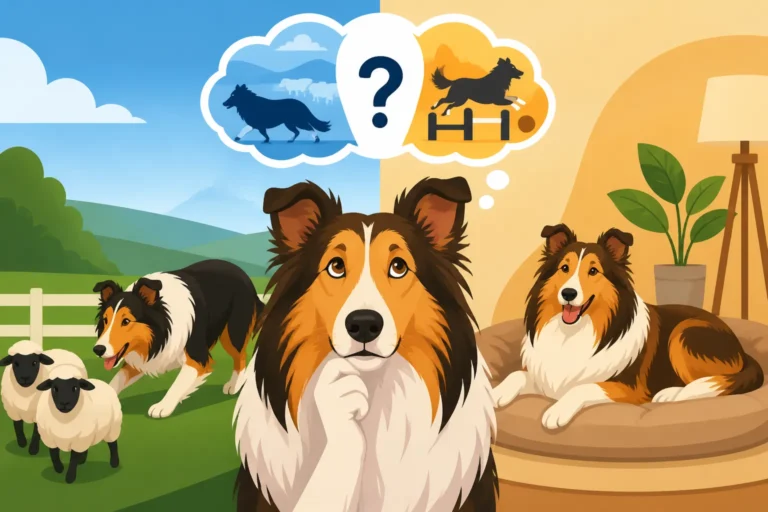
The Collie breed, both rough and smooth varieties, was originally developed to herd sheep in the rugged Scottish Highlands. This wasn't just a casual job; it was essential for survival, requiring a complex set of behaviors like gathering, driving, circling, and controlling livestock. While your modern Collie might spend its days on a comfy sofa rather than a windswept pasture, those ancient instincts are still very much alive in their DNA. It’s not about your Collie being disobedient; it’s about them expressing what they were born to do.
This deep-seated genetic programming means that while you can't remove the instinct entirely, you can absolutely teach your Collie appropriate outlets and boundaries for it. Think of it like a musician with a natural talent for playing an instrument; you wouldn't expect them to never play, but you can teach them when and where to express their musicality. Ignoring these instincts or punishing them harshly can lead to confused, frustrated, or even anxious dogs, often manifesting in other undesirable behaviors. We want to work with their nature, not against it.
The Genetic Roots of Herding Behavior
The Collie's herding style is often described as "loose-eyed" or "upright," meaning they typically don't use the intense, crouching stare seen in a Border Collie. Instead, they rely more on their presence, controlled movement, and barking to direct livestock. This style translates to home life as gentle nudges, circling, blocking pathways, and sometimes vocalizations. When your Collie circles you as you walk to the kitchen, they’re not being clingy; they’re trying to gather their flock (you!) and move you in a direction. It's a fascinating, if sometimes inconvenient, glimpse into their heritage.
These behaviors are deeply ingrained, passed down through generations. Breeding choices over centuries have refined specific traits that make a Collie an effective herder: intelligence, responsiveness, a strong bond with their handler, and the drive to control movement. When you see your Collie exhibiting these traits, it’s a testament to their lineage. Understanding this can help shift your perspective from "my dog is misbehaving" to "my dog is doing what comes naturally, and I need to guide them." It's less about breaking a bad habit and more about channeling a powerful drive into acceptable outlets.
Why Herding Instincts Emerge in the Home
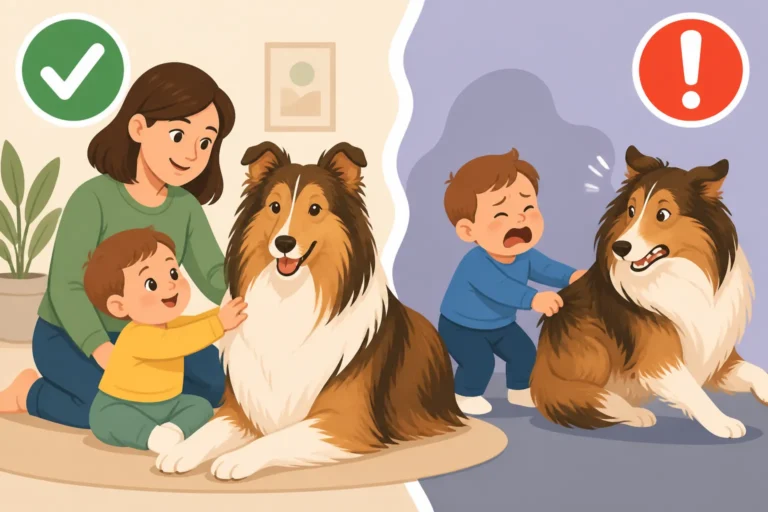
It's natural for these instincts to appear, even without a flock of sheep. In a home environment, children, other pets, or even moving objects like vacuum cleaners can become the "flock." A child running across the yard might trigger a Collie's impulse to gather and control that movement, leading to nipping at heels or blocking their path. Why a Collie Herds Your Children is a common concern for families. This isn't malice; it's instinct in action. It's their brain saying, "Movement! Must control!"
The absence of a real job can exacerbate these behaviors. A Collie, like many intelligent working breeds, needs mental and physical engagement. If their minds aren't stimulated, they'll find their own "jobs," and often that job involves herding whatever is available. A bored Collie might start herding the cat more intensely, or incessantly nudging family members. This highlights the importance of providing appropriate mental and physical enrichment, which we’ll discuss later, to satisfy that inherent drive.
Identifying Unwanted Herding Behaviors
Before you can tackle herding behaviors, you need to recognize what they look like in a domestic setting. It's not always obvious, especially to new Collie owners who might interpret these actions as playful or just typical "dog stuff." But when you know what to look for, you can start addressing it proactively. Often, these behaviors start subtly and escalate if not managed.
The key is to identify the intent behind the action. Is your Collie simply following you, or are they trying to guide your movement? Are they playing with another pet, or are they attempting to control where that pet goes? Recognizing the difference is crucial for effective training. It also helps to consider the context: does it happen only when certain family members are active, or when a specific object moves?
Common Herding Behaviors in a Domestic Setting
One of the most frequent complaints I hear from Collie owners is the "heel nipping." This is when your Collie gently (or sometimes not so gently) nips or mouth at the ankles or calves of people, especially children, who are running or moving quickly. They’re trying to stop the "fleeing livestock" and bring them back to the "flock." It’s deeply instinctive, and children, with their erratic movements, are often prime targets. While it's not usually aggressive, it can be startling and, for sensitive children, quite upsetting.
Another common behavior is circling. Your Collie might repeatedly run circles around you, your children, or even other pets. They're trying to gather everyone into a cohesive unit, to keep their "flock" together. How to Stop a Collie Circling the Family is a common search query. You might notice this when you're trying to leave a room, or when kids are playing in the yard. They might also try to block pathways, placing themselves between you and your destination, effectively saying, "Nope, you're going this way!" This can be frustrating when you're in a hurry or carrying something.
When Herding Becomes Problematic
While some light herding nudges might be endearing, it becomes a problem when it interferes with daily life or causes stress. Nipping at heels, even if gentle, can scare children or even cause someone to trip. Relentless circling can be annoying and make it difficult to move freely in your own home. If your Collie is constantly trying to "manage" everyone and everything, it can create a chaotic environment.
It also becomes problematic if the behaviors escalate. What starts as a gentle nip can, without proper redirection, become a harder nip if the Collie feels their efforts aren't being understood or respected. Constant barking during these herding episodes can also be a major issue, especially if you have neighbors close by. Remember, a frustrated instinct is often a louder, more persistent instinct. It's important to address these behaviors early and consistently.
Strategies for Managing and Redirecting Herding Instincts
Managing a Collie's herding instincts isn't about crushing their spirit; it's about providing constructive outlets and clear boundaries. It requires patience, consistency, and a deep understanding of your dog's nature. Positive reinforcement is your best friend here, as harsh corrections can damage your Collie's sensitive psyche. Harsh Handling Breaks a Collie and It Does Not Come Back.
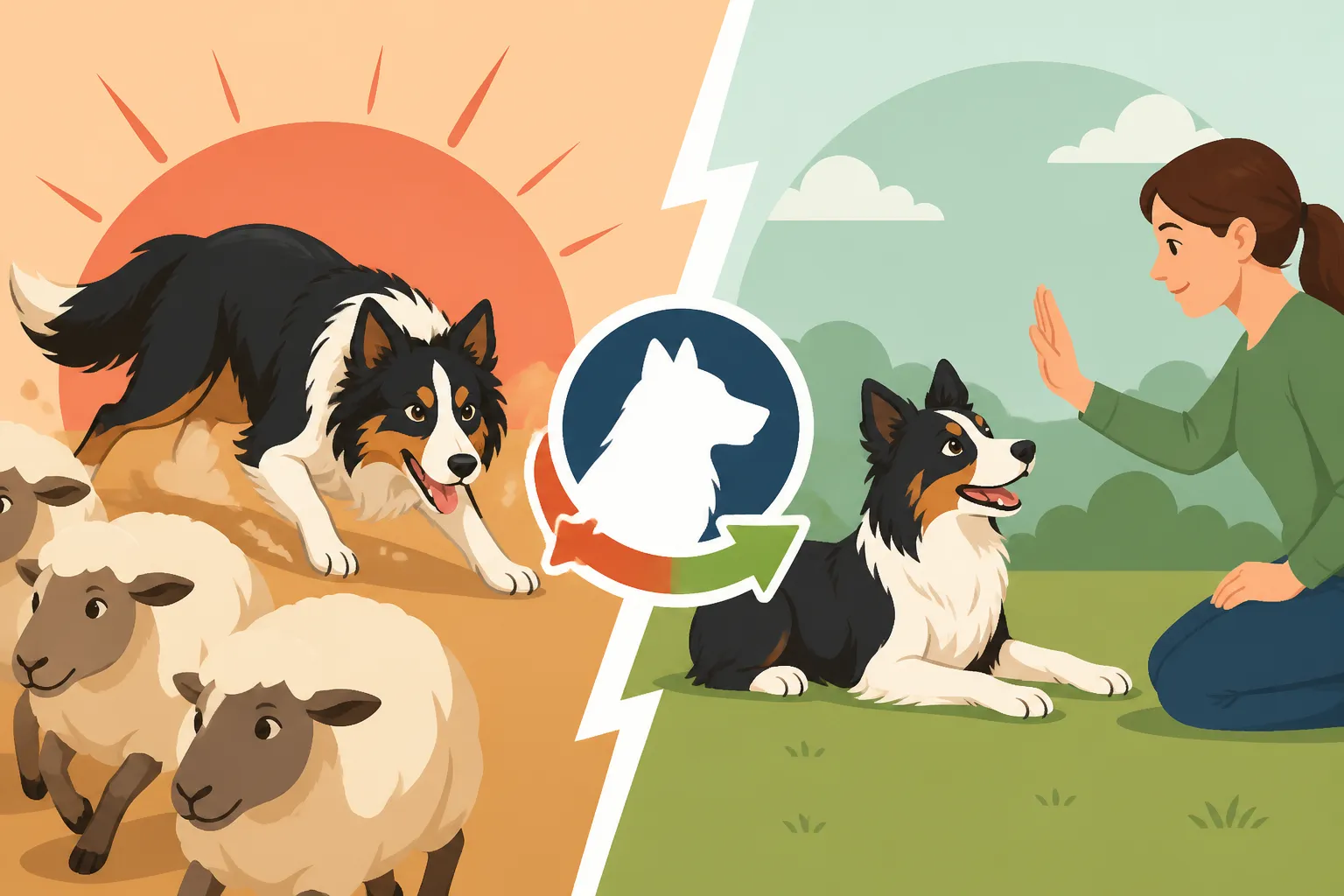
The goal is to teach your Collie that while the instinct is valid, there are appropriate times and ways to express it. We want to swap out unwanted behaviors for acceptable ones. This might involve setting up controlled scenarios, introducing specific toys, or engaging in certain dog sports that tap into their natural drives in a structured manner.
Providing Appropriate Outlets and Mental Stimulation
One of the most effective ways to manage unwanted herding is to give your Collie a job, even if it’s not traditional sheep herding. Consider dog sports like agility, obedience, or rally. Collies excel at these activities because they engage both their body and their intelligent mind. Herding, Rally and the Sports a Collie Was Made For are excellent choices. These sports provide a structured environment where your Collie can use their focus, agility, and problem-solving skills, channeling that energy into something productive.
Even at home, mental stimulation is key. Puzzle toys, snuffle mats, and interactive feeders can keep their minds busy. Training sessions, even short ones, count as mental exercise. Forty Five Minutes a Day, and Half of It in Its Head emphasizes the importance of mental work. You can also teach them complex tricks or sequences of commands. For instance, a "find it" game with hidden treats can engage their nose and brain, providing a positive outlet for their energy. Amazon offers a wide variety of excellent puzzle toys that can keep your Collie engaged for extended periods.
Training for Impulse Control and Redirection
Teaching impulse control is paramount. Commands like "leave it" and "stay" are invaluable. If your Collie is about to nip at a child's heels, a firm "leave it" can interrupt the behavior, allowing you to redirect them to a more appropriate activity, like chasing a ball or engaging with a flirt pole. A flirt pole, available on Amazon, is an excellent tool because it simulates the chase of prey without targeting people or pets. It allows them to indulge their chase instinct in a controlled manner.
Another great strategy is to teach a "target" behavior. For example, train your Collie to touch their nose to your hand for a reward. When you see them about to herd someone, you can use the target command to redirect their attention to you and away from the "flock." This positive interruption trains them to look to you for guidance, rather than acting solely on instinct. Consistency is crucial here; every time you see the unwanted behavior starting, you need to intervene and redirect.
Environmental Management and Prevention
Sometimes, the simplest solution is managing the environment. If your Collie constantly tries to herd children, consider separating them when the kids are most active. Baby gates or a secure crate can provide a temporary "time out" from overstimulation. This isn't punishment; it's preventing the behavior from happening in the first place, giving you opportunities to reward calmness. When you can prevent unwanted behavior, you can then focus on rewarding the absence of it.
For young children, teach them not to run directly away from the Collie, as this can trigger the chase and herd instinct. Instead, encourage them to walk calmly or stop. You can also use a long line or leash on your Collie in the yard when children are playing, allowing you to gently guide them away from herding attempts and reinforce calm behavior. BAXTER & Bella offers excellent online resources and programs that can guide you through managing these scenarios, providing structured lesson plans and support for developing better impulse control in your Collie.
| Herding Behavior | Common Triggers | Management Strategy | Redirection Tactic |
|---|---|---|---|
| Heel Nipping | Running children, moving feet | Leash control, gate off areas | "Leave it," tug toy, flirt pole |
| Circling People | People moving from one room to another | Crate training, designated "place" command | "Come," "sit," puzzle toy, fetch |
| Blocking Pathways | Trying to pass through a doorway | Gate off areas, "wait" command | Rewarded "stay" at a distance, treat toss away |
| Herding Other Pets | Cats running, small dogs playing | Supervised interactions, separate playtimes | Intervene early, specific "leave it" for the pet |
| Excessive Barking while Herding | Frustration, perceived need to "control" | Address underlying boredom/anxiety, "quiet" cue | Engage in a silent game, redirect to a calming activity |
When Professional Help Is Needed
Even with the best intentions and consistent effort, some herding behaviors can be deeply ingrained or stem from underlying anxieties that are difficult for an owner to address alone. This is when a professional dog trainer or veterinary behaviorist can be an invaluable resource. There's no shame in seeking expert guidance; in fact, it shows you're committed to your Collie's well-being and happiness.
A professional can offer an objective assessment of your Collie's behavior, identify potential root causes you might have missed, and develop a tailored training plan. They have the experience and knowledge to interpret canine body language and understand the nuances of breed-specific instincts like those found in Collies. Early intervention with a qualified professional can prevent minor issues from escalating into major problems.
Consulting a Certified Professional Dog Trainer (CPDT)
A Certified Professional Dog Trainer (CPDT) is an excellent first step if you're struggling to manage your Collie's herding behaviors. They can come to your home, observe your dog in their natural environment, and provide hands-on guidance. A good CPDT will focus on positive reinforcement techniques and help you implement a consistent training plan. They can teach you how to refine your cues, improve your timing, and create scenarios that set your Collie up for success.
A trainer can also help you explore specific dog sports or activities that might suit your Collie's individual temperament and drive, truly channeling that herding instinct. Perhaps your Collie would excel at Treibball, a sport where dogs herd large exercise balls into a goal, providing a safe and fun outlet for their natural tendencies. Or maybe they could explore nose work, another excellent mental workout. Organizations like the Certification Council for Professional Dog Trainers (CCPDT) maintain directories of certified trainers, making it easier to find a qualified professional in your area. Many also offer virtual consultations, which can be convenient for busy owners.
Seeking Guidance from a Veterinary Behaviorist
If your Collie's herding behaviors are intense, persistent, or accompanied by signs of anxiety, fear, or aggression, it might be time to consult a veterinary behaviorist. These professionals are veterinarians who have gone on to specialize in animal behavior, meaning they can diagnose and treat behavioral issues from both a medical and behavioral perspective. This is particularly important because sometimes, an underlying medical condition can influence behavior.
A veterinary behaviorist can assess whether there's a component of anxiety or obsessive-compulsive behavior contributing to the herding, and in some cases, might recommend medication in conjunction with behavior modification. They have a deeper understanding of psychopharmacology and how it can aid in behavior modification, making the training process more effective for dogs struggling with extreme instincts or anxiety. They work closely with owners to create a holistic plan that addresses all aspects of the dog's well-being, ensuring the best possible outcome for your beloved Collie. BAXTER & Bella also collaborates with a network of experts, and while they aren't veterinary behaviorists themselves, their extensive online training programs often provide foundational skills that can be beneficial before, or in conjunction with, more specialized behavioral intervention.
Disclaimer
This article is for general informational purposes only and does not constitute professional advice. Laws, prices and regulations vary by location and change over time. Consult a qualified professional for guidance on your specific situation.