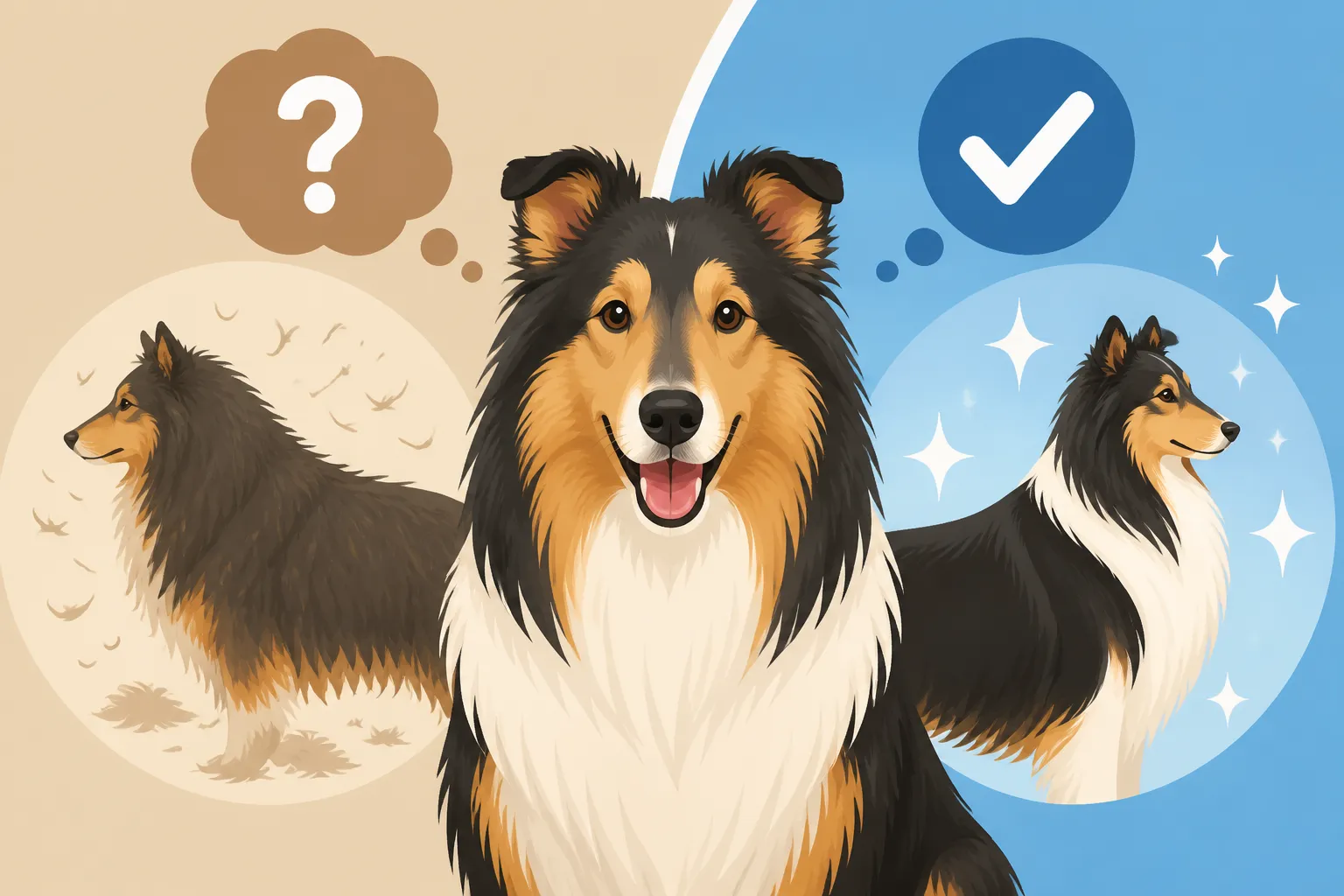
Whether a Collie’s Coat Gets Easier After Three
Many new Collie owners, myself included, often hold onto the secret hope that one day, their fluffy, shedding, mat-prone companion's coat will magically transform into something effortlessly manageable. We dream of a day when the undercoat stops flying, the mats cease forming, and grooming becomes a quick, serene twenty-minute affair. The common question I hear is, "Does a Collie's coat get easier after three years old?" It's a valid thought, especially when you're battling the "uglies" of adolescence or a particularly heavy coat blow. While your Collie's coat certainly matures and changes over time, the idea of it becoming "easier" is a nuanced one. This guide will delve into what you can realistically expect from your Collie's coat as they transition from rambunctious puppy to dignified adult, and how your grooming approach might need to adapt.
The Illusion of the Effortless Adult Coat
Let's be real: no Collie coat, rough or smooth, is ever truly effortless. If you've been hoping for a magic switch to flip when your dog turns three, I'm here to gently manage those expectations. What often happens is that the nature of the grooming changes, and with consistent effort, you become more skilled, making the process feel easier.
Puppy Fluff and Adolescent "Uglies"
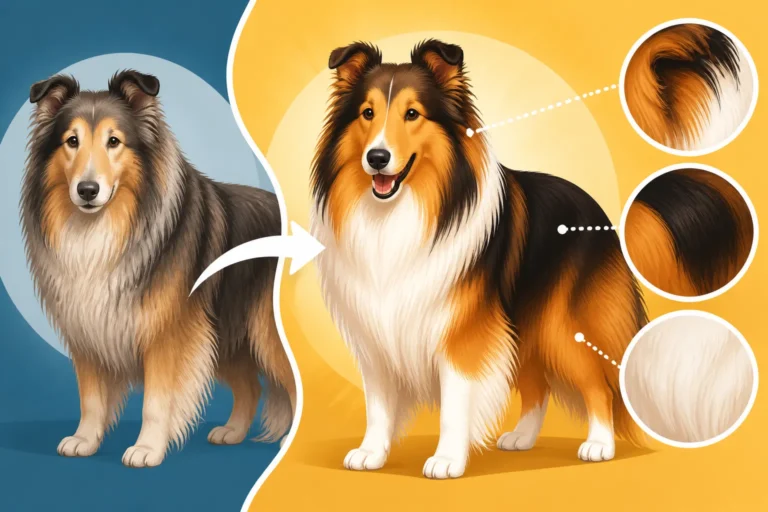
When you first bring home that adorable, fluffy Collie puppy, their coat is soft, relatively thin, and surprisingly easy to manage. It's a deceptive calm before the storm, if you ask me. As they grow, usually between 6 months and 18 months, they enter what many call the "ugly" stage. This is when the dense adult coat starts pushing through the puppy fuzz, often creating a chaotic mix of textures. It's a prime time for matting, as the old puppy coat snags on the emerging adult hair. You might find stubborn mats behind their ears, in their "armpits," and around their britches. This period demands patience and consistent, gentle brushing. If you're a first-time Collie owner, this stage can be incredibly frustrating and feel like an uphill battle, convincing you that their coat will never be truly manageable.
It's during these months that many owners consider shaving their Collie, which is a big no-no for their double coat. A Collie Is Never Trimmed and Never Shaved explains why this is so important to avoid. This transition phase is critical for teaching your Collie to enjoy grooming, as the routine you establish now will stick with them into adulthood. If you dread brushing during this time, your Collie will pick up on that energy, making future sessions even harder.
What "Adult Coat" Actually Means for a Collie
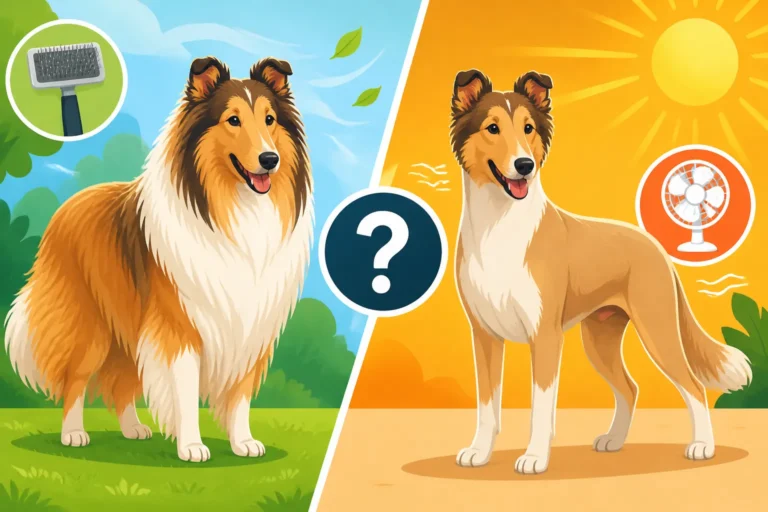
By the time a Collie reaches two to three years old, their adult coat is generally fully developed. This means their double coat has reached its full length, density, and texture. For a Rough Collie, this translates to that magnificent mane, glorious frill, and ample britches we all adore. For a Smooth Collie, it means a dense, smooth, and protective outer coat with a soft undercoat. But "adult" doesn't mean "maintenance-free." It means the coat has settled into its mature characteristics, which are inherently high-maintenance for the rough variety, and still require attention for the smooth.
Instead of getting easier, the adult coat simply becomes more predictable. You learn its quirks: where it mats first, how quickly it sheds, and what tools work best. The chaos of the adolescent coat gives way to a consistent, albeit demanding, routine. Think of it less like a coat getting easier and more like learning to navigate a well-known, albeit challenging, terrain. You become adept at anticipating issues, making the process feel less overwhelming.
Understanding Coat Changes Around and After Three
While the primary "ugly" stage often resolves by two years old, your Collie's coat can still undergo subtle but significant changes around and after the three-year mark. These changes usually involve density, texture, and how quickly it sheds, and they aren't always in favor of "easier" grooming.
Peak Density and Length
Around three years old, a Rough Collie's coat often reaches its absolute peak in terms of density and length. This is when you'll see the full splendor of their glorious coat, with the magnificent frill, dense mane, and impressive skirt. While stunning, this also means more hair to brush, more undercoat to remove during shedding season, and more surface area for mats to form if neglected. The feathering on their legs might be longer, and the fur behind their ears incredibly lush.
This peak density can feel like a new challenge if you were hoping for a reprieve. It demands consistent line brushing, getting right down to the skin to prevent mats from forming at the base of the coat. If you find yourself struggling with the sheer volume, investing in a high-velocity dryer, available on Amazon, can make baths and drying much more efficient, helping to blow out loose undercoat. It’s also during this time that you really lean into the specific tools designed for Collies, like a good quality pin brush and an undercoat rake. Check out Which Four Brushes a Collie Owner Needs for detailed recommendations.
Hormonal Influences on Coat Texture
One significant factor that can impact a Collie's coat after three years old, particularly for females, is spaying or neutering. Hormonal changes can lead to what's often called "spay coat" or "post-neuter coat." This isn't unique to Collies, but it can make their already dense double coat even more challenging. The undercoat can become incredibly thick, soft, and cottony, growing longer and becoming prone to severe matting. The texture can change, losing some of the protective guard hairs and gaining a woolly quality that holds onto dead hair and debris like a magnet.
If your Collie has been spayed or neutered, you might notice this change manifesting around or after their third birthday, or even earlier. It can make grooming harder, not easier, as the coat requires even more diligent brushing to prevent massive mats and keep the skin healthy underneath. This is especially true during the heavy shedding periods, which, for a Collie, can feel like they last forever. Whether a Spayed Collie's Coat Changes delves deeper into this phenomenon. It's a common frustration that can really throw a wrench in your established grooming routine, requiring more frequent and thorough brushing sessions.
Strategies for Managing the Mature Collie Coat
Given that the coat doesn't magically become "easier," the real shift needs to happen in your approach to grooming and care. It's about consistency, using the right tools, and understanding your Collie's specific needs.
Consistent Grooming is Key
The single most important strategy for managing a mature Collie coat is consistency. Regular, thorough brushing sessions are non-negotiable. For a Rough Collie, this often means at least 2-3 times a week, and daily during heavy shedding seasons, or if your dog is frequently active outdoors. For a Smooth Collie, weekly brushing is often sufficient, although they too will have heavier shedding periods.
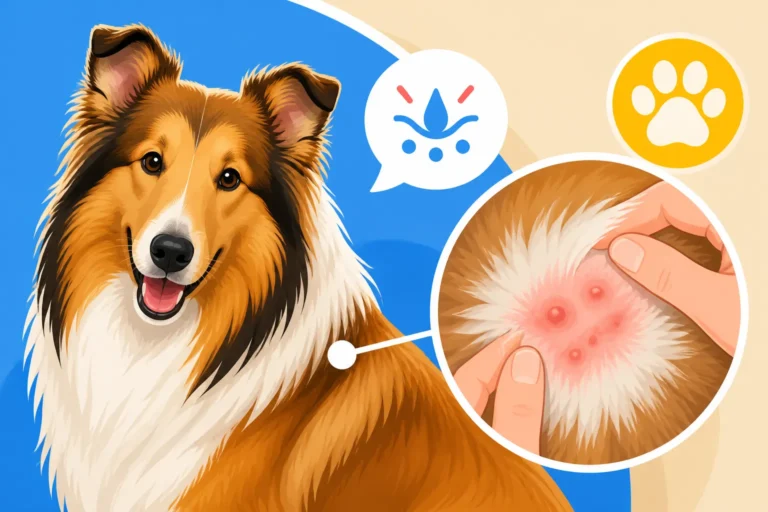
Developing a routine where grooming is a positive, calm experience is vital. Start with short sessions, rewarding your Collie generously with treats and praise. Focus on line brushing, which means parting the coat and brushing in layers, from the skin out. This ensures you're removing dead undercoat and preventing mats deep within the fur, rather than just skimming the surface. Neglecting consistent brushing, even for a week or two, can quickly lead to painful, dense mats that are far more difficult and time-consuming to remove. How to Line Brush a Collie provides a step-by-step guide to this essential technique.
Essential Tools and Products
Having the right arsenal of grooming tools makes all the difference. While a mature coat won't get "easier," effective tools certainly make your job easier and more efficient. For a Rough Collie, you'll want:
- Pin Brush: For general brushing and distributing natural oils.
- Slicker Brush: Excellent for working out smaller tangles and fluffing the coat.
- Undercoat Rake: Absolutely essential for removing dead undercoat during shedding season. This is where you'll save yourself hours of vacuuming.
- Metal Comb (Coarse and Fine Teeth): For checking for mats, especially in delicate areas like behind the ears, armpits, and britches. Mane, Frill and Petticoat: the Parts of a Collie That Mat highlights common trouble spots.
- Detangling Spray: Helps prevent static and makes brushing through tangles much smoother.
Many of these specialized tools can be found on online retailers like Chewy or Amazon. Investing in high-quality tools means they'll last longer and be more effective, ultimately making your grooming sessions more productive. Don't cheap out on these; they are your best friends in the battle against mats and shedding.
| Collie Life Stage | Coat Characteristics | Grooming Frequency (Rough Collie) | Key Challenges |
|---|---|---|---|
| Puppy (0-6 months) | Soft, fluffy, relatively thin puppy coat | 2-3 times a week | Introducing grooming, minor tangles |
| Adolescent (6-24 months) | Transitioning from puppy fluff to adult coat | 3-4 times a week, daily during "uglies" | Heavy shedding, rapid matting, varied textures |
| Adult (2-8 years) | Full density, length, established texture | 2-3 times a week, daily during coat blows | Managing volume, seasonal heavy shedding, spay/neuter coat |
| Senior (9+ years) | May thin, become coarser or finer, prone to dryness | 2-3 times a week, gentle | Skin sensitivity, thinning, potential mats from reduced mobility |
Diet and Supplements for Coat Health
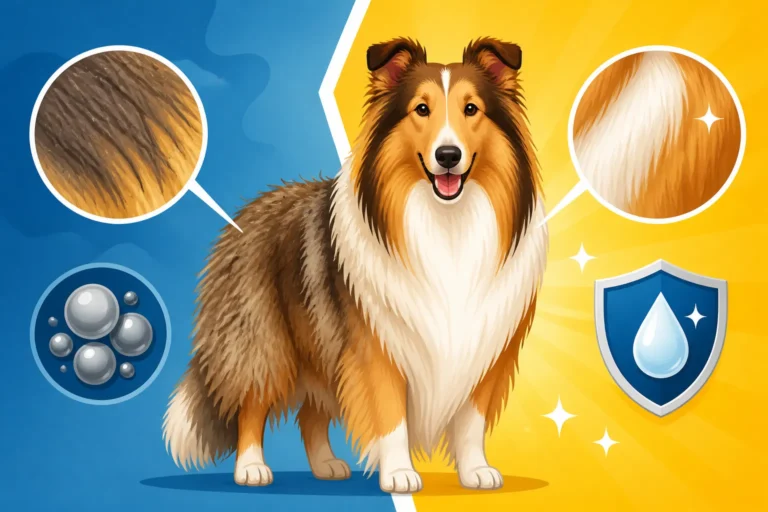
While grooming is external, what goes into your Collie internally profoundly impacts their coat quality. A healthy, shiny coat is often a reflection of a good diet. Feeding a high-quality dog food provides the essential nutrients, fatty acids, and proteins necessary for robust hair growth and healthy skin. Look for foods with balanced omega-3 and omega-6 fatty acids. Some premium brands, like Ollie, focus on fresh, human-grade ingredients that can significantly boost coat health.
Beyond a good diet, certain supplements can also help maintain coat integrity, especially as your Collie ages. Fish oil, rich in omega-3s, is a popular choice for improving coat shine and reducing dryness and itching. Biotin and other skin and coat supplements can also contribute to a healthier, more manageable coat. Before adding any supplements, it's always wise to chat with your vet, especially if your Collie has any underlying health conditions. Remember, a healthier coat is often a stronger coat, less prone to breakage and matting. Whether Fish Oil Improves a Collie's Coat has more information on specific benefits.
The idea that a Collie's coat gets "easier" after three is largely a myth. It matures, yes, becoming more predictable in its demands. But the true ease comes from your consistent effort, skill, and commitment to a regular grooming routine. You're not waiting for the coat to change; you're changing your approach to master it. And with a Collie, that mastery is a continuous, loving process.
Disclaimer
This article is for general informational purposes only and does not constitute professional advice. Laws, prices and regulations vary by location and change over time. Consult a qualified professional for guidance on your specific situation.