Whether a Bathtub Holds a Collie
The idea of bathing your beautiful, fluffy Collie at home can be a daunting one, especially when you start to eye your standard bathroom tub and wonder if it's truly up to the task. Let's be honest, fitting a seventy-pound dog with a majestic, double coat into a space designed for a human can feel like trying to squeeze a majestic cloud into a shoebox. This guide is here to walk you through the realities of bathing your Collie in a home bathtub, offering practical tips and exploring alternatives to make bath time less of a wrestling match and more of a spa day for your beloved companion (and you!).
Understanding Your Collie's Size and Bathtub Realities
Before you even think about turning on the tap, it's crucial to get a realistic picture of just how much dog you're working with, and how that compares to the space you're asking them to occupy. It's often a case of "looks can be deceiving" when it comes to a Collie's magnificent coat.
How Big Is Your Collie, Really?
Collies are substantial dogs, and while their elegant appearance might make them seem light-footed, they possess a solid bone structure and a significant presence. A typical adult male Rough Collie can weigh anywhere from 60 to 75 pounds and stand 24 to 26 inches tall at the shoulder. Females are usually a bit smaller, often ranging from 50 to 65 pounds and 22 to 24 inches at the shoulder. Smooth Collies, while lacking the abundant outer coat, have the same underlying build and similar weight and height.
Now, imagine that beautiful, dense double coat. When dry, it adds volume and majesty, making your Collie look even larger than they are. But here's the kicker: when that coat gets wet, it doesn't shrink. Oh no, it becomes heavy, waterlogged, and surprisingly expansive. What looked like a graceful dog suddenly feels like a dense, soggy blanket attempting to occupy the entire universe. Many a Collie owner has underestimated the sheer mass of their dog once saturated, leading to a comedic (or exasperating) struggle in a confined space. It's not just the weight, but the physical length and width of their body, plus the reach of their legs, that come into play. Take a moment to actually measure your Collie from nose to tail, and from the top of their head to their paws, then imagine them trying to turn around in a small box. That's your bathtub.
The Dimensions of a Standard Home Bathtub
Most standard bathtubs in homes are designed with human dimensions in mind. You're typically looking at a length of about 60 inches (5 feet), a width of 30-32 inches, and a depth of around 14-16 inches. Alcove tubs, which are the most common, are built into three walls. Drop-in tubs, freestanding tubs, or corner tubs might offer slightly different dimensions or accessibility, but the core issue of a large dog in a human-sized basin remains.
Consider your Collie's measurements against these typical tub sizes. A 60-inch long tub might seem sufficient for a Collie that's, say, 40 inches from nose to tail. But remember, that doesn't account for their head and neck extending beyond that, or their legs when they try to sit or stand. The width is often the biggest challenge. Thirty inches wide leaves very little room for a seventy-pound dog to comfortably turn around, especially when you're trying to reach their far side to scrub and rinse. And the depth? While it helps contain water, it also means you'll be bending over quite a bit, which can be a real strain on your back, particularly if your Collie decides to do a little dance. It truly looks bigger until you try to get a wet, wiggly dog with a long body and copious amounts of hair into that space.
The Challenges of a Large Dog in a Small Space
Bathing a large dog like a Collie in a standard tub presents a unique set of challenges beyond just their size. First, there's the turning radius. Collies are long-bodied dogs, and trying to get them to comfortably pivot to allow you access to all sides can be a struggle. They might brace themselves against the tub walls, making it even harder.
Then there's stability. The smooth, porcelain surface of a bathtub can be incredibly slippery for a dog. A fear of slipping can make a Collie anxious, leading to frantic movements that make the entire process more difficult and even dangerous for both of you. A good non-slip mat is absolutely non-negotiable here. Without it, you're inviting a slippery, panicking dog scenario, which is no fun for anyone.
Finally, let's talk about the splash zone. When a Collie shakes (and oh, they will shake!), water doesn't just stay in the tub. It explodes outwards, covering your bathroom walls, floor, ceiling, and anything else in a two-mile radius. A deep coat holds a tremendous amount of water, and that shake is their natural instinct to expel it. Prepare for a full-body drenching, no matter how careful you think you're being. This is part of the charm (or chaos) of being a Collie parent, and it's a frustration many of us face.
Practical Considerations for Bathing a Collie in a Bathtub
So, you've decided to tackle the home bath. Great! Now let's think through the actual logistics and prepare for the unique challenges a Collie brings to the tub.
Getting Your Collie Into the Bathtub
This is often the first hurdle, and it can be a significant one. If your Collie is small enough and cooperative, you might be able to gently lift them in. However, for a fully grown, sixty-plus-pound Collie, lifting can be risky for both your back and their joints, especially if they're not keen on the idea. Never force them or lift them in a way that puts strain on their back or hips.
Many Collies can be coaxed to step into the tub, especially if it's introduced positively from a young age. Using treats, praise, and a non-slip mat on the bottom of the tub can make a world of difference. You might need to place a sturdy step stool or a pet ramp outside the tub to help them get in more easily, reducing the height they have to jump or climb. Consistency is key; if every bath is a battle, your Collie will quickly learn to dread the tub. Start slow, reward heavily, and make it a calm experience. This initial entry sets the tone for the entire bathing process.
Maneuvering and Washing a Wet, Fluffy Collie
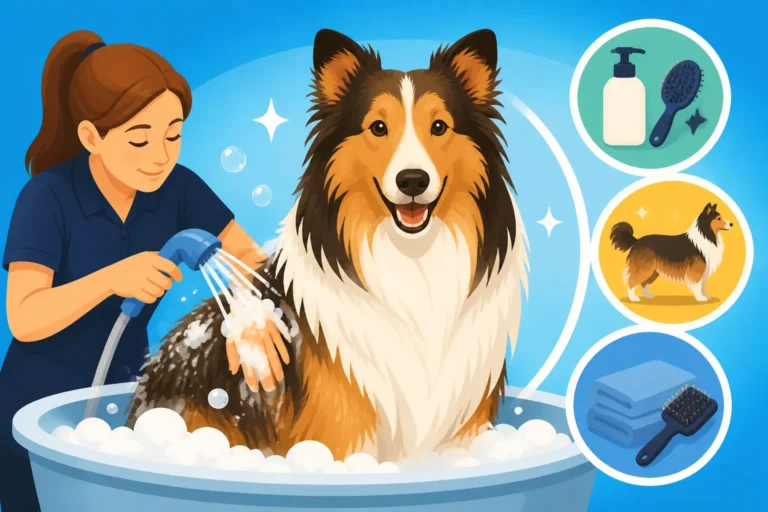
Once your Collie is in the tub and wet, the real work begins. Their dense double coat, a defining feature, becomes incredibly heavy and surprisingly difficult to penetrate when saturated. You'll need a good quality dog shampoo, diluted properly, to ensure it spreads evenly and gets down to the skin. Bathing a Collie Without Wrecking the Coat is something every owner should aim for, and proper shampoo application is a big part of that.
Reaching all parts of your Collie's body can be a challenge in a small tub. Their long body means you'll be leaning and stretching, trying to get to their hindquarters, under their belly, and behind their glorious frill. Expect to get very wet yourself. Because the coat is so dense, rinsing thoroughly is paramount. Residual shampoo can irritate their skin and cause matting. You might think you've rinsed enough, only to find suds still emerging from their coat minutes later. A detachable showerhead is a lifesaver here, allowing you to direct the water precisely and powerfully through their thick fur. You'll likely spend more time rinsing than you do shampooing, and that's perfectly normal for a Collie.
The Great Escape: Keeping Water and Fur Contained
No matter how well-behaved your Collie is, there will be splashing, shaking, and a general redistribution of water and fur throughout your bathroom. This isn't a flaw in your dog; it's just a fact of bathing a large, double-coated breed. Prepare for it.
Before you even start, lay down old towels or bath mats on the bathroom floor. Consider hanging extra towels on shower curtain rods or nearby hooks to create a "splash barrier." A shower curtain itself, if robust enough, can help keep some of the water in the tub, but a determined Collie shake can often defeat even the best defenses. After the rinse, before your Collie even thinks about getting out, gently press water out of their coat with your hands, and then wrap them in a large, absorbent towel. This minimizes the initial "post-bath earthquake" of water. Even with all these precautions, expect some cleanup. This is where you realize the true cost of convenience when opting for a home bath. The sheer volume of hair that comes off during a bath can also be surprising, especially if your Collie is going through The Three Weeks Twice a Year When a Collie Buries Your House.
Alternatives to the Standard Bathtub
While bathing your Collie at home in your tub is certainly possible, it's not always the easiest or most efficient option. Thankfully, there are several excellent alternatives that can save your back, your bathroom, and your sanity.
Dedicated Dog Washing Stations and Utility Tubs
If you have the space and budget, a dedicated dog washing station or a large utility tub can be an absolute game-changer. These are often raised, meaning no more bending over for you, and typically have larger basins that accommodate a big dog more comfortably. Many come with ramps for easy access, built-in sprayers, and efficient drainage systems. Some even have restraint hooks to keep a wiggly Collie safely in place.
You'll often find these setups in mudrooms, laundry rooms, or even garages. The height is the primary benefit, as it significantly reduces physical strain during what can be a prolonged process for a Collie's coat. The size of the basin allows your Collie to turn around more easily and provides more room for you to work. If you're remodeling or building, incorporating a dog wash station is a dream for many Collie owners. For a more budget-friendly approach, a large, sturdy utility sink (the kind you might find in a laundry room) can sometimes serve a similar purpose, although it might not have all the bells and whistles.
Professional Groomers: A Sanity Saver
For many Collie owners, the professional groomer is not just a luxury, but a necessity. These experts have dedicated facilities designed specifically for bathing and grooming large breeds. They have tubs that are appropriately sized and elevated, high-velocity dryers, and specialized tools to handle that magnificent coat. What a Professional Groom Costs on a Rough Collie might seem like an expense, but when you weigh it against the time, effort, and mess of an at-home bath, it often feels like money well spent.
A professional groomer will thoroughly brush out your Collie before the bath (crucial to prevent matting!), wash them with appropriate shampoos, and most importantly, dry them completely and correctly. Proper drying with a high-velocity dryer is essential for a Collie's double coat to prevent skin issues and matting, and it's a task that can take an hour or more at home with less powerful equipment. Plus, they handle all the cleanup! This is an excellent option if you have a particularly strong-willed Collie, if you have physical limitations, or simply if you value your time and a spotless bathroom. Many self-service dog wash facilities also exist, providing professional-grade tubs and dryers for a fee, allowing you to do the work but skip the messy home cleanup.
Outdoor Bathing: Weather and Seasonal Considerations
When the weather is warm and sunny, bathing your Collie outdoors can be a fantastic option. A sturdy kiddie pool, a garden hose with a spray nozzle, and plenty of towels are all you really need. The advantages are clear: unlimited space, no worries about splashing your bathroom, and natural drainage. Your Collie might even enjoy it more, associating it with playtime in the yard.
However, outdoor bathing comes with its own set of challenges. First and foremost is the weather. This is strictly a warm-weather activity. Bathing a Collie with cold water in chilly temperatures is uncomfortable for them and can lead to them getting too cold. You'll also need to consider where the water drains; you don't want to create a muddy swamp in your yard or allow shampoo-laden water to flow directly into sensitive garden areas. Ensuring you have a safe, non-slip surface for them to stand on is also important, as wet grass or concrete can be surprisingly slick. And remember, outdoor drying can be a slower process, so be prepared for a damp dog tracking dirt back inside if they're not fully dry.
Tips for a Successful At-Home Collie Bath
If you're committed to the home bathtub experience, there are definitely ways to make it more manageable and less stressful for everyone involved. A little preparation goes a long way!
Preparation is Key
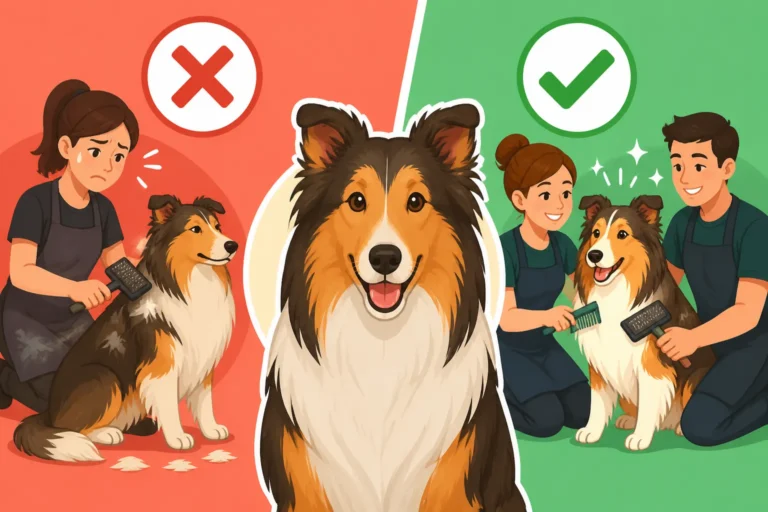
Seriously, don't just grab your Collie and head for the tub. The single most important step before bathing a Collie is a thorough brush-out. This is non-negotiable. Mats, especially in their mane, frill, and petticoat (the feathering on their legs and belly), will only get tighter and harder to remove when wet. Spend a good chunk of time going through their coat, carefully detangling any knots. You can find excellent guidance on Four Tools and Twenty Minutes: Brushing a Rough Collie and understanding Mane, Frill and Petticoat: the Parts of a Collie That Mat. This brushing also helps remove loose undercoat, which will reduce the amount of hair clogging your drain and flying around your bathroom.
Next, gather all your supplies before your Collie even steps foot in the bathroom. This includes:
- Shampoo and Conditioner: Diluted and ready to go. You can find excellent breed-specific options on sites like Chewy or Amazon.
- Plenty of Towels: Large, absorbent ones.
- Non-Slip Mat: For the bottom of the tub.
- Detachable Showerhead: If you have one.
- Cotton Balls: To gently place in your Collie's ears to prevent water from getting in (remove them after the bath!).
- Treats: High-value ones for positive reinforcement.
- Grooming Arm/Tether (Optional): If your tub allows for it and your Collie is particularly squirmy, a suction-cup grooming tether can help keep them in place.
Finally, ensure the water temperature is comfortably lukewarm – not too hot, not too cold. Test it on your inner wrist, just like you would for a baby.
Making the Experience Positive
Bath time doesn't have to be a battle. By making it a positive and calm experience, you can help your Collie learn to tolerate, or even enjoy, their baths. Start this training early when they are a puppy. Grooming a Collie Should Start in Puppyhood is excellent advice for building a lifetime of cooperation.
Speak to your Collie in a calm, reassuring voice throughout the process. Offer plenty of praise and those high-value treats. You can even smear some peanut butter or a specialized lick treat on the side of the tub for them to focus on while you're washing. This distraction can be incredibly effective. Avoid any harsh handling or scolding, as a negative experience can make future baths even more difficult. If your Collie is showing signs of extreme stress or fear, take a break. Sometimes, a series of short, positive exposures to the tub without even getting wet can build confidence. Refer to resources like How to Teach a Collie Puppy to Lie Still for Grooming to establish good habits early.
Drying Your Collie Safely and Thoroughly
After the wash, the drying process for a Collie is just as important, if not more so, than the washing itself. Their dense double coat can hold moisture for a long time, leading to skin irritation, hot spots, or matting if not dried completely. This is especially true of areas like the frill, armpits, and feathering on the legs.
Start by gently squeezing as much water out of their coat as possible. Then, use those absorbent towels to blot and pat, rather than rubbing vigorously, which can cause tangles and damage the coat. For a Rough Collie, a high-velocity force dryer (like those used by professional groomers) is incredibly beneficial, even if you do the bathing yourself. It effectively blasts water out of the undercoat, significantly speeding up drying time and ensuring thoroughness. You might wonder Whether a Collie Owner Needs a High Velocity Dryer, and for many, the answer is a resounding yes, especially if you want to avoid hours of damp dog and potential skin issues. Without one, How Long a Collie Takes to Dry can be a surprisingly long ordeal. If you don't have a force dryer, a regular human hairdryer on a cool or low-heat setting, held far enough away to avoid burning the skin, can work in a pinch, but it will take much longer. Keep brushing as you dry to help separate the hair and allow air to circulate. Make sure your Collie is completely dry down to the skin before they are left unsupervised or allowed to lie down, especially in cooler environments.
Comparison of Collie Bathing Options
Here's a quick look at the pros and cons to help you decide which bathing method might be best for you and your fluffy friend:
| Feature | Standard Home Bathtub | Dedicated Dog Wash Station / Utility Tub | Outdoor Bathing | Professional Groomer |
|---|---|---|---|---|
| Cost | Low (initial setup, shampoo) | Moderate to High (installation, tub) | Very Low (hose, kiddie pool) | High (per session, but includes expertise & cleanup) |
| Convenience | High (always available at home), but physically demanding | High (at-home, easy access, good ergonomics) | High (no indoor mess), but weather-dependent | High (no effort from owner, includes drying) |
| Mess | High (splashing, wet bathroom, hair in drain) | Low (designed for drainage, contained splashes) | Medium (mud, wet yard, some splash), but contained outdoors | Very Low (they do all the cleanup) |
| Ergonomics | Poor (bending over, back strain) | Excellent (raised tub height) | Variable (depending on setup, often kneeling) | Excellent (groomer uses raised tubs) |
| Effectiveness | Can be good if done thoroughly, but hard to dry completely | Excellent (easy access for washing, good drying space) | Fair (hard to control water flow, drying can be slow) | Excellent (expert washing and thorough drying) |
| Collie Comfort | Variable (slippery, confined, can be stressful) | Good (more space, stable footing) | Variable (weather, footing, can be fun or startling) | Good (experienced handling, proper setup) |
Disclaimer
This article is for general informational purposes only and does not constitute professional advice. Laws, prices and regulations vary by location and change over time. Consult a qualified professional for guidance on your specific situation.