When a Collie Moves to Adult Food
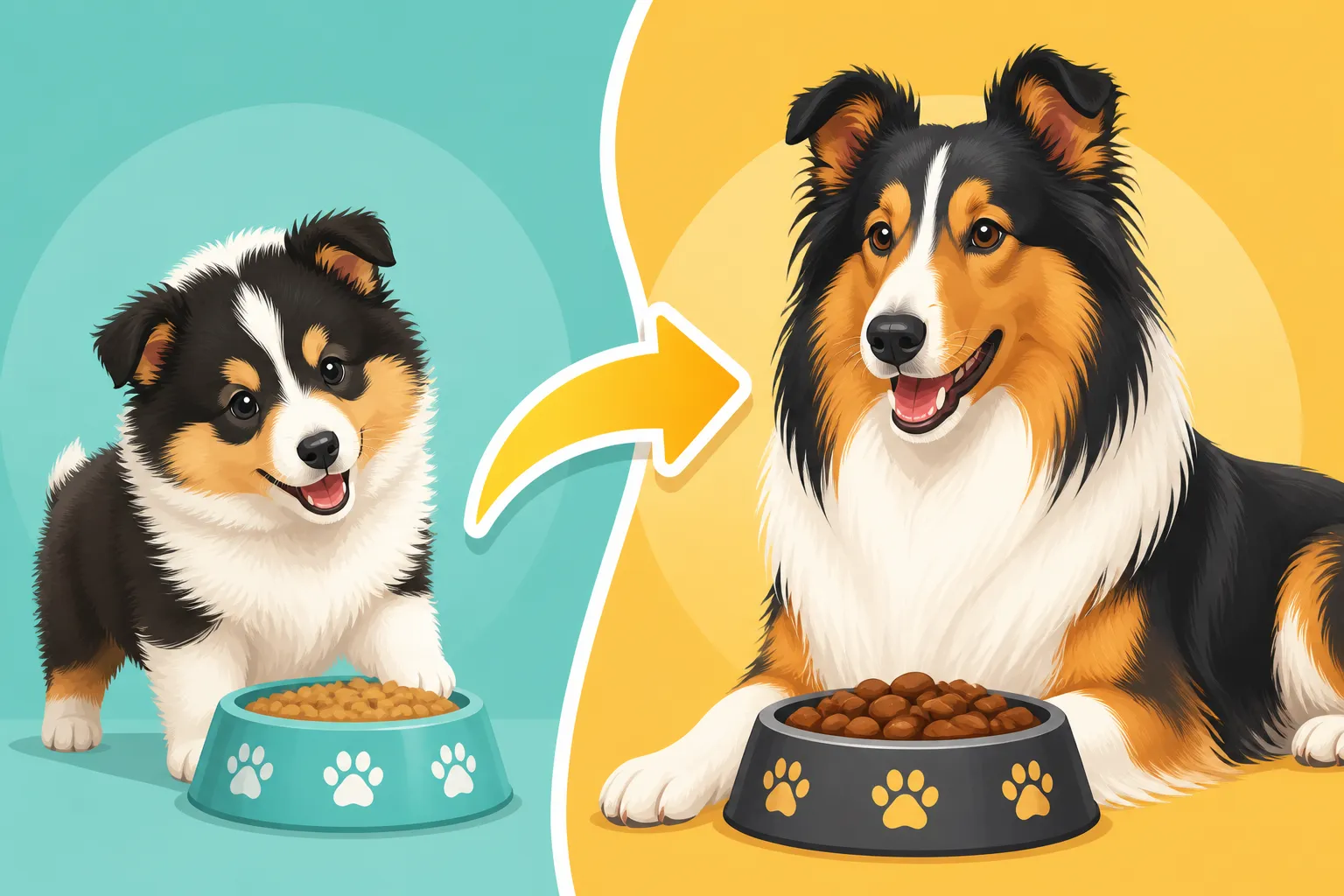
The journey with a Collie puppy is a whirlwind of fluffy joy and rapid growth, and before you know it, that gangly youngster is starting to look more like a dignified adult. Many Collie owners find themselves scratching their heads, wondering exactly when the right time is to switch from calorie-dense puppy food to a more balanced adult formula, and how to do it without upsetting their sensitive friend's tummy. This guide is here to take the guesswork out of this important dietary transition, ensuring your beloved Collie moves into adulthood with all the right nutritional support.
Understanding Your Collie's Unique Growth Trajectory
Collies, like all large breeds, have a different growth curve than their smaller canine cousins. They don't just grow outward; they grow upward and then they fill out, a process that takes more time and specific nutritional considerations. Rushing this can lead to developmental issues, while delaying it unnecessarily can contribute to excess weight later on.
The Intense Demands of Collie Puppyhood
Think about it: your Collie puppy, in a relatively short amount of time, is transforming from a tiny, helpless creature into a robust, active dog that could one day herd sheep or win ribbons in an obedience ring. This incredible rate of development, particularly in bone and muscle, demands a diet specifically formulated to support it. Puppy foods are rich in protein, fat, and critical minerals like calcium and phosphorus, all balanced for rapid growth. However, this high-octane fuel isn't suitable for the long haul. Too much too soon, especially of calcium, can be detrimental to a large breed's developing skeletal system.
For a clearer picture of what to expect, you might want to look at What a Collie Puppy Should Weigh by Month. Their growth isn't linear, and different phases require slightly different nutrient ratios. The key during puppyhood is consistent, appropriate nutrition without overfeeding, which can force growth too quickly and put strain on developing joints. We want strong, steady progress, not a sudden surge.
The Slow Road to Maturity for Large Breeds
While a toy breed might be considered an adult by six to eight months, a Collie usually takes much longer to reach full physical maturity. Most Collies will continue to grow and fill out until they are between 12 and 18 months old, sometimes even a bit longer for very large individuals or late bloomers. This prolonged development phase means their nutritional needs don't just abruptly shift overnight.
It’s not just about reaching their full height; it’s also about the maturation of their skeletal system, the development of dense muscle, and the closing of their growth plates. These are crucial periods where inappropriate nutrition can have long-lasting effects. Once they've achieved their adult size and shape, their energy demands shift from building new tissue to maintaining it. This is why a smooth transition from the higher calorie, denser nutrient profile of puppy food to the more moderate, maintenance-oriented adult formula is so important.
Pinpointing the Ideal Moment for the Switch
Deciding the exact day to transition your Collie isn't about ticking off a calendar box; it's about observing your individual dog and understanding the general guidelines for the breed. There are several factors at play, and combining them gives you the best indication.
Age as a General Guideline
For most Collies, the sweet spot for transitioning to adult food falls somewhere between 12 and 18 months of age.
- 12 Months: This is often the earliest recommendation for larger breeds, especially if your Collie has reached most of its adult height and you're seeing a decrease in their puppy-like energy.
- 18 Months: Some Collies, particularly males, might continue to fill out and mature a bit longer. If your Collie still seems to be growing or maintaining a very high activity level, waiting a bit closer to 18 months might be more appropriate.
It's a guideline, not a strict rule written in stone. Every Collie is an individual, and their internal biological clock can vary slightly. You’ll find more information on general feeding needs in Feeding a Collie Through Its Growth and Its Coat. The key is to be flexible and observe your specific dog rather than rigidly sticking to a date.
Physical Indicators of Adulthood
Beyond the calendar, your Collie will give you clear physical cues that they're ready for adult food.
- Stalled Growth: Is your Collie still shooting up like a weed, or has their height seemed to plateau for a couple of months? Once their upward growth has largely stopped, they no longer need the intense skeletal support of puppy food.
- Filling Out, Not Up: You might notice them gaining muscle and breadth, rather than just getting taller. This "filling out" phase is still growth, but it's a different kind that doesn't require the same calorie density as vertical growth.
- Body Condition: Are they maintaining a healthy weight without looking too lean or too chubby on their current puppy food? Puppy food has more calories, so if they're starting to get a bit soft around the middle, it's a strong sign it's time to reduce the calorie intake. Be mindful that Signs a Collie Is Overweight Under All That Coat can be tricky to spot due to their dense fur, so feeling their ribs and spine is crucial.
- Vet's Opinion: Your veterinarian is your best partner in this. During routine check-ups, they can assess your Collie's growth plates (though this usually requires X-rays and isn't a routine procedure just for diet changes) and overall body condition. They can provide personalized advice based on your dog's specific health and development.
Behavioral Shifts Signaling Readiness
It’s not just physical; there are often behavioral changes that accompany the transition from puppy to adult:
- Decreased Hyperactivity: While Collies can retain a playful spirit their whole lives, that frantic, boundless puppy energy often starts to mellow as they approach maturity. They might still love to run and play, but perhaps they settle more easily indoors.
- More Predictable Appetite: Puppy appetites can be notoriously inconsistent. As they mature, their hunger often becomes more stable and predictable.
- Less "Nipping" and "Herding" Behavior with People: While these can persist, the intensity often lessens as they learn more self-control and settle into their adult personality.
These behavioral signs are often subtle, but combined with age and physical markers, they paint a clearer picture of your Collie's readiness.
The Smooth Sail: Transitioning Your Collie's Diet
Once you've decided it's time to make the switch, the process itself needs to be gradual. A sudden change in diet, even if it's to a perfectly appropriate food, can wreak havoc on a dog's digestive system, leading to upset stomachs, diarrhea, or even refusal to eat. Collies, like many breeds, can have sensitive tummies, so a slow transition is paramount.
The Golden Rule: Go Slow and Steady
The most common and effective method for transitioning dog food is a gradual introduction over a 7 to 10-day period. This allows your Collie's digestive system, particularly the beneficial gut bacteria, to adjust to the new ingredients and nutrient ratios without shock.
Here's a typical schedule, which you can adjust based on your individual Collie's sensitivity:
| Day | Ratio of Old Food to New Food | Observation Notes |
|---|---|---|
| 1-2 | 75% Old, 25% New | Monitor stool firmness and appetite. Any soft stools? Reduce new food slightly. |
| 3-4 | 50% Old, 50% New | Look for any signs of digestive upset like gas, vomiting, or diarrhea. Still eating enthusiastically? |
| 5-6 | 25% Old, 75% New | Ensure continued good appetite and energy levels. Stools should remain normal. |
| 7+ | 100% New | Watch for long-term acceptance, healthy digestion, and overall well-being. |
If at any point your Collie experiences digestive upset, slow down the transition. Go back to the previous ratio for a few more days until their system settles before attempting to increase the new food again. Some Collies might need two weeks or even longer for a completely smooth transition. Patience is your best friend here.
Monitoring Your Collie Through the Change
During this transition, vigilance is key. You'll want to pay close attention to:
- Stool Quality: This is your primary indicator. Aim for firm, well-formed stools. Any looseness or diarrhea means you're going too fast.
- Appetite: Is your Collie eating with the same enthusiasm? A decrease in appetite could signal an issue with the new food or the speed of the transition.
- Energy Levels: While some reduction in puppy-like exuberance is normal, a sudden lethargy could indicate digestive discomfort.
- Vomiting or Excessive Gas: These are clear signs of digestive upset and mean you need to slow down the transition significantly or consult your vet.
Keep a mental (or even written) note of your Collie's reactions each day. This information can be incredibly helpful if you need to troubleshoot with your veterinarian.
Addressing Finicky Eaters and Sensitive Systems
Some Collies are just naturally more sensitive or pickier than others. If your Collie seems resistant to the new food or consistently has an upset stomach, don't despair!
- Smaller Increments: Instead of 25% increments, try 10-15% increments over a longer period.
- Mixing Thoroughly: Ensure the old and new foods are thoroughly mixed in the bowl so your Collie can't just pick out the old kibble.
- Adding Palatability Enhancers (Temporarily): A small amount of warm water, plain unsweetened pumpkin puree, or low-sodium broth can make the new food more enticing and aid digestion. Just don't make it a long-term habit, or they might expect it every meal!
- Consider "Fresh" Options: If traditional kibble is proving problematic, some owners turn to fresh-cooked dog food delivery services. Brands like Ollie, for instance, offer customizable meal plans that can be appealing to picky eaters and often come with guidance on gentle transitions. You can find many specialized food options at online retailers like Chewy or Amazon, making it easier to research and compare ingredients.
Remember, the goal is a stress-free transition for both of you.
Selecting the Best Adult Food for Your Collie
Once your Collie is fully on adult food, the choices can be overwhelming. The market is flooded with options, and navigating labels can feel like deciphering a secret code. But for your Collie, selecting a high-quality, appropriate adult diet is critical for their long-term health and vitality.
The Benefits of Large Breed Adult Formulas
Many dog food manufacturers offer "large breed" specific adult formulas, and these are often a fantastic choice for Collies. Here's why:
- Controlled Calorie Content: Large breed formulas typically have slightly fewer calories per cup than standard adult formulas. This helps prevent excessive weight gain, which can put undue strain on a Collie's joints.
- Joint Support: They often include ingredients like glucosamine and chondroitin, which are thought to support joint health – a common concern for larger dogs. While these supplements are not a cure-all, they can contribute to overall joint well-being.
- Appropriate Mineral Balance: While puppy foods are high in certain minerals, large breed adult foods maintain a balance suitable for mature bones and muscles, supporting them without causing issues.
- Kibble Size: Often, the kibble pieces are larger, encouraging slower eating and better chewing, which can aid digestion and even reduce the risk of bloat in deep-chested breeds like Collies.
When considering a large breed adult formula, check the protein sources and fat content. A good quality protein source (like chicken, lamb, or beef) should be among the first few ingredients.
What to Look for and What to Avoid in Ingredients
Reading dog food labels can be tricky, but knowing a few key things can help you make an informed decision:
Look For:
- High-Quality Animal Protein: The first ingredient should ideally be a named animal protein source (e.g., "chicken meal," "deboned salmon," "lamb").
- Whole Grains or Alternative Carbohydrates: Ingredients like brown rice, oats, barley, sweet potatoes, or peas are good sources of complex carbohydrates and fiber.
- Healthy Fats: Look for sources like chicken fat, salmon oil, or flaxseed, which provide essential fatty acids for a healthy coat and skin.
- Fruits and Vegetables: These add natural vitamins, minerals, and antioxidants.
- Probiotics/Prebiotics: These support gut health, which is vital for digestion.
Potentially Avoid or Be Wary Of:
- Generic Meat Meals: "Meat meal" or "poultry meal" without specifying the animal source can be less desirable.
- Excessive Fillers: Ingredients like corn gluten meal or large amounts of wheat can sometimes be used as cheap fillers. While not inherently bad for all dogs, some Collies might be sensitive to them.
- Artificial Colors, Flavors, and Preservatives: These offer no nutritional benefit and some dogs can have sensitivities.
- By-Products (with a caveat): While "chicken by-product meal" sounds unappealing, it can sometimes be a nutritious source of organs and bone. The key is knowing the source. Reputable brands will be transparent.
For Collies with specific sensitivities, you might consider single-protein diets or limited-ingredient diets, which are also readily available through retailers like Chewy or Amazon. If you're exploring options, it's worth noting that your Collie's needs might change over time, so check their What an Adult Male Collie Weighs or What an Adult Female Collie Weighs to ensure the food's calorie density matches their maintenance needs.
The Invaluable Role of Your Veterinarian
Before making any major changes or final decisions about your Collie's adult diet, always have a chat with your veterinarian. They know your dog's individual health history, any potential genetic predispositions (like Assume Your Collie Has the MDR1 Mutation, which can impact drug metabolism but not necessarily diet directly, though it highlights the breed's unique needs), and can offer guidance tailored to your Collie.
They can help you:
- Confirm your Collie's readiness for adult food.
- Recommend specific brands or types of food based on their knowledge of canine nutrition and your dog's health.
- Identify any underlying health issues that might influence dietary choices.
- Advise on appropriate portion sizes for an adult Collie to prevent Signs a Collie Is Overweight Under All That Coat.
Remember, while online research and peer advice are helpful, nothing replaces the professional, individualized guidance of your vet. They are your trusted partner in your Collie's lifelong health journey.
Maintaining Optimal Health as an Adult Collie
Transitioning to adult food is just one step in a lifelong commitment to your Collie's well-being. Once they're happily on their new diet, ongoing care, proper feeding habits, and regular veterinary check-ups are essential to ensure they live a long, happy, and healthy life.
Establishing a Consistent Feeding Routine
Adult Collies thrive on routine. Feeding them at consistent times each day helps regulate their metabolism and digestive system. Most adult Collies do well with two meals a day, spaced evenly (e.g., morning and evening).
- Portion Control: Follow the guidelines on your chosen adult dog food bag, but remember these are just starting points. Adjust based on your Collie's activity level, metabolism, and body condition. If they're gaining too much weight, cut back slightly; if they're too lean, increase it.
- No Free-Feeding: While some dogs can free-feed, it's generally not recommended for Collies due to their potential for weight gain and the risk of bloat if they gorge themselves after a period of hunger. Measured meals are always best. You can learn more about how much they typically eat in How Much an Adult Collie Eats.
- Fresh Water: Always ensure your Collie has access to fresh, clean water. Hydration is crucial for digestion and overall health.
The Importance of Ongoing Veterinary Care
Even after the puppy shots and growth checks are behind you, regular vet visits remain critical.
- Annual Check-ups: These allow your vet to monitor your Collie's weight, dental health, joint condition, and general well-being. They can catch potential issues early, which is especially important for conditions like Bloat in a Deep Chested Collie or Epilepsy in the Collie, which can develop later in life.
- Preventive Care: Your vet will advise on vaccinations, parasite control (fleas, ticks, heartworm), and other preventive measures tailored to your Collie's age, lifestyle, and local risks.
- Addressing Concerns: Don't hesitate to contact your vet if you notice any persistent changes in your Collie's appetite, energy, stool quality, or behavior. It's always better to be proactive.
Beyond the Bowl: Exercise and Mental Stimulation
Remember, nutrition is only one part of the puzzle. An adult Collie, while not needing an intense "job" like some herding breeds, still requires adequate exercise and mental stimulation. Forty Five Minutes a Day, and Half of It in Its Head is a good rule of thumb. Regular walks, playtime, training sessions, and puzzle toys will keep their mind sharp and their body fit, complementing their healthy diet and contributing to a long and happy life. This comprehensive approach to care ensures your Collie thrives as a well-adjusted, healthy adult companion.
Disclaimer
This article is for general informational purposes only and does not constitute professional advice. Laws, prices and regulations vary by location and change over time. Consult a qualified professional for guidance on your specific situation.