Whether an Old Collie’s Coat Goes Sparse
It’s a common and often worrying sight for us Collie owners: looking at our beloved, stately companions and noticing that their once glorious, abundant coat seems to be thinning, losing its luxurious depth, or even appearing sparse in places as they age. This guide is all about understanding why an old Collie’s coat might go sparse, what’s normal in the aging process, and when those changes might signal something more serious that warrants a vet visit.
Normal Coat Changes in an Aging Collie
Just like us humans, our Collies experience a myriad of physical changes as they gracefully transition into their senior years, and their magnificent coats are certainly no exception. It’s not just about a few stray hairs; the entire structure and density can evolve, leading to what many owners perceive as a "sparse" coat.
First, let's acknowledge that a Collie's coat is a huge part of their identity. We spend so much time admiring it, brushing it, and yes, vacuuming it up from every corner of our homes. So, when it starts to look less full, it’s only natural to feel a pang of concern. The most common change you'll observe in an older Collie is a general thinning of the undercoat. Their dense, soft undercoat, which provided so much insulation and volume in their younger days, can become less prolific. This isn't necessarily a sign of ill health; it's often just a natural reduction in follicle activity. You might notice that while the guard hairs are still there, the overall "fluffiness" or body is diminished, making the coat lie flatter against their body. This can make them look a little less imposing, perhaps even a bit more streamlined, especially a Rough Collie who typically boasts such a full mane and frill.
Another aspect of normal aging is the texture of the coat. A senior Collie’s fur might feel coarser, or conversely, surprisingly softer and finer than it did when they were in their prime. This alteration in texture can sometimes make the coat appear less dense, even if the number of hairs hasn't drastically changed. The vibrant color might also dull somewhat, or you might see an increase in graying, particularly around the muzzle and eyes, which can extend into their body coat, subtly changing its perceived density. Don't forget, an older dog's skin can also become thinner and less elastic, which, while not directly affecting the hair count, can indirectly impact how the coat lies and its overall appearance. What looks like sparsity might sometimes be a change in how the hair shafts are held by the aging skin.
You might also find that their coat blows out differently. When a Collie blows its coat, it's usually a dramatic event, a literal blizzard of fluff. As they age, this might become less intense, with a more gradual, year-round shedding rather than two distinct "blows." However, even with reduced undercoat, senior Collies still require consistent grooming to manage shedding and prevent mats, which can still be a problem for their finer, more delicate aging fur. Regular, gentle brushing with appropriate tools remains paramount, perhaps even more so as their skin might be more sensitive. What Changes in an Old Collie's Coat delves deeper into these age-related transformations.
Differentiating Normal Thinning from Health Concerns
While some coat thinning is a natural part of a Collie's aging process, it's crucial to be vigilant and recognize when changes go beyond the norm and might indicate an underlying health issue. This is where your keen observation skills as a dedicated Collie owner truly come into play. It's about looking for patterns, severity, and accompanying symptoms that can point to something more serious than just getting older.
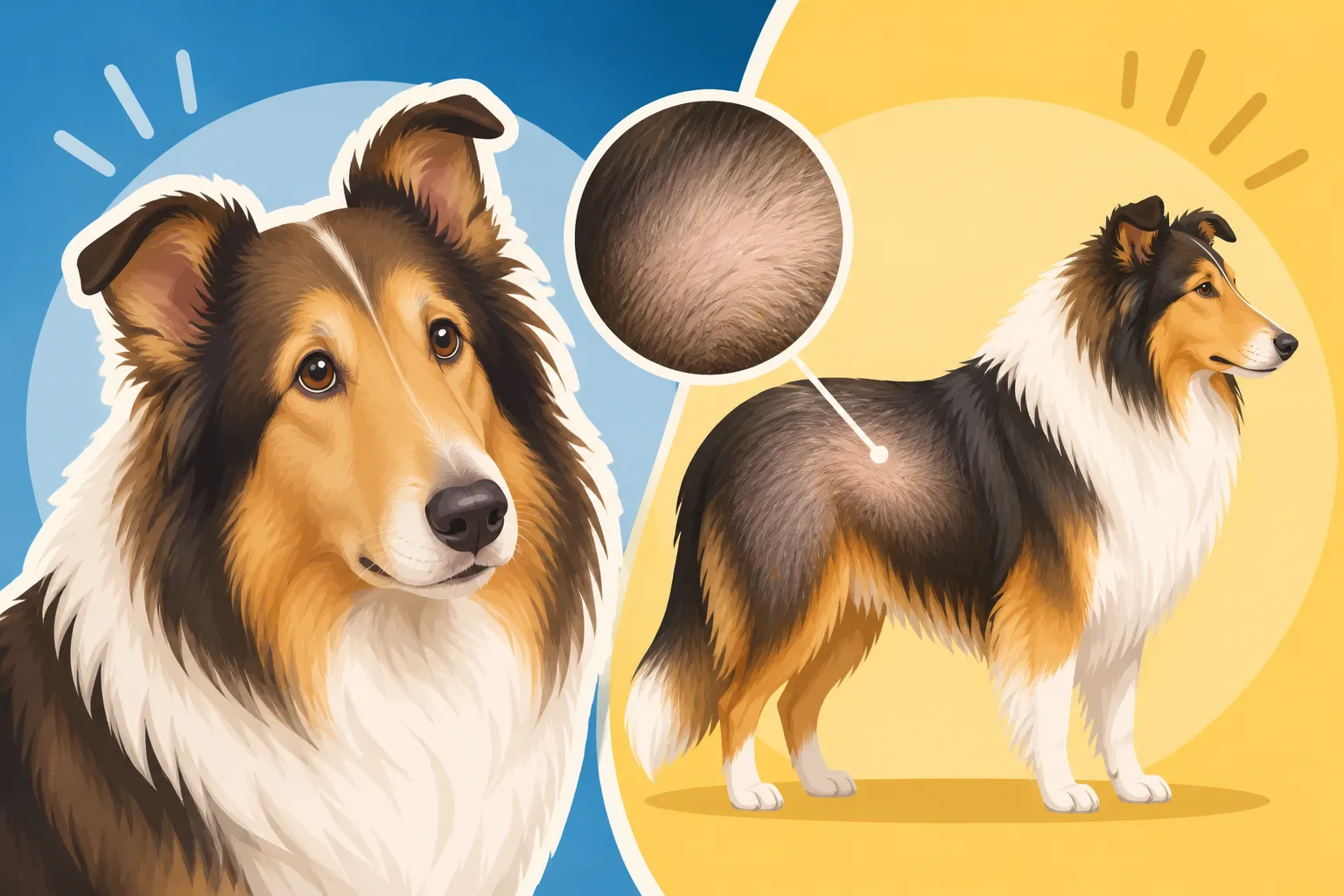
One of the most common health-related causes for a sparse coat in older Collies is hypothyroidism. This condition, where the thyroid gland doesn't produce enough hormones, often manifests with dull, brittle hair, excessive shedding, and significant coat thinning, particularly over the flanks, tail, and bridge of the nose. The skin might also become dry, flaky, or darkened. If your Collie is showing these signs, alongside lethargy, weight gain (despite no change in diet), or intolerance to cold, it’s definitely time for a vet visit. It's a condition Collies can be prone to, so it’s always worth checking if you suspect it. Whether a Collie Gets Thyroid Disease and Signs a Collie's Thyroid Is Low offer more insight into this common problem.
Another culprit could be Cushing's disease (hyperadrenocorticism), which involves an overproduction of cortisol. Dogs with Cushing's often develop a very thin, almost "see-through" coat, sometimes described as feeling like tissue paper, often accompanied by hair loss on the body but not typically on the head or legs. Other signs include a pot-bellied appearance, increased thirst and urination, and muscle weakness. While less common than hypothyroidism, it's a possibility to discuss with your vet if these symptoms align with your Collie’s changes.
Nutritional deficiencies, though less common with quality commercial dog foods, can also impact coat health. Older Collies sometimes have reduced appetites or issues with nutrient absorption. If their diet isn't providing adequate protein, fatty acids, or essential vitamins, their coat can suffer, appearing dull, dry, and sparse. Make sure you're feeding a high-quality senior formula. Brands like Ollie offer fresh, balanced meals that can be great for senior dogs with specific dietary needs, though you'll want to check their current plans and pricing directly. Sometimes, a change in diet can make a noticeable difference in coat quality.
Parasites, fungal infections, or bacterial skin infections, while often causing itching and localized hair loss, can sometimes contribute to a generalized poor coat appearance or thinning if left unchecked. A good example is sarcoptic mange, which can lead to widespread hair loss and skin irritation. Even in older dogs, it's important not to rule out these more common issues, especially if the thinning is accompanied by scratching, redness, or scabbing.
Finally, certain medications can also affect coat quality. Long-term use of steroids, for instance, can lead to thinning skin and a sparse coat, similar to some symptoms of Cushing's. If your senior Collie is on chronic medication, it’s worth discussing potential side effects with your veterinarian.
Here's a quick comparison to help you distinguish between normal aging and potential health concerns:
| Characteristic | Normal Aging Coat Changes | Potential Health Concern (Seek Vet Advice) |
|---|---|---|
| Overall Density | Gradual, even thinning of undercoat, flatter appearance. | Significant, rapid, or patchy hair loss; "moth-eaten" look. |
| Texture | Coarser or finer, but generally consistent across the body. | Brittle, excessively dry, oily, or "tissue paper" thin. |
| Skin Appearance | Healthy, possibly thinner but not irritated or discolored. | Redness, scales, crusts, sores, excessive oiliness or dryness. |
| Shedding Pattern | May become more gradual year-round; less dramatic "blows." | Excessive, uncontrollable shedding; large clumps coming out easily. |
| Accompanying Signs | No other major health symptoms. | Lethargy, weight changes, increased thirst/urination, itching, pain, skin darkening. |
| Distribution | Generalized thinning, often more noticeable on body/flanks. | Symmetrical hair loss (e.g., both flanks), specific bald patches. |
Supporting Your Senior Collie's Coat Health
Even if your old Collie's coat is naturally going a bit sparse with age, there's plenty you can do to support its health and comfort. It's all about a holistic approach that combines attentive grooming, proper nutrition, and regular veterinary care. Caring for a Collie Past Nine covers many aspects of keeping your senior dog comfortable and healthy.
Gentle, Consistent Grooming
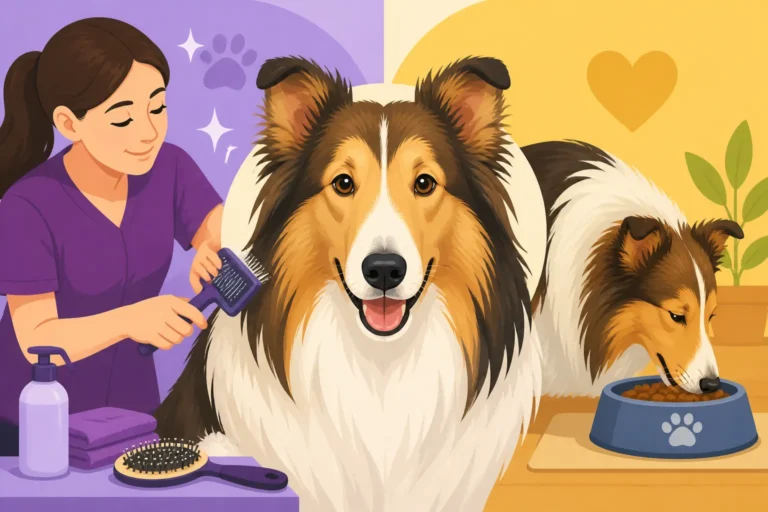
Regular grooming is absolutely vital for an aging Collie, even if their coat isn't as thick as it once was. Their skin can become more delicate and prone to irritation, and their circulation might not be as robust.
- Brushing: Aim for frequent, gentle brushing sessions. Instead of long, vigorous strokes, use softer, shorter passes, focusing on line brushing to ensure you reach the skin without irritating it. A good quality pin brush or a soft slicker brush (used gently) can help remove loose undercoat and stimulate blood flow. You can find excellent grooming tools on Amazon that cater to sensitive skin, including brushes with rounded pins. Four Tools and Twenty Minutes: Brushing a Rough Collie provides great insights into essential grooming tools and techniques.
- Bathing: Bathe your senior Collie only as needed, using a mild, moisturizing shampoo formulated for sensitive skin. Over-bathing can strip natural oils, leading to dry skin and a dull coat. Always ensure they are thoroughly dried afterward, especially in cooler weather, to prevent skin issues.
- Mat Prevention: Even a sparser coat can mat, especially in areas like behind the ears, under the legs, or in the "petticoat." Mats can pull at fragile skin, causing pain and even skin infections. Gentle daily passes through these high-friction areas can prevent bigger problems down the line. If you encounter a mat, use a detangling spray and work it out patiently with your fingers before resorting to a mat splitter or blunt-nosed scissors (always with extreme caution).
Tailored Nutrition and Supplements
What goes into your Collie directly impacts what shows on the outside, especially when it comes to their coat.
- Senior-Specific Diet: As Collies age, their metabolic needs change. They might require fewer calories to maintain a healthy weight (to avoid problems like Whether a Collie's Weight Shortens Its Life) but still need high-quality protein and essential nutrients. A good senior dog food formula is often lower in calories but still packed with digestible protein, joint-supporting ingredients, and antioxidants. Many reputable brands offer excellent senior lines, readily available through retailers like Chewy.
- Omega Fatty Acids: These are superstars for skin and coat health. Supplements rich in Omega-3 and Omega-6 fatty acids (like fish oil or flaxseed oil) can improve skin elasticity, reduce dryness, and give the coat a healthier sheen. Always consult your vet before adding any new supplements to ensure they are appropriate for your Collie's specific health needs and won't interact with existing medications.
- Probiotics and Digestive Support: Sometimes, a sparse coat can be linked to poor nutrient absorption. Supporting your Collie's gut health with probiotics can improve digestion and ensure they are getting the most out of their food, which can indirectly benefit their coat.
- Hydration: Ensure your Collie always has access to fresh, clean water. Good hydration is fundamental for healthy skin and hair follicles.
Regular Veterinary Check-ups
Never underestimate the power of your veterinarian, especially for senior Collies.
- Routine Exams: Regular check-ups are paramount. Your vet can catch subtle changes that might indicate a developing health issue long before it becomes obvious. They can also recommend specific diagnostics if they suspect an underlying condition affecting the coat. Whether an Old Collie Needs Bloodwork Twice a Year is a great article that expands on this.
- Bloodwork: Annual or bi-annual blood tests are often recommended for senior dogs. These can screen for common issues like thyroid disease, kidney disease, and other metabolic imbalances that can affect coat quality. If your Collie's coat is thinning dramatically, your vet will likely want to run a full panel.
- Addressing Pain: An older Collie might be less active due to arthritis or other aches and pains. Reduced activity can sometimes lead to less stimulation of the skin and coat, and a dog that is uncomfortable might not groom themselves as effectively. Addressing pain with appropriate medication or therapies can improve overall well-being, including coat health.
By combining these attentive care strategies, you can help your senior Collie maintain the best possible coat quality and overall health, ensuring their golden years are as comfortable and dignified as possible.
Disclaimer
This article is for general informational purposes only and does not constitute professional advice. Laws, prices and regulations vary by location and change over time. Consult a qualified professional for guidance on your specific situation.