Caring for a Collie Past Nine
Watching your beloved Collie approach their golden years is a bittersweet experience. One day they're a bouncing puppy, and the next, you notice a little stiffness in their gait or a slight cloudiness in their eyes. It's a natural part of life, but it can bring a whole new set of worries and questions about how best to care for them. This guide is here to walk you through everything you need to know about caring for your Collie once they're past the age of nine, helping you ensure their comfort, health, and happiness in their senior years.
Understanding the Senior Collie
Just like people, dogs don't suddenly become "old" overnight. It's a gradual process, but there are definitely markers and changes that indicate your Collie is entering their senior phase. Being aware of these shifts allows you to be proactive in their care.
When Does a Collie Become "Senior"?
While it can vary slightly from individual to individual, Collies generally enter their senior years around the age of seven or eight. For the purpose of this guide, focusing on a Collie past nine means we're truly diving into those well-established senior stages, where many of the age-related changes become more pronounced. This isn't to say a seven-year-old Collie is over the hill, but by nine, most owners will start noticing a difference in their energy levels, activity, and perhaps even their hearing or eyesight. Knowing that your Collie is becoming senior isn't a cause for sadness, but rather a call to adjust your care routine to meet their evolving needs. Understanding how long a Collie lives and what ends it can also help you appreciate the precious time you have with them.
Physical Changes to Expect
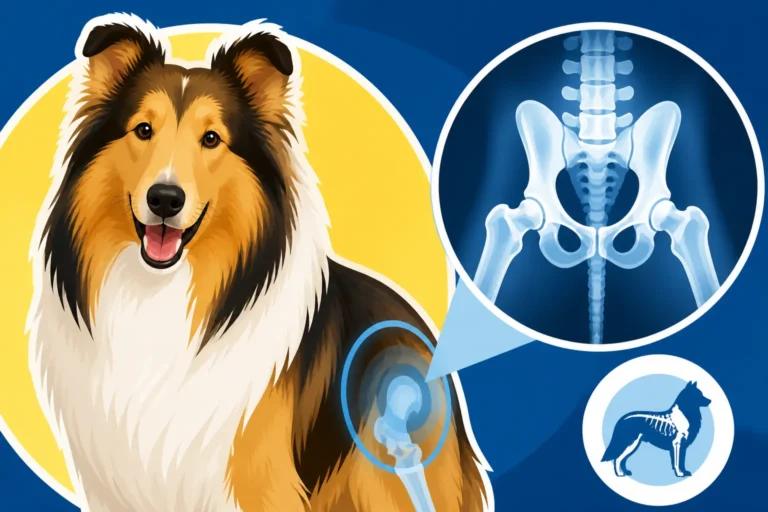
As your Collie ages, their body will naturally undergo several changes. Their beautiful, flowing coat might thin slightly, or become coarser, and you might notice more gray hairs, especially around their muzzle and eyes. Their muscles might lose some mass, leading to a leaner appearance despite a healthy weight, and their joints can become stiffer, making it harder for them to jump into the car or climb stairs. You might notice them slowing down on walks or taking longer to get up after a nap. Their senses, too, can start to dull; hearing loss is common, and their eyesight may not be as sharp as it once was. It's important to remember that these are normal physiological changes, but they do require you to be more observant and responsive. For example, if you notice signs a Collie has hip dysplasia, even if it developed earlier, it will likely become more pronounced and require more management in their senior years.
Behavioral and Cognitive Shifts
Beyond the physical, you might also observe changes in your Collie's behavior and cognitive function. They might sleep more during the day but seem restless or confused at night. This can often be a sign that an old Collie gets confused at night, which is a common symptom of canine cognitive dysfunction (CCD), sometimes referred to as "doggy dementia." They might startle more easily if their hearing is diminishing, or become less tolerant of changes in routine. Some Collies may become more clingy, following you from room to room, while others might seem a bit withdrawn. Their ability to learn new commands might slow, or they may forget old ones. Patience and a predictable routine become paramount during this time. These changes aren't necessarily signs of pain or illness (though those should always be ruled out), but rather a natural part of their brain aging.
Nutritional Adjustments for Senior Collies
Just like we adjust our diets as we age, your senior Collie's nutritional needs will shift. What worked perfectly for them in their prime might not be the best choice for their golden years. The goal is to support their changing metabolism, maintain muscle mass, and help manage age-related conditions.
Tailoring the Diet to Age and Activity
A senior Collie generally has a lower metabolism and is less active than a younger dog. This means their caloric needs decrease. Continuing to feed them the same amount of food can quickly lead to weight gain, which puts unnecessary strain on their joints and organs. Look for senior-specific dog foods that are typically lower in calories, fat, and sometimes protein, while still being highly digestible. However, a common misconception is that all senior dogs need very low protein. Many older Collies actually benefit from higher-quality, easily digestible protein to help maintain muscle mass, especially as they face the natural process of muscle wasting (sarcopenia). Consulting with your vet to determine the ideal caloric intake and macronutrient balance for your individual Collie is crucial. They can help you assess if your Collie is too thin under its coat or if extra weight is hiding there.
Addressing Weight Management and Muscle Loss
Weight management becomes a delicate balance in senior Collies. Obesity is a major concern, exacerbating joint pain and increasing the risk of other health issues like diabetes and heart disease. On the other hand, significant muscle loss can lead to weakness and further mobility problems. If your Collie is overweight, your vet might recommend a controlled weight loss plan, often involving a senior diet food and carefully portioned meals. For Collies struggling with muscle loss, supplementing with high-quality protein sources like lean meats or specific amino acid supplements might be beneficial, again, under veterinary guidance. Splitting their daily food allowance into two or three smaller meals can also aid digestion and prevent bloat, a serious risk for deep-chested breeds like Collies.
Essential Supplements for Senior Health
While a balanced senior diet is the foundation, certain supplements can provide additional support for your aging Collie. Glucosamine and chondroitin are widely used to support joint health and manage arthritis, which becomes more common as they age. Omega-3 fatty acids, like those found in fish oil, can reduce inflammation, support coat health, and benefit cognitive function. Antioxidants (Vitamins C and E) can help combat cellular damage, and some Collies might benefit from B vitamins for energy and nerve function. Probiotics can support gut health, which is vital for nutrient absorption and overall well-being. Always discuss any new supplements with your veterinarian before introducing them, as some can interact with medications or existing health conditions. A good quality multi-vitamin formulated for senior dogs can also be a helpful addition.
Managing Common Health Issues in Older Collies
The reality of aging means a higher likelihood of encountering various health conditions. Being prepared for these common issues in senior Collies can make a significant difference in their quality of life.
Arthritis and Joint Degeneration
Arthritis is one of the most prevalent conditions in older dogs, and Collies are no exception. Years of activity take their toll on cartilage, leading to pain, stiffness, and reduced mobility. You might notice your Collie struggling to get up, hesitating before jumping, or limping after exercise. Diagnosis usually involves a physical exam and X-rays. Treatment often involves a multi-modal approach: pain medication (NSAIDs like carprofen or meloxicam), joint supplements (as mentioned above), physical therapy, and weight management. Regular, gentle exercise is crucial to keep joints mobile, but avoid overexertion. Hydrotherapy can be particularly beneficial, reducing impact on joints while building muscle. Many owners ask whether a Collie needs joint support from middle age, and the answer is often a resounding yes, as early intervention can significantly slow the progression of arthritis.
Organ Function Decline Kidney, Liver, Heart
As Collies age, their internal organs also start to function less efficiently. Kidney disease is common, often showing up as increased thirst and urination, and can be managed with special diets and medications. Liver function can decline, though it's often more resilient. Heart disease, such as valvular degeneration, can lead to coughing, fatigue, and difficulty breathing. Regular veterinary check-ups are essential to monitor organ function through blood and urine tests. Your vet might recommend bloodwork twice a year for an old Collie to catch any subtle changes early. Early detection and intervention can significantly slow the progression of these diseases and improve your Collie's quality of life.
Sensory Impairment: Vision and Hearing Loss
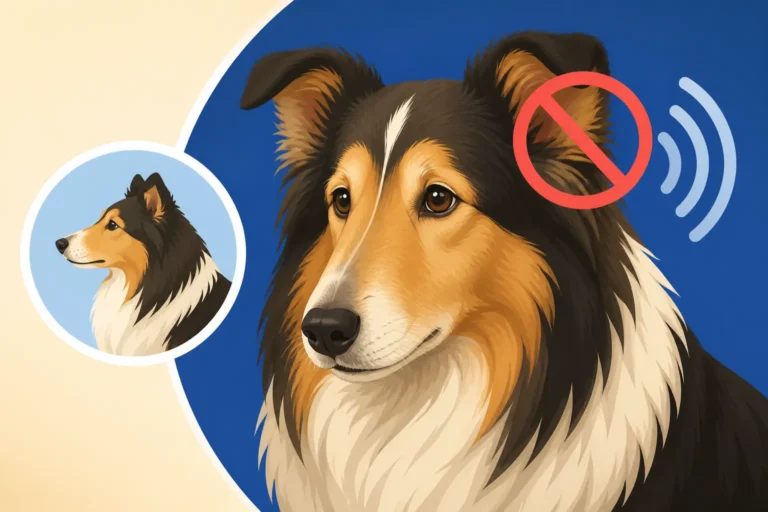
It's common for an old Collie to lose its hearing and experience a decline in vision. Cataracts can develop, making their vision cloudy, and some Collies may experience progressive retinal atrophy. Hearing loss can be gradual, making your Collie seem unresponsive to commands or easily startled. For vision loss, keep furniture in the same place, use scent markers, and ensure clear paths. Leash walks become even more important for safety. For hearing loss, switch to hand signals for commands, use vibrations (like stomping your foot), and be mindful of approaching them from behind. Patience and consistency are key as they adapt to these new challenges. Remember that the DNA test does not catch every affected Collie for eye issues, so regular exams remain crucial.
Cognitive Dysfunction Syndrome
Canine Cognitive Dysfunction (CCD) is a heartbreaking but increasingly recognized condition in senior dogs. It's essentially doggy dementia, manifesting as disorientation, changes in sleep-wake cycles, altered interactions with family members, and house-soiling accidents. They might stare blankly at walls, forget how to navigate familiar spaces, or whine for no apparent reason. While there's no cure, management strategies can help. These include medication (like selegiline), cognitive support supplements (e.g., SAMe, antioxidants, omega-3s), consistent routines, mental stimulation, and a calm home environment. Early recognition of what changes in a Collie after nine, especially behavioral ones, can lead to earlier intervention and better outcomes.
Maintaining Mobility and Comfort
Keeping your senior Collie moving and comfortable is vital for their physical and mental health. While they might not be as spry as they once were, there's a lot you can do to support their mobility.
Adapting Exercise Routines
Gone are the days of marathon runs or intense herding sessions for most senior Collies. Instead, focus on shorter, more frequent, and gentler walks. Two or three twenty-minute strolls are often better than one long, tiring hour. The goal is to keep their muscles working and joints flexible without overexertion or causing pain. Pay close attention to their cues; if they lag behind, struggle, or show signs of discomfort, it's time to head home. Swimming can be an excellent low-impact exercise if your Collie enjoys water. Consider if an old Collie should keep herding, and for most, the answer will be light, recreational engagement rather than competitive work. On colder days, a warm sweater might help keep their muscles limber.
Providing Joint Support and Pain Relief
Beyond diet and supplements, there are many ways to physically support your Collie's joints. Orthopedic beds provide better cushioning and support, easing pressure points. Ramps can help them get into cars or onto furniture without painful jumps, and non-slip rugs on slick floors can prevent slips and falls. For pain relief, your vet might prescribe non-steroidal anti-inflammatory drugs (NSAIDs) or other pain management medications. Complementary therapies like acupuncture, therapeutic massage, or laser therapy can also provide significant relief for many senior dogs with arthritis. Remember, a Collie hides pain well, so you need to be observant for subtle signs of discomfort.
Home Modifications for Easier Movement
Making small changes around your home can dramatically improve your senior Collie's quality of life. As mentioned, ramps are a game-changer for car access or navigating stairs. Consider baby gates to block off stairs if they're a hazard, or restrict access to areas where slips are common. Raised food and water bowls can reduce neck strain, making mealtime more comfortable. Providing easily accessible, comfortable resting spots on every floor of your home ensures they don't have to navigate stairs just for a nap. Ensuring they have a cozy, warm spot to sleep away from drafts is also essential, especially if their coat thins with age.
Grooming and Coat Care for the Aging Collie
That magnificent Collie coat, a hallmark of the breed, requires even more attentive care as your dog ages. Changes in their skin, coat texture, and their ability to groom themselves mean you'll need to adjust your routine.
Changes in Coat Texture and Shedding Patterns
As Collies get older, their coats can change. You might find the undercoat becomes sparser, or the texture becomes drier and more brittle. This can lead to more matting in some areas, or simply a duller appearance. While they might still have their famous "coat blows" twice a year, the amount of hair dropped might reduce slightly, or, conversely, become more constant year-round due to changes in metabolism and thyroid function. Their skin can also become thinner and more delicate, making them prone to irritation. It's crucial to adapt your grooming tools and techniques to accommodate these changes.
Gentle Grooming Techniques
Regular, gentle grooming is more important than ever. While brushing a Collie in full coat takes a fair bit of effort, a senior Collie might not tolerate long grooming sessions. Break it down into shorter, more frequent sessions. Use softer brushes, like a good quality pin brush, and avoid harsh pulling or tugging. Pay special attention to areas prone to matting, such as behind the ears, in the armpits, and under the tail, where the coat might become denser or they might struggle to reach. Ensure you're brushing down to the skin, but always with a gentle touch, as their skin can be more sensitive. Regular inspection for skin lumps, bumps, or irritations is also vital. Consider whether an old Collie should still be brushed daily, and often the answer is yes, if only for short, bonding sessions.
Skin Health and Hygiene
Senior Collies can be more susceptible to skin issues. Their immune system might not be as robust, making them prone to infections, and changes in coat density can affect ventilation, leading to hot spots or yeast infections if the skin gets damp or dirty. Regular, gentle bathing with a mild, moisturizing dog shampoo can help keep their skin healthy, but ensure they are thoroughly dried afterward to prevent skin problems under their thick coat. Pay close attention to their paws; older Collies can have overgrown nails or excessive hair between their paw pads, which can affect their traction and comfort. Keeping these areas trimmed will help with mobility and prevent painful issues.
Mental Stimulation and Emotional Well-being
It's easy to focus solely on the physical needs of an aging Collie, but their mental and emotional health are just as important. Keeping their minds active and their spirits high can significantly improve their quality of life.
Keeping the Mind Active
Just like people, an aging brain benefits from regular exercise. Engaging your senior Collie in gentle mental stimulation can help slow cognitive decline. Continue to practice known commands, even if they're a bit slower to respond. Introduce new, simple tricks or puzzle toys designed for senior dogs. Scent games, where they have to sniff out treats, are fantastic because they engage a primary canine sense without requiring much physical exertion. Short, positive training sessions using positive reinforcement can boost their confidence and give them a sense of purpose. This helps prevent boredom and frustration, which can sometimes manifest as anxiety or restlessness.
Maintaining Social Connections
Collies are inherently social dogs, deeply bonded to their families. Maintaining their social connections is paramount for their emotional well-being. Continue to include them in family activities, even if it's just lying quietly nearby. Gentle petting, quiet conversations, and consistent interaction provide comfort and reassurance. If they still enjoy it, supervised, low-key interactions with other calm, gentle dogs can be beneficial. However, be mindful that an old Collie might not tolerate boisterous puppies or overly energetic playmates. Respect their need for personal space and quiet time, but never let them feel isolated.
Recognizing and Reducing Stress
Senior Collies can become more sensitive to stress and changes in their environment. Loud noises, new people, or alterations to their routine can be more unsettling than they once were. Observe your Collie for signs of stress, such as excessive panting, pacing, drooling, lip-licking, or hiding. Create a predictable daily routine for them, which provides a sense of security. Ensure they have a quiet, safe "den" where they can retreat when they feel overwhelmed. Calming aids, like pheromone diffusers (e.g., Adaptil) or calming supplements, might be helpful for some. Your unwavering presence and calm demeanor will be their greatest source of comfort.
Veterinary Care: The Senior Check-up Schedule
As your Collie ages, regular veterinary check-ups transition from preventative maintenance to proactive health management. These visits become your most important tool in ensuring their comfort and catching potential issues early.
Frequency and Importance of Vet Visits
While adult Collies typically have annual vet visits, a senior Collie should ideally see the veterinarian every six months. This increased frequency allows for earlier detection of age-related conditions, many of which can progress rapidly if left unchecked. These visits aren't just for vaccinations; they are comprehensive health assessments. Your vet will perform a thorough physical examination, checking their teeth, eyes, ears, skin, joints, and listening to their heart and lungs. They'll also assess their body condition and muscle mass. These routine check-ups are crucial for catching subtle changes that you might miss at home.
Recommended Screenings and Tests
Beyond the physical exam, your vet will likely recommend a standard panel of senior screenings. This typically includes bloodwork (complete blood count and chemistry panel) to assess organ function (kidneys, liver), check for anemia, and monitor electrolyte levels. A urinalysis is also vital to check kidney function and screen for urinary tract infections or bladder stones in a Collie. If concerns about thyroid function arise, a thyroid panel will be run, as thyroid disease in Collies is a possibility. For dogs showing signs of mobility issues, X-rays might be recommended to evaluate joint health. Discussing the results of these tests allows you and your vet to create a personalized health plan, addressing any emerging issues before they become serious. Remember to provide your vet with a complete drug list that can kill a Collie, especially if new medications are being considered, as their system may be more sensitive in old age.
| Health Area | Recommended Screening/Test | Frequency for Senior Collies | Purpose |
|---|---|---|---|
| General Health | Comprehensive Physical Exam | Every 6 months | Assess overall health, detect lumps/bumps, evaluate mobility, coat, and skin. |
| Organ Function | Complete Blood Count (CBC) | Every 6-12 months | Checks for anemia, infection, inflammation. |
| Organ Function | Chemistry Panel | Every 6-12 months | Evaluates kidney, liver, pancreatic function, blood sugar, electrolytes. |
| Kidney/Urinary | Urinalysis | Every 6-12 months | Screens for kidney disease, urinary tract infections, bladder stones. |
| Hormonal | Thyroid Panel | Every 12-24 months (or if symptomatic) | Checks for hypothyroidism, a common senior dog condition. |
| Mobility | X-rays (hips, spine, specific joints) | As needed, based on exam findings | Assesses for arthritis, hip dysplasia, spinal issues. |
| Cardiovascular | Blood Pressure | Every 12 months (or if symptomatic) | Screens for hypertension, which can impact kidneys and heart. |
| Cognitive | Behavioral Assessment | Every 6 months | Discuss any changes in behavior, sleep, or interaction to screen for CCD. |
Discussing Quality of Life
One of the most important, and often difficult, discussions you'll have with your vet about your senior Collie is about their quality of life. This conversation isn't about giving up; it's about ensuring your dog lives comfortably and happily. Your vet can help you objectively assess your Collie's pain levels, mobility, appetite, enjoyment of life, and overall well-being. They can offer insights into managing chronic conditions and advise on when palliative care might be needed. This open dialogue helps you make informed decisions, ensuring your beloved companion's dignity and comfort are prioritized above all else. There are resources available, like those from the Collie Health Foundation Funds, that help advance research into these types of difficult health topics.
Creating a Safe and Supportive Environment
An aging Collie benefits immensely from a home environment that anticipates and accommodates their changing needs. Thoughtful adjustments can prevent accidents, reduce stress, and enhance their daily comfort.
Adapting the Home for Comfort and Safety
Start by looking at your home through your Collie's eyes. Are there slippery floors that pose a fall risk? Lay down non-slip runners or rugs, especially in high-traffic areas or where they frequently jump off furniture. Are stairs becoming difficult? Consider a ramp for outdoor steps or a baby gate to prevent unsupervised access to stairs indoors. Ensure their bed is easily accessible, comfortable, and provides good support. Elevated food and water bowls can make eating and drinking more comfortable by reducing the need to stoop. If their vision is diminishing, try to keep furniture arrangement consistent to help them navigate familiar spaces. Adequate lighting, especially at night, can also help reduce disorientation if an old Collie gets confused at night.
Managing Potty Breaks and Accidents
As Collies age, their bladder and bowel control may weaken, and they might need to relieve themselves more frequently. This is not a behavioral issue; it's a physical one. Be prepared to increase the frequency of potty breaks, especially after waking up, eating, or drinking. Consider doggy diapers or washable pee pads for indoor use if accidents become common, particularly overnight. Ensure easy outdoor access, perhaps through a doggy door if your Collie is still comfortable using one, or be diligent about letting them out. Clean accidents thoroughly with an enzymatic cleaner to eliminate odors and prevent re-soiling. Patience and understanding are key here; scolding them for accidents will only cause distress.
Understanding End-of-Life Care Considerations
This is perhaps the hardest part of caring for a senior Collie, but it's an important conversation to have before it becomes an emergency. End-of-life care focuses on providing comfort and managing pain during their final stages. This might involve hospice care, where the focus is on pain management, nutrition, hygiene, and emotional support. Discussing euthanasia options with your vet beforehand allows you to make calm, rational decisions rather than rushed, emotional ones in a crisis. Understanding what your Collie needs to maintain a good quality of life and knowing when that quality has significantly diminished is a profound act of love. Many pet owners consider services like Healthy Paws pet insurance, not just for emergencies in younger years, but to help cover the costs of diagnostics, medications, and treatments that can significantly improve comfort and extend quality of life for senior pets, even encompassing some end-of-life care decisions. Having these conversations and plans in place ensures that your Collie's final days are filled with peace, comfort, and the love they deserve.
Disclaimer
This article is intended for informational purposes only and does not constitute veterinary advice. Always consult with a qualified veterinarian for any health concerns or before making any decisions about your Collie's care, diet, or treatment. Each dog is an individual, and what works for one may not work for another.