Whether an Old Collie Loses Its Hearing
It's heartbreaking to realize that your beloved Collie, who once responded to every whisper and doorbell chime, might be struggling to hear you. This decline in hearing is a common, often subtle, part of aging that many dog owners face, leaving us worried about their well-being and how to best care for them. This comprehensive guide will walk you through understanding age-related hearing loss in Collies, recognizing the signs, and adapting your life to ensure your senior companion remains safe, happy, and connected.
The Reality of Hearing Loss in Senior Collies
Just like people, our furry friends aren't immune to the natural wear and tear that comes with getting older. For many Collies, as they gracefully transition into their senior years, a decline in their hearing is an almost expected part of the journey. It's a gradual process, not typically a sudden event, which can make it tricky to pinpoint exactly when it begins.
The Natural Process of Presbycusis
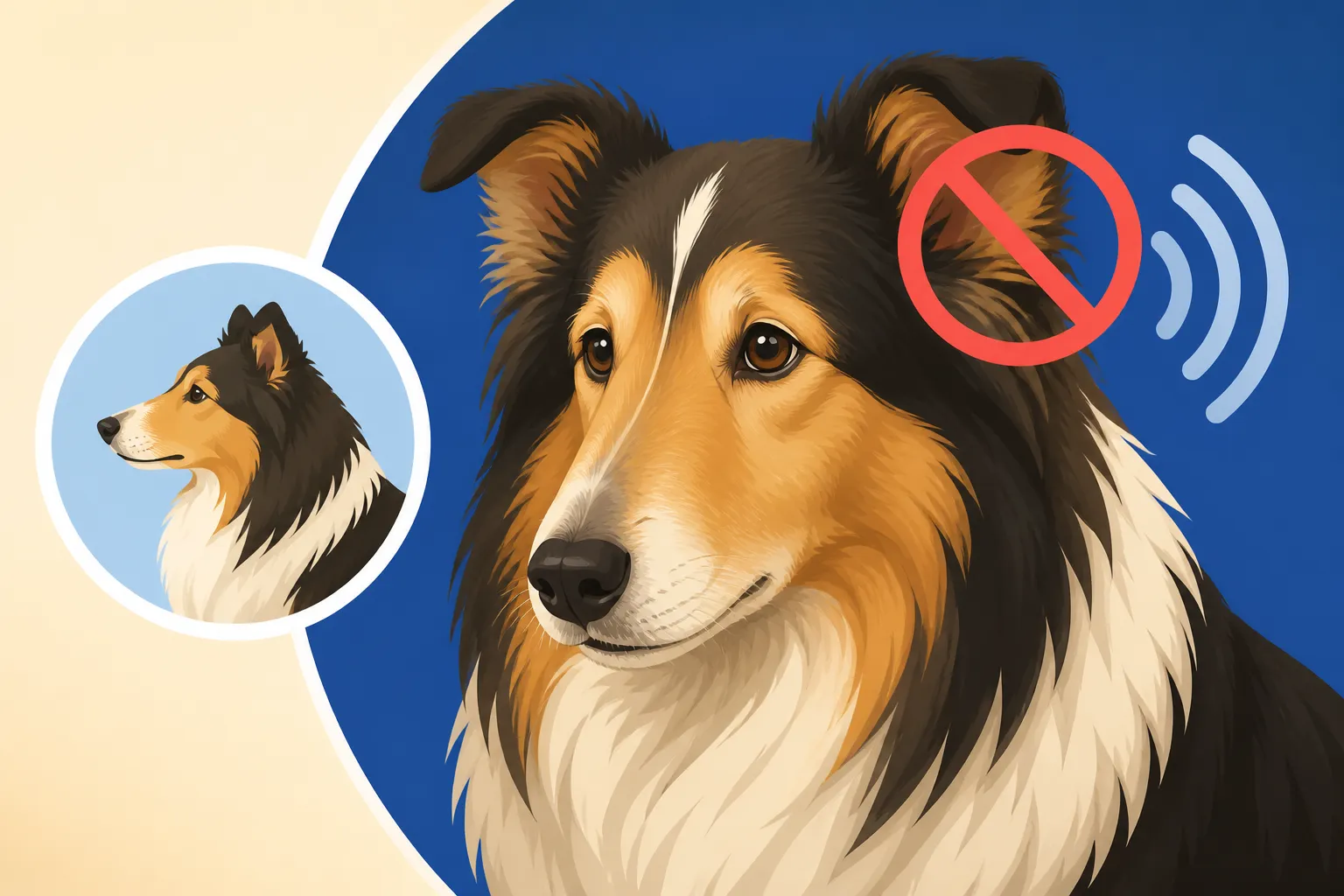
The most common culprit behind hearing loss in older Collies is something called presbycusis, which is just a fancy way of saying age-related hearing degeneration. This isn't a disease in itself but rather a natural physiological change that affects the inner ear. Over time, the delicate hair cells within the cochlea – those tiny, specialized cells responsible for detecting sound vibrations and sending signals to the brain – begin to degrade and die off. Once these cells are gone, they can't regenerate, leading to permanent hearing impairment.
For a Collie, who relies so much on their keen senses to interpret their world, this can be disorienting. Imagine a world that slowly quiets down, where familiar sounds become muffled, or certain pitches disappear entirely. This can start subtly, maybe they miss a soft call, or don't react to a distant noise they once would have. It's often high-frequency sounds that are affected first, meaning they might still hear deeper tones or louder noises initially. This gradual onset is why you might find yourself wondering if they're just ignoring you, when in reality, they simply didn't hear you at all. It’s part of the broader process of how a Collie ages, where various bodily functions begin to slow or change.
Distinguishing Age-Related Loss from Other Causes
While presbycusis is the most common reason for a senior Collie's fading hearing, it's really important to rule out other potential causes. Sometimes, what looks like age-related deafness could be something entirely treatable. This is why a veterinary check-up is non-negotiable when you first suspect a change in your Collie's hearing.
For instance, ear infections are surprisingly common, even in older dogs, and can cause temporary or even long-term hearing issues if left untreated. Your Collie's long, majestic ears, while beautiful, can sometimes trap moisture and debris, creating a perfect breeding ground for bacteria or yeast. Mites, polyps, or foreign objects like grass awns can also obstruct the ear canal, blocking sound. Even a significant build-up of wax can temporarily reduce hearing. Your vet will be able to perform an otoscopic exam, looking deep into the ear canal, and can clean it thoroughly or prescribe medication if an infection is present. In some rarer cases, tumors or other growths within the ear canal or surrounding structures could be the cause, and early detection is always best. Understanding these possibilities is crucial, as you don't want to dismiss a treatable condition as simply "old age."
Signs Your Senior Collie's Hearing is Fading
Recognizing that your Collie's hearing might be declining often starts with a nagging feeling rather than an obvious event. They're intelligent and adaptable dogs, and sometimes their coping mechanisms can mask the early signs of hearing loss. However, with careful observation, you can pick up on the cues.
Subtle Early Indicators
In the beginning, the signs can be quite subtle, almost imperceptible. You might find yourself making excuses for your Collie's behavior, thinking they're just being stubborn or a bit sleepy. Perhaps they don't perk up when you open the treat jar from another room, a sound that once guaranteed their immediate presence. Or maybe they sleep through the mail carrier's truck rumbling down the street, something that used to trigger a chorus of barks. They might seem less responsive to their name when called from behind, or they might not hear the gentle rustle of your keys as you prepare for a walk. These small, isolated incidents can accumulate and start to paint a clearer picture.
It's also common for Collies with early hearing loss to startle more easily if you approach them from behind or touch them when they haven't seen you coming. This isn't aggression, but a natural reaction to being caught off guard when their auditory warning system isn't functioning properly. You might also notice them barking more frequently or loudly, as they can't regulate the volume of their own voice as effectively. Keeping an eye on these initial changes can help you intervene and adapt before the hearing loss progresses significantly.
Obvious Behavioral Changes
As hearing loss becomes more pronounced, the behavioral changes will become far more obvious and consistent. Your Collie might stop responding to verbal commands altogether, leading you to believe they've forgotten their training. They might no longer greet you at the door because they didn't hear you arrive, which can be disheartening for both of you. Many owners describe their dog as seeming "less connected" or "in their own world."
You'll notice they sleep through things that would have woken them instantly before, like thunder or a dropped pan in the kitchen. If you're walking them off-leash in a safe, fenced area, their recall might completely vanish because they literally can't hear you calling them back. Their head might cock in an attempt to listen, but their eyes will often be scanning for visual cues instead. A key indicator is if they no longer respond to loud claps or whistles right next to their ears. This is usually when owners seek veterinary advice, as the quality of life for both dog and owner is clearly impacted. When considering these sorts of age-related changes, it's wise to have a plan for veterinary care, and pet insurance from providers like Healthy Paws can offer peace of mind when diagnostics and treatments are needed.
Ruling Out Other Health Issues
It's absolutely vital to remember that not all changes in behavior or responsiveness are solely due to hearing loss. Other health issues common in senior Collies can mimic or compound these signs. For example, an old Collie losing its hearing might also be experiencing cognitive decline, known as Canine Cognitive Dysfunction (CCD), which can manifest as disorientation, altered interactions, and changes in activity levels. A Collie who is experiencing pain, perhaps from arthritis or other joint issues, might also seem less responsive or more withdrawn. If they're struggling with joint pain, they may be reluctant to move quickly to respond to you, regardless of their hearing.
Furthermore, vision loss, which is also common in older dogs, can make a dog appear disoriented or unreactive. They might not see your hand signals or your approach. A comprehensive veterinary examination, including bloodwork to check for underlying conditions like thyroid issues, is crucial. Your vet might also want to do a thorough neurological exam to rule out conditions like epilepsy or other brain-related problems that could affect their responsiveness. This holistic approach ensures you're not missing a treatable condition while focusing solely on hearing. Regular check-ups for Caring for a Collie Past Nine should include assessing all their senses and overall health.
| Sign of Hearing Loss | Early/Subtle Indication | Advanced/Obvious Indication |
|---|---|---|
| Response to Name | Misses name when called from another room or from behind. | Does not respond to name even when called loudly from close proximity. |
| Startle Reflex | Jumps if touched unexpectedly from behind. | Constantly startled by unexpected movements or touches. |
| Environmental Sounds | Sleeps through distant sirens or the mail truck. | Sleeps through loud noises like doorbells, thunder, or dropped items. |
| Verbal Commands | Sometimes ignores soft commands or whispers. | Ignores all verbal commands, requiring visual cues. |
| Greeting Behavior | Less enthusiastic greeting at the door, or misses your arrival. | Does not greet you at the door; unaware of your presence until seen. |
| Barking | May bark more or at higher volume without realizing. | May bark inappropriately or seem unaware of their own barking volume. |
| Awareness | Appears less aware of what's happening around them. | Seems "in their own world," easily confused by changes. |
Managing Life with a Hearing-Impaired Collie
Discovering your senior Collie is losing their hearing can feel daunting, but it doesn't mean their quality of life needs to diminish. With a few thoughtful adjustments, you can help them navigate their world safely and happily. It’s all about adapting and focusing on the senses they still have.
Adapting Your Communication
The most significant change you'll need to make is how you communicate with your Collie. Since verbal cues will become less reliable, or disappear entirely, visual cues and body language will become your primary tools. Start by pairing hand signals with your verbal commands before their hearing is completely gone. This way, they'll associate the visual cue with the action. If you've been consistent with hand signals for 'sit,' 'stay,' or 'come,' these will be invaluable. If not, it's never too late to start teaching them. Use clear, exaggerated hand movements, and reward them generously when they respond.
You'll also need to be more deliberate in getting their attention. Stomping lightly on the floor can create vibrations they can feel, signaling your presence. A gentle touch on their back or shoulder can alert them without startling them. Some owners use vibrating collars – not shock collars – that deliver a gentle vibration to get their attention, especially in larger yards or open spaces. Remember, your facial expressions and body posture also convey a lot; a happy, open posture can communicate reassurance and welcome, even if they can't hear your joyful greeting. This careful and consistent approach can keep your bond strong, even if the verbal connection changes.
Ensuring Safety and Comfort
A hearing-impaired Collie faces increased safety risks, both inside and outside the home. Indoors, they might not hear you approaching, leading to accidental trips or being startled. Always try to approach them from the front where they can see you, or make a slight vibration on the floor to announce your presence. Consider adding bells to your shoes or pockets so they can sense your movement, or even giving them a comfortable, quiet spot where they can rest undisturbed. For Whether an Old Collie Gets Confused at Night, ensuring their sleeping area is safe and predictable is especially important.
Outdoors, the risks are more significant. A deaf Collie cannot hear approaching cars, other dogs, or potential dangers. Keeping them on a leash in unfenced areas is paramount for their safety. Even in a fenced yard, supervise them closely, as they might not hear the gate opening or someone calling them. Consider dog parks carefully; if your Collie is easily startled or doesn't react well to unexpected interactions with other dogs, it might be best to avoid them or go during quiet times. You might also want to invest in a special collar or harness that says "Deaf Dog" or "Hearing Impaired" to alert others, especially if you ever need to board them or leave them with a pet sitter. This small step can make a big difference in how others interact with your dog and their understanding of your Collie's needs.
Maintaining Mental Stimulation
Even with reduced hearing, your Collie's mind is still sharp and capable of learning and enjoying life. Maintaining mental stimulation is crucial for their overall well-being and to prevent boredom or anxiety. Continue with their favorite activities, adapting them as needed. Puzzle toys, snuffle mats, and scent games are excellent ways to engage their mind and nose, which become even more important senses when hearing declines. Hide-and-seek can be adapted by having them "stay" while you hide, then making a visible signal for them to "find" you.
Regular walks are still vital for physical exercise and sensory enrichment, allowing them to explore the world through sight and smell. Even if they can't hear the birds, they can still enjoy sniffing out all the fascinating scents in the park. Short, positive training sessions using visual cues can reinforce good behavior and keep their brains active. Don't underestimate the power of consistent routine; Collies thrive on predictability, and knowing what to expect can reduce stress and build confidence in a world that might feel a little less predictable to them now. Keeping them engaged, loved, and active is key to a fulfilling life, just as you would for Whether an Old Collie Needs Joint Support From Middle Age or any other age-related challenge.
Preventative Care and When to See the Vet
While age-related hearing loss is largely irreversible, proactive care can help distinguish it from treatable conditions and ensure your Collie receives the best possible support as they age. Regular veterinary visits are crucial for monitoring overall health and addressing specific concerns related to their senses.
Regular Ear Health Checks
Establishing a routine for ear care early in your Collie's life, and continuing it into their senior years, can make a huge difference. While it won't prevent age-related presbycusis, it can certainly prevent other, treatable causes of hearing loss or discomfort. Regularly inspect your Collie's ears for any signs of redness, swelling, discharge, or unusual odor. A healthy ear canal should be clean and light pink. If you notice any waxy build-up, use a veterinarian-approved ear cleaner and cotton balls (never cotton swabs, which can push debris further in) to gently wipe the visible parts of the ear. Be especially vigilant after baths or swimming, as moisture can create an ideal environment for infections.
During your annual or bi-annual vet visits, ensure your veterinarian performs a thorough ear examination. They'll use an otoscope to look deep into the ear canal, checking for foreign bodies, infections, polyps, or any structural abnormalities that you might not be able to see. Early detection of issues like ear infections means quicker treatment and less chance of long-term damage or discomfort. For a breed like the Collie, who can be prone to various health issues, regular The Three Genetic Tests a Collie Breeder Owes You are important for puppies, but ongoing general health checks become paramount in older age.
When to Seek Veterinary Help
You should make an appointment with your vet as soon as you suspect any changes in your Collie's hearing. It's easy to dismiss early signs as stubbornness or old age, but as discussed, it could be a treatable condition. Here are clear indicators that it’s time to call the vet:
- Sudden or Rapid Hearing Loss: If your Collie’s hearing seems to decline dramatically over a few days or weeks, rather than a gradual process.
- Pain or Discomfort: If your Collie is scratching their ears excessively, shaking their head, whining when their ears are touched, or if you notice any discharge or foul odor from their ears.
- Balance Issues or Head Tilting: Inner ear infections can affect balance, causing your Collie to walk unsteadily or tilt their head.
- Behavioral Changes Beyond Hearing: If the apparent hearing loss is accompanied by confusion, disorientation, changes in appetite, or lethargy, it could indicate a more widespread health issue. Whether an Old Collie Needs Bloodwork Twice a Year is a good question to discuss with your vet, as routine blood panels can catch many underlying health problems.
- Concern for Quality of Life: If you feel your Collie is distressed, anxious, or unable to enjoy their usual activities due to their perceived hearing loss.
Your vet can conduct specific tests, such as a physical examination of the ears, otoscopy, and potentially a BAER (Brainstem Auditory Evoked Response) test, which is the gold standard for objectively measuring hearing function. While a BAER test might be a specialist referral, it offers a definitive diagnosis. Discussions about veterinary costs, especially for diagnostics, can be a worry for many owners. Having a reliable pet insurance plan, such as one from Healthy Paws, can significantly ease the financial burden associated with investigating and managing health concerns in an aging Collie. This way, you can focus on getting your beloved companion the best possible care without undue stress about the bill for What a Collie's Emergency Visit Costs.
Disclaimer
This article is intended for informational purposes only and does not constitute veterinary advice. Always consult with a qualified veterinarian for any health concerns or before making any decisions about your Collie's medical care. Individual circumstances can vary greatly, and professional guidance is essential for accurate diagnosis and treatment.