Whether a Modern Collie Could Still Work Sheep
Many Collie owners wonder if their beautiful, intelligent companions still carry the working spirit of their ancestors. It's a valid question when your dog spends most of its time on the sofa rather than a sheep pasture, and it can be frustrating to feel like you're missing a key part of their heritage. This guide will explore whether modern Collies retain their capacity for herding work, what to look for, and how to gently encourage those latent instincts.
The Enduring Herding Instinct in Modern Collies
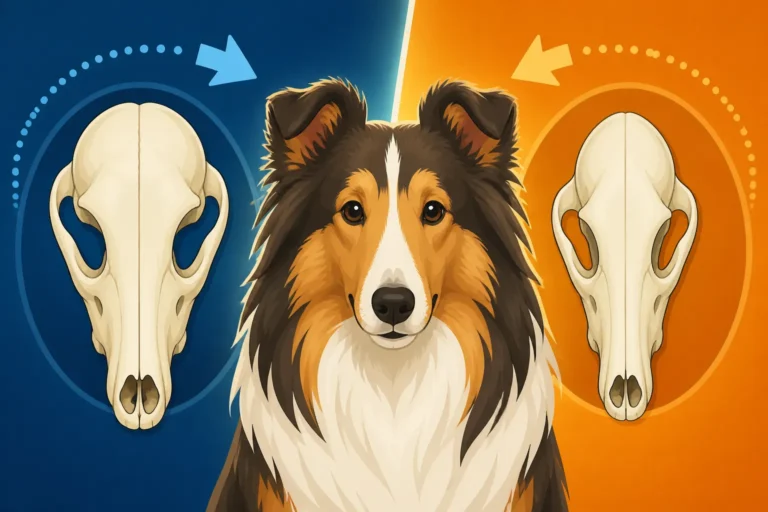
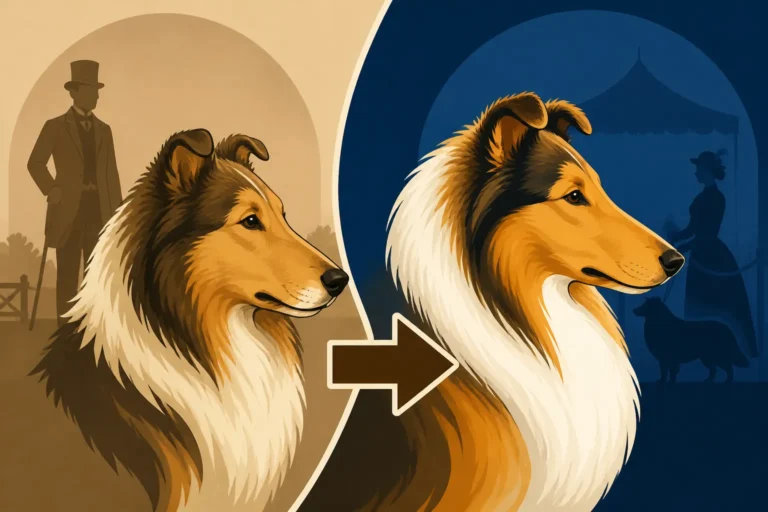
For centuries, Collies were indispensable partners to shepherds in the Scottish Highlands, driving sheep across vast, rugged landscapes. Their intelligence, biddability, and natural herding ability were honed through generations of selective breeding for function. However, as times changed and the breed gained popularity in the show ring, the focus of breeding shifted dramatically from working aptitude to aesthetic qualities like coat, conformation, and temperament suited for a companion animal. This often leads people to believe the working instinct has been entirely bred out.
The Historical Shift from Farm to Fashion
It’s true that the modern Collie, particularly those bred from long lines of show champions, is a very different animal in terms of drive and intensity than their working ancestors. The dogs Queen Victoria popularized, for instance, were admired for their beauty and gentle nature, not necessarily their ability to gather a flock. This pivot had a profound impact on the gene pool. Breeders focused on a calm demeanor for family life and a stunning appearance for the show ring, sometimes inadvertently downplaying or even selecting against the high-energy, strong-willed traits essential for a working dog. As a result, many Collies today are primarily bred to be wonderful family pets – affectionate, devoted, and tolerant with children.
Latent Instincts: Still There, Just Deeper
Despite this shift, the instinct for herding is not entirely gone. It's deeply embedded in the Collie's DNA, and for many individuals, it simply lies dormant, waiting for the right stimulus. You might notice subtle signs in your own Collie, even if they've never seen a sheep. Perhaps they try to "herd" your children during playtime, gently nudging them into a group, or they might try to gather other pets in the house. They might exhibit a strong "eye" on moving objects, a focused stare that is a hallmark of herding dogs. These aren't just quirks; they're echoes of a profound genetic heritage. It's important to remember that instinct is different from learned behavior, and even a Collie with strong instinct might need guidance and training to channel it productively.
Evaluating a Modern Collie's Herding Potential
So, how do you know if your couch potato Collie has a hidden shepherd within? It's not always obvious, and sometimes it takes a little prompting to see these traits emerge. Observing their natural behaviors and reactions can give you some good clues.
Signs of Herding Instinct in a Companion Collie
While not every Collie will show strong herding instincts, many exhibit subtle behaviors that are direct descendants of their working heritage. Here are some things to watch for:
- The "Eye": This is perhaps the most classic herding trait. Does your Collie fix a steady, intense gaze on moving objects – a rolling ball, a scurrying squirrel, or even a person walking away? This focused stare is used to control and direct livestock.
- Circling and Gathering: Does your Collie naturally try to move people or other animals into a group? Perhaps when the kids are playing in the yard, your Collie tries to circle them, keeping them together. Or maybe they try to "collect" all the toys in one spot. This is a clear indicator of the gathering instinct.
- Nipping at Heels: A less desirable, but still telling, sign is the tendency to nip at the heels of moving people or animals. This is a common way herding dogs encourage reluctant livestock to move. If your Collie does this, it needs to be redirected immediately with positive training, but it's still a sign of herding drive.
- Sensitivity to Movement: Collies are often highly attuned to motion. They might react quickly to sudden movements or changes in their environment, characteristic of a dog that needs to be constantly aware of its flock.
- Problem-Solving and Biddability: Working Collies needed to be intelligent and eager to please their handler. If your Collie enjoys learning new commands, figures out puzzle toys quickly, and generally loves to work with you, they possess mental traits that align well with herding. You can find many interactive toys at places like Chewy that encourage this kind of problem-solving.
The Role of Genetics and Early Exposure
While show lines have emphasized companion traits, there are still breeders who prioritize maintaining some level of working instinct, or at least a strong working temperament. These breeders often health test their dogs extensively for conditions like The Three Genetic Tests a Collie Breeder Owes You and Collie Eye Anomaly Affects Most Collies, So Ask How Badly, but they also pay attention to innate drive. If you acquired your Collie from a breeder who has some connection to performance events like agility or obedience, there might be a higher chance of latent herding ability.
Early exposure can also play a role, though instinct is primary. A young Collie puppy, even from a non-working line, might show stronger interest in sheep if introduced to them in a positive, low-pressure environment. However, forcing a dog that shows no interest is counterproductive and stressful for the animal. It's about recognizing and nurturing existing potential, not creating it where it doesn't exist.
Exploring Herding Activities with Your Collie
If you’ve observed some of these signs and are curious, exploring herding activities can be an incredibly enriching experience for both you and your Collie. It taps into their deepest nature and provides mental and physical stimulation unlike any other sport.
Finding a Herding Instinct Test
The best first step is to seek out a herding instinct test. These are typically offered by experienced trainers at facilities with livestock (usually sheep, but sometimes ducks or goats). During an instinct test, your Collie is introduced to a small group of livestock in a controlled environment, often a small round pen. The trainer observes the dog's natural reactions without interference.
What an Instinct Test Reveals:
| Reaction Observed | Potential Meaning for Herding |
|---|---|
| Intense "Eye" and Focus | Strong herding instinct, potential for a "fetch" style |
| Circling and Flanking | Natural gathering ability, good control over stock |
| Interest in Moving Stock | Clear drive to engage with the animals |
| Trying to Block Movement | Shows a desire to control the flock's direction |
| No Interest / Fear | Low to no herding instinct, or needs more confidence building |
| Overly Aggressive Chasing | Unsuitable for herding, indicates prey drive over herding |
A good instructor will be able to tell you if your Collie shows enough interest and correct type of instinct to proceed with further training. It's not about being aggressive; it's about a calm, controlled desire to gather and move the stock. You might be surprised to see how a seemingly lazy house dog transforms when faced with a flock!
Gentle Introduction to Herding Training
If your Collie shows promise in an instinct test, the next step is formal herding lessons. These lessons emphasize positive reinforcement and patient guidance. The goal is to teach your Collie how to channel their natural instincts into constructive herding behaviors, working as a team with you. It's not about being "Lassie" right away; it's a gradual process of building understanding and control.
Trainers will often start with very small groups of calm livestock, allowing the dog to learn basic commands like "walk up" (move towards the stock), "come by" (go clockwise), and "away to me" (go counter-clockwise). This structured environment helps prevent the dog from simply chasing the animals, which is a common mistake for untrained herding dogs. It’s a wonderful way to bond with your dog and see them truly thrive in an activity they were inherently designed for. Many facilities offer package deals for introductory lessons, making it more accessible to get started. Don't worry if your Collie seems a bit unsure at first; a patient trainer can often bring out surprising hidden talents.
Differences in Herding Style: Collie vs. Border Collie
It's common for people to compare the Collie's herding ability to that of the Border Collie. While both are incredible herding breeds, their styles and innate drives often differ significantly, reflecting their distinct historical roles.
The Collie's Traditional "Loose-Eyed" Approach
Historically, Collies (often referred to as Scotch Collies in their working context) were known for a "loose-eyed" or "upright" herding style. This means they didn't typically use the intense, ground-hugging "strong eye" that a Border Collie is famous for. Instead, they relied more on their presence, their biddability, and sometimes a bark or a shoulder bump to move sheep. Their job was often to gather scattered sheep over rough terrain and drive them to market or pasture, working in a less precise, more independent manner than many modern herding breeds.
This style makes them highly adaptable to various types of livestock and terrain. A Collie might be perfectly suited for a small family farm, moving a handful of sheep or even goats, rather than meticulously controlling a large flock for competition. Their lower intensity compared to a Border Collie can also make them a better fit for owners who want to explore herding without the extreme drive that demands constant management.
Contrasting with the Border Collie's "Strong-Eyed" Intensity
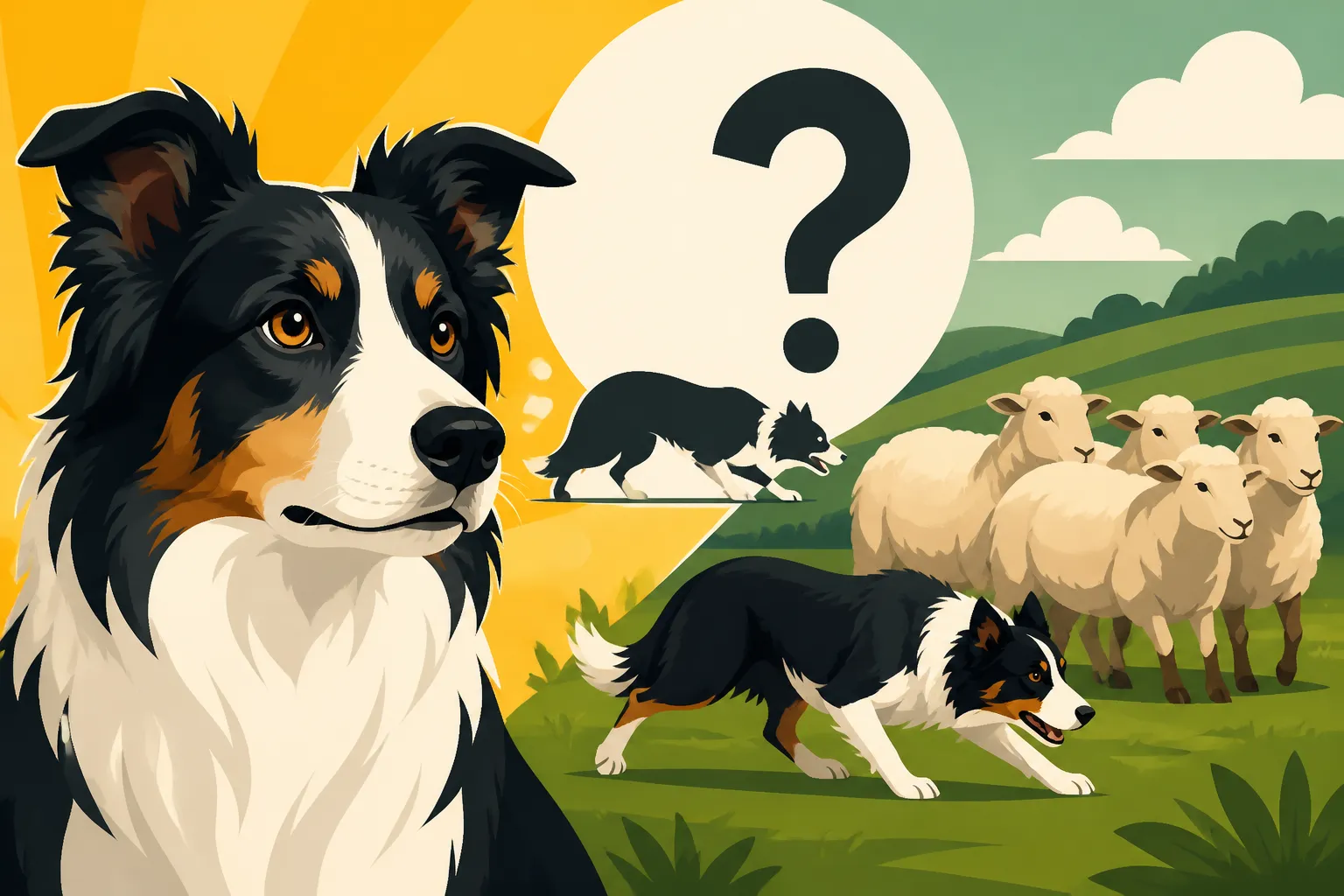
The Border Collie, on the other hand, is the quintessential "strong-eyed" herder. They use an intense, hypnotic stare and a low, crouching posture to control sheep, often working silently and with incredible precision. This style was developed for competitive sheepdog trials, where intricate maneuvers and tight control are paramount. Their drive is often incredibly high, and they require a significant amount of mental and physical work to be truly content.
While a Border Collie's intensity is breathtaking to watch, it also means they often demand an experienced handler and a dedicated working outlet. A modern show-bred Collie, even with good instincts, is unlikely to exhibit this level of intensity or precision without very specific breeding and extensive training. However, this isn't a flaw; it's just a different expression of herding genius. The Collie offers a more laid-back, yet still highly capable, approach to working stock. For owners looking to delve into a rewarding activity that celebrates their dog's heritage without overwhelming them, finding a herding instructor who understands the unique traits of a Collie is key. Many trainers use equipment from Chewy, or recommend it for specific items like leashes or long lines to help manage the dog during initial sessions.
Ultimately, while the modern Collie may not be universally bred for the sheep pasture anymore, the potential for herding lies within many of them. It’s a joy to discover and nurture these ancient instincts in your beloved companion.
Disclaimer
This article is for general informational purposes only and does not constitute professional advice. Laws, prices and regulations vary by location and change over time. Consult a qualified professional for guidance on your specific situation.