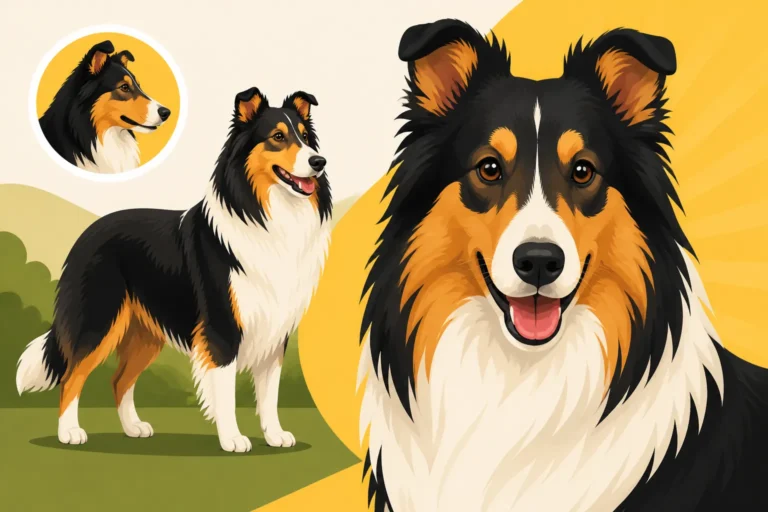
Where the Collie Ranks in AKC Registrations
It’s easy to picture the regal, intelligent Collie from childhood stories and movies, leaping to save the day or standing protectively by a child. Many people remember a time when Collies seemed to be everywhere, a beloved symbol of canine loyalty and grace. But if you’ve recently started looking for a Collie puppy, you might have noticed they aren’t quite as ubiquitous as they once were, leaving you wondering where this magnificent breed stands in today’s world of dog ownership. This guide will delve into the history of the Collie’s popularity, the factors that have influenced its standing in breed registries like the American Kennel Club (AKC), and what its current ranking really means for the breed and its enthusiasts.
Understanding Breed Registries and Popularity
Before we dive into the Collie's specific journey through the ranks, it's helpful to understand what breed registries like the AKC actually do and why their popularity rankings are often discussed. The American Kennel Club is one of the oldest and most recognized purebred dog registries in the United States. Its primary purpose is to maintain a registry of purebred dogs, promote the sport of purebred dogs, and advocate for responsible dog ownership. When we talk about AKC registration numbers, we're essentially looking at how many puppies of a particular breed are registered with the club each year. This number is often used as a proxy for a breed's popularity, though it doesn't tell the whole story.
What AKC Registration Numbers Represent
When a breeder registers a litter of puppies with the AKC, it means those puppies are recognized as purebreds of a specific breed according to the AKC's standards. These numbers reflect the demand from breeders and ultimately, from the public who purchase those puppies. A high ranking often indicates widespread public interest, while a lower ranking can suggest that a breed is either niche, less well-known, or simply not as widely chosen by families today. It’s a snapshot, albeit an important one, of public taste and breeding activity within the purebred dog community.
Why Popularity Matters for a Breed
You might think, "Who cares if my dog is popular?" And in many ways, you'd be right – your dog's individual worth isn't tied to its breed's ranking. However, for the breed as a whole, popularity can have significant implications. High popularity can sometimes lead to irresponsible breeding practices to meet demand, potentially introducing or exacerbating health issues. Conversely, a decline in popularity can mean fewer dedicated breeders, a shrinking gene pool, and less visibility for the breed. Understanding these trends helps enthusiasts and breed clubs focus their efforts on preserving the breed's health, temperament, and unique characteristics. It also offers insights into potential challenges or opportunities for those devoted to the Collie.
The Collie's Historical Reign: The "Lassie" Effect
There was a time when the Collie was arguably one of the most recognizable dog breeds on the planet, thanks in large part to a cultural phenomenon that cemented its image in the hearts and minds of generations. The mid-20th century saw the Collie reach an unprecedented level of fame, which in turn profoundly impacted its registration numbers.
The Phenomenon of "Lassie"
It’s impossible to discuss the Collie’s historical popularity without talking about Lassie. The stories, films, and television series featuring this incredibly intelligent, heroic Rough Collie captured the imagination of millions. Starting with Eric Knight's novel Lassie Come Home in 1940 and exploding with the 1943 film adaptation, the image of a loyal, courageous, and strikingly beautiful Collie became iconic. Lassie wasn't just a dog; she was a member of the family, a protector, and a symbol of unwavering devotion. Which Dog Played Lassie in 1943 is a fascinating read about the original canine star.
The success of the Lassie franchise had a monumental effect on the breed. Suddenly, everyone wanted a dog like Lassie. The demand for Collie puppies skyrocketed, and the breed became one of the most sought-after family dogs in America and beyond. People saw Collies as the epitome of the perfect family pet – gentle with children, intelligent, and fiercely loyal. This widespread appeal translated directly into high AKC registration numbers, as breeders worked to meet the surging interest.
The Golden Age of Collie Popularity
Following the initial "Lassie" boom, the Collie enjoyed several decades of significant popularity. Throughout the 1940s, 50s, and well into the 60s, the breed consistently ranked among the top ten, and sometimes even the top five, most popular breeds in AKC registrations. This was truly the golden age for the Collie, a period where it was a household name and a common sight in suburban neighborhoods across the country. Families often chose Collies for their perceived temperament and intelligence, hoping to bring a little bit of Lassie magic into their own homes.
During this era, it wasn't uncommon to see Collies featured in advertising or as mascots, further reinforcing their image as an ideal companion. The sheer volume of puppies being registered speaks to how deeply ingrained the breed became in popular culture. For many, the Collie was the quintessential dog. This period of peak popularity, however, also laid the groundwork for future shifts, as public tastes and living situations began to evolve.
Factors Influencing Breed Popularity Trends
Like any trend, dog breed popularity isn't static. It ebbs and flows, influenced by a complex interplay of societal changes, media portrayals, and practical considerations for pet owners. The Collie's journey through the AKC ranks is a prime example of how these factors can shape a breed's standing over time.
Shifting Lifestyles and Preferences
One of the most significant forces driving changes in dog breed popularity is the evolution of human lifestyles. As society has become more urbanized and housing spaces have often become smaller, the appeal of very large, long-coated breeds like the Rough Collie has sometimes waned for certain demographics. Many modern families live in apartments or smaller homes with limited yard space, making a giant, fluffy dog seem less practical.
Furthermore, changes in work schedules and commitments mean that many dog owners are looking for breeds that are perceived to be lower maintenance in terms of grooming or exercise. While Collies are often noted for needing about Forty Five Minutes a Day, and Half of It in Its Head for exercise, their famously luxurious coats require a fair amount of dedicated care. A Collie's Coat Is the Bill That Arrives Every Eight Weeks discusses the reality of this commitment, which can be a deterrent for busy families or first-time owners who might underestimate the effort involved. The perception of shedding, even if manageable with regular brushing, can also steer potential owners towards breeds with different coat types.
Emergence of New Breeds and Trends
The dog world is dynamic, with new breeds gaining recognition and existing breeds experiencing surges in popularity. Over the decades, other breeds have risen to prominence, often riding waves of positive media attention, celebrity ownership, or simply fitting current aesthetic and lifestyle trends. For example, breeds known for being "designer dogs" or those marketed as hypoallergenic have seen significant interest. The popularity of smaller breeds, or those with very different temperaments and care requirements than the Collie, has also grown.
Consider how the Border Collie, a close relative, has gained immense popularity in dog sports and as a working dog. While Collies are intelligent and capable, their public image has often been more associated with companionship and gentle demeanor rather than high-energy performance, which some modern owners seek. This shift in what people look for in a dog means the Collie is now competing in a much larger and more diverse field of breeds, each with its own appealing qualities.
Health Concerns and Breeding Practices
Responsible breeding practices and the overall health of a breed also play a crucial role in its long-term popularity. In an increasingly informed pet-owning public, prospective owners are more aware of breed-specific health issues and often seek out breeders who prioritize genetic health testing. Unfortunately, like many purebreds, Collies are predisposed to certain genetic conditions, some of which became more prevalent during periods of intense demand when breeding practices might not have been as stringent.
Conditions like Collie Eye Anomaly (CEA) and the MDR1 mutation, which affects how Collies process certain medications, are important considerations for potential owners. Reputable breeders work diligently to test for these issues, and resources like The Three Genetic Tests a Collie Breeder Owes You highlight the importance of these efforts. However, if awareness of these conditions becomes widespread without a clear understanding of responsible breeding solutions, it can sometimes negatively impact a breed's perceived health status and, consequently, its popularity. Ensuring the public understands that healthy, well-bred Collies are available is an ongoing task for breed enthusiasts.
The Collie's Current AKC Standing
So, where does the Collie stand today in the AKC's annual popularity rankings? While it might not be a top-ten fixture as it once was, the Collie still holds a respectable and steady place within the registry. Its position reflects a shift from mass appeal to a more dedicated following, but one that is no less passionate.
Current Trends in Collie Registrations
The Collie's ranking has settled into a more moderate position over recent years. It no longer consistently appears in the top tier of most popular breeds, often sitting outside the top 50, and sometimes closer to the middle of the pack of all recognized breeds. This doesn't mean the breed is disappearing or struggling; rather, it suggests a more stable and perhaps healthier demand. Without the intense pressure of being one of the absolute most popular breeds, dedicated breeders can focus more intently on health, temperament, and preserving the breed standard without being overwhelmed by commercial demand.
This shift can also be a positive thing for the breed's long-term health, as it allows for more thoughtful breeding decisions rather than simply trying to produce as many puppies as possible. Owners seeking a Collie today are often doing so out of a genuine appreciation for the breed's unique qualities, rather than just following a fleeting trend inspired by a movie star. If you're looking for specialized food or grooming tools for your Collie, places like Chewy are excellent resources for finding products tailored to their specific needs, even if they aren't the most common breed.
What a Lower Ranking Means for the Breed
A lower ranking in popularity, while initially sounding concerning, can actually have several benefits for a breed like the Collie.
- Dedicated Breeders: It often means that the breeders who remain are truly passionate about the breed, committed to its health, and focused on preserving its excellent temperament. They aren't in it for quick profits but for the love of Collies.
- Health Focus: With less pressure to produce large numbers of puppies, breeders can be more selective and put a stronger emphasis on health testing and genetic diversity. This can lead to a healthier future for the breed. Whether Collie Health Has Improved Since the 1980s sheds more light on ongoing efforts.
- Community: The Collie community often becomes a tight-knit group of enthusiasts who genuinely understand and appreciate the breed's unique characteristics. This creates a supportive network for new and experienced owners alike.
- Accessibility (for the right owner): While you might not find a Collie puppy as easily as a Labrador Retriever or a French Bulldog, dedicated breeders and reputable rescues are still accessible to those who are willing to do their research and potentially wait for the right match. Finding a rescue Collie is an option, and What a Collie Rescue Charges to Adopt provides insight into that process.
It's important to remember that "less popular" doesn't mean "less worthy." For many Collie owners, the fact that their beloved companions aren't one of the most common breeds is part of their charm.
Here's a quick look at the factors influencing Collie popularity over time:
| Factor | Lassie Era (Mid-20th Century) | Modern Era (Current) |
|---|---|---|
| Media Influence | High (Lassie movies/TV) | Lower (less prime-time visibility) |
| Lifestyle Compatibility | High (larger homes, more rural living) | Moderate (urbanization, smaller living spaces) |
| Grooming Perception | Less of a deterrent (perhaps more leisure time) | Significant deterrent (seen as high maintenance) |
| Health Awareness | Lower public awareness of genetic issues | Higher public awareness, focus on genetic testing |
| Competition from Breeds | Fewer highly popular alternatives | Many diverse breeds vying for attention |
| Breeder Focus | Meeting high demand, potential for less rigorous screening | Quality over quantity, emphasis on health and temperament |
| Typical Owner Motivation | Pop culture influence, family pet ideal | Specific appreciation for breed traits, dedicated research |
The Enduring Appeal of the Collie
Despite the shifts in its AKC ranking, the Collie remains a beloved breed for those who truly understand and appreciate its unique qualities. Its enduring appeal lies in a combination of its stunning appearance, gentle temperament, and remarkable intelligence.
Dedicated Breed Clubs and Enthusiasts
The Collie breed clubs, like the Collie Club of America, and dedicated enthusiasts are the backbone of the breed's continued presence. They work tirelessly to promote responsible breeding, educate the public about the breed's characteristics, and preserve its health and heritage. These groups organize dog shows, performance events, and educational seminars, ensuring that the Collie's legacy continues. They also champion the Smooth Collie, which is Whether a Smooth Collie Is Rarer than its rough-coated cousin but equally deserving of attention.
For those considering a Collie, connecting with these clubs and reputable breeders is paramount. They provide invaluable resources, mentorship, and access to healthy, well-socialized puppies. This dedication ensures that the Collie doesn't fade into obscurity but continues to thrive as a treasured companion for the right families.
The True Value of a Collie
The true value of a Collie can never be measured by its position on a popularity list. It's found in the quiet loyalty, the intelligent gaze, and the gentle companionship they offer. Collies are known for their deep bonds with their families, their patience with children, and their desire to be involved in household activities. They are sensitive, intuitive dogs that thrive on connection and positive reinforcement. Harsh Handling Breaks a Collie and It Does Not Come Back emphasizes their sensitive nature.
Whether you're looking for a dog for therapy work, an obedient companion for walks in the park, or simply a devoted family member, the Collie possesses an array of qualities that make it an exceptional choice. Their beauty is undeniable, but it's their heart and mind that truly capture the affection of their owners. For those who seek a thoughtful, gentle, and utterly devoted canine companion, the Collie remains a breed without equal, regardless of its statistical standing. If you're feeding a large breed like a Collie, you might also be interested in What Feeding a Seventy Pound Collie Costs, to better prepare for ownership.
Conclusion: A Breed Beyond Rankings
The Collie's journey through the AKC registration rankings is a fascinating story that mirrors broader shifts in society and pet ownership preferences. From its meteoric rise as a cultural icon thanks to Lassie, to its current more moderate but stable position, the breed has adapted and endured. While it may no longer dominate the top ten, its current status reflects a breed cherished by a dedicated community of enthusiasts who prioritize health, temperament, and responsible ownership.
Ultimately, a breed's true worth isn't in its popularity contest ranking, but in the joy and companionship it brings to individual lives. The Collie, with its noble bearing, profound intelligence, and gentle soul, continues to be a truly magnificent dog, enriching the lives of those fortunate enough to share their homes with one. Its place in our hearts remains firmly at the top, just as it always has been for those who understand and love this incredible breed.
Disclaimer
This article is for general informational purposes only and does not constitute professional advice. Laws, prices and regulations vary by location and change over time. Consult a qualified professional for guidance on your specific situation.