The Collie Against a Bearded Collie
It's incredibly common for people to lump all shaggy, long-haired dogs from the herding group into one category, especially when their names sound similar. You might be considering a Collie or a Bearded Collie, or perhaps you've encountered both and found yourself wondering, "Are these actually different breeds?" This guide will clear up the confusion, diving deep into the unique characteristics that distinguish the magnificent Collie from the effervescent Bearded Collie.
The Ancestral Roots and Original Purpose
While both the Collie and the Bearded Collie are proud members of the herding family, their historical paths and the specific jobs they were bred for created distinct physical and behavioral traits. Understanding where they came from is often the first step to truly appreciating their differences.
The Collie's Scottish Shepherd Heritage
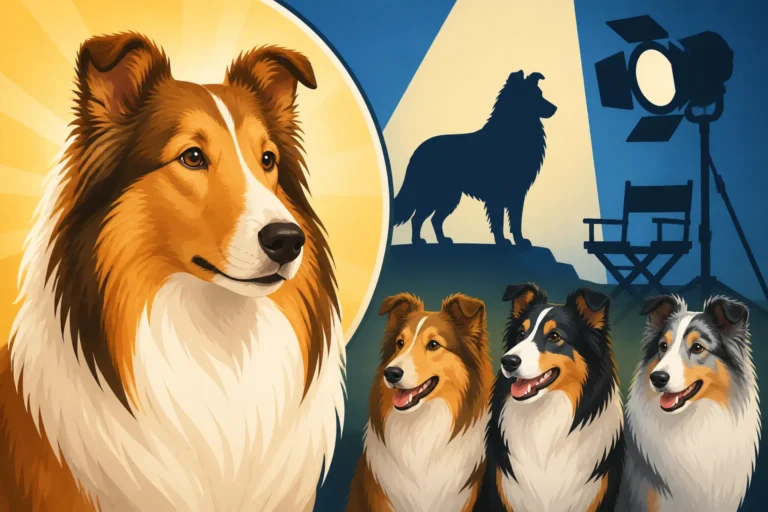
The Collie, particularly the Rough Collie we often associate with the iconic "Lassie" image, has deep roots in the Scottish Highlands. For centuries, these dogs were the indispensable partners of shepherds, tasked with moving flocks of sheep across vast, rugged terrain. Their intelligence, watchful nature, and ability to work independently, yet remain keenly attentive to their human's subtle commands, were paramount. The name "Collie" itself is thought to derive from "Colley," a black-faced sheep common in Scotland.
Unlike some herding breeds bred for intense, "eye-stalking" work, the Collie was more of a "loose-eyed" herder. They used their presence, sometimes a quiet bark, and a general gathering approach rather than an intense stare. This less confrontational style made them ideal for handling large, spread-out flocks without causing panic. Their thick coats provided essential protection against the harsh Scottish weather, offering insulation from biting winds and driving rain. These working dogs were valued for their resilience and loyalty, qualities that remain central to the breed's character today.
The Bearded Collie's Agile Droving History
The Bearded Collie, affectionately known as a "Beardie," also hails from Scotland, but their traditional role leaned more towards droving cattle and sheep to market, often over long distances. This was a different kind of work that demanded incredible stamina, agility, and a robust, "can-do" attitude. Droving dogs needed to be able to push stubborn livestock, navigate bustling market towns, and keep animals moving, sometimes for days on end. Their signature shaggy coats, including the beard that gives them their name, offered protection not only from the elements but also from being nipped by disgruntled cattle.
Beardies needed to be quick-thinking, hardy, and resilient. Their lively, effervescent nature, combined with their strong will, was crucial for handling challenging situations on the drovers' roads. They often worked independently of the drover, relying on their own judgment to manage the herd. This background explains why many modern Bearded Collies still possess a tireless energy and an inherent jovial disposition, often coupled with a mischievous streak. They weren't just shepherds' companions; they were integral to the very economy of their time, ensuring livestock made it to sale.
Distinct Physical Appearances and Features
At first glance, both breeds are undeniably beautiful, boasting long, flowing coats. However, a closer look reveals several key physical differences that go beyond just the amount of fluff. From their overall build to their facial structure and coat texture, these distinctions are quite telling.
Size, Build, and Overall Stature
The Rough Collie, as you might picture from films and classic literature, tends to be a more refined and elegantly built dog. They possess a noble carriage, with males typically standing between 24-26 inches at the shoulder and weighing 60-75 pounds. Females are slightly smaller, usually 22-24 inches and 50-65 pounds. Their body is longer than it is tall, giving them a graceful, balanced appearance. The Rough Collie's silhouette is one of flowing lines, with a deep chest and a well-sprung rib cage.
In contrast, the Bearded Collie is generally a bit more compact and square-proportioned. They stand between 20-22 inches at the shoulder for males and 20-21 inches for females, with weights ranging from 45-55 pounds. While still substantial, they often appear slightly lighter and more athletic, reflecting their need for speed and agility on the drovers' trails. Their gait is notably free and springy, a testament to their enduring stamina. The Bearded Collie's frame is robust, built for endurance and strength, without being heavy or cumbersome.
Coat Type and Facial Hair Differences
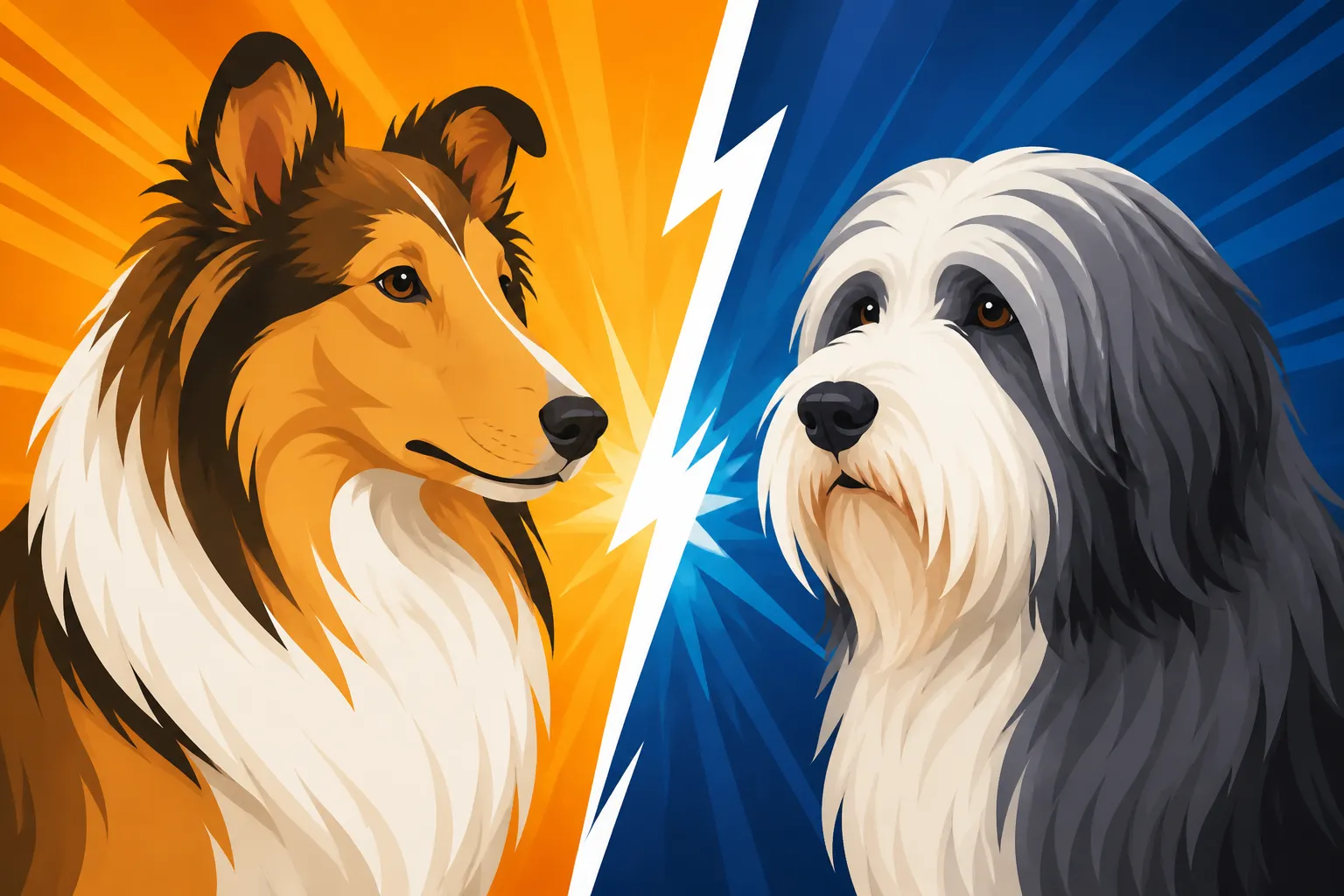
Here’s where the most obvious visual differences lie. The Rough Collie is famous for its profuse, flowing double coat. The outer coat is long, harsh, and straight, never curly or wavy, providing excellent weather resistance. Beneath this lies a soft, furry undercoat, especially dense around the neck, forming a magnificent mane or "frill." Their face is relatively smooth-coated, with minimal feathering, allowing their keen, almond-shaped eyes and intelligent expression to shine through. The elegant, chiseled head, with its smooth transition from skull to muzzle, is a hallmark of the breed. Their ears are typically semi-prick, with the top third tipping forward, adding to their alert appearance.
The Bearded Collie, on the other hand, lives up to its name with a distinctive shaggy coat that covers its entire body, including its face, forming a prominent beard, mustache, and eyebrows. Their coat is double-layered but differs in texture from the Collie's; it’s typically harsh, shaggy, and lies flat, never woolly or curly, though it may have a slight wave. The Beardie's coat is designed to protect them while moving through brush and inclement weather, essentially forming a natural shield. Their eyes are often partially obscured by the hair, giving them a charming, somewhat whimsical expression. Bearded Collies generally have drop ears, lying flat against their head, which are also covered in shaggy hair. For a more detailed look at specific coat features, you might check out Mane, Frill and Petticoat: the Parts of a Collie That Mat.
Here’s a quick overview of some key physical differences:
| Feature | Rough Collie | Bearded Collie |
|---|---|---|
| Size (approx.) | Males: 24-26", 60-75 lbs; Females: 22-24", 50-65 lbs | Males: 20-22", 45-55 lbs; Females: 20-21", 45-55 lbs |
| Build | Elegant, noble, longer than tall | Compact, square-proportioned, athletic |
| Outer Coat | Long, harsh, straight, flowing | Shaggy, harsh, lies flat, often wavy |
| Undercoat | Soft, furry, dense, especially a prominent frill | Soft, dense, protects against elements |
| Facial Hair | Smooth face, intelligent expression | Prominent beard, mustache, eyebrows |
| Ears | Semi-prick, tipped forward | Drop ears, covered in shaggy hair |
| Head Shape | Chiseled, smooth planes | Broader, more shaggy, eyes often obscured |
Temperament and Personality: Heart and Soul
Beyond their looks, the true distinction between these two breeds often comes down to their inner spirit. Both are intelligent and loyal, but their energy levels, how they interact with their families, and their general approach to life can be quite different.
The Collie's Gentle and Reserved Nature
The Collie is renowned for its gentle, loyal, and often somewhat reserved temperament. They are deeply devoted to their families and tend to form strong bonds with their human companions. Often described as sensitive and intuitive, Collies are excellent at reading human emotions and are incredibly responsive to their owners' moods. This makes them wonderful companions, but also means they don't respond well to harsh training methods or yelling; positive reinforcement is key. Harsh Handling Breaks a Collie and It Does Not Come Back isn't just a catchy phrase, it's a fundamental truth about this breed.
While affectionate with their families, Collies can sometimes be a little aloof or watchful around strangers. They are not typically aggressive but may take their time assessing new people or situations. This observant nature comes from their herding background, where they needed to be aware of their surroundings. They are generally good with children, often displaying a patient and protective instinct, though proper socialization from puppyhood is always important. Collies are known for their strong "inside" desire to be near their family, often following you from room to room.
The Bearded Collie's Exuberant and Playful Spirit
If the Collie is the quiet, observant academic, the Bearded Collie is the life of the party! Beardies are famous for their exuberant, playful, and often comical personalities. They possess an infectious joie de vivre and tend to be outgoing and boisterous, greeting everyone with a wagging tail and an enthusiastic bounce. Their energy levels are considerably higher than a Collie's, and they retain a puppy-like enthusiasm well into adulthood.
Bearded Collies are generally very sociable and friendly, typically welcoming strangers with open paws and a happy bark. They thrive on interaction and being an active part of family life. This playful nature can sometimes manifest as mischievousness, and they are known for their clever antics and ability to get into "good trouble." While intelligent, their independent droving spirit can make them a bit more challenging to train for some owners; they respond best to consistent, fun, and engaging methods. A bored Bearded Collie is often a destructive one, so mental and physical stimulation are vital. Their need for activity makes them less suited to a purely sedentary lifestyle.
Grooming Realities: Managing Those Gorgeous Coats
Both breeds come with a commitment to grooming, but the type of coat and its specific requirements mean very different routines. If you're not prepared for regular brushing, tangles, and shedding, neither of these magnificent dogs might be the right fit.
Grooming the Rough Collie's Double Coat
The Rough Collie's glorious, flowing double coat, while beautiful, requires dedicated upkeep. They need regular brushing, typically at least 2-3 times a week, to prevent mats and tangles, especially in areas like behind the ears, under the "frill" (the mane around their neck), and on their "petticoats" (the long hair on their rear legs). During shedding seasons, which happen twice a year, the grooming demands intensify significantly. This is when they "blow their coat," releasing vast amounts of undercoat, and daily brushing becomes essential. Neglecting this leads to painful mats that can require professional de-matting or even shaving, which permanently alters the coat's texture and protective qualities.
A good line-brushing technique is crucial to reach down to the skin and remove loose undercoat. You'll need a variety of tools: a good pin brush, a slicker brush for mats, and a wide-toothed metal comb to check your work. While their outer coat is somewhat dirt and water repellent, a full bath and thorough drying (often with a high-velocity dryer) is a substantial undertaking. Many Collie owners opt for professional grooming every 6-8 weeks, especially during shedding season, to help manage the process. Remember, A Collie's Coat Is the Bill That Arrives Every Eight Weeks is a realistic expectation for many.
Grooming the Bearded Collie's Shaggy Locks
The Bearded Collie's shaggy, profuse coat also requires significant attention, perhaps even more so in some ways due to its texture and tendency to pick up debris. Beardies need brushing every other day, if not daily, to prevent mats from forming. Their coat, especially the long facial hair, chest, and leg furnishings, can quickly collect dirt, burrs, and food particles. The texture of their coat, while harsh, can felt easily if not regularly brushed out, particularly during seasonal shedding.
Similar to the Collie, a variety of brushes and combs are necessary, including a slicker, pin brush, and a good comb. The beard itself needs regular cleaning and combing to keep it free of food and debris. Many Bearded Collie owners use snoods (fabric tubes that cover the ears and beard) during meal times to keep their dog clean. While professional grooming can certainly help, a Beardie's coat is generally managed best with consistent home care. Their coat can be intimidating, and many owners seek professional guidance on how to properly maintain it, or schedule regular grooming appointments for baths, blow-outs, and tidy-ups. You might find grooming rakes and detangling sprays for these coats on sites like Chewy.
Exercise and Training Needs: Mind and Body
Both Collies and Bearded Collies are intelligent and enjoy learning, but their energy levels and mental stimulation requirements differ greatly due to their ancestral jobs. Understanding these needs is critical for a happy and well-adjusted dog.
The Collie's Balanced Activity Requirements
While intelligent and capable of significant activity, the modern Collie doesn't typically require the intense, non-stop exercise of some other herding breeds. They generally need a good 45-60 minutes of moderate exercise daily, which can be broken into two sessions. This could include walks, playtime in a securely fenced yard, or mental stimulation games. While they enjoy a good run, they are also quite content to settle down indoors with their family once their needs are met. Forty Five Minutes a Day, and Half of It in Its Head is a good guideline to consider.
Training a Collie is generally a rewarding experience because they are eager to please and highly intelligent. They excel in obedience, rally, and even some agility, though their longer bodies and moderate energy might make them less competitive in fast-paced sports compared to a Border Collie. Due to their sensitive nature, positive reinforcement, patience, and consistency are essential. Harsh corrections can cause a Collie to shut down and lose trust, which can be very difficult to regain. Socialization from a young age is important to help them develop confidence and feel comfortable in various situations.
The Bearded Collie's High-Octane Energy and Drive
The Bearded Collie, by contrast, is a high-energy dog that requires substantial daily exercise and mental engagement to prevent boredom and destructive behaviors. They need at least an hour, if not more, of vigorous activity every single day. This isn't just a leisurely stroll; think fast-paced walks, running, hiking, or dedicated playtime involving fetch and chasing. Their historical role as drovers means they are built for endurance and have a seemingly endless supply of energy. A Bearded Collie who doesn't get enough exercise will often invent its own entertainment, which might include digging, chewing, or incessant barking.
Training a Beardie can be a joyful challenge. They are incredibly smart but also possess an independent streak and a mischievous sense of humor. They thrive on variety and positivity, and can get bored with repetitive drills. They excel in dog sports like agility, obedience, rally, and even herding trials, where their natural athleticism and problem-solving skills shine. Consistent training, starting from puppyhood, is crucial. Because of their social nature, early and ongoing socialization is vital to channel their exuberance into polite interactions rather than boisterous overwhelm. Finding durable, interactive toys on Chewy can be a great way to help satisfy their mental needs.
Living with a Collie vs. a Bearded Collie
When you bring a dog into your home, you're not just getting a pet; you're inviting a new family member whose personality and needs will shape your daily life. The Collie and the Bearded Collie, while both wonderful companions, offer very different experiences of home life.
Suitability for Families and Lifestyles
The Collie, with its gentle and patient demeanor, is often considered an excellent family dog. They are typically wonderful with children, often acting as gentle guardians and playmates. Their protective instincts are usually expressed through watchful vigilance rather than aggression. They thrive in homes where they are an integral part of family activities but are also content with quiet time, perhaps curled up at your feet while you read. They can adapt well to various living situations, from suburban homes with yards to larger apartments, provided their exercise needs are met and they receive plenty of human interaction. For families seeking a devoted, somewhat calm, and affectionate companion, the Collie fits the bill beautifully. They form deep bonds and enjoy simply being present with their people.
However, their sensitivity means they do best in a calm, stable environment. Loud arguments or chaotic households can stress them. While they make excellent watchdogs due to their alert nature and tendency to bark at new sounds, they aren't typically excessive barkers if their needs are met. If you're looking for a dog that will enthusiastically greet every visitor and join every boisterous activity, the Collie might be a bit more reserved than you expect. They prefer companionship over constant commotion. To learn more about common Collie behaviors, check out The Bark Is the Trait Collie Owners Underestimate.
Challenges and Considerations for Owners
Living with a Bearded Collie is an adventure! Their high energy and boundless enthusiasm mean they are best suited for active families or individuals who are prepared to engage with them constantly. They thrive on being involved in everything and can become destructive or excessively vocal if bored or left alone for too long. They require a securely fenced yard where they can run and play freely, and they'll happily join you on hikes, runs, or trips to the dog park. Their boisterous nature means they might be a bit much for very young children or frail elderly individuals, as they can sometimes forget their size in their excitement.
Their intelligence combined with their independent streak can be a delightful challenge for experienced owners, but potentially frustrating for first-timers. They need consistent, positive training and a clear understanding of boundaries. House-training might require a bit more patience, and their grooming needs are substantial, as discussed earlier. A Bearded Collie will keep you on your toes, make you laugh, and often push your limits with their cleverness and strong will. If you're looking for a dog that will be your constant, playful shadow and adventure buddy, and you have the time and energy to dedicate, the Bearded Collie could be your perfect match. When considering a food that supports their high energy, looking at active breed formulas available through Chewy is a good start.
Choosing the Right Herding Companion for You
Deciding between a Collie and a Bearded Collie ultimately comes down to a thorough assessment of your lifestyle, energy levels, and what you seek in a canine companion. Both breeds are wonderful, intelligent, and loving, but they offer very different experiences as family pets.
Reflecting on Your Lifestyle and Preferences
If you're drawn to a dog with an elegant, gentle disposition, who is deeply devoted to their family, and offers a slightly more moderate energy level, the Rough Collie might be your ideal match. They are often described as "Nanny dogs" due to their patient nature with children, and they thrive on companionship, quietly observing the goings-on of the household. While they need consistent grooming and daily exercise, they are generally content with a balanced routine that includes both activity and quiet time indoors. A Collie is a graceful presence that brings a calm, loving energy to a home. They are intuitive and sensitive, forming strong emotional bonds. If you love the idea of a dog that is always aware of your mood and offers comfort without being overly demanding, this might be the breed for you.
On the other hand, if you're an active, outdoorsy person or family looking for an energetic, joyful, and often comical companion who loves to be the center of attention, a Bearded Collie could be your perfect partner in crime. They need a lot of exercise, mental stimulation, and engagement, and they will happily accompany you on any adventure. Their playful, sometimes boisterous nature means they bring a high-spirited dynamic to the home. While they are incredibly affectionate and loyal, their expression of love is often more effusive and energetic. If you enjoy a dog with a strong personality, a mischievous streak, and an endless capacity for fun, and you're prepared for the commitment to exercise and grooming, the Beardie will fill your life with laughter and activity.
A Final Comparison Table
To help you visualize the differences, here's a summary of key aspects to consider:
| Characteristic | Rough Collie | Bearded Collie |
|---|---|---|
| Temperament | Gentle, loyal, sensitive, somewhat reserved | Exuberant, playful, outgoing, mischievous |
| Energy Level | Moderate; good for active families, also enjoys quiet | High; needs vigorous daily exercise and mental stimulation |
| Grooming Needs | Regular brushing (2-3x/week, daily in shed) to prevent mats; profuse coat | Very frequent brushing (daily/every other day) to prevent mats; shaggy coat |
| Training | Eager to please, sensitive; best with positive reinforcement | Intelligent, independent; thrives on fun, varied, consistent training |
| Family Suitability | Excellent with children, devoted, adapts well to various homes | Best with active families, can be boisterous with young kids |
| Watchdog Tendencies | Alert, barks at newcomers/noises, but not typically excessive | Alert, often vocal greeters; can be prone to excessive barking if bored |
| Interaction with Strangers | Can be aloof/reserved initially, warms up gradually | Friendly, outgoing, typically enthusiastic greeters |
| Shedding | Moderate year-round, heavy twice a year during coat blows | Moderate year-round, significant during seasonal shedding |
No matter which breed you choose, remember that every dog is an individual. Researching reputable breeders who prioritize health and temperament, and meeting the parents of any potential puppy, will give you the best insight into the adult dog your puppy will become. Whether you choose the noble Collie or the joyful Bearded Collie, you're in for a rewarding journey with a truly special herding dog.
Disclaimer
This article is for general informational purposes only and does not constitute professional advice. Laws, prices and regulations vary by location and change over time. Consult a qualified professional for guidance on your specific situation.