Where the Word Collie Comes From
Have you ever found yourself wondering about the origins of the names we use every day, especially for something as beloved as our dogs? It's easy to call our fluffy companions "Collies" without a second thought, but the word itself carries centuries of history, culture, and a deep connection to the very purpose these dogs once served. This guide dives deep into the fascinating journey of how our beautiful breed came to be known as the Collie, exploring the theories and historical whispers that shaped its identity.
The Scottish Roots of the Collie Name
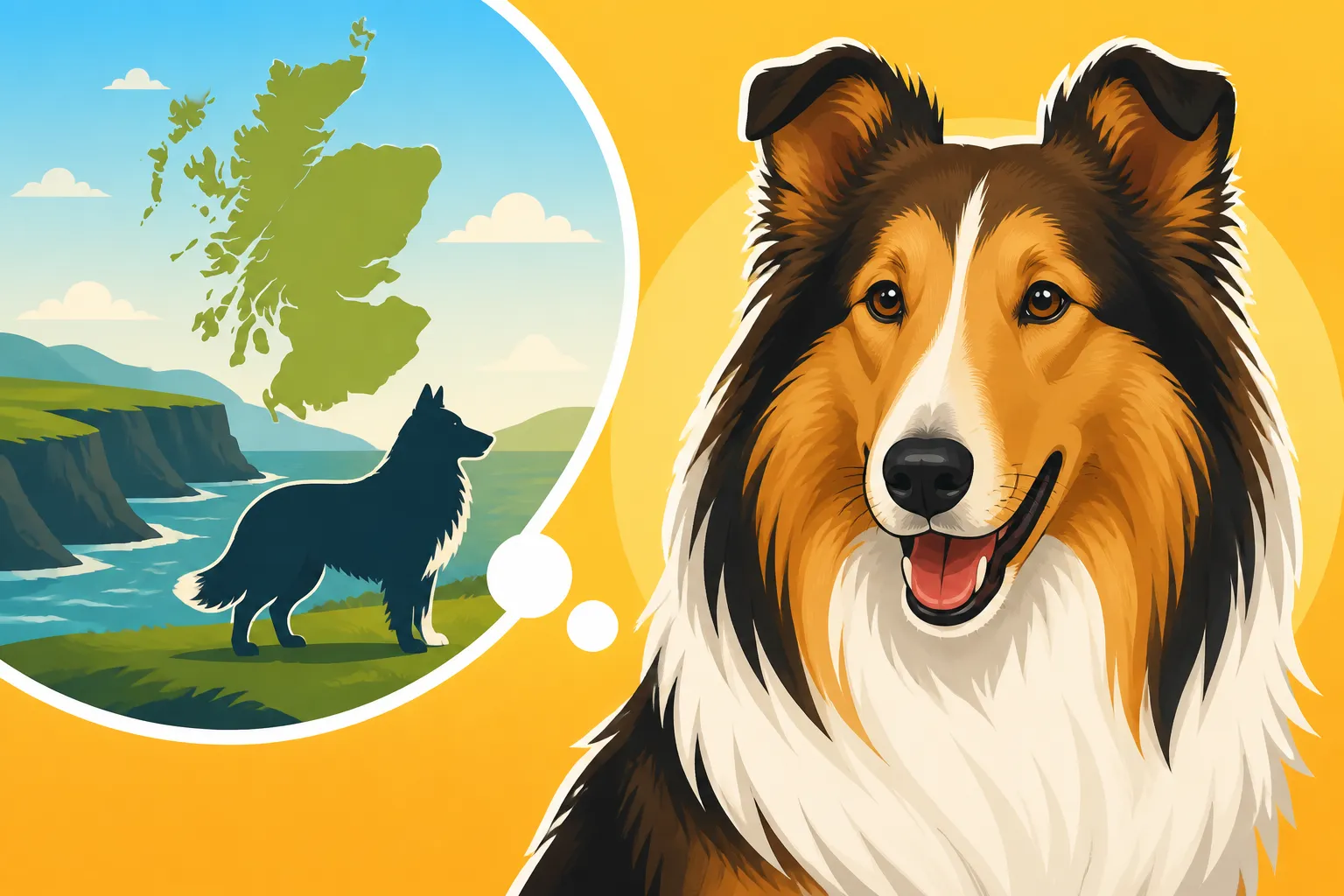
When you think of Collies, it's hard not to picture vast, green Scottish Highlands, isn't it? That's no accident. The breed's origins are firmly planted in the rugged landscapes of Scotland and northern England, where they were indispensable working dogs long before they graced royal palaces or movie screens. Understanding the regional context is crucial to uncovering the meaning behind their name. It wasn't just a randomly assigned label; it was a descriptor rooted in the local environment and the unique appearance of the sheep they so diligently guarded and herded.
The Landscape and Its Livestock
Imagine the Scottish countryside centuries ago – sparse villages, challenging terrain, and a strong reliance on livestock, particularly sheep, for survival. These aren't the domesticated, fluffy white sheep we often see in picture books today. Historically, the sheep breeds prevalent in Scotland were hardy, resilient, and often possessed darker faces and legs. These animals, essential to the economy and daily life, were the very reason for the Collie's existence. Their dark coloration and the dog's intimate working relationship with them form the cornerstone of the most popular theory regarding the name. The dog was intrinsically linked to its charge, and that connection extended even to its appellation.
Early Documented Usage
While the Collie's history stretches back much further, the written record of its name provides our first solid clues. Early mentions of dogs resembling what we now call Collies often used variations of the word "colley" or "coally." These weren't formal breed names as we understand them today, but rather descriptive terms used by shepherds and local folk. It speaks volumes that even in those nascent days of formal canine documentation, the term was recognized as a regional identifier. These early usages, often found in local agricultural texts or personal letters, paint a picture of a dog already distinct in its role and appearance.
Regional Dialects and Nomenclature
Language, especially in historical contexts, is deeply intertwined with local dialects and cultural nuances. The evolution of a word like "Collie" isn't a straightforward path from A to B; it's a winding road influenced by regional pronunciations and meanings. Different parts of Scotland and northern England would have had their own specific terms for these working dogs. Some might have referred to them simply as "sheepdogs," while others adopted more specific descriptors. The variations in spelling and pronunciation, such as "Colley," "Coalie," or even "Coly," reflect this rich tapestry of regional speech. Over time, as communication improved and breed standards began to emerge, one particular spelling and pronunciation started to gain prominence, eventually leading to the universally recognized "Collie" we use today.
The "Colley" Sheep Theory
This is the most widely accepted and, honestly, the most charming theory for the origin of the Collie's name. It ties the dog directly to the very animals it was bred to work with, showcasing a beautiful simplicity in naming conventions of old. It wasn't about fancy Latin names or human vanity; it was about function and observation.
Black-Faced Sheep of Scotland
In the rugged hills of Scotland, a common sight for centuries was a breed of sheep known as "colley sheep." These weren't just any sheep; they were characterized by their distinctive black or dark-colored faces and legs. Think of the hardy Scottish Blackface sheep, a breed still thriving today, or others like the Swaledale from northern England. Their dark features stood out against their often lighter woolly bodies. It’s important to visualize this, as it provides the direct visual link to the theory. These were the sheep that the early ancestors of our modern Collies spent their lives among, guiding them across treacherous terrain and protecting them from predators.
The Visual Link Between Dog and Sheep
Now, consider the dogs that worked these "colley sheep." Many of these early herding dogs, particularly the ones that would eventually evolve into the Collie, also often had black or dark markings, or even predominantly black coats. It's not a stretch to imagine a shepherd looking at his dark-faced sheep and then at his dark-coated dog, drawing a natural comparison. The term "colley" or "coally" was already associated with the black color of the sheep's face, so extending that descriptor to the dog that worked them felt intuitive. It was a simple, descriptive shorthand. The dogs were the "colley dogs" because they worked the "colley sheep" and often shared a similar dark coloring or striking contrasts in their own coats.
The Shepherd's Description
For generations, names for animals often came from practical observation rather than formal decrees. Shepherds, who lived and breathed their lives alongside these dogs, would have been the first to use such terms. Picture a shepherd, perhaps leaning on his crook, pointing to his dog and saying, "That's my colley dog," much in the way we might say "That's my barn cat." The name was functional, tied to the dog's appearance in relation to its work. It was a vernacular term that simply made sense in that specific time and place. This isn't just about color, but about identity and purpose being intrinsically linked. As these dogs became known outside their immediate working regions, the descriptive "colley" term traveled with them, gradually becoming the identifier for the breed itself.
Alternative Theories and Their Merits
While the "colley sheep" theory is the most compelling, it's always fun to explore other possibilities. Language is a tricky thing, and words can evolve from many different sources, sometimes converging or blending over time. These alternative theories, though perhaps less widely accepted, offer interesting glimpses into other potential influences on the Collie's name.
The "Coal" or "Collier" Connection
Another theory suggests the name might stem from the word "coal" or "collier." This isn't just about the color black, but also about the mining communities of northern England and Scotland where coal was a primary industry. It's plausible that working dogs in these regions, often dark-colored themselves, were associated with the coal industry or the people who worked in it. Perhaps they were owned by "colliers" (coal miners) or used to guard pit ponies. This theory still leans on the visual aspect of a dark coat, but it extends the association to the industrial environment and human occupations, not just the sheep themselves. While some early Collies were indeed dark, it’s not the dominant or exclusive trait for all types of Collies, which makes this theory slightly less encompassing than the sheep theory. Whether Collie Comes From a Scots Word for Black touches on this idea.
Anglo-Saxon and Old Norse Influences
Digging even deeper into linguistic history, some have suggested roots in older languages. The Anglo-Saxon word "col," meaning black, or similar terms in Old Norse, could also be distant ancestors of the name. European languages often share common Germanic roots, and the concept of "black" could certainly have been applied to dark-coated dogs. This is a fascinating avenue to consider, as it would imply the name has an even more ancient lineage, perhaps predating the specific "colley sheep" association and simply referring to the dog's coloration in a broader sense. However, without direct etymological links, it remains a speculative, albeit interesting, possibility.
Other Breed Name Parallels
It's useful to look at how other dog breeds got their names to understand the patterns. Many breeds are named for their place of origin (e.g., German Shepherd, Labrador Retriever), their function (e.g., Retriever, Pointer), or sometimes a distinctive physical trait. The word "Collie" stands out a bit because it's not a direct geographical location or an obvious job title. However, if it does come from "colley sheep," it falls into a category of being named for an association—the sheep it worked. This practice of naming through association or a prominent characteristic is not unique in the canine world, lending some credence to the idea that "Collie" followed a similar, albeit unique, path.
| Theory | Primary Basis | Supporting Evidence | Criticisms/Nuances |
|---|---|---|---|
| "Colley" Sheep Theory | Black-faced sheep of Scotland | Historical sheep breeds, working dog context, common usage | Requires assumption of visual link and specific sheep type. |
| "Coal/Collier" Connection | Dark color, mining communities | Presence of dark Collies, mining history in region | Not all Collies are black; less direct connection to work. |
| Anglo-Saxon/Old Norse | Ancient words for "black" | Linguistic roots across European languages | Lacks direct historical documentation connecting it to this breed. |
How Language Evolves and Shapes Breed Names
The journey of a word like "Collie" isn't just about a single origin point; it's about how that word morphs and solidifies over time within a culture. The way we speak, write, and popularize certain terms directly influences how breed names become recognized globally. It’s a dynamic process, and our beloved Collie's name is a perfect example of this linguistic evolution in action.
Oral Tradition to Written Record
For centuries, before formal registries and widespread literacy, dog names were primarily passed down through oral tradition. Shepherds would speak the names, locals would understand them, and perhaps they'd appear in a fleeting way in very localized records. The spelling wasn't standardized, and pronunciation varied wildly from glen to glen. Think of how family names change over generations as they are written down by different clerks with different accents! It wasn't until people started to write about these dogs, classify them, and eventually show them, that there was a push for a consistent written form. This transition from informal spoken word to formalized written record was a critical step in "Collie" becoming an official breed name.
Standardization and Formalization
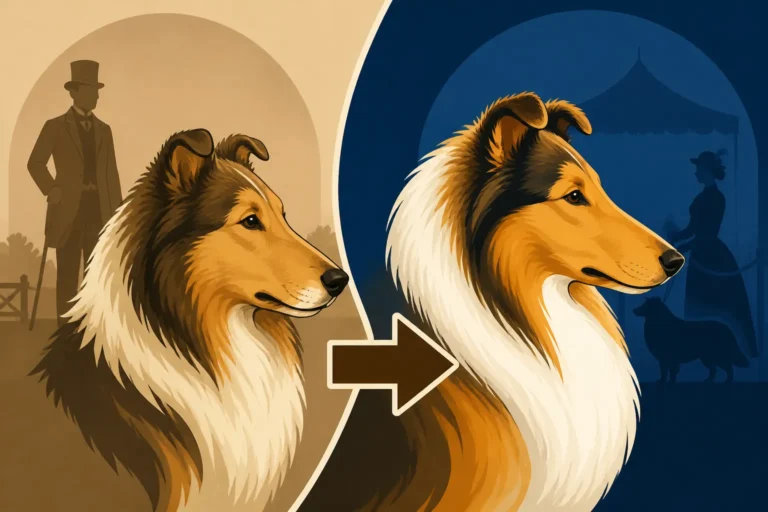
The late 19th century saw the rise of dog shows and breed clubs. This period was pivotal for many breeds, including the Collie. Suddenly, there was a need for consistency – consistent appearance, consistent temperament, and a consistent name. Early breed clubs, such as the Collie Club in Great Britain (founded in the 1880s), played a huge role in formalizing the spelling and standardizing the breed. This meant deciding whether it was "Colley," "Colly," or "Collie." Eventually, "Collie" became the accepted spelling, a testament to the efforts of these early fanciers who worked to define and promote the breed. This formalization not only made it easier to communicate about the breed but also cemented its identity for future generations. When the Collie Club of America Was Founded highlights similar efforts across the Atlantic.
Impact of Popular Culture
Once a breed name becomes standardized, its journey into popular culture can truly cement it. For the Collie, there's no denying the enormous impact of Albert Payson Terhune's books and, of course, the iconic "Lassie" films and television series. When a dog named Lassie, who was undoubtedly a Collie, captured the hearts of millions, the name "Collie" became a household word. Suddenly, everyone knew what a Collie was, and the name was inextricably linked to intelligence, loyalty, and beauty. A Dog Named Pal Played Lassie and Changed the Breed Forever describes this phenomenon perfectly. This exposure helped solidify the name globally, making it far more recognizable than any regional dialect could have achieved on its own. It's a prime example of how media can take a historical term and catapult it into universal recognition.
The Collie's Role in Shaping Its Name
It’s easy to think of a name as something bestowed upon a creature, but sometimes, the creature itself, through its inherent traits and purpose, dictates what it will be called. For the Collie, its history as a working dog is so fundamental that its very name seems to echo its ancient purpose. It wasn't just a dog that had a name; it was a dog whose essence helped craft it.
Function Dictates Form (and Name)
The original Collies were not bred for beauty contests; they were bred for work. Their intelligence, agility, and keen herding instinct were paramount. They spent their lives in close proximity to sheep, often on remote farms and hillsides. When a name arises from such an environment, it often reflects the dog's practical role. The "colley sheep" theory perfectly illustrates this: the dog was defined by its primary interaction, taking on the name associated with its daily companions. This deep functional connection meant that the name wasn't arbitrary; it was organic, arising from the needs and observations of the people who relied on these dogs. The Collie Was a Scottish Droving Dog Before It Was a Show Dog further emphasizes this working heritage.
The Herding Dog's Distinctive Traits
Collies possess a unique combination of traits that make them exceptional herding dogs. Their keen eyesight, their ability to "read" sheep, their powerful yet gentle presence – these were all refined over centuries. While the name "Collie" itself doesn't directly translate to "herding dog," the visual characteristics that may have inspired the "colley sheep" theory (like dark coloration) were often present in these early working dogs. It's about a holistic picture: the dog, the sheep, the landscape, and the observations of the people. Even today, their intelligent, watchful gaze and alert demeanor remind us of their heritage. You can almost see the shepherd's watchful eye in their expression. Whether a Collie Still Has Working Instinct demonstrates this enduring trait.
Local Descriptors Becoming Universal
Think about how slang or local terms sometimes become part of the wider vocabulary. That's a bit like what happened with "Collie." What started as a regional or functional descriptor in the Scottish Borders and Highlands eventually transcended those boundaries. As people from different areas began to acquire these efficient sheepdogs, or as the dogs themselves traveled with drovers, the local name traveled too. Over time, that descriptive term, born from the practicalities of sheep herding and the visual cues of the livestock, became the standard identifier for the entire breed. It's a beautiful example of how grass-roots terminology can evolve into formal nomenclature, especially when a dog is so deeply integrated into the daily lives of its human companions.
The Journey from "Colley" to "Collie"
It's a common misconception that words simply appear fully formed. In reality, they're fluid, especially before standardized spelling and widespread literacy. The journey from the older, more varied spellings to the neat, universally recognized "Collie" is a testament to how language adapts, especially when a particular animal gains wider recognition and appreciation.
Shifting Spellings Over Centuries
Before the age of dictionaries and formal education, personal preference and regional accents heavily influenced spelling. You might see "Colley," "Coalie," "Coly," or even "Colli" in historical texts. It wasn't a matter of being right or wrong, but rather a reflection of the informal nature of written language. One person might spell it one way, and another, just miles down the road, would spell it differently. This fluidity means that tracing the exact moment the "ie" ending became dominant is challenging. However, it's clear that as the breed grew in popularity and began appearing in formal settings like dog shows, the need for a consistent written form became paramount. The "ie" ending eventually won out, giving us the spelling we know and love. Whether Collie Was Ever Spelled Colley further explores this historical variation.
Pronunciation Nuances and Regional Accents
Just as spelling varied, so too did pronunciation. Imagine the thick Scottish accents of the shepherds who first used the term! The way "colley" would have been pronounced in a Lowland Scottish dialect might have differed from a Highland one, or an English Northern County dialect. These subtle variations in sound would naturally lead to different phonetic spellings when someone tried to write the word down. Over time, as the breed spread and became known in more diverse linguistic environments, a more generalized pronunciation would have emerged, influencing the chosen standardized spelling. The modern pronunciation of "Collie" is likely a refined version of these older, more diverse regional sounds.
The Role of Early Breed Clubs and Registries
The establishment of breed clubs and formal dog registries in the late 19th and early 20th centuries was the ultimate catalyst for standardizing the name. These organizations had a vested interest in defining and preserving the integrity of the breeds they championed. To do this, they needed clear, consistent naming conventions. The early Collie Club, whether in Britain or America, would have debated and ultimately decided on "Collie" as the official, recognized spelling. This wasn't just an arbitrary choice; it was a decision that reflected historical usage while also aiming for clarity and ease of recognition for a broader audience. These clubs were the guardians of breed identity, and standardizing the name was a critical part of that guardianship.
Why the Name Matters: Connection to Identity
A name is more than just a label; it’s a connection to history, a nod to heritage, and often, a source of deep pride. Understanding where the word "Collie" comes from isn't just an academic exercise; it's a way to deepen our appreciation for these incredible dogs and their long, storied past.
Preserving Historical Lineage
When we use the name "Collie," we are, whether consciously or not, acknowledging a historical lineage that stretches back centuries. We are connecting to the Scottish shepherds, the black-faced "colley sheep," and the rugged landscape where these dogs were forged. It's a name that has withstood the test of time, adapting and solidifying as the breed itself evolved from a purely working animal to a beloved companion and show dog. Preserving this name, and understanding its roots, is a way of honoring that history and ensuring that the story of the Collie continues to be told accurately and respectfully.
Understanding the Breed's Heritage
Knowing the origin of the name "Collie" provides a richer understanding of the breed's heritage. It reinforces the fact that these dogs were once indispensable working partners, intricately linked to the agricultural life of Scotland. It speaks to their intelligence, their devotion, and their natural aptitude for herding. When you look at your Collie today, you can see not just a beautiful pet, but a descendant of those noble "colley dogs" who toiled tirelessly on the hillsides. This connection to their past helps us appreciate their inherent traits and even their behaviors, like their tendency to "herd" children or follow you from room to room, which is something many Collie owners recognize. Why a Collie Herds Your Children highlights this instinct.
The Name as a Source of Pride
For Collie enthusiasts and owners, the name "Collie" is a badge of honor. It represents a breed known for its striking beauty, unwavering loyalty, and remarkable intelligence. Knowing the history behind the name adds another layer to that pride. It allows us to share stories about their origins, to explain the theories, and to foster a deeper appreciation for this magnificent breed among others. It’s not just a cute name; it’s a name steeped in tradition, purpose, and the enduring spirit of a working dog turned family companion. When I look at my own Collies, I often think about the lineage behind their name – it’s a powerful connection that makes me appreciate them even more, whether I’m just cuddling on the couch or browsing for some new grooming supplies on Chewy to keep their gorgeous coats pristine. Even a simple everyday item, like a bag of dog food from Chewy, connects back to the long history of feeding these magnificent animals.
The Collie's Place in the Canine World and Beyond
The journey of the name "Collie" isn't just about etymology; it's also a story of how a specific breed carved out its niche, both functionally and culturally. From the working fields to the pages of literature and the silver screen, the Collie and its name have left an indelible mark.
From Farm to Fame: A Name Recognized Globally
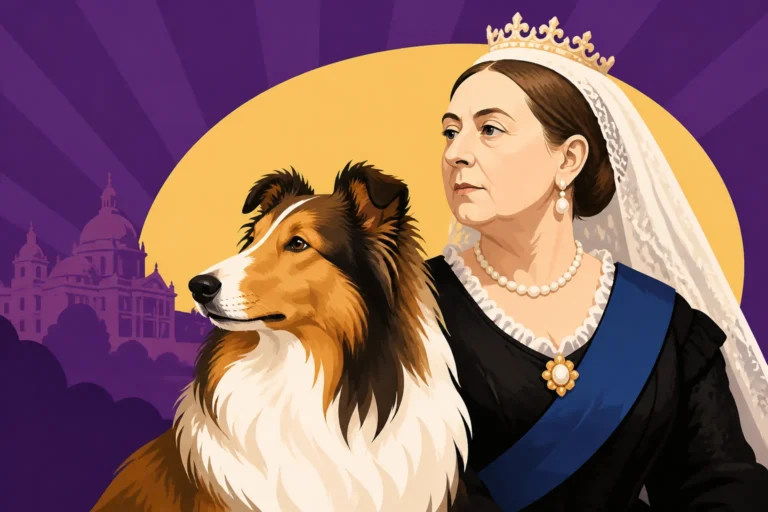
The transformation of the Collie from a regional working dog to a globally recognized breed is truly remarkable. The consistent name, firmly established through breed clubs and popular media, played a crucial role in this ascent. It allowed the breed to be discussed, admired, and sought after across continents. This widespread recognition meant that whether you were in Scotland, America, or anywhere else, the name "Collie" conjured a similar image of a beautiful, intelligent herding dog. Its journey mirrors the breed's own path to widespread acclaim, particularly after figures like Queen Victoria took an interest, launching the breed into public consciousness beyond the working farms. Queen Victoria Made the Collie Fashionable in the 1860s outlines this historical impact.
The Enduring Appeal of the Name
Why has "Collie" stuck so firmly? Beyond the historical roots, the name itself has a certain resonance. It's distinctive, not easily confused with other breeds, and carries a pleasant, somewhat elegant sound. This distinctiveness is important for brand recognition, even for a dog breed. When people hear "Collie," they generally have a clear mental image, often associated with the iconic Lassie. This enduring appeal of the name is intertwined with the breed's inherent qualities – its striking appearance, gentle nature, and intelligence. It's a name that has come to symbolize a specific set of desirable characteristics, making it instantly recognizable and cherished. It's interesting to consider how this name contrasts with others, such as The Collie Against the Border Collie and the Sheltie, which all share similar herding roots but distinct names.
Continued Exploration and Appreciation
Even with all the research and accepted theories, the precise, singular origin of "Collie" might forever remain a topic of charming debate. And that's perfectly okay. The ambiguity adds to the mystique, allowing us to appreciate the multiple threads of history, language, and culture that wove together to give this magnificent dog its name. What's most important is the respect and understanding that comes from delving into these origins. It allows us to view our Collies not just as pets, but as living pieces of history, carrying a name that connects them to their proud Scottish heritage and the countless generations of shepherds who depended on them. When I'm looking for high-quality food or fun toys for my own Collies on Chewy, I often find myself reflecting on their long journey and how far they've come.
Disclaimer
This article is for general informational purposes only and does not constitute professional advice. Laws, prices and regulations vary by location and change over time. Consult a qualified professional for guidance on your specific situation.