Whether Working Collies and Show Collies Diverged
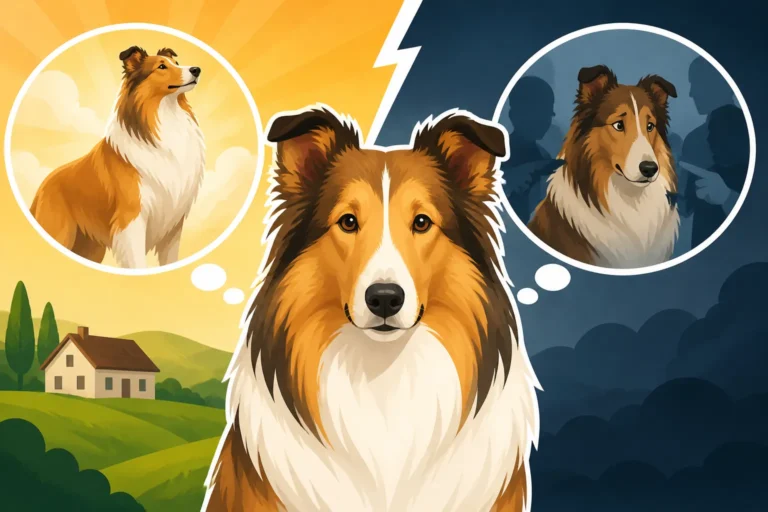
It’s a question many people ponder when they consider welcoming a Collie into their lives: are the beautiful, flowing-coated dogs we see in the show ring truly the same as the rugged, intelligent herders of old? It’s easy to assume that centuries of selective breeding have created two entirely different animals, but the reality is more nuanced. This guide will delve into the historical journey of the Collie, exploring how the breed evolved and whether a significant divergence between working and show lines truly exists today.
Understanding the Collie's Origins
Before the glamour of the show ring, before Hollywood made "Lassie" a household name, the Collie was a steadfast, indispensable working companion. Its history is deeply rooted in the practical needs of Scottish farmers and shepherds. To truly understand if a divergence occurred, we must first look at where the breed began.
The Humble Herder of the Scottish Lowlands
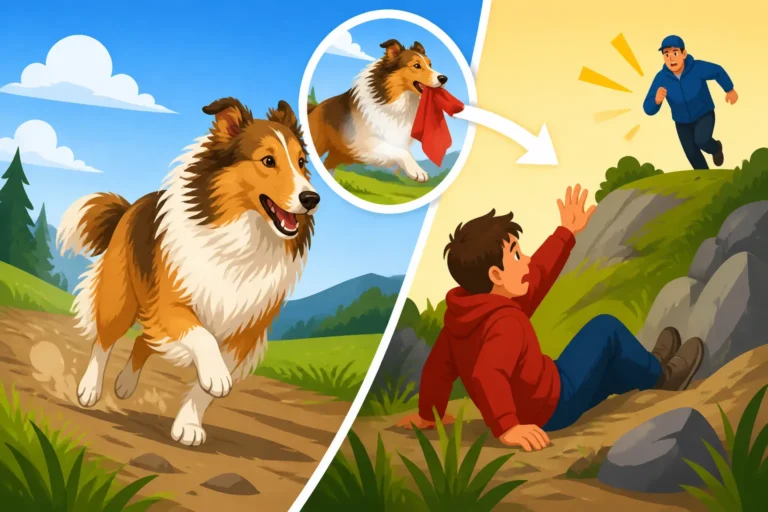
Imagine the windswept hills and valleys of Scotland, where sheep roamed freely and livestock needed constant management. This was the original stage for the Collie. These dogs were bred for their ability to gather, move, and protect flocks. Their intelligence was paramount, as they often worked independently, making complex decisions in challenging terrain and unpredictable weather. Appearance, while certainly a factor in recognizing a healthy, fit dog, was secondary to function. A strong work ethic, keen eyesight, and a robust constitution were the traits highly valued by shepherds. They needed a dog that could endure long days, think on its feet, and bring home the flock without being overly aggressive or flighty. They were known for their biddability and their ability to intuit a shepherd's wishes, often working with minimal commands. If you want to know more about this period, check out The Collie Was a Scottish Droving Dog Before It Was a Show Dog.
The dogs of this era were not uniform in appearance, at least not to the degree we see in modern breed standards. There were certainly variations in coat length, color, and size, dictated more by regional preferences and individual working aptitude than any overarching aesthetic ideal. The term "Collie" itself is thought to derive from the black-faced "Colley" sheep they often tended. These dogs were hardy, alert, and possessed an innate understanding of livestock behavior. Their instinct to herd was a fundamental part of their being, something passed down through generations of successful working parents.
Victorian Era Influence and the Rise of the Show Dog
Fast forward to the mid-19th century, and the Collie's destiny began to shift dramatically. Queen Victoria's visit to Balmoral Castle in the Scottish Highlands brought these working dogs to her attention, and she was captivated by their beauty and gentle demeanor. Her patronage made the Collie fashionable among the upper classes, igniting a demand for them as companions and show dogs rather than solely as working animals. This shift in purpose brought about a change in breeding priorities. No longer was sheer working ability the sole metric of a dog's value.
Breeders, now catering to a discerning public and the burgeoning dog show scene, began to emphasize physical characteristics that were deemed beautiful or aesthetically pleasing according to emerging breed standards. The long, elegant head, the graceful arch of the neck, and the profuse, flowing coat became highly sought-after traits. While intelligence and a good temperament remained important, the focus gravitated more towards "type" – adhering to an ideal visual representation of the breed. This era marks the true beginning of the separation in breeding goals, even if the dogs were still fundamentally from the same ancestral stock. The emphasis shifted from "can it work a flock all day?" to "does it look magnificent in the ring and fit the written standard?"
The Modern Divide: Show vs. Working Lines
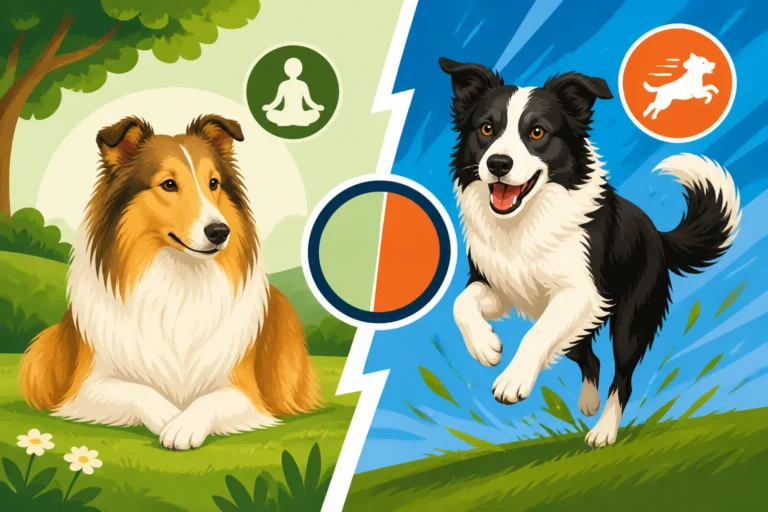
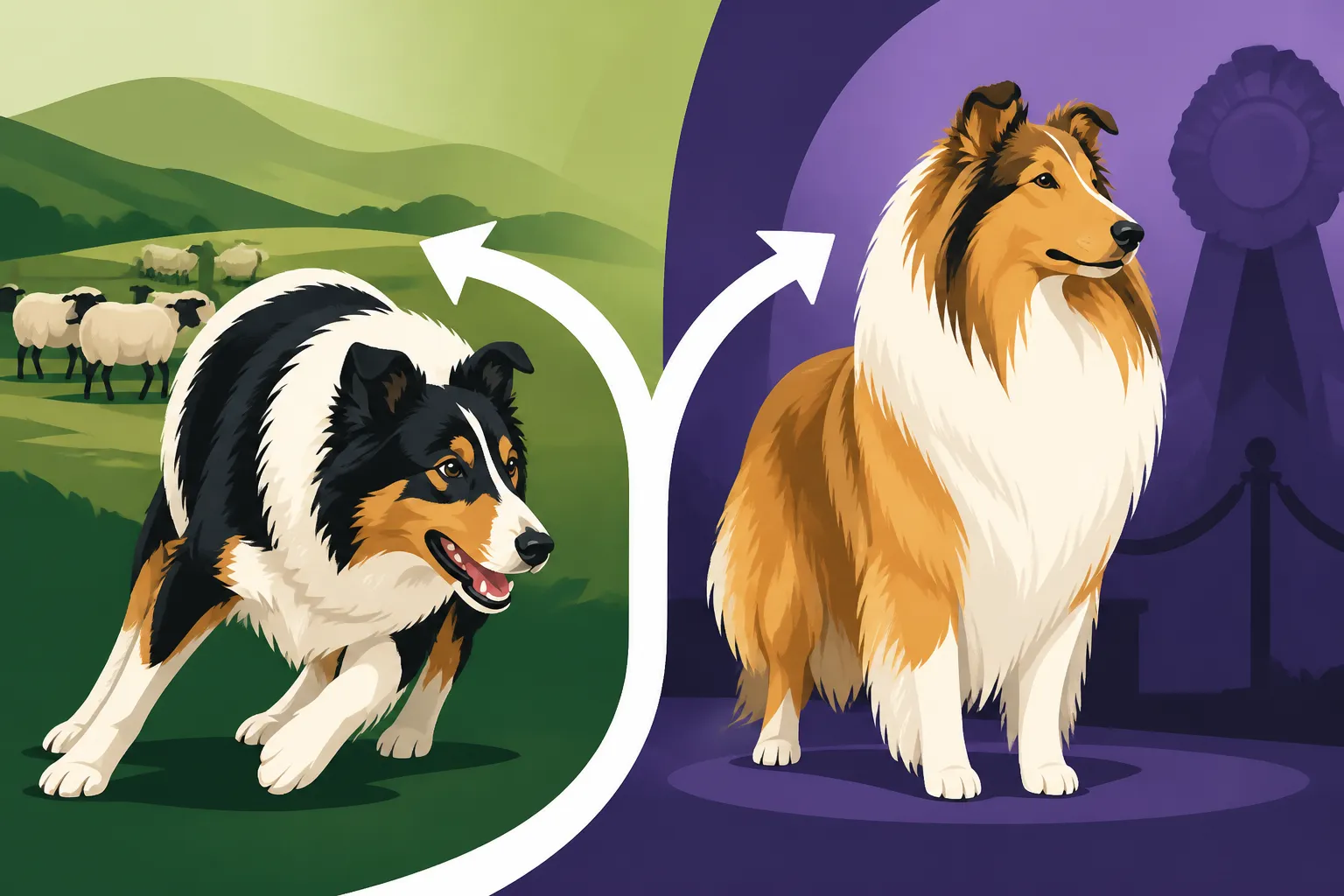
It's a common perception that show dogs are merely pretty faces, lacking the drive and intelligence of their working counterparts. With Collies, the truth is more nuanced than a simple black and white distinction. While the divergence isn't as extreme as in some other herding breeds, distinct breeding philosophies have certainly led to differences in emphasis.
Show Ring Priorities: Beauty and Conformation
For breeders focused on the show ring, the primary goal is to produce dogs that conform as closely as possible to the official breed standard. This standard is a detailed description of the ideal Collie's appearance, including everything from coat color and texture to ear set, eye shape, and the length of the muzzle. Judges evaluate dogs on how well they embody these aesthetic qualities, and winning dogs become the foundation for future generations. The drive for a particular "look" can sometimes, unintentionally, overshadow other considerations.
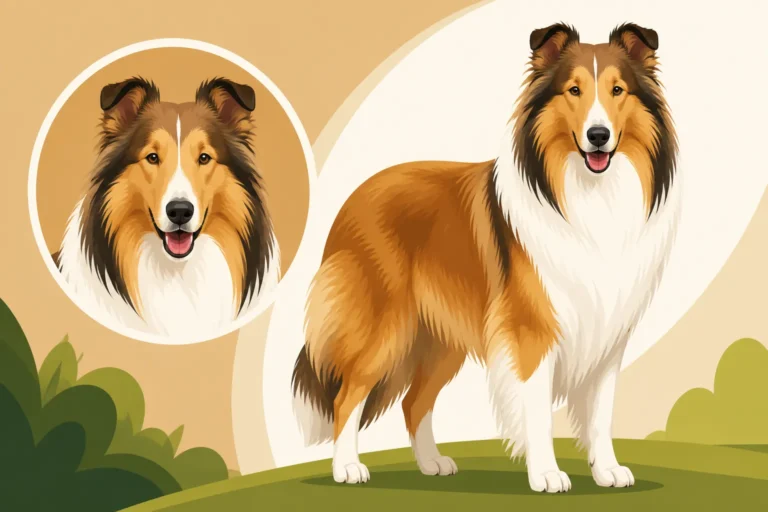
This doesn't mean show Collies are unintelligent or lacking in temperament. A good temperament is actually crucial for a show dog; they need to be calm, confident, and accepting of handling by strangers. However, extreme herding drive or intense focus on a "job" might not be actively selected for, and might even be seen as less desirable if it makes a dog difficult to present calmly in the ring. The famous long, flowing coat, for example, is a hallmark of the Rough Collie breed standard, requiring significant grooming effort – something a working shepherd would likely find impractical in the field. When choosing supplies to keep that glorious coat in top condition, many owners find a wide variety of brushes, shampoos, and conditioners available at retailers like Chewy.
Working Field Priorities: Instinct and Drive
On the other side of the spectrum are the working Collies, often bred by people who actively use their dogs for herding livestock. For these breeders, genetic traits like strong herding instinct, biddability, endurance, and problem-solving ability are paramount. They need dogs that can read stock, respond quickly to commands, and possess the stamina to work for hours. While they appreciate a healthy, structurally sound dog, the "prettiness" of a flowing mane or a perfectly chiseled head takes a backseat to functional excellence.
Working Collies might have coats that are slightly less profuse or heads that are not quite as refined as their show-bred cousins, simply because those traits aren't what make a dog excel in the field. What you'll often find in working lines is a sharper focus, a more intense gaze when eyeing stock, and an almost innate desire to control movement. These dogs live to work, and their mental and physical energy demands reflect that. Their instincts are finely tuned through generations of purposeful breeding. You might find that Whether a Modern Collie Could Still Work Sheep is a pertinent question, and for working lines, the answer is often a resounding yes.
Are They Truly Different Breeds?
Despite the different breeding goals, it's important to understand that both show and working Collies are still very much the same breed. They share a common genetic heritage and often exhibit many similar traits. The distinctions are more about emphasis and selective breeding for particular characteristics rather than a complete genetic split.
Overlapping Traits and Shared Temperament
Even with specialized breeding, a "show" Collie will almost certainly exhibit some level of herding instinct, and a "working" Collie will often possess the gentle, intelligent demeanor that is a hallmark of the breed. The innate Collie temperament—loyal, sensitive, and intelligent—tends to persist across both lines. Both types thrive on companionship and mental stimulation. They both require exercise, though the type and intensity of that exercise might differ. Forty Five Minutes a Day, and Half of It in Its Head still rings true for many Collies, regardless of their immediate lineage.
Many Collies from show lines still participate in canine sports like obedience, rally, and even some herding trials, demonstrating that the underlying intelligence and desire to please are very much alive. Conversely, some working-bred Collies, while perhaps not groomed to show standards, are incredibly handsome dogs. The main difference lies in the intensity of certain drives and the priority of specific physical traits. A show Collie might "herd" the children gently, while a working Collie might exhibit a stronger, more persistent desire to control movement.
Practical Implications for Owners
For prospective Collie owners, understanding this divergence is crucial. If you're looking for a low-key family companion who enjoys walks and cuddles, a Collie from a reputable show breeder might be a perfect fit. These dogs are generally bred for a calm disposition, striking appearance, and excellent pet qualities. If you are feeding a show-bred Collie who isn't as active, selecting the right diet is important; look for balanced large-breed formulas, readily available on sites like Chewy, to maintain a healthy weight without overdoing it on calories.
However, if you're seeking a dog for competitive herding, advanced obedience, or a very active lifestyle that involves a lot of mental work, then a Collie from dedicated working lines might be more appropriate. These dogs will often have a higher drive and a more intense need for a "job" to do, and they might become bored or destructive if their needs aren't met. It's about matching the dog's inherent drives and needs with your lifestyle and expectations. A conversation with breeders about their specific goals and the temperaments of their dogs is invaluable.
Finding the Right Collie for Your Home
Navigating the world of Collie breeders can feel overwhelming, especially with the subtle distinctions between lines. However, with a clear understanding of what you're looking for, you can make an informed choice that leads to a happy partnership.
Researching Breeders and Their Goals
The first step in finding the right Collie is to thoroughly research breeders. Don't be afraid to ask direct questions about their breeding philosophy and what traits they prioritize. A good breeder, whether focusing on show or working ability, will be transparent about their goals and keen to ensure their puppies go to suitable homes. Ask about the parents' temperaments, their health clearances, and what kind of environment the puppies are raised in. A breeder focused on show lines might talk extensively about conformation titles and the finer points of the breed standard, while a working breeder will likely highlight trial results, herding certifications, and the drive of their dogs.
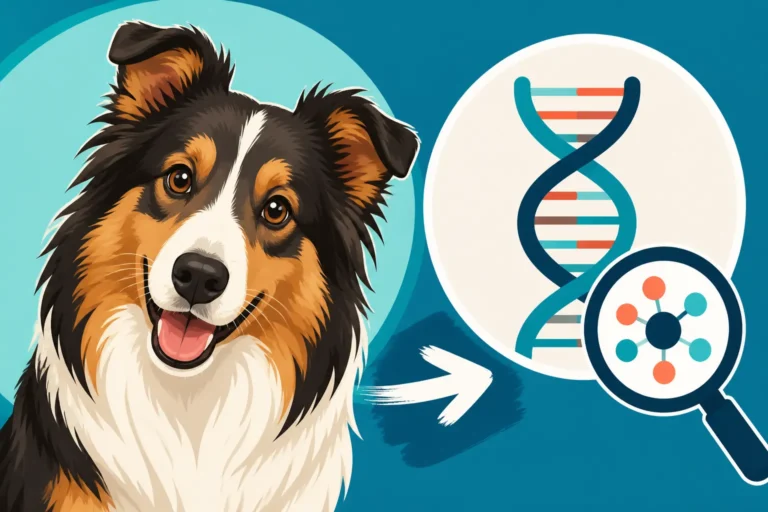
It's also a good idea to visit a breeder if possible. Observe their adult dogs—are they calm and confident? Do they engage with visitors appropriately? A breeder should be able to articulate why they bred a particular pairing and what they hope to achieve. They should also be knowledgeable about common Collie health concerns and freely share information about genetic testing, such as results from The Three Genetic Tests a Collie Breeder Owes You. Don't be shy about discussing your lifestyle and expectations for your future dog; an honest breeder will help you determine if their line is a good match. Many responsible breeders will even include specific clauses in their contracts about health and temperament, sometimes requiring neutering for pet-quality puppies.
Assessing a Puppy's Temperament and Potential
Once you've found a reputable breeder, observing the puppies themselves is crucial. While a puppy's adult personality isn't fully formed, you can still get a good sense of their individual temperaments. Are they bold and outgoing, or more reserved and sensitive? Do they show curiosity, or are they easily startled? A breeder who spends time socializing their puppies and understands individual temperaments will be a huge asset.
For those interested in working lines, a reputable working breeder might even conduct simple aptitude tests to gauge a puppy's inherent herding instinct. For all puppies, observe how they interact with their littermates and with people. Do they approach willingly? Are they comfortable being handled? Remember, a Collie is a sensitive breed, and Harsh Handling Breaks a Collie and It Does Not Come Back. Choosing a puppy with a temperament that aligns with your household—whether it's a bustling family with kids or a quieter, single-person home—is key to a successful relationship. Don't be swayed solely by a pretty face; temperament and health should always be your top priorities. When it comes to ensuring your new puppy has everything it needs, from quality food to fun toys, online pet supply stores like Chewy offer an extensive selection, making it easy to stock up before your furry friend arrives.
| Trait Category | Show Collie (General Tendencies) | Working Collie (General Tendencies) |
|---|---|---|
| Primary Focus | Conformation, aesthetic appeal, adherence to breed standard | Herding instinct, biddability, endurance, working drive |
| Coat Profuseness | Often very dense and long, requiring significant grooming | May be slightly less profuse, more practical for field work |
| Head Type | Emphasizes refinement, long, chiseled lines | Good structure but less emphasis on extreme refinement |
| Energy Level | Moderate, adaptable to a companion lifestyle, enjoys activities | High, requires significant mental and physical work, intense focus |
| Temperament | Gentle, intelligent, eager to please, generally calm indoors | Intelligent, highly responsive, intense, can be very focused on tasks |
| Herding Instinct | Present, but often redirected or less intense, can be a "Velcro dog" | Strong, often requires an outlet, desire to gather and control stock |
| Grooming Needs | High, frequent brushing to prevent mats, professional grooming likely | Moderate to high, depends on individual coat, still requires care |
| Suitability for | Family companion, therapy work, obedience, rally, conformation | Herding, agility, advanced obedience, very active companions |
Disclaimer
This article is for general informational purposes only and does not constitute professional advice. Laws, prices and regulations vary by location and change over time. Consult a qualified professional for guidance on your specific situation.