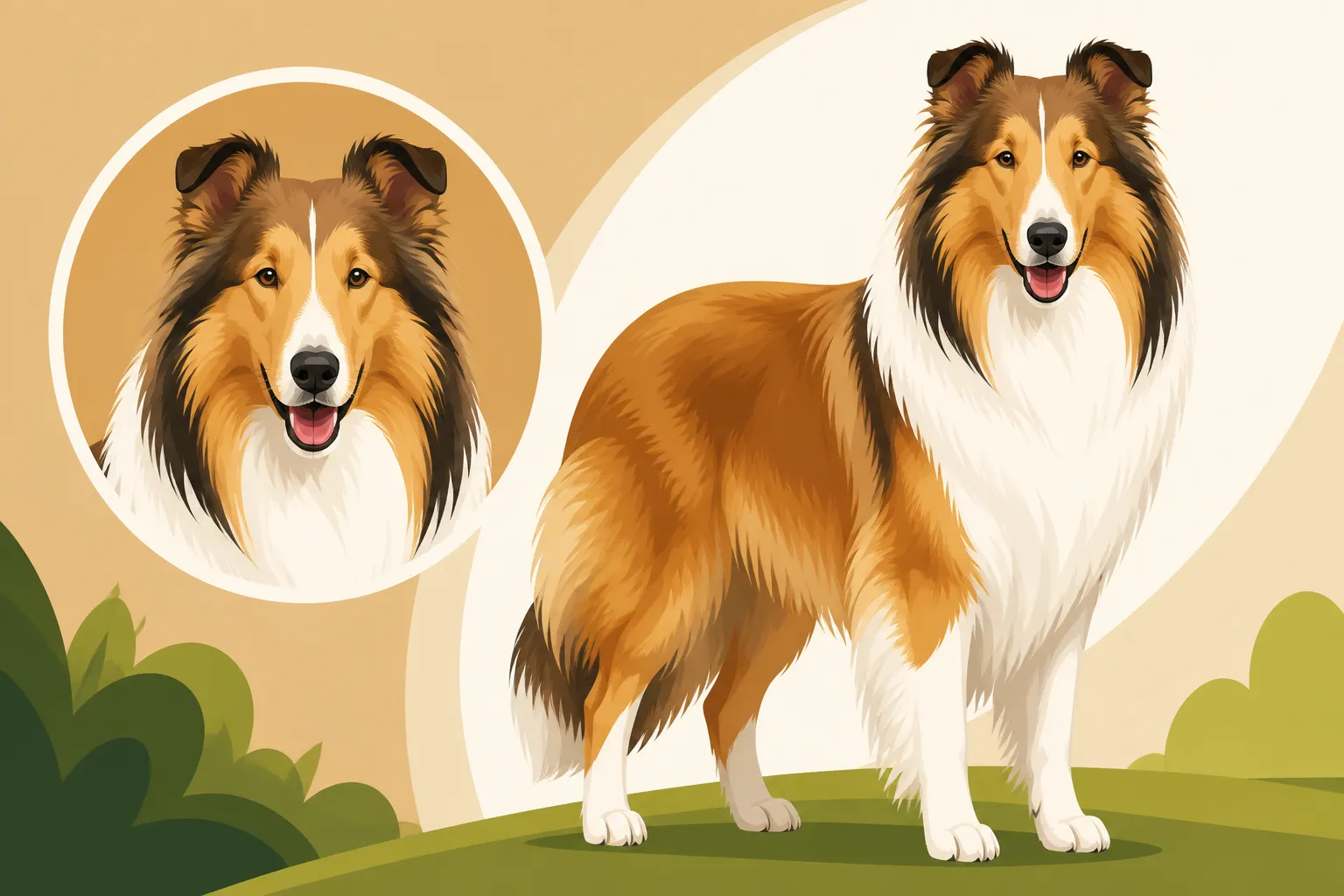
What a Sable and White Collie Looks Like
If you've ever admired the majestic beauty of a Collie, chances are the image in your mind's eye is a sable and white one. This iconic color pattern, often synonymous with the breed itself, is a truly striking sight, but many folks don't realize the incredible variation and specific characteristics that define it. This guide will walk you through exactly what makes a Collie "sable and white," exploring the subtle nuances, standard markings, and how this beloved coat pattern truly shines.
Understanding the Sable and White Coat
When we talk about a "sable and white" Collie, we're describing a very specific genetic combination that produces the familiar golden-brown body with crisp white accents. It’s not just a generic brown dog; there’s a depth and particularity to the sable hue that makes it stand out. Understanding the individual components – the sable itself and the essential white markings – helps us appreciate this classic Collie look.
What "Sable" Truly Means
The term "sable" in Collies refers to a coat where each individual hair isn't a solid color, but rather banded with different shades. Typically, the base of the hair is lighter, often a cream or tan, and it darkens towards the tip, ending in black. This banding creates a rich, dynamic hue that can range from a pale golden honey to a deep, ruddy mahogany, sometimes with noticeable black tipping scattered throughout the coat, particularly along the back and tail. It’s this multi-tonal quality that gives sable its characteristic depth, making the coat appear to shimmer and change color depending on the light. It's truly a marvel of canine genetics, giving the Collie a truly unique and warm appearance.
The Importance of the "White" Markings
While the sable provides the main body color, the "and white" part is equally crucial to the classic Collie look. These white markings aren't just an afterthought; they are integral to the breed standard and are often what gives a Collie its noble and expressive face. We expect to see white on the collar, running up the chest, on the legs, and a distinctive white-tipped tail. The amount and placement of this white are quite specific, often defining the overall aesthetic balance of the dog. Without these clear, defined white areas, a sable Collie just wouldn't have that iconic presence. The Four Colors a Collie Comes In elaborates further on the full range of possibilities.
The Beautiful Spectrum of Sable Shades
One of the most fascinating aspects of the sable and white Collie is the incredible range of shades that the "sable" can encompass. It’s not a single, fixed color, but rather a spectrum that offers a unique personality to each dog. From the softest gold to the most intense red, no two sable Collies look exactly alike, even if they share the same basic pattern.
From Light Gold to Deep Mahogany
The sable color itself can vary dramatically. You might encounter a Collie with a very light, almost creamy golden sable, where the black tipping is minimal, giving them a softer, sun-kissed appearance. These lighter sables are often stunning, with their golden hues complementing their gentle expressions. On the other end of the spectrum, you’ll find Collies with a much deeper, richer sable coat, sometimes described as mahogany or dark reddish-brown. These dogs often have more pronounced black tipping, especially down their back and on their ears, which adds a dramatic contrast to their white markings. This variation means that while they are all sable, each dog presents a unique intensity of color, truly showcasing the genetic diversity within the breed.
How Age and Sun Affect Sable Coloring
It’s not just genetics that determines a sable Collie’s shade; environmental factors and age play a significant role too. Many sable Collie puppies are born with quite a bit of dark shading, often looking almost tricolor-like, but this "smuttiness" tends to clear as they mature, revealing their true sable adult coat. Whether a Collie Puppy's Color Changes is a great resource if you're watching a young pup's coat develop. As they get older, especially if they spend a lot of time outdoors, their sable coat can lighten due to sun exposure, almost like human hair being bleached. This can lead to a beautiful, sun-streaked effect, but it also means that the dog you see today might have a slightly different shade a few years down the line. It's a natural evolution of their stunning double coat.
Recognizable White Markings and Patterns
The "white" in "sable and white" isn't just any splash of white; it's a carefully distributed set of markings that contribute significantly to the Collie's distinct appearance and adhere to the breed standard. These specific patterns help distinguish a true sable and white from other white-patterned dogs and are a hallmark of the breed's elegance.
The Classic Collie Collar and Blaze
Perhaps the most beloved and defining white marking on a sable and white Collie is the full or partial white collar, often accompanied by a white blaze up the face. A full white collar wraps completely around the neck, creating a striking contrast against the sable body and framing their beautiful head. Sometimes, the collar is partial, forming a distinct patch on the chest and neck. The blaze is a strip of white that runs up the muzzle and between the eyes, highlighting their intelligent expression. This combination creates a striking, symmetrical look that is instantly recognizable as a Collie. These markings aren't just pretty; they contribute to the balanced and refined appearance that breeders and enthusiasts cherish.
Feet, Legs, and Tail Tip Expectations
Beyond the collar and blaze, sable and white Collies typically have white on their legs, often extending up to the hocks and sometimes even higher on the forelegs, giving the impression of elegant white stockings or boots. Their feet should be neatly covered in white, often referred to as "white paws." Another essential white marking is the tail tip. A sable Collie's tail usually has a distinctive white tip, a charming detail that rounds out the classic look. These white points serve to break up the sable, adding to the dog's overall visual appeal and movement when they trot or run. You might even see a bit of white on the chest, forming a lovely "apron" or extending from the collar. These specific white placements are key to recognizing and appreciating the sable and white Collie.
Sable and White in the Collie Breed Standard
The breed standard for Collies sets out the ideal characteristics for the breed, and that includes coat color and markings. For sable and white, there are specific guidelines that breeders aim for and judges evaluate in the show ring. It's about more than just personal preference; it's about preserving the integrity and traditional appearance of the breed.
What Breeders Look For
Responsible Collie breeders meticulously select for strong health, temperament, and adherence to the breed standard, including color. When it comes to sable and white, breeders are looking for rich, clear sable tones, whether light or dark, that are free from muddiness or excessive black overlay that might mimic a tricolor pattern. They also pay close attention to the crispness and placement of the white markings. A full or well-broken white collar, a clean blaze, and evenly distributed white on the legs and tail tip are highly desirable. The goal is a balanced, aesthetically pleasing dog where the colors complement each other beautifully. They're also very mindful of genetic health, so a beautiful coat always comes second to a healthy dog. Many breeders utilize services like Chewy to ensure their puppies are leaving with starter kits that meet their standards for food and supplements.
Acceptable vs. Non-Standard Markings
While the classic sable and white pattern is celebrated, there's a certain degree of variation that is considered acceptable within the breed standard. For example, a partial white collar is perfectly fine, as is a blaze that might be slightly asymmetrical. What isn't preferred are markings that detract from the overall balance or mimic other patterns. For instance, too much white on the body, extending beyond the recognized areas, might start to lean towards a "white Collie" pattern, which is a distinct color classification, not a sable and white. Similarly, insufficient white can make a dog appear plain or uncharacteristic of the standard. Breeders and judges strive for that harmonious blend of rich sable and distinctive white, ensuring the dog embodies the classic Collie elegance. What a White Collie Is explains another color variation that can sometimes be confused.
Distinguishing Sable and White from Other Collie Colors
The world of Collie colors can be a little confusing if you're not familiar with the nuances. While sable and white is arguably the most recognized, Collies come in several other stunning variations. Knowing the key differences helps you appreciate each unique color pattern and properly identify them.
Sable and White vs. Tricolor
This is one of the most common distinctions people need to make. A tricolor Collie features three distinct colors: black, tan (or sable), and white. The dominant color is black, covering most of the body, often with rich tan points on the face (especially eyebrows and cheeks), legs, and sometimes under the tail. Like the sable and white, a tricolor Collie will also have those characteristic white markings on the collar, chest, legs, and tail tip. The key difference is the primary body color: black for tricolors, and varying shades of golden-brown/red for sables. If you see a Collie with a predominantly black body accented with tan and white, you're looking at a tricolor, not a sable.
Sable and White vs. Blue Merle
Blue merle Collies are another striking color variation that can sometimes be confused, especially if a sable merle is mistaken for a traditional sable. A true blue merle Collie has a marbled or mottled pattern of gray and black patches over a lighter background, often with tan points and, again, the essential white markings. The merle gene creates these irregular patches, giving the coat a unique, almost speckled appearance. The "blue" refers to the dilution of black pigment that creates the gray. Sable and white Collies, on the other hand, do not have this merling pattern. Their sable coat is a continuous shade (albeit banded hairs), not a mosaic of patches. If you see a dog with distinct patches of gray/black and white, that's your blue merle. What a Blue Merle Collie Looks Like goes into greater detail on this captivating pattern.
Sable and White vs. White Collie
This distinction is important because "white Collie" is its own color pattern, not simply a sable and white with a lot of white. A White Collie has a predominantly white body, with the colored markings (sable, tricolor, or blue merle) confined to the head and sometimes a patch or two on the body. While a sable and white Collie has significant white markings, the sable color remains the dominant body color. Think of it as the reverse: a sable and white is a sable dog with white trim, whereas a White Collie is a white dog with colored trim, primarily on the head. Understanding this helps avoid mislabeling and appreciates the specific genetic expressions of each color.
Living with a Sable and White Collie
Bringing a sable and white Collie into your home isn't just about admiring their beauty; it's about understanding their needs, especially when it comes to maintaining that glorious coat. That rich sable and crisp white require a bit of dedication to keep them looking their best.
Grooming to Enhance the Coat
The sable and white Collie, especially the rough variety, is known for its magnificent double coat. To keep the sable looking vibrant and the white pristine, regular grooming is essential. This means consistent brushing, often several times a week, to prevent mats and tangles, especially in the longer "frill" around the neck, the "petticoat" on the hindquarters, and the feathering on the legs. Four Tools and Twenty Minutes: Brushing a Rough Collie provides an excellent overview of the necessary equipment and technique. Regular bathing with a good quality shampoo and conditioner, followed by thorough drying, will help keep the white sparkling and the sable free from dullness. You might want to pick up some grooming tools from a store like Chewy to keep those gorgeous looks maintained.
Observing Coat Changes Over Time
As mentioned earlier, a sable Collie's coat isn't static. Beyond the clearing of puppy coat, you'll notice seasonal changes, particularly during their "coat blow" seasons where they shed their undercoat in preparation for new growth. During these times, the sable might appear lighter or less dense. The Three Weeks Twice a Year When a Collie Buries Your House is a very relatable article about managing these periods. Age can also bring subtle changes, with some sables mellowing in color. Pay attention to any unusual changes in coat texture or excessive shedding outside of the normal coat blow, as these could sometimes indicate health issues or nutritional deficiencies. Regular checks during grooming will help you stay attuned to your Collie's coat health, ensuring their sable and white beauty endures through all seasons and stages of life.
Disclaimer
This article is for general informational purposes only and does not constitute professional advice. Laws, prices and regulations vary by location and change over time. Consult a qualified professional for guidance on your specific situation.