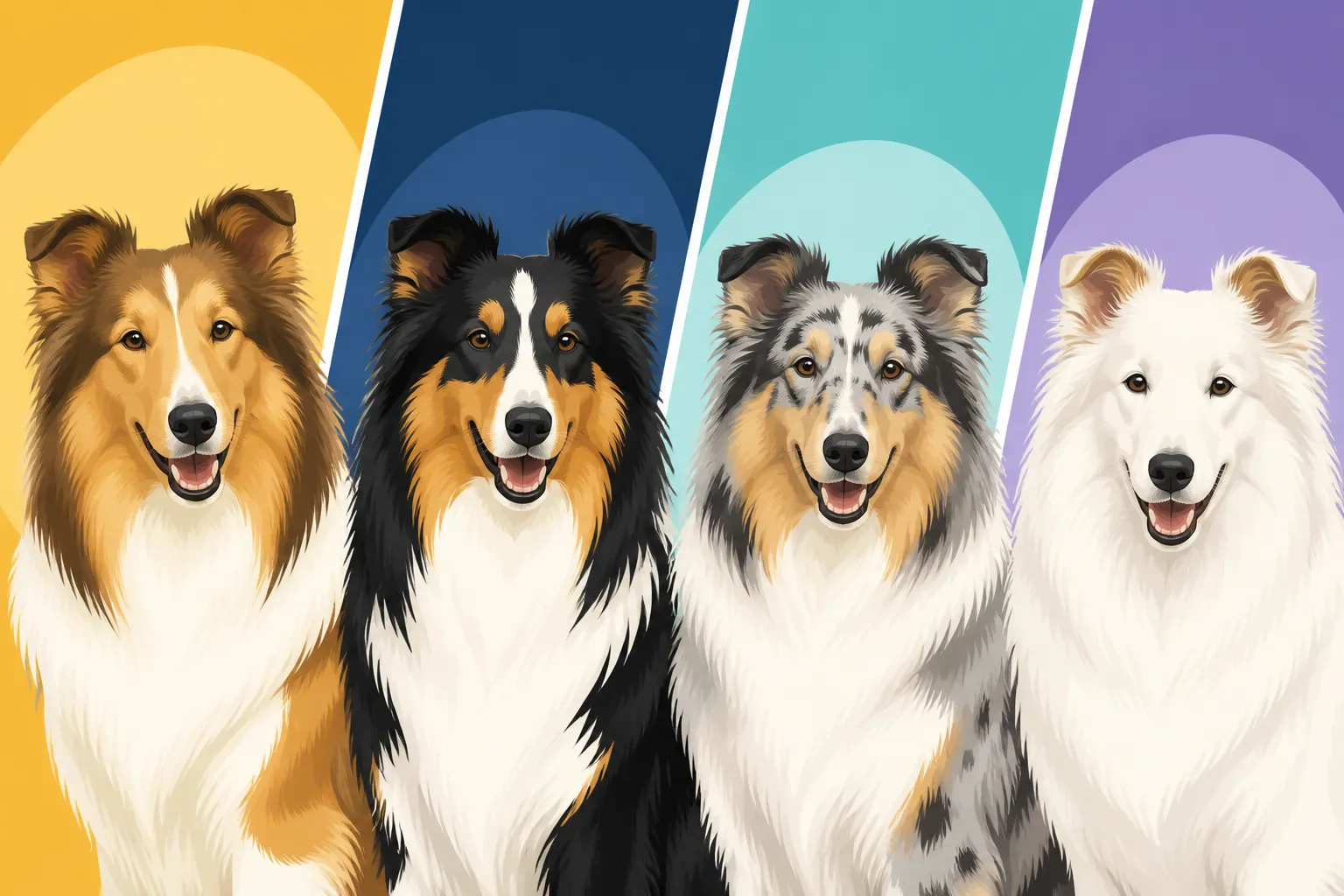
The Four Colors a Collie Comes In
When you first think of a Collie, chances are a beautiful sable and white dog, just like Lassie, pops into your mind. It’s the image ingrained in our collective consciousness, but the truth is, the Collie breed actually boasts a stunning variety of coat colors, each with its own unique charm and characteristics. Many new owners are surprised to learn that these majestic dogs come in more than just the classic golden-brown, and understanding these differences is part of truly appreciating the breed. This guide will take you on a journey through the four officially recognized Collie coat colors, exploring what makes each one special, what to expect, and even touching on some important health considerations tied to genetics.
The Classic Look: Sable and White
Ah, the sable and white Collie! This is the iconic look that captured the hearts of millions and became synonymous with canine loyalty and intelligence, largely thanks to a certain famous canine actress. But even within "sable and white," there's a world of variation and beauty to explore. It's not just one shade; it's a spectrum that offers continuous delight.
What Makes a Sable a Sable
At its core, a sable and white Collie displays shades of brown, ranging from a rich mahogany to a lighter golden hue, often with black tipping on the guard hairs, giving it a sort of smoky depth. This color is genetically dominant, meaning it's quite common to see. The "and white" part refers to the traditional Collie markings: a pristine white collar, white on the chest, legs, feet, and a white tip on the tail. These white markings are what really make the sable pop, creating a striking contrast that defines the breed's elegant appearance. Think of it as nature's perfectly tailored suit, complete with a crisp white shirt.
The Range of Sable Shades
Sable isn't a monochrome block; it's a dynamic color that can change and deepen throughout a Collie's life. You might bring home a sable puppy that looks like a creamy fawn, only for its coat to darken into a rich, deep mahogany with age, or develop a more pronounced black overlay on its back and ears. This transformation can be quite fascinating to witness! We call these "clear sables" (less black tipping) or "shaded sables" (more black tipping), and both are equally beautiful and valid within the breed standard. It's why two sable puppies from the same litter can look quite different by the time they're adults. Sometimes, these changes are slow and subtle, almost unnoticeable until you compare old photos. Other times, especially after a major coat blow, a Collie's sable can appear much lighter or darker. Whether a Collie Puppy's Color Changes is a question many new owners ponder as they watch their furry companion grow.
Managing the Sable Coat's Appearance
While the color itself is genetic, the vibrancy and health of a sable coat are very much in your hands. A well-nourished Collie with a healthy diet will often display a richer, more lustrous sable hue. Regular grooming is absolutely paramount, not just for aesthetics but for overall coat health. Brushing helps distribute natural oils, remove loose hair, and prevent matting, especially in that beautiful, flowing mane and frill. Investing in quality grooming tools is essential, and brands like Chewy offer a fantastic selection of pin brushes, slicker brushes, and undercoat rakes specifically designed for double-coated breeds. A healthy coat is a beautiful coat, regardless of its particular shade of sable.
The Striking Contrast: Tricolor
If you're looking for a Collie with an undeniable "wow" factor, the tricolor is often the one that catches people's eyes. It's a truly elegant combination of black, white, and tan that speaks of classic beauty and striking definition. There's something inherently sophisticated about a tricolor Collie, standing out with its deep, rich hues.
Decoding the Tricolor Pattern
The tricolor Collie, as the name suggests, features three distinct colors. The primary body color is a deep, glistening black, covering most of the back and sides. This black is often so profound it shimmers in the light. Complementing this dramatic black are crisp white markings, typically found on the collar, chest, legs, feet, and tail tip, much like the sable. But what really sets the tricolor apart are the rich tan markings. These tan points appear on specific areas: above the eyes, on the cheeks, inside the ears, and often on the underside of the tail. These tan accents are crucial to the tricolor definition, adding warmth and depth to the overall presentation. Without those tan points, you’d simply have a black and white Collie, which isn't a recognized color pattern.
The Depth of Black in a Tricolor
The quality of the black in a tricolor Collie is a hallmark of the pattern. Ideally, it should be a deep, inky black, without any reddish or brownish cast that can sometimes be seen in poorer pigment. This rich black can sometimes make spotting ticks or fleas a bit more challenging, so diligent checks after outdoor adventures are a must. Many breeders strive for this deep, true black as it enhances the contrast with the crisp white and warm tan. The black is not just a backdrop; it's a major player in the tricolor's appeal, providing a strong, beautiful base for the other colors to shine.
The White and Tan Markings
The white markings on a tricolor Collie should be clean and bright, accentuating the elegance of the dog. A full white collar is often admired, creating a regal appearance. The tan points, while smaller in area compared to the black and white, are incredibly important for the tricolor designation. These should be a clear, rich tan, not diluted or muddy. They act like carefully placed highlights, framing the face and drawing attention to the Collie's expressive eyes. Understanding these nuances helps you appreciate the intricate genetics and careful breeding that go into producing such a beautifully patterned dog. This distinct blend of colors truly makes the tricolor Collie a walking work of art.
The Unique and Eye-Catching: Blue Merle
The blue merle Collie is undeniably one of the most visually striking and unique color patterns in the breed. With its mottled, marbled coat of grey, black, and white, sometimes with tan points, it possesses an almost ethereal beauty that draws many admirers. However, the genetics behind this stunning color also carry important responsibilities for breeders and owners alike.
Understanding the Merle Gene in Collies
The blue merle pattern is the result of a specific gene, known as the merle gene (M locus). This gene dilutes random sections of the black pigment in the coat, resulting in the characteristic patches of slate grey or silver, interspersed with darker black areas. The white markings are still present, and blue merles can also exhibit the tan points found in tricolors, which creates a "blue merle with tan" variation. The merle gene also affects eye color, sometimes giving blue merles striking blue eyes or "marbled" eyes that contain flecks of blue and brown. This genetic blueprint is what creates their distinct look. It's fascinating how a single gene can create such a diverse and beautiful pattern across a dog's coat.
The Blue Merle's Distinctive Pattern
Imagine a canvas painted with swirling shades of grey, black, and white – that's the blue merle Collie. No two blue merles are exactly alike; each dog has a unique pattern of dilution and dark patches. The blue merle can range from a light silver-grey background with subtle black mottling to a darker, steel-grey base with more pronounced black areas. White markings are typically found on the chest, collar, legs, and tail tip, much like the sable and tricolor. When tan points are present, they provide another layer of contrast, usually appearing on the cheeks, above the eyes, and inside the ears. These variations make each blue merle truly one-of-a-kind.
Health Considerations with Blue Merles
While undeniably beautiful, the merle gene carries significant health implications if bred irresponsibly. The gene can affect pigment production in the eyes and inner ears. A single copy of the merle gene (Mm, producing a blue merle) generally results in a healthy dog, although they may have blue eyes, which are perfectly healthy. The real concern arises when two merle dogs are bred together (MM), resulting in what is known as a "double merle." Double merle Collies often have excessive white markings, but more critically, they are at a very high risk for severe vision and hearing impairments, including blindness and deafness. This is a crucial point for anyone considering a blue merle, or any merle breed. Responsible breeders will never breed two merles together. This is why it's so important for prospective puppy buyers to ask about parental testing and genetic history. You should always insist on knowing The Three Genetic Tests a Collie Breeder Owes You and specifically understand the implications of the merle gene. It’s also vital to confirm Whether Two Merle Collies Should Be Bred Together before acquiring a puppy. It's a serious responsibility, and ensures the beautiful coat doesn't come at the cost of the dog's well-being. Knowing Whether a Double Merle Collie Is Deaf or Blind is paramount for ensuring you support ethical breeding.
The Rarest and Misunderstood: White
The white Collie is perhaps the most unique and often misunderstood of the four recognized coat colors. When people first encounter a white Collie, they might assume it's an albino or some kind of mixed breed, but they are purebred Collies with a specific genetic expression that results in their stunning, predominantly white coats.
Defining the White Collie
A white Collie is characterized by a body that is predominantly white, with colored markings – usually sable, tricolor, or blue merle – appearing on the head and sometimes a patch or two on the body. The extent of white can vary greatly; some white Collies may have just a colored head, while others might have small patches of color on their body, like a saddle or a spot near the tail. Regardless of the amount of color, the underlying genetic base for the color on the head determines if it's a white sable, white tricolor, or white blue merle. Their pigment (nose, eye rims, lips) should be dark, just like any other Collie color, confirming they are not albinos. The standard refers to them as "white with colored markings," which clarifies their genetic distinction.
Dispelling Myths About White Collies
There are several persistent myths surrounding white Collies, largely due to confusion with other breeds or with double merle genetics.
- Myth 1: They are albinos. False. White Collies have normal pigment. Their noses are black, and their eyes are dark brown (unless they are a white blue merle with blue eyes). Albinism involves a complete lack of pigment.
- Myth 2: They are always deaf or blind. False. This confusion often stems from the issues with double merle Collies. A white Collie that is genetically a single merle (meaning one parent was merle, the other wasn't) will typically have normal hearing and vision. Problems primarily arise when a white Collie is also a double merle (MM), which means it inherited two copies of the merle gene. In these cases, the double merle can indeed be deaf, blind, or both. This is why responsible breeding practices are critical. Whether a White Collie Is Healthy depends entirely on their specific genetic background and whether they are also double merle. It's important to understand the difference.
- Myth 3: They are fragile or sickly. Again, false. A white Collie, when bred responsibly, is just as robust and healthy as any other color Collie. Their white coat doesn't inherently make them weaker. It is irresponsible breeding that causes issues, not the white gene itself.
The Importance of Responsible White Collie Breeding
Because of the potential for confusion with double merles, ethical breeding of white Collies requires a deep understanding of genetics. Responsible breeders will know the merle status of their breeding stock and avoid pairings that could produce double merle puppies, particularly if excessive white is desired. This often means carefully pairing a white Collie (which may carry a single merle gene, or not) with a non-merle parent (sable or tricolor). Breeders often ensure that a white Collie's ancestry is well-documented and that both parents have clear health clearances. It’s important to note that Whether a White Collie Is Recognized by the AKC is a common question, and yes, they are, but their standard specifies the majority white body with colored markings on the head, not a completely solid white dog. Always ask about the health testing and genetic background of white Collie puppies to ensure you're getting a healthy companion.
Beyond the Basics: Unrecognized and Emerging Patterns
While the official breed standard recognizes sable and white, tricolor, blue merle, and white (with colored markings), the fascinating world of Collie genetics can sometimes throw a few curveballs. These variations, while not always show-ring acceptable, still occur and are part of the breed's diverse genetic tapestry. It's important to distinguish between what's considered standard and what might be a genetic anomaly or a less common but still healthy variation.
Sable Merle: A Closer Look
One such variation is the sable merle. Genetically, a sable merle is a merle dog that also carries the sable gene. Instead of the typical blue-grey and black mottling seen in a blue merle, the merle gene acts on the sable pigment. This results in a coat that might appear lighter or more mottled in areas of the sable, sometimes with faint darker sable patches or even a slight marbling effect, often with blue eyes. The merle pattern can be much less obvious than in a blue merle, sometimes making it difficult to identify without a DNA test. While beautiful in its own right, sable merle isn't explicitly listed as a separate, distinct color in all breed standards, often falling under the broader merle category. However, understanding it is vital for breeders to prevent accidental double-merle breedings, as a sable merle still carries that merle gene.
The Importance of Health Over Novelty
In the world of dog breeding, there's sometimes a temptation to seek out rare or "novelty" colors. However, ethical breeding always prioritizes health and temperament above all else. Chasing after an unusual coat color without a full understanding of the underlying genetics can lead to unforeseen health issues, especially when it comes to genes like merle. For instance, sometimes a Collie might appear to have a dilute color (like a pale fawn or silver without merle mottling), which isn't standard and could indicate a different genetic modifier at play. While these colors might be aesthetically interesting, a responsible breeder focuses on producing healthy, sound dogs that exemplify the breed's best qualities. The recognized colors have been carefully selected over generations to ensure both beauty and vitality.
Understanding the Standard and Its Purpose
Breed standards exist for a reason: they describe the ideal physical and temperamental characteristics of a breed, guiding breeders toward maintaining the health, function, and unique identity of the dogs. While variations in color are natural, adhering to the recognized colors helps ensure that breeders are focusing on established, healthy genetic lines. Any color or pattern that deviates significantly from the standard should be approached with caution, and thorough health checks are absolutely essential. It's not about being exclusive, but about preserving the integrity and health of the Collie breed for future generations.
Coat Color and Temperament: Is There a Link?
It's a question many dog owners and prospective puppy buyers ponder: does my dog's coat color influence its personality or behavior? You might hear old wives' tales about blue merles being more "sensitive" or tricolors being "bolder." While these stories are charming, it’s important to separate anecdotal observations from scientific fact.
Separating Fact from Fiction
For the vast majority of traits in dogs, including temperament, there is no direct, scientifically proven link to coat color. A Collie's intelligence, trainability, herding instinct, and overall disposition are primarily influenced by its genetic lineage (the specific traits passed down from its parents and ancestors, regardless of their color), early socialization, training, and environment. A sable Collie is no more or less likely to be outgoing than a blue merle Collie simply because of its coat color. Any perceived correlations are almost certainly coincidental or a result of confirmation bias, where people unconsciously look for evidence to support a belief.
The Influence of Genetics on Behavior
While coat color itself doesn't directly dictate personality, it's true that certain genes can affect both physical traits (like coat color) and neurological development. The merle gene, for example, is linked to hearing and vision problems when two copies are present, and these sensory deficits can certainly impact a dog's behavior. A deaf dog, for instance, might startle more easily or require different training methods. However, these behavioral changes are a consequence of the sensory impairment, not the merle color itself. Similarly, some genetic conditions that cause health issues might coincidentally be more prevalent in certain lines that also happen to carry a specific color, but the color isn't the cause of the health issue. This is why thorough The Three Genetic Tests a Collie Breeder Owes You are so important for any responsible breeding program, regardless of the colors involved.
The Real Factors Shaping a Collie's Personality
A Collie's personality is a complex tapestry woven from many threads.
- Genetics: Beyond coat color, specific genes influence drives, reactivity thresholds, and overall temperament. This is why good breeders focus on temperament in their breeding stock.
- Early Socialization: A puppy's experiences during its critical developmental period (roughly 3-16 weeks) profoundly shape its future behavior. Exposure to different people, sounds, sights, and other friendly dogs is vital.
- Training: Consistent, positive reinforcement training helps channel a Collie's intelligence and herding instincts into desirable behaviors. Harsh Handling Breaks a Collie and It Does Not Come Back is particularly true for this sensitive breed.
- Environment: A stable, loving home environment where the Collie feels secure and has its physical and mental needs met contributes significantly to a well-adjusted dog.
In essence, whether your Collie is sable, tricolor, blue merle, or white, its individual personality will be a product of its unique genetic makeup (beyond simple coat color), its upbringing, and the care and training you provide. Embrace the individual!
Maintaining the Splendor: Grooming for Every Coat Color
Regardless of which of the four recognized colors your Collie sports, one thing remains constant: that magnificent double coat requires diligent care. It's part of the commitment we make to these beautiful dogs. While the underlying coat care principles are the same for all Collies, there can be subtle considerations depending on their pigmentation.
General Grooming Tips for All Collies
The Collie's luxurious coat is its crowning glory, but it's also a serious commitment. Both Rough and Smooth Collies have a double coat, meaning a soft, dense undercoat for insulation and a longer, harsher outer coat for protection.
- Regular Brushing: This is your number one tool. For a Rough Collie, aim for at least two to three times a week, more during shedding season. This prevents mats, removes loose hair, and distributes natural oils. How Often a Rough Collie Should Be Brushed is a question you'll quickly learn the answer to once you have one!
- Line Brushing: This technique ensures you get down to the skin, preventing mats from forming deep within the undercoat. It's a game-changer.
- High-Quality Tools: A good pin brush, slicker brush (used carefully), and an undercoat rake are non-negotiable. Many Collie owners find that investing in a good force dryer also makes bath time and shedding season much easier. Brands like Chewy often have comprehensive grooming kits and individual tools suitable for a Collie's substantial coat.
- Never Shave a Collie: Unless for medical reasons, a Collie should never be shaved. Their double coat protects them from both heat and cold, and shaving can permanently damage the texture, making it grow back patchy and prone to matting, and can even lead to skin problems. A Collie Is Never Trimmed and Never Shaved unless under veterinary direction.
Specific Considerations for Different Pigmentations
While the core grooming routine is consistent, certain colors might prompt minor adjustments or extra vigilance:
- Lighter Coats (Sable, White): These coats can show dirt more easily. While it might seem counterintuitive, frequent bathing isn't the answer, as it can strip natural oils. Instead, consistent brushing to remove surface dirt and occasional spot cleaning is often more effective. Also, white areas, particularly on the face, can be prone to tear staining or food stains, requiring gentle wiping. For white Collies or those with extensive white markings, sun protection on sparsely haired areas like the nose can sometimes be a consideration, especially if they have sensitive skin. What Collie Nose Actually Is is a condition to be aware of, where the nose can lose pigment and become more susceptible to sun damage.
- Darker Coats (Tricolor, Blue Merle): While darker coats hide dirt better, they can also make it harder to spot parasites like fleas and ticks. Regular, thorough checks, especially with a fine-toothed comb, are essential after outdoor activities. The richness of the black and blue merle can sometimes be enhanced by supplements like fish oil, which supports healthy skin and a shiny coat. Chewy carries various omega-3 supplements that can help maintain coat luster.
Essential Tools for a Healthy Coat
Having the right tools makes all the difference in making grooming a manageable and even enjoyable experience for both you and your Collie.
- Pin Brush: Great for general detangling and getting through the top coat.
- Slicker Brush: Use sparingly and gently, mostly for mats behind ears or feathering, avoiding direct contact with the skin.
- Undercoat Rake: Absolutely essential for removing dead undercoat, especially during seasonal shedding. This will save your sanity and your vacuum cleaner. What a Collie's Undercoat Does to a Carpet is something you'll quickly learn if you skip raking!
- Wide-toothed Comb: Perfect for checking for missed tangles and for finishing touches.
- Detangling Spray: A good quality spray can help loosen mats and reduce static during brushing.
- High-Velocity Dryer: If you bathe your Collie at home, this tool is invaluable for thoroughly drying the dense undercoat and blowing out loose hair during a coat blow. It drastically cuts drying time and prevents hot spots.
- Nail Clippers or Dremel: Don't forget nail care! Regular trimming is vital for paw health.
Consistent grooming is an act of love for your Collie, ensuring they remain comfortable, healthy, and looking their absolute best, no matter their beautiful color. It also helps you bond with your dog and allows you to catch any skin issues early.
Disclaimer
This article is for general informational purposes only and does not constitute professional advice. Laws, prices and regulations vary by location and change over time. Consult a qualified professional for guidance on your specific situation.