Why Smooth Collies Drove and Rough Collies Stayed
When you picture a Collie, chances are a beautiful, long-haired dog with a majestic mane comes to mind, perhaps even thinking of the famous Lassie. But the truth is, Collies come in two distinct coat types: the Rough and the Smooth. Many folks wonder why these two varieties exist and, more specifically, why historically one was preferred for driving livestock while the other stayed closer to home with the flock. It's a question that delves deep into their working origins and the practicalities of Scottish farm life, and understanding it helps us appreciate the breed's incredible versatility and history. This guide will explore the fascinating reasons behind these roles, unraveling the impact of their coats on their ancient jobs.
Understanding the Historical Role of the Collie in Scotland
To truly grasp why the Rough and Smooth Collies developed different specializations, we first have to travel back in time to the rugged, often unforgiving landscapes of Scotland. Before they graced the pages of novels or the silver screen, Collies were indispensable working dogs, bred not for beauty, but for utility. Their lives revolved around the demanding tasks of the farm, and their very existence was a testament to their intelligence, resilience, and adaptability.
The Collie as a General Farm Dog
It’s easy to think of Collies solely as herding dogs, but their role in early Scottish agriculture was far broader than just nudging sheep from one pasture to another. These dogs were true all-rounders, a Jack-of-all-trades on the isolated crofts and farms. They were valued for their sharp minds and biddable nature, making them amenable to a variety of tasks that required both brains and physical stamina. They might have been called upon to guard the homestead, deter small predators, or even help with general chores beyond just livestock management.
Their incredible intelligence meant they could interpret nuanced commands and anticipate movements, crucial skills for a dog expected to work largely independently in vast, open areas. A farmer couldn't always be right beside their dog, barking orders; the Collie needed to be smart enough to make decisions on its own. This innate understanding of their environment and their duties meant they were trusted companions as much as working partners, integral to the survival and prosperity of the farm. They weren't just a tool; they were a thinking, problem-solving member of the family unit.
Early Herding Practices and Environment
Imagine the Scottish Highlands centuries ago: vast, untamed expanses, often treeless and exposed to the elements, with scattered flocks of sheep and herds of cattle. This wasn't manicured pastureland; it was rough, rocky, boggy terrain, often blanketed in mist, rain, or snow. Herding in such an environment wasn't a casual stroll; it was an arduous, demanding job that required dogs capable of enduring extreme weather and traversing difficult ground day in and day out.
The type of herding varied significantly. Some dogs were needed to move large flocks or herds over long distances to market or seasonal grazing lands—a practice known as "droving." These journeys could span days or weeks, covering many miles across open country, through villages, and past other farms. Other dogs were primarily responsible for keeping a flock contained within a specific grazing area, watching over them and protecting them from dangers, effectively "staying" with the sheep rather than constantly driving them. The specific needs of these two primary roles — driving versus staying — played a significant part in the unwitting selection for different coat types.
The Practical Advantage of the Smooth Coat for Driving
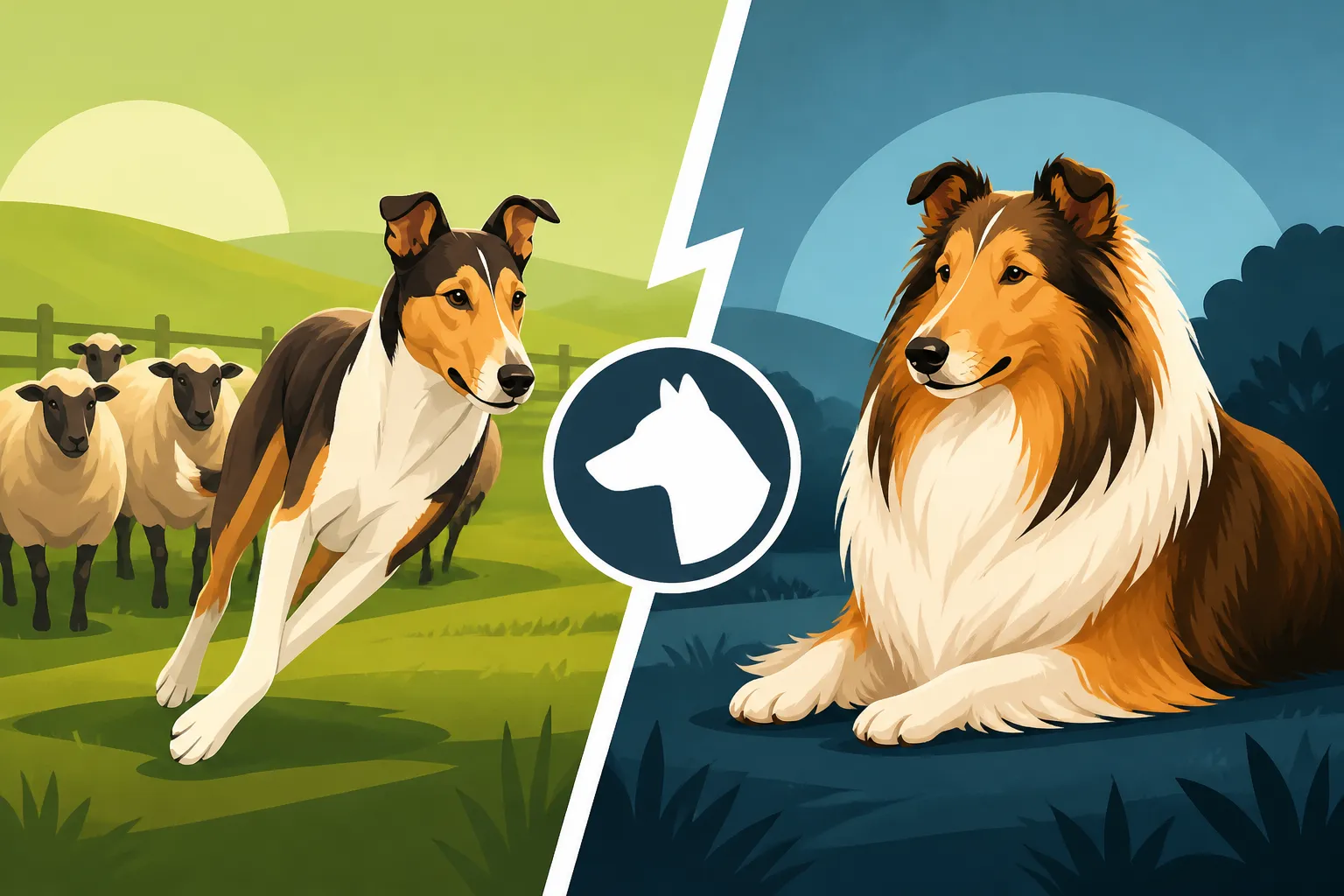
When it came to the demanding job of droving livestock across vast stretches of land, the Smooth Collie emerged as the practical hero. Their sleek, short coats weren't just a matter of aesthetics; they offered tangible advantages that made them exceptionally well-suited for the relentless activity and varied conditions of the open road.
Less Maintenance on the Move
Picture a drover on a multi-day journey, moving hundreds of sheep or cattle across moorland, through forests, and along muddy tracks. The last thing they needed was a dog whose coat became a tangled, burr-laden, mud-caked mess after just a few hours. This is where the Smooth Collie truly shined. Their short, dense coats were far less prone to picking up the detritus of the landscape – think burrs, thorns, and sticky seeds that cling stubbornly to long hair.
Imagine the frustration of having to stop and detangle a heavily matted dog while an entire herd of livestock risked scattering. A smooth coat meant less time spent on crude field grooming and more time focused on the job at hand. When the weather turned wet, their coats dried much faster, preventing the chilling effect of a perpetually damp, heavy, long coat. While modern owners might pop over to Chewy for a detangling spray or a slicker brush, historical drovers had no such luxury, making the naturally low-maintenance smooth coat an invaluable asset for sustained, active work. This efficiency wasn't just a convenience; it was a necessity for survival and productivity.
Aerodynamics and Heat Regulation
Beyond avoiding tangles, the smooth coat offered distinct physical advantages for a dog constantly on the move. When driving livestock, especially over long distances, dogs often had to run, sprint, and dart back and forth, sometimes for hours on end. A shorter coat meant less wind resistance, allowing for more efficient movement and conserving precious energy. Think of it like an athlete wearing streamlined gear versus heavy, cumbersome clothing – every little bit helps when endurance is key.
Furthermore, these strenuous activities generate a significant amount of body heat. While a thick coat provides excellent insulation in cold weather, it can become a serious liability when a dog is working hard in milder or even warm conditions. The Smooth Collie’s shorter coat allowed for much more effective heat dissipation, reducing the risk of overheating. This was crucial for a working dog whose ability to perform could directly impact a farmer's livelihood. They could maintain their pace and focus without the additional burden of struggling against their own body heat, making them ideal for the high-energy, high-endurance demands of droving.
The Benefits of the Rough Coat for Staying with the Flock
While the Smooth Collie was perfectly adapted for the demands of droving, the Rough Collie's magnificent, flowing coat wasn't merely for show; it was a crucial asset for a different, equally vital role on the Scottish farms: staying with and protecting the flock. This distinction in their working purpose highlights how nature's design, guided by human need, shaped their physical attributes.
Protection Against Elements and Predators
The Rough Collie's double coat is truly a marvel of natural engineering. It consists of a soft, dense undercoat that provides incredible insulation, and a long, harsh outer coat that is water-resistant and protective. For a dog whose primary job was to remain with the sheep, often in exposed hill country, this coat was an absolute necessity. It offered unparalleled protection against the brutal Scottish weather – biting winds, torrential rain, and heavy snow were simply part of the daily grind. Imagine a dog trying to huddle with a flock for warmth with a sparse coat; it simply wouldn't have survived the elements.
Beyond just weather protection, that thick coat offered a physical barrier against more immediate threats. A fox or other smaller predator might find it harder to get a good grip through such a dense mane. It also helped protect against scrapes and minor injuries from brambles and rocks when moving through rough terrain, acting like a natural suit of armor. In essence, the Rough Collie’s coat wasn't just about keeping warm; it was about enduring the harsh realities of constant outdoor vigilance. When you’re spending all your time outdoors, perhaps even finding your dog's favorite bedding on Chewy, that coat still offers that protective layer.
Intimidation and Presence
There’s no denying the visual impact of a Rough Collie in full coat. Their generous frill around the neck, their full feathery britches, and their abundant tail plume make them appear larger and more formidable than they actually are. For a dog tasked with staying with and guarding a flock, this imposing presence was a significant advantage. It created a psychological deterrent against potential threats, both animal and human.
A lone shepherd might have relied on the sheer visual spectacle of a large, shaggy dog standing sentinel to dissuade opportunists or even larger predators. While not a fierce guard dog in the traditional sense, the Rough Collie's appearance projected an air of confidence and capability, suggesting a formidable opponent to anyone considering disturbing the flock. Their presence alone, made more striking by their impressive coat, added an extra layer of security, allowing the sheep to graze with less anxiety and the shepherd to rest a little easier, knowing their charge was well-attended.
The Divergence in Breeding and Purpose
The distinction between the Smooth and Rough Collies wasn't a sudden, deliberate choice made by a single breeder on a Tuesday morning. Instead, it was a gradual, organic process driven by the very real and immediate needs of the farmers and shepherds in Scotland. Over generations, these practical considerations subtly guided the breeding choices, leading to the two distinct varieties we know today.
Selection for Specific Traits
In the days before formalized breed registries and genetic testing, "breeding" was often a much more informal affair, driven by utility. A farmer would breed dogs that performed their jobs best, whatever that job might be. If a particular dog excelled at driving livestock over long distances without getting tangled in burrs or overheating, that dog would be prized and its offspring favored. Naturally, these dogs would tend to have shorter, more practical coats. Conversely, if a dog was outstanding at guarding the flock in harsh weather, its thick, insulating coat and watchful temperament would be highly valued for staying with the sheep.
This wasn't about choosing a coat type for beauty; it was about choosing functionality. Dogs that naturally possessed the physical characteristics and temperament best suited to their specific tasks were the ones that continued the lineage. It was a clear example of natural and artificial selection working hand-in-hand, with humans inadvertently shaping the breed by rewarding traits that made their working lives easier and more productive. You could say that even without sophisticated tools or fancy breed standards, these early breeders were curating the perfect working partners, perhaps even considering what type of feed, available on stores like Chewy, would best fuel their specific working dogs.
The Influence of the Show Ring and Breed Standards
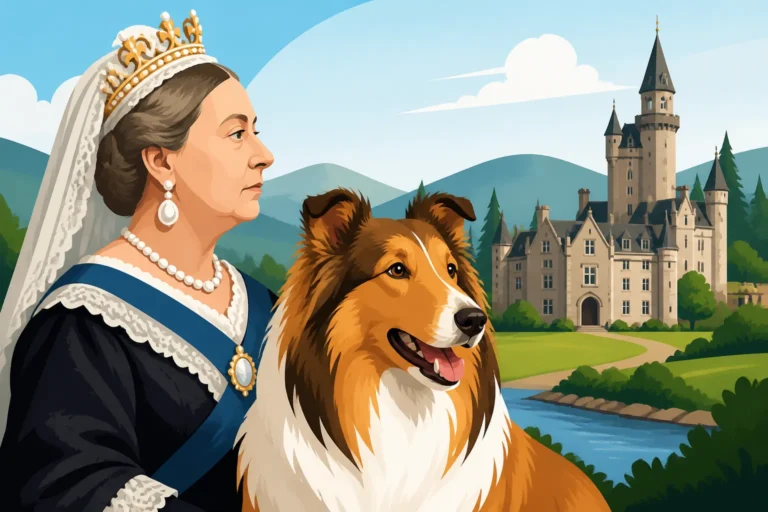
While both Rough and Smooth Collies continued their working lives, a significant shift occurred with the rising popularity of the Collie in the Victorian era. Queen Victoria Made the Collie Fashionable in the 1860s, and with royal approval, the breed moved from the fields into the drawing rooms and, crucially, into the burgeoning dog show rings. This is where the paths of the Rough and Smooth Collies truly diverged in terms of public perception and breeding focus.
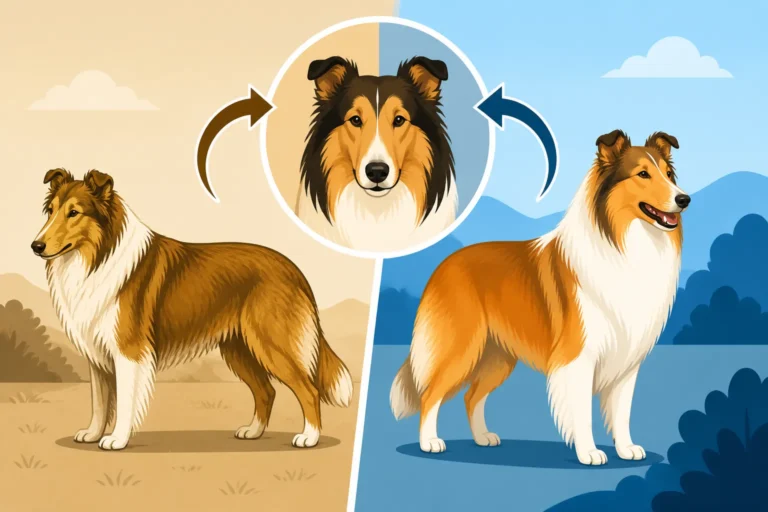
The dramatic, flowing coat of the Rough Collie quickly captured the imagination of the public and the judges. Its majestic appearance became the breed's signature look, embodying elegance and grace. Breeders began to select for ever-longer, more abundant coats, and the show standard emphasized these aesthetic qualities. This focus on glamour and appearance meant that for many, the Rough Collie became primarily a companion and show dog, its working origins often taking a backseat. Meanwhile, the Smooth Collie, though equally intelligent and capable, remained largely the working dog, less celebrated in the show ring due to its "plainer" appearance. This shift in purpose and emphasis explains why the Rough Collie became the iconic image of the breed globally, cementing its association with a more settled, companionable role, even if its ancestors had once been hardy herders. It's a fascinating evolution from The Collie Was a Scottish Droving Dog Before It Was a Show Dog to the celebrated show ring star. Both Rough and Smooth Are Two Varieties of One Collie, but their journeys into public consciousness were distinctly different.
Modern Day Realities: Are the Roles Still Different?
In today's world, the vast majority of Collies, whether Rough or Smooth, live as cherished family companions rather than working farm dogs. The traditional roles of droving and flock guarding are largely things of the past for most of the breed. However, the inherent traits that made them so successful in those historical roles haven't vanished. They merely manifest in different ways, influencing their suitability for modern activities and their daily lives as pets.
The Enduring Versatility of Both Coat Types
It's a common misconception that because Rough Collies were associated with staying with the flock, they are less active or intelligent than their smooth-coated cousins. Nothing could be further from the truth. Both Rough and Smooth Collies are incredibly versatile dogs, possessing keen intelligence and a strong desire to work alongside their human companions. While a Collie might be the rare herding dog that doesn't strictly need a job in the traditional sense, they certainly thrive on mental stimulation and activity. A Collie Is the Rare Herding Dog That Does Not Need a Job is true in that they aren't restless like some other herding breeds, but they are happiest when their minds are engaged.
You’ll find both Smooth and Rough Collies excelling in a wide array of modern dog sports and activities, from obedience and rally to agility, tracking, and even therapy work. Their biddable nature and intelligence make them quick learners, and their natural athleticism allows them to perform well in demanding physical challenges. Many still show a strong aptitude for herding, demonstrating that the ancient instincts remain, ready to be tapped into. Herding, Rally and the Sports a Collie Was Made For are still beloved activities for many Collie owners, proving that the drive and intelligence remain, regardless of coat length. When considering a Collie, whether Rough or Smooth, you're getting a smart, capable, and adaptable companion ready for almost any adventure you throw their way.
Grooming Considerations for Today's Owner
For the contemporary Collie owner, the primary difference between the Rough and Smooth varieties boils down to grooming commitment. While their temperaments, intelligence, and overall needs as companions are very similar, the maintenance of their coats requires different levels of dedication. There's no escaping the fact that A Collie's Coat Is the Bill That Arrives Every Eight Weeks if you opt for professional grooming, or demands significant time if you do it yourself.
A Rough Collie’s majestic double coat, while beautiful, requires regular and thorough brushing to prevent mats and tangles, especially behind the ears, in the "frill" around the neck, and on the "petticoat" and feathering of the legs. Daily or every-other-day brushing is often recommended, particularly during shedding seasons. You'll need specific tools, and a routine that can take 20-30 minutes per session to keep them looking pristine. Four Tools and Twenty Minutes: Brushing a Rough Collie is not an exaggeration. For the Smooth Collie, however, grooming is considerably less demanding. A quick weekly brush-over is usually sufficient to remove loose hair and keep their coat healthy, making The Smooth Collie Is the Same Dog With Less Work a very accurate statement. This difference in grooming needs is often a significant factor for prospective owners choosing between the two varieties, as it directly impacts the time commitment and potential cost involved. While both coats are beautiful, they demand different levels of attention from their human companions, and a good pet supply store, like Chewy, will have all the brushes and combs you need for either coat type.
Ultimately, whether you choose a Rough or a Smooth Collie, you're bringing home a loyal, intelligent, and affectionate dog whose ancestors were essential partners in the demanding world of Scottish agriculture. Their coats, initially shaped by the pragmatic needs of droving versus flock guardianship, now offer a delightful choice for modern families, each with its own charm and care requirements. The historical roles may have faded, but the spirit of the working Collie endures in both magnificent varieties.
Disclaimer
This article is for general informational purposes only and does not constitute professional advice. Laws, prices and regulations vary by location and change over time. Consult a qualified professional for guidance on your specific situation.