The Year Queen Victoria Bought Balmoral
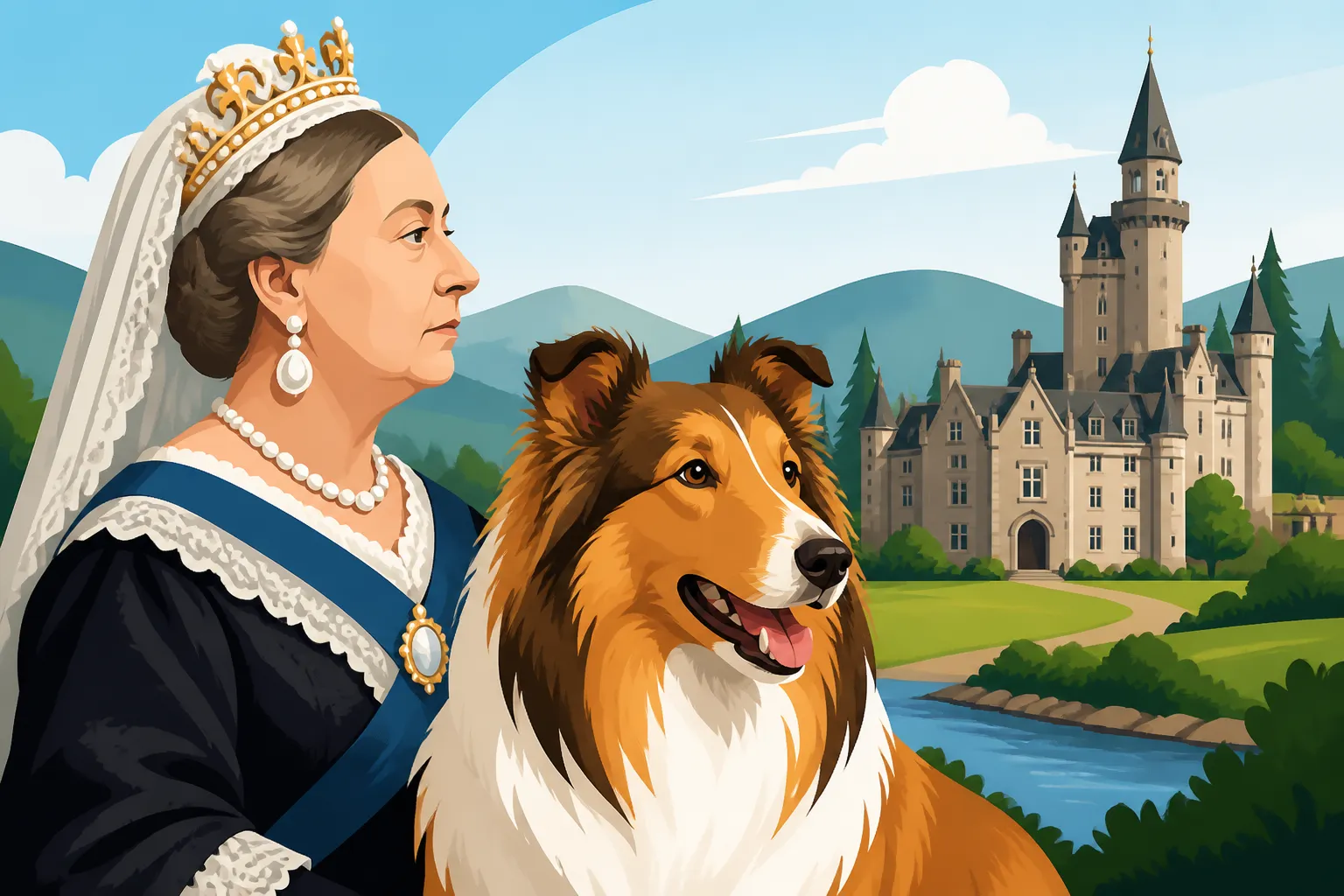
It’s easy to look at the elegant, noble Collie of today and imagine they’ve always been a celebrated companion, perhaps even gracing the halls of royalty. But the truth is, this breed’s journey to widespread recognition and fashionable status has a surprisingly specific starting point, deeply intertwined with Queen Victoria and a crucial year in her life: 1852, the year she bought Balmoral Castle. This single act of royal patronage would irrevocably alter the destiny of the humble Scottish droving dog.
A Royal Retreat: The Acquisition of Balmoral in 1852
The year 1852 might seem like just another date in a history book, but for the Collie, it was the dawn of a new era. Queen Victoria and Prince Albert were utterly captivated by the wild, rugged beauty of the Scottish Highlands. They had first leased Balmoral Estate in 1848, finding immense solace and privacy amidst its remote grandeur, a stark contrast to the stifling formality of Buckingham Palace and Windsor. Their initial lease was a trial, a toe dipped into the refreshing, untamed waters of the North.
Victoria's Love for Scotland and the Estate
The sheer escapism that Balmoral offered Queen Victoria and Prince Albert was unlike anything they experienced elsewhere. It wasn't just a country residence; it was a sanctuary where they could truly be themselves, away from the prying eyes of court and public expectation. They relished the opportunity to walk freely, sketch the breathtaking landscapes, and engage in outdoor pursuits like deer stalking and fishing. This immersion in Scottish culture and nature forged a deep, personal connection for the monarch, a bond that influenced many aspects of her life, including her growing appreciation for the local inhabitants and their faithful working animals. The Year Queen Victoria Bought Balmoral represents a turning point, solidifying their commitment to this cherished retreat.
The original Balmoral Castle was simply not grand enough for a queen, yet its very modesty was part of its charm. However, after several blissful stays, the Queen and her beloved Prince Consort decided to make it their permanent Highland home. In 1852, they purchased the entire estate outright from the Earl of Fife. This monumental decision wasn't just about owning property; it was about claiming a piece of Scotland as their own, a place where their children could grow up with a sense of freedom and wildness. They eventually built a larger, more suitable castle, but the original purchase cemented their presence and future in the region, bringing them into even closer contact with the everyday life of the Scottish people and, by extension, their dogs.
The Collie's Role in the Scottish Landscape
Before the royal family set foot on the estate, the Collie was far from a household name. These were dogs bred for function, pure and simple, performing an indispensable role on the vast, unforgiving Scottish moors. They were the unsung heroes of the pastoral landscape, their intelligence, stamina, and loyalty vital for managing flocks of sheep in challenging conditions. Shepherds relied on them implicitly, often valuing their dogs above many material possessions, as their livelihood depended on their canine partners' ability to herd, guard, and retrieve. The Collie Was a Scottish Droving Dog Before It Was a Show Dog – this statement perfectly encapsulates their original, utilitarian existence.
These early Collies were rugged, hardy animals, their thick, weatherproof coats designed to withstand the biting winds and driving rain of the Highlands. Their famous "bark" wasn't for nuisance, but for communication, guiding sheep and alerting shepherds to danger. They were agile, able to navigate steep, rocky terrain with ease, and possessed an innate understanding of livestock behavior. Their appearance varied, as breeding focused entirely on working ability rather than conforming to a strict aesthetic standard. A long, refined head or perfectly tipped ears were secondary to a dog that could bring in a stubborn flock or find a lost lamb in a blizzard. They were tools, magnificent living tools, integral to the very fabric of Scottish rural life, yet largely unknown beyond their immediate working circles.
Royal Endorsement: How Balmoral Changed the Collie's Destiny
The purchase of Balmoral marked a turning point, not only for the royal family's personal life but for several aspects of Scottish culture that suddenly found themselves in the royal spotlight. Among these beneficiaries was the Collie, whose fate was about to be irrevocably altered by a monarch's discerning eye.
Encountering the "Rough-Coated" Shepherds
During her extended stays at Balmoral, Queen Victoria, known for her keen interest in animals and her sharp observational skills, inevitably encountered these remarkable working dogs. Shepherds and estate workers would have been going about their daily tasks, often accompanied by their faithful Collies, performing their duties with quiet efficiency. It wasn't a curated show or a formal introduction; it was the Queen witnessing firsthand the intelligence, agility, and devotion of these "rough-coated" shepherds. Imagine her on a walk, perhaps with Prince Albert, observing a Collie expertly moving a flock across a distant hill, or waiting patiently by its master's side. When Queen Victoria First Saw a Collie, it wasn't just a fleeting glance; it was an appreciation for their intrinsic qualities.
The dogs she saw would have been quite different from the pampered lapdogs or specialized hunting breeds common in English aristocratic kennels. These Collies were lean, muscular, and alert, their every movement purposeful. Their coats, while beautiful, were clearly functional – a defense against the elements. Their eyes, often described as expressive and intelligent, would have captivated the Queen. Her interest in them was genuine, stemming from an admiration for their working prowess and loyal disposition. This genuine interest sparked a chain of events that would elevate the breed beyond its humble origins.
From Farm to Palace: The Collie's New Status Symbol
It wasn't long after her repeated visits to Balmoral that Queen Victoria decided to acquire some Collies for her own royal kennels. The moment these working dogs stepped into the hallowed grounds of a royal residence, their status underwent a profound transformation. They were no longer merely the indispensable tools of a shepherd; they were now companions to the most powerful woman in the world, a living testament to royal taste and discernment. This was the ultimate endorsement, a royal seal of approval that launched the Collie into the annals of fashionable society.
The ripple effect was immediate and far-reaching. What the Queen admired, her court quickly sought to emulate. Aristocratic families, eager to follow royal trends, began acquiring Collies. Soon, the burgeoning middle class, aspiring to gentility, also desired these intelligent and striking dogs. What Royal Approval Did to Collie Demand soared, creating an unprecedented interest in the breed. This sudden demand shifted the focus of breeding from purely working ability to also include aesthetic appeal, laying the groundwork for the modern show Collie. The rough-coated shepherd dog was no longer just a functional animal; it was a symbol of elegance, intelligence, and royal connection, all thanks to a queen's fascination with her Scottish estate. Queen Victoria Made the Collie Fashionable in the 1860s, a trend that had its roots firmly planted in that pivotal year of 1852.
The Legacy of Balmoral and the Modern Collie
The influence of Queen Victoria's patronage, sparked by her purchase of Balmoral, extended far beyond her lifetime. It set in motion changes that shaped the Collie into the breed we know and love today, leaving an indelible mark on its development and perception.
The Birth of the Show Collie and Breed Standard
With the surge in demand for Collies, fueled by their newfound royal popularity, breeders began to focus intently on physical characteristics. The once-varied appearance of the working Collie began to standardize, with an emphasis on specific traits that would become the hallmarks of the show ring. The long, elegant head, the perfectly placed ears, and the flowing mane all became highly prized. Breed clubs were established, and detailed standards were drawn up, defining the "ideal" Collie. This was the birth of the modern show Collie, a dog whose primary purpose was increasingly aesthetic rather than purely functional. Whether the Victorian Show Ring Changed the Collie's Head is a question that directly addresses how selective breeding for appearance began to alter the breed's physical characteristics.
This era was a fascinating period of development, but not without its controversies. While the pursuit of a standardized, beautiful dog was understandable, some worried about the potential impact on the breed's original working capabilities and overall health. Yet, the momentum was undeniable. Collies began appearing at dog shows, competing for ribbons and accolades, further cementing their status as a breed of distinction. Whether the Collie Was Shown at the First Dog Shows highlights this transition from the fields to the show ring, a direct consequence of their elevated status thanks to royal attention. This foundational period established the blueprint for the Collie we see gracing show rings and family homes around the world, a direct descendant of those Balmoral shepherds.
Enduring Popularity and Modern Challenges
The initial boost from royal patronage meant the Collie enjoyed decades of immense popularity, reaching its zenith in the mid-20th century, largely propelled by the enduring legend of Lassie. This iconic literary and cinematic figure further solidified the Collie's image as the ultimate family dog – intelligent, loyal, and heroic. However, such widespread popularity, while seemingly beneficial, often brings its own set of challenges. Rapid breeding to meet demand sometimes led to less careful selection, potentially impacting the breed's overall health and temperament. This is why discussions about Whether the Lassie Boom Hurt Collie Health are so important, reminding us that popularity can be a double-edged sword.
Even as other breeds rise and fall in public favor, the core image of the Collie as a noble, intelligent, and fiercely loyal companion persists. It's a perception deeply rooted in that transformative period when Queen Victoria first took notice of the Scottish working dog at Balmoral. Today, modern Collie owners benefit from decades of dedicated breeders working to maintain both the beauty and the health of the breed, carefully navigating the balance between conformation and genetic wellness. Although Why the Collie Fell Out of the Top Fifty in popularity rankings, their charm and character continue to capture hearts, forever linked to that pivotal moment in royal history.
Here's a quick look at how Queen Victoria's key dates intertwined with the Collie's rise:
| Year | Event Related to Queen Victoria | Significance for the Collie |
|---|---|---|
| 1840 | Marriage to Prince Albert | Deepened love for nature & privacy, leading to Balmoral interest |
| 1848 | First lease of Balmoral Castle | Initial exposure to Scottish landscape and its working dogs |
| 1852 | Purchase of Balmoral Estate | Pivotal: solidified royal presence, leading to direct Collie interaction |
| Early 1860s | Royal family acquires Collies for kennels | Initiated the breed's fashionable status |
| 1860s onwards | Collie popularity grows amongst aristocracy | Led to demand, focused breeding, and eventual show standards |
Disclaimer
This article is for general informational purposes only and does not constitute professional advice. Laws, prices and regulations vary by location and change over time. Consult a qualified professional for guidance on your specific situation.