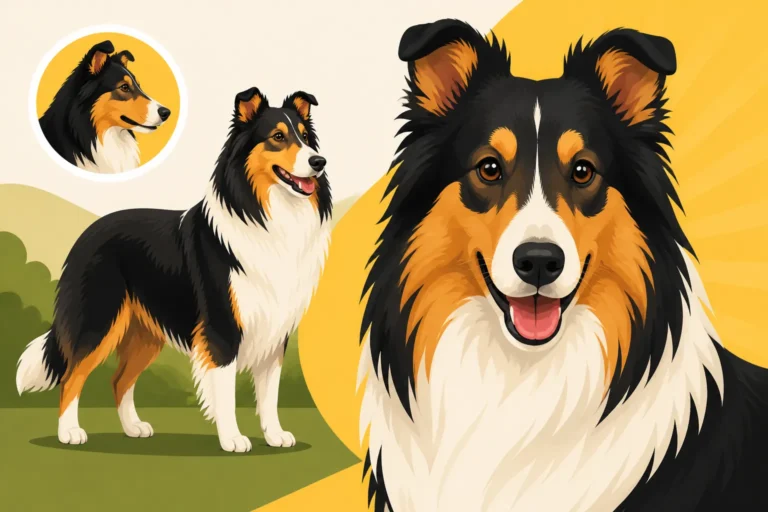
Whether a Collie Suits a First Time Owner
Bringing a gorgeous Collie into your home is a dream for many, often fueled by images of loyal, intelligent dogs. However, the reality of living with any breed, especially one as unique as the Collie, can be very different from the storybooks. If you're considering a Collie as your very first dog, you're likely wondering if you have what it takes to meet their specific needs. This guide will walk you through the key characteristics of Collies and help you honestly assess whether their wonderful quirks and requirements align with a first-time owner's lifestyle and expectations.
Understanding the Collie Temperament: More Than Just Lassie
The image of "Lassie" is deeply ingrained in our perception of Collies: brave, endlessly devoted, and always ready to save the day. While Collies certainly embody loyalty and intelligence, their temperament is far more nuanced and can present unique challenges and rewards for a first-time owner. They are not merely fluffy, walking heroes; they are sensitive, thinking individuals.
Sensitivity and Bonding
Collies are, at their core, incredibly sensitive dogs. They form deep, almost spiritual bonds with their families, often choosing one person as their primary confidante but extending their affection to everyone in the household. This intense connection means they thrive on companionship and routine. They are not dogs that do well being left alone for long stretches in a backyard or isolated from family life. They want to be where you are, often following you from room to room, just to be in your presence. This isn't clinginess in an unhealthy way, but a quiet desire to be part of the pack's activity.
For a first-time owner, this sensitivity is a double-edged sword. On one hand, you get an incredibly devoted companion who will melt your heart with their gentle gaze and subtle communication. On the other hand, this means they don't do well with harsh training methods or an inconsistent environment. A raised voice can be enough to make a Collie retreat, and they remember perceived injustices keenly. If you're used to the idea of a dog that responds to stern commands, a Collie will likely disappoint you and may even develop behavioral issues out of anxiety or confusion. They need a gentle hand, a consistent routine, and a home where they feel safe and understood. Harsh Handling Breaks a Collie and It Does Not Come Back for more on this critical aspect of their training. A first-time owner must be prepared to adjust their expectations of dog ownership to meet the Collie's need for a supportive, positive environment.
Reserved with Strangers
Another common misconception for first-time owners is the expectation that a Collie will be universally friendly, greeting every new person with a wagging tail and boundless enthusiasm. While some Collies are indeed outgoing, many are actually quite reserved, even aloof, with strangers. This isn't aggression or fear in the typical sense; it's a calm, observational nature. They will often take their time to assess new people and situations, preferring to keep a polite distance until they feel comfortable. They might lean into their owner for reassurance, or simply watch from afar.
This reserved nature can be surprising, and sometimes even a bit frustrating, for a first-time owner who envisions a dog that's the life of every party. It requires an owner who understands and respects their dog's boundaries, rather than forcing interactions. Proper, early socialization is absolutely crucial to help a Collie develop confidence in novel situations and with new people, preventing shyness from escalating into genuine fear. This means exposing your Collie puppy to a wide variety of sights, sounds, people, and other friendly, vaccinated dogs in a positive and controlled manner. However, even with the best socialization, you might still have a Collie who prefers the company of their family to that of strangers. Learning to read your Collie's body language and advocating for their comfort in social settings is an important skill for any owner, and especially for a first-timer. How a Collie Greets a Stranger delves deeper into understanding their social behavior.
The Realities of the Collie Coat: It's a Commitment
The magnificent coat of the Rough Collie is undoubtedly one of its most striking features. Flowing, luxurious, and abundant, it's what often draws people to the breed. However, what looks like a fairytale mane on a show dog or in a movie can quickly become a matted nightmare without diligent care. For a first-time owner, the grooming demands of a Rough Collie can be a significant undertaking, and one that is often underestimated.
Rough Collie Grooming Demands
Let's be blunt: a Rough Collie's coat is not wash-and-wear. It is a commitment, a true labor of love that requires consistent, thorough grooming to prevent mats, maintain skin health, and keep your home from being completely buried in undercoat. Imagine a dog with a thick, double coat, featuring long guard hairs over a dense, soft undercoat, especially around the mane, frill, and "petticoats" on the hind legs. This construction is designed to protect them from the elements, but it also means it's a prime candidate for tangles and mats if neglected.
Regular brushing, ideally several times a week, is non-negotiable. You'll need an arsenal of specific tools: a good quality pin brush, a slicker brush, a wide-toothed comb, and a shedding rake. Learning how to "line brush," where you systematically brush section by section down to the skin, is essential. Simply skimming the topcoat will leave mats forming underneath, especially in areas like behind the ears, under the armpits, and in the feathering on the legs. Mats aren't just unsightly; they can pull on the skin, cause pain, and lead to skin infections or hot spots. First-time owners often find themselves overwhelmed by the sheer volume of hair and the skill required to keep it pristine. It's a learned skill, certainly, but one that requires dedication. You'll also need detangling sprays and conditioners, which you can easily find at pet supply retailers like Chewy, to help work through any knots. Expect to spend a minimum of 20-30 minutes per session, and significantly more during seasonal coat blows. Four Tools and Twenty Minutes: Brushing a Rough Collie provides a great starting point for understanding these demands.
Smooth Collie: Less Coat, Still a Collie
For many first-time owners who love the Collie temperament but are daunted by the grooming of a Rough, the Smooth Collie is an absolute hidden gem. They possess all the intelligence, sensitivity, and loyalty of their Rough-coated cousins, but with a short, dense, easy-care coat. This variety is often overlooked by the public, but it offers a fantastic alternative for those who desire the Collie personality without the extensive grooming schedule.
While the Smooth Collie doesn't require the same intense brushing regimen as the Rough, it's not entirely maintenance-free. They still have a dense double coat and they do shed, especially during seasonal coat blows. However, their shorter hair means mats are rarely an issue, and a weekly brush with a rubber curry comb or a desheding tool is usually sufficient to keep their coat healthy and minimize loose hair in your home. This makes them significantly less demanding in terms of grooming time and effort, freeing up more time for training, play, and cuddles. For a first-time owner, a Smooth Collie can provide an excellent introduction to the breed without the overwhelming coat care, allowing you to focus more on their temperament and training. They truly are The Smooth Collie Is the Same Dog With Less Work, and well worth considering.
Exercise and Mental Stimulation: Brains and Brawn
Collies are known for their intelligence and their history as herding dogs. This background means they are not content to simply lounge on the couch all day, nor are they typically dogs that need to run marathons. Their exercise needs are a blend of physical activity and, critically, mental engagement. A first-time owner needs to understand this balance to keep a Collie happy and well-adjusted.
Balanced Exercise Needs
While a Collie certainly enjoys a good run or a vigorous play session, their physical exercise requirements are often more moderate than many other high-energy herding breeds. An average adult Collie typically needs about 45 to 60 minutes of focused exercise per day, split into a couple of sessions. This could be a brisk walk around the neighborhood, a game of fetch in a securely fenced yard, or a supervised off-leash exploration in a safe area. However, it's not just about getting their body moving; it's about engaging their mind as well. A simple walk, while good for their legs, might not be enough to satisfy their intelligent brains.
For a first-time owner, this means thinking beyond just "walking the dog." Incorporate sniff walks where they can explore scents, vary your routes, and play interactive games that require them to think. Training sessions, even short ones, count as mental exercise and can be incredibly tiring for a Collie. Neglecting their mental needs can lead to boredom, which can manifest in unwanted behaviors like excessive barking or destructive chewing. The saying Forty Five Minutes a Day, and Half of It in Its Head rings true for Collies; they need their minds stimulated just as much as their bodies. They thrive when they have a "job" to do, even if that job is just learning new tricks or solving a puzzle toy.
Herding Instinct and Problem Solving
Despite being bred for centuries to gather and move livestock, modern Collies are not typically high-drive working dogs like some of their herding cousins. However, the instinct is still there, albeit often in a more refined or subtle form. This herding drive can manifest in various ways that a first-time owner might find surprising or challenging if not understood. For instance, some Collies might try to "herd" children, other pets, or even adults by circling them, nudging them, or occasionally nipping at heels, especially if they are running. This isn't aggression; it's their ingrained desire to keep the "flock" together.
Understanding and redirecting this instinct is crucial for a harmonious household. Instead of punishing them for instinctual behaviors, a first-time owner should seek positive outlets. Engaging in dog sports like Rally, Obedience, or even Herding Instinct Tests can be incredibly rewarding for a Collie and their owner, providing a constructive channel for their natural drives. Puzzle toys (readily available on sites like Chewy), interactive games, and trick training can also fulfill their desire to problem-solve and use their intelligence. Teaching clear boundaries and providing consistent guidance will help them understand what is and isn't appropriate in a family setting. Recognizing Why a Collie Herds Your Children is the first step toward managing it effectively and safely.
Training and Socialization: A Sensitive Student
Bringing home your first dog means embarking on a training journey, and with a Collie, that journey is best navigated with a gentle hand and a positive approach. Their inherent sensitivity means they are not suited for harsh or confrontational training methods. Understanding how a Collie learns and responds is paramount for a first-time owner to build a strong, trusting relationship.
Positive Reinforcement is Key
Collies are incredibly intelligent and eager to please, which makes them highly trainable. However, they are also deeply sensitive. This means they respond best, and often exclusively, to positive reinforcement techniques. Think treats, praise, toys, and gentle encouragement. Shouting, harsh corrections, or physical punishment can be detrimental to a Collie's psyche. It doesn't make them learn faster; it makes them shut down, become anxious, or even fearful. Once a Collie loses trust, it can be incredibly difficult to regain. They remember negative experiences keenly and can become withdrawn or resistant to training if they associate it with fear or discomfort.
For a first-time owner, this means committing to a training philosophy centered around rewards and patience. You'll need to learn to communicate clearly and kindly, using methods that build confidence rather than erode it. Basic obedience classes, which often focus on positive reinforcement, are an excellent investment. They not only teach your Collie manners but also teach you how to be an effective and compassionate trainer. Experiment with different types of rewards – some Collies are highly food motivated, others prefer toys or enthusiastic praise. Understanding What Motivates a Collie will be your secret weapon in successful training, ensuring they see learning as a fun and rewarding activity.
The Barking Tendency
One of the traits Collie owners often underestimate, and which can be a real surprise for first-time owners, is their propensity for barking. Collies were historically used as alarm dogs as much as herding dogs, tasked with alerting their shepherds to anything unusual. That innate watchdog tendency is alive and well in the modern Collie. They will often bark at visitors, other dogs passing by, squirrels in the yard, the mail carrier, or even just a leaf blowing across the porch.
This isn't necessarily a fault, but it can be a nuisance if not managed from puppyhood. For a first-time owner, the sheer volume or frequency of a Collie's bark can be overwhelming. It requires a patient and consistent approach to training. Teaching a "quiet" cue, understanding the triggers for their barking, and providing appropriate outlets for their alert nature are essential. Sometimes, simply acknowledging their alert with a "Thank you, I hear it" can be enough to curb excessive barking. Never punish them for barking, as this can confuse them and potentially increase anxiety. Instead, reward quiet moments and redirect their attention. Living with a vocal dog like a Collie requires understanding their nature and actively working on management strategies. Indeed, The Bark Is the Trait Collie Owners Underestimate, and being prepared for it is key to a happy home.
Health Considerations for a First-Time Collie Owner
While Collies are generally a robust breed, like all purebred dogs, they have certain genetic predispositions that a prospective first-time owner must be aware of. Understanding these potential health concerns and how to mitigate risks is a crucial part of responsible ownership. This knowledge empowers you to choose a healthy puppy from a reputable breeder and to provide the best care throughout your Collie's life.
MDR1 Sensitivity
Perhaps the most well-known and critical health concern for Collies is the Multi-Drug Resistance 1 (MDR1) gene mutation. This genetic defect affects how certain drugs are processed and eliminated from the body. For Collies with this mutation, common medications, including some anti-parasitics (like ivermectin found in some heartworm medications), anesthetics, and chemotherapy drugs, can cross the blood-brain barrier and cause severe, even fatal, neurological reactions.
For a first-time owner, this isn't just a minor detail; it's a life-or-death piece of information that must be communicated to every veterinarian, groomer, and pet sitter who cares for your Collie. Reputable breeders will always test their breeding stock for the MDR1 mutation and will be transparent about the results of the parents and the puppies. When you bring a Collie home, you should receive documentation of their MDR1 status. If your Collie is "affected" (has two copies of the gene) or a "carrier" (one copy), your vet will need to know which drugs to avoid or to administer at significantly reduced doses. This isn't something to guess about. A first-time owner should Assume Your Collie Has the MDR1 Mutation unless proven otherwise with a genetic test, and always carry a list of unsafe drugs. Learning The Drug List That Can Kill a Collie is vital for their safety.
Collie Eye Anomaly (CEA)
Collie Eye Anomaly, or CEA, is another inherited eye condition prevalent in the breed. It's a developmental defect of the choroid, a vascular layer of the eye, and can range in severity from very mild (Choroidal Hypoplasia, or CH) with little to no impact on vision, to more severe forms involving colobomas (holes in the optic disc) or retinal detachment, which can lead to blindness.
Responsible breeders understand the importance of screening for CEA. This is typically done by a board-certified veterinary ophthalmologist examining puppies between five and seven weeks of age, before the reflective tapetum develops, which can obscure mild lesions. While a mild case of CEA may never affect a Collie's vision, more severe forms can be devastating. As a first-time owner, it's important to discuss CEA with your breeder and to receive documentation of your puppy's eye exam results. Knowing the genetic status of your dog can help you understand potential risks and prepare for any necessary veterinary care. Collie Eye Anomaly Affects Most Collies, So Ask How Badly when speaking with a potential breeder.
General Health and Longevity
Beyond these specific genetic conditions, Collies are generally a healthy and long-lived breed, with an average lifespan of 10-14 years. However, like all dogs, they can be prone to other health issues common to medium-to-large breeds, such as hip and elbow dysplasia, bloat (Gastric Dilatation-Volvulus), and certain cancers. They can also experience conditions like epilepsy or thyroid disease.
For a first-time owner, this means committing to regular veterinary check-ups, maintaining a healthy diet and weight, and being observant for any changes in your Collie's behavior or physical condition. It also means budgeting for potential veterinary expenses, which can be significant for unexpected illnesses or emergencies. Pet insurance is something many Collie owners consider to help manage these costs. Understanding How Long a Collie Lives and What Ends It can help you prepare for the commitment of a senior Collie, who will require more specialized care in their later years. A good breeder will not only test for genetic conditions but will also provide health clearances for their breeding dogs, demonstrating a commitment to the overall health of the breed.
Is a Collie Right for Your First Dog? A Balanced View
Deciding if a Collie is the right choice for your first dog involves honestly evaluating your lifestyle, expectations, and willingness to commit to the specific needs of this unique breed. They are not for everyone, but for the right first-time owner, they can be the most wonderful, devoted companion imaginable.
Pros and Cons for First-Time Collie Owners
To help you visualize the commitment, here's a breakdown of common advantages and challenges for first-time Collie owners:
| Aspect | Pros for First-Time Owners | Cons for First-Time Owners |
|---|---|---|
| Temperament | Highly intelligent, loyal, devoted, gentle with family. | Can be sensitive to harsh methods, reserved with strangers. |
| Grooming (Rough) | Beautiful, impressive coat when well-maintained. | Extremely high maintenance, prone to mats, heavy shedding. |
| Grooming (Smooth) | Easy care, less shedding than Rough, same great temperament. | Still sheds, requires regular brushing. |
| Exercise | Adaptable, enjoys walks and mental games, not hyper-active. | Needs mental stimulation beyond physical exercise. |
| Training | Eager to please, highly trainable with positive methods. | Very sensitive, easily shut down by harsh corrections. |
| Vocalization | Excellent watchdogs, alert to strangers. | Prone to excessive barking if not managed. |
| Health | Generally healthy breed, good longevity. | MDR1 drug sensitivity is critical, CEA is common. |
| Companionship | Forms deep bonds, wants to be part of family activities. | Can develop separation anxiety if left alone too much. |
The Commitment Required
Ultimately, a Collie can absolutely be a fantastic choice for a first-time owner, provided that owner is prepared for what the breed truly entails. It means choosing a reputable breeder who prioritizes health and temperament, understanding and committing to their grooming needs (especially for Roughs), embracing positive reinforcement training, and being ready for a vocal companion who thrives on deep connection. It's about being patient, consistent, and willing to learn alongside your new best friend.
A Collie will give you back tenfold the love and effort you put in. They are intelligent, empathetic, and truly want to be part of your life. If you are seeking a loyal shadow, a gentle soul, and are prepared to invest the time and energy into their care and training, then the journey with a Collie can be one of the most rewarding experiences of your life. They may not be the easiest "starter dog" for someone looking for a low-maintenance pet, but for someone ready to dedicate themselves to a sensitive and intelligent companion, a Collie can be the perfect fit. Make sure you do your homework, connect with experienced Collie owners, and be honest with yourself about the commitment involved. Consider also The First Year With a Collie Puppy to understand what lies ahead.
Disclaimer
This article is for general informational purposes only and does not constitute professional advice. Laws, prices and regulations vary by location and change over time. Consult a qualified professional for guidance on your specific situation.