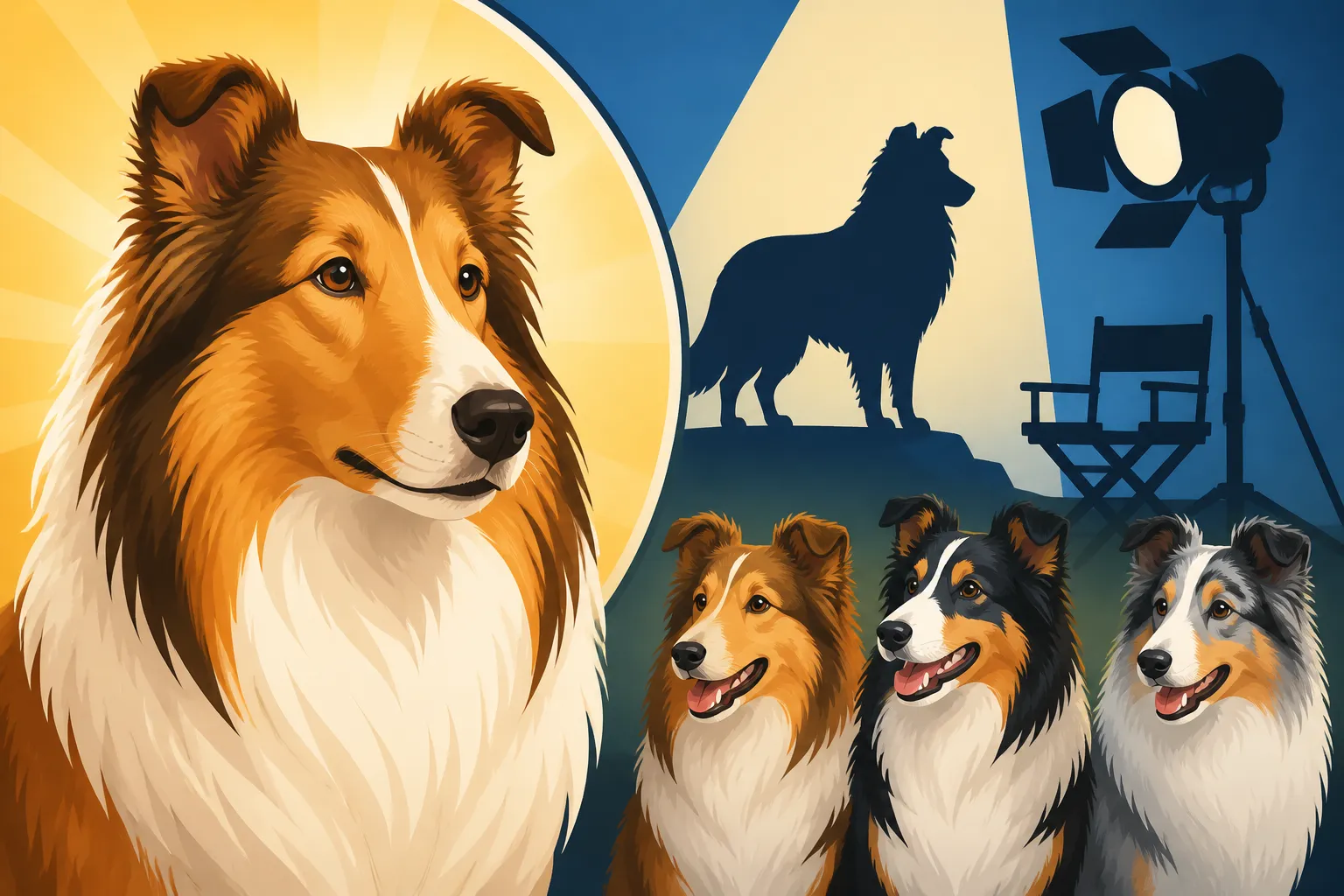
Whether Lassie’s Descendants Still Work in Film
If you picture a familiar sable-and-white Collie stepping into Lassie’s role, it is natural to wonder whether the dog’s own family carried on in films. Pal’s descendants played Lassie for years on television, but that does not mean the same documented bloodline still fills screen roles today. Here’s what is known about the original dogs, their successors, and the difference between a Collie cast as Lassie and a proven descendant of Pal.
What “Lassie’s descendants” means
Pal was the original screen Lassie
The best-known Lassie began with Pal, a male Rough Collie trained by Rudd Weatherwax. Pal played the title role in Lassie Come Home, released in 1943, and helped establish the look and personality audiences came to expect from the character. For background on Pal’s early screen career, see Which Dog Played Lassie in 1943 and How Many Films the Collie Pal Appeared In.
When people say that a dog was “Lassie,” they may mean the fictional character rather than one specific animal. A production can use more than one dog for different scenes: one might be especially comfortable running outdoors, another might take direction well, and a trained double might handle a particular action. The name on screen can stay the same while the dog behind it changes.
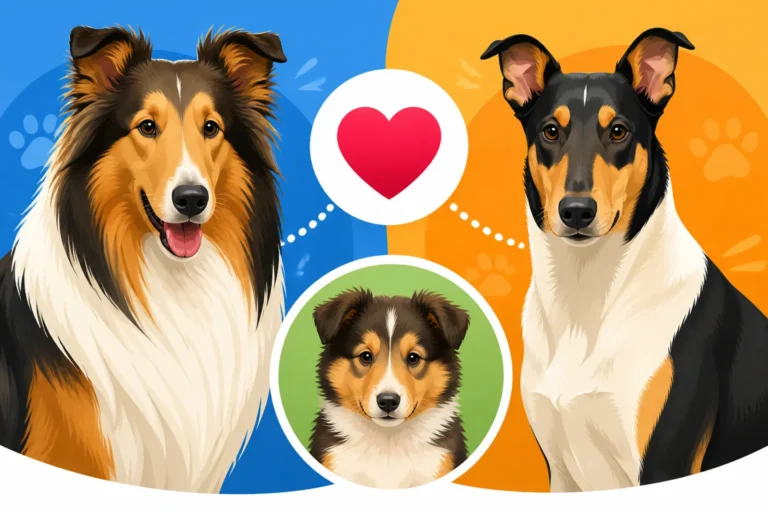
“Pal’s descendants” is more specific. It means dogs from Pal’s family line, not simply any Collie that resembles him or plays Lassie. That distinction matters because an actor dog can inherit the character’s familiar coat and expression without being related to the original performer.
Several dogs continued the role on television
After Pal’s film work, dogs from his line continued to portray Lassie on the long-running television series. Among the Collies associated with the role were Lassie Jr., Spook, Baby, and Hey Hey. The succession gave the show continuity: viewers saw the same beloved character, while the production could pass the work to younger dogs as the earlier performers aged.
That is a real screen legacy, not just a story added later to the franchise. Pal’s descendants were used as Lassie during the television era, and the family connection helped make the character feel like a continuing presence. But it is important not to stretch that history into a claim that every Collie who has played Lassie since then must also be Pal’s descendant. Whether Every Later Lassie Descended From Pal explores that distinction.
Did Pal’s descendants keep working in film?
The clearest lineage story belongs to the earlier productions
The strongest, easiest-to-describe connection between Pal and later Lassie performers is from the original run of the television series. That show ran for many years, creating a period when dogs from Pal’s line were closely associated with the character. The change from one dog to another did not necessarily mean the end of the family’s screen involvement; it could mean the next dog in the line was ready for the role.
However, a family’s past screen credits do not prove that its descendants are still being cast today. For a modern Collie to be described as Pal’s descendant, there would need to be a traceable pedigree or a reliable production record linking that individual dog to the line. A resemblance, a Lassie role, or a trainer’s general association with the franchise is not enough on its own.
A useful rule is to separate three claims: a Collie played Lassie; the dog was descended from Pal; and Pal’s line remains active in screen work. The first may be straightforward to establish from film credits or production information. The second requires pedigree evidence. The third requires both a documented family connection and evidence of current or recent work.
Later Lassie productions do not automatically extend the family tree
Lassie has returned in later films and television productions, often with new casts, trainers, and production arrangements. A Collie can convincingly play the character without being part of Pal’s family. Unless a production or the dog’s handlers provide verifiable lineage information, it is safer to describe the performer as a Collie playing Lassie rather than as one of Pal’s descendants.
That may feel like a small distinction, especially when the dog looks so much like the familiar screen Lassie. But it keeps the history accurate. A breed’s characteristic appearance can be reproduced by many dogs, while direct ancestry is a narrower and more specific claim. For a broader overview of how the screen role began, see Whether the Lassie Books Came Before the Film.
| Question | What can be said with confidence |
|---|---|
| Did Pal play Lassie? | Yes. Pal played the role in Lassie Come Home and became the original famous screen Lassie. |
| Did Pal’s descendants play Lassie later? | Yes. Dogs from Pal’s line continued the character in the television era. |
| Does every later Lassie have a documented connection to Pal? | No. Playing the same character does not by itself prove a dog’s ancestry. |
| Are Pal’s descendants still regularly working as Lassie in film? | There is no clear, established basis for treating the Pal line as a continuing modern screen dynasty. |
| Can a modern Collie still be cast as Lassie? | Yes. A Collie may play the character without being a documented descendant of Pal. |
Why the line is harder to trace now
A famous dog family is not the same as a permanent cast
Dogs have working lives, not decades-long careers. Even a successful screen dog eventually retires, and a film or series may need a successor. A breeder can preserve a family line across generations, but that does not guarantee that later relatives will be trained for acting, selected for a role, or credited publicly as descendants.
The practical demands of production also shape casting. A dog needs more than the right coat and silhouette. It must be comfortable around cameras, lights, crews, unfamiliar places, repeated takes, and the specific tasks a scene requires. One Collie may be calm on set but dislike a particular action; another may be excellent at movement but less suited to close-up work. Casting is about an individual dog’s temperament and training as much as its ancestry.
There is also a difference between an animal’s pedigree and a public record of its career. A handler may know a dog’s family history, but that information may not appear in film credits or publicity. Without documentation available to viewers, a claim of descent can be difficult to assess. That is why “a Collie played Lassie” is often a more supportable description than “Pal’s descendant played Lassie.”
“Still work in film” can mean different things
The question can refer to several things: whether Pal’s descendants are alive, whether dogs from his wider line are still being trained for screen work, or whether a recognizable descendant is currently appearing in Lassie productions. Those are separate claims, and the evidence needed for each is different.
A bloodline can continue even when it is no longer associated with a famous role. Conversely, a Collie can work in film without having any connection to Pal. “Still working” also suggests an ongoing or recent professional career, not simply that a descendant appeared in a production decades ago. Being precise about which meaning is intended avoids turning a historic fact into an unsupported present-day claim.
If you are researching a particular dog, look for the dog’s name, the production, its trainer or handler, and an explicit statement or record of pedigree. A general article saying that a Lassie performer was “from the Pal line” is more useful when it identifies the dog and explains how that connection is known. Without that detail, treat the ancestry as unconfirmed.
What Lassie’s legacy says about Collies
The screen image is broader than one family line
Pal’s influence was enormous, but Lassie’s screen identity belongs to more than one dog. A succession of performers helped create the character audiences remember: alert, expressive, loyal, and ready to act at exactly the right moment. Pal’s descendants were a meaningful part of that history, especially during the television era, but the character’s legacy is not limited to a single pedigree.
The screen also shaped public expectations of the breed. People may assume that every Collie is naturally as composed, instantly obedient, and theatrically perceptive as Lassie. Real dogs are individuals. Collies can be responsive and attentive, but they still need patient training, socialization, exercise, and care. Their behavior is influenced by temperament, experience, and environment—not by a film role.
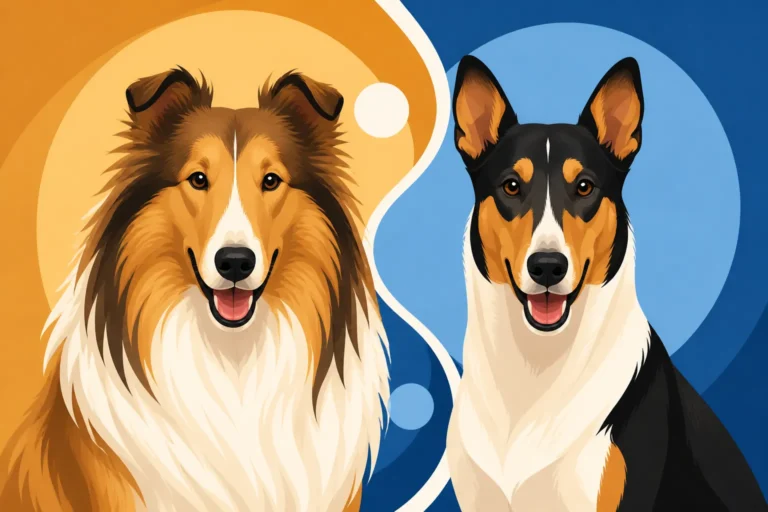
For more context on the difference between the character and the breed, read Whether Lassie Gave the Collie a False Reputation. And if you are comparing the familiar long coat with the short-coated variety, Whether the Rough and Smooth Collie Are One Breed explains how Rough and Smooth Collies relate to one another.
The simplest accurate answer
Pal’s descendants did continue playing Lassie, most clearly through the original television era. That is the documented heart of the family’s screen legacy. But it would be misleading to assume that every later Collie cast as Lassie came from Pal’s line, or to present his descendants as a currently active, regularly working film dynasty without specific pedigree and production evidence.
So, are Lassie’s descendants still working in film? The most careful answer is that Pal’s family line had a remarkable screen career, but a modern Collie playing Lassie should not automatically be called one of his descendants. The character continues to invite new canine performers; proving that any particular performer belongs to Pal’s line takes more than a familiar face and a famous name.
For related franchise history, see How Long the Lassie Television Series Ran, Whether Lassie Was Played by a Male Collie, and Whether People Expect a Collie to Be Lassie.
Disclaimer
This article is for general informational purposes only and does not constitute professional advice. Laws, prices and regulations vary by location and change over time. Consult a qualified professional for guidance on your specific situation.