Whether Every Later Lassie Descended From Pal
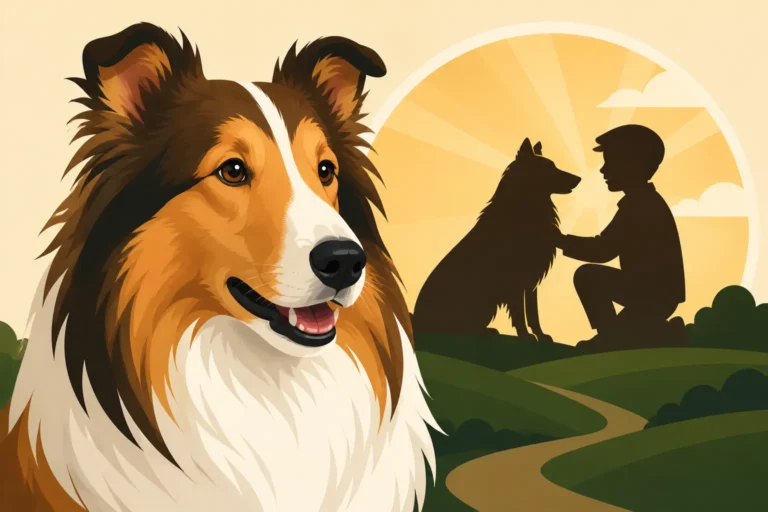
We all grew up with Lassie, that iconic, loyal Collie who always saved the day. For many, the very image of a Collie is tied to that brave, intelligent dog on screen. It’s natural to wonder if the magic continued through a direct line, if every Lassie we saw was truly a descendant of the original. The reality is both simpler and more complex, and it sheds light on the enduring legacy of one very special dog and the careful considerations of film production.
The Original Lassie: Pal's Unforgettable Debut
Before Lassie became a household name, there was a dog named Pal. This wasn't just any Collie; he was the dog that started it all, the one who defined the character for generations. His story is one of determination, talent, and a touch of serendipity, turning a seemingly ordinary dog into an enduring legend.
From Runt to Rescued Star
Pal's journey to stardom was anything but straightforward. Born in 1940, he was reportedly deemed untrainable by his original owner due to a tendency to chase motorcycles and bark excessively. This might sound like a typical Collie trait to some, but for a film career, it presented a challenge. He was eventually brought to Hollywood animal trainer Rudd Weatherwax, initially as payment for a debt. Weatherwax saw potential in the dog others had dismissed. He began working with Pal, patiently shaping his behavior and discovering a remarkable intelligence and willingness to learn. It’s a testament to positive reinforcement and understanding a dog’s natural drives, rather than forcing them into submission. Weatherwax understood that a Collie, even one with a strong personality, responds best to gentle guidance and clear expectations, not harsh commands that can break their spirit.
When the time came to cast the lead for "Lassie Come Home," the studio initially wanted a female Collie, adhering to the book's character. However, Pal, despite being a male, had the perfect look and, more importantly, the extraordinary acting ability needed for the demanding role. His expressive eyes, his ability to convey emotion, and his incredible physical prowess ultimately won him the part. He wasn't just a pretty face; he was a performer who could truly act. His journey from an "unmanageable" pup to a celebrated movie star is truly inspiring and often overlooked when people consider the glamour of Hollywood.
The First 'Lassie Come Home'
"Lassie Come Home," released in 1943, was the film that launched Pal into cinematic history. The story, based on Eric Knight's novel, captured the hearts of audiences worldwide with its tale of a boy and his beloved Collie, separated by circumstance and united by an unbreakable bond. Pal’s performance was nothing short of miraculous. He executed complex sequences, from swimming treacherous rivers to navigating bustling city streets, all with a believable emotional depth that made viewers forget he was "acting."
This film wasn't just a hit; it solidified the image of the Collie as the quintessential family dog – intelligent, loyal, and endlessly devoted. It painted a picture of a dog that was not only beautiful but possessed an almost human understanding and an unwavering moral compass. Pal's portrayal defined the character of Lassie, setting a standard for every dog that would follow in his paw prints. It's safe to say that Which Dog Played Lassie in 1943 isn't just a trivia question; it's asking about the progenitor of a pop culture phenomenon. Without Pal's initial success, the entire Lassie franchise might never have taken off, leaving countless people without that iconic image of canine heroism.
The Lineage Continues: Pal's Offspring and the Lassie Franchise
The success of "Lassie Come Home" was undeniable, and it led to a demand for more Lassie stories. Naturally, the creators wanted to maintain the continuity and the magic, leading to a fascinating strategy for casting future Lassies: keeping it in the family.
The Succession of Direct Descendants
Following Pal's stellar performance, it became clear that finding another dog with his unique combination of looks and talent would be incredibly difficult. So, Rudd Weatherwax, Pal’s trainer and owner, made a clever decision: he would breed Pal and train his descendants to take over the role. This ensured a consistent look and, ideally, a shared genetic predisposition for trainability and temperament. The idea was to create a "Lassie dynasty."
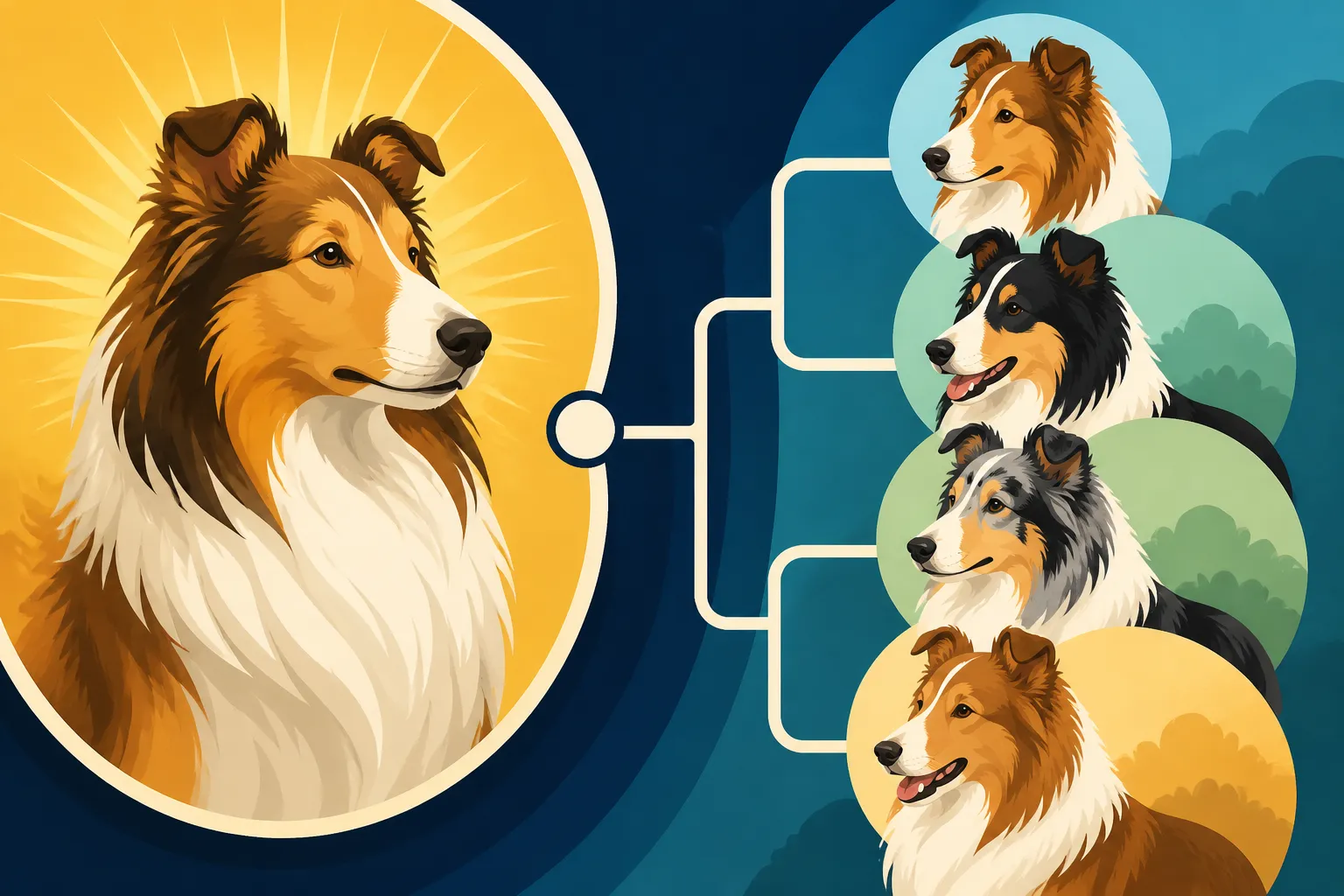
Pal’s son, Lassie Junior, was the first to step into his father’s very large paw prints. He starred in the subsequent films and later, the immensely popular television series. The torch was then passed to Lassie Junior's son, Spook, and then to his son, Baby. For a significant period, particularly during the classic era of the films and the long-running television show, the role of Lassie was indeed played by direct, male descendants of the original Pal. This created a powerful narrative for the public, reinforcing the idea of a singular, enduring canine hero whose spirit was literally carried on through his progeny. It wasn't just about finding a dog that looked the part; it was about continuing a legacy, a living testament to Pal's initial genius. How Many Films the Collie Pal Appeared In doesn't tell the whole story, as his genes effectively appeared in many more!
Training the Next Generation
Training these successor Lassies was an intensive process. Rudd Weatherwax, and later his sons, dedicated themselves to preparing each dog for the demanding role. This wasn't just about teaching basic obedience; it involved advanced command work, stunt training, and teaching them to convey emotions through their actions. Think about the scene where Lassie has to look mournful or joyful, or strategically nudge a character towards danger – these were carefully choreographed and rehearsed behaviors.
The training emphasized positive reinforcement, patience, and a deep understanding of Collie behavior. Collies are known for their intelligence and eagerness to please, but they also possess a sensitive nature. Harsh methods would have been counterproductive, potentially damaging their confidence and hindering their ability to perform naturally on camera. The trainers often started with puppies, gradually exposing them to various environments, sounds, and people to ensure they were well-socialized and unflappable on a busy film set. They were teaching not just tricks, but the nuanced "acting" that made Lassie so believable. It's a far cry from simply teaching a dog to "sit" and "stay"; it required building a deep bond and leveraging the breed's inherent smarts. A Collie Reads a Room Better Than It Reads a Command certainly applied to these canine actors, as they had to understand complex cues and react appropriately to human actors and changing situations.
Casting the Role: Beyond Direct Descent
While the initial run of Lassie films and the classic TV series relied heavily on Pal's direct lineage, the entertainment industry is dynamic. Over the decades, as new productions emerged, the approach to casting Lassie began to evolve.
The Evolving Needs of the Role
As the Lassie franchise continued across different films, TV shows, and even international productions, the casting criteria broadened. While the ideal was always a dog that looked like Lassie and possessed the right temperament, the absolute requirement for direct genetic lineage from Pal eventually became less rigid. Sometimes, logistical challenges, the specific demands of a particular script, or even the availability of suitable dogs led producers to look beyond the Weatherwax family's direct line.
For example, a modern production might prioritize a dog with specific stunt capabilities, or one that has a particularly strong bond with a child actor, above strict lineage. The aesthetic might also shift slightly; while the classic "sable and white" look remains iconic, subtle variations could be acceptable. The focus moved from simply continuing Pal's bloodline to finding the best dog for the specific project at hand, all while maintaining the essence of the beloved character. It's a pragmatic approach to filmmaking, where the story and the performance often take precedence over strict historical continuity in casting. This doesn't diminish the original dogs, but rather reflects the practicalities of bringing such a character to life again and again.
Finding the Right Look and Temperament
Even when not a direct descendant of Pal, every dog cast as Lassie had to meet stringent criteria for appearance and disposition. The iconic image of Lassie is so deeply ingrained in the public consciousness that deviations are immediately noticeable. The dog needed to be a beautiful, well-proportioned Rough Collie, typically a sable and white, with that intelligent, gentle expression that Collies are famous for. What a Collie Weighs and How Tall It Stands is part of this consideration, as the dog needs to fit the established physical presence.
Beyond looks, temperament was paramount. Lassie is synonymous with loyalty, bravery, and unwavering gentleness, especially with children. Any dog chosen for the role had to possess these traits naturally. They needed to be calm and tractable on set, adaptable to new situations, and inherently good-natured. Trainers would often select puppies with these innate qualities, then build upon them with extensive socialization and specialized training. They would also ensure the dog could cope with the bright lights, loud noises, and constant activity of a film or television set without becoming stressed or reactive. A dog that was timid or easily startled, even if beautiful, simply wouldn't do. So, while the direct bloodline might have occasionally been broken, the spirit and type of Pal were always sought after. For a contemporary Collie owner wondering What a Collie Puppy Costs in 2026, you can bet a dog with Lassie's temperament, even without the lineage, commands a premium.
The Impact of Lassie on the Collie Breed
The enduring popularity of the Lassie character, largely thanks to Pal and his immediate successors, had a profound and lasting impact on the Collie breed itself. It brought Collies into millions of homes and cemented their place in popular culture, but this fame wasn't without its complexities.
The "Lassie Boom" and its Consequences
The immense success of "Lassie Come Home" and the subsequent television series ignited what became known as the "Lassie Boom." Suddenly, everyone wanted a Collie. Registrations soared, and the breed's popularity exploded. This surge in demand, while seemingly beneficial, also brought about some unfortunate consequences. Many unscrupulous breeders, eager to capitalize on the trend, began breeding Collies without proper regard for health, temperament, or adherence to the breed standard.
Puppy mills flourished, producing dogs that might have looked like Lassie superficially but often lacked the stable temperament and good health that responsible breeders strive for. This led to an increase in Collies with genetic health issues, poor structure, and shy or nervous dispositions, a far cry from the brave and confident Lassie. It's a sad truth that mass appeal can sometimes dilute the quality of a breed, as quantity overtakes careful breeding practices. Whether the Lassie Boom Hurt Collie Health is a question that many breed enthusiasts reflect on with concern, highlighting the importance of choosing a reputable breeder even today.
Shifting Perceptions of the Breed
Lassie undeniably shaped public perception of the Collie, perhaps more than any other fictional dog has influenced its breed. For many, Lassie is the Collie: a hyper-intelligent, gentle, heroic, and almost magically intuitive dog. This perception, while flattering, also created unrealistic expectations. While Collies are indeed intelligent and can be highly trainable, they are still dogs. They don't inherently understand complex human dilemmas or perform miraculous rescues without training.
This led to some disappointment for new owners who expected their Collie to be a ready-made hero straight out of the box. It also overshadowed some of the breed's more typical traits, such as their often-vocal nature – The Bark Is the Trait Collie Owners Underestimate – and their deep loyalty to their family that can sometimes manifest as a degree of aloofness with strangers. While the Lassie image boosted the breed's profile, it also presented a simplified, idealized version that didn't always align with the reality of living with a Collie. Nonetheless, the positive image of Lassie did much to promote responsible pet ownership and the bond between humans and their canine companions, even if it set a high bar.
Why This Matters to Today's Collie Owners
Understanding the history of Lassie and the lineage of the dogs who played her isn't just a fun fact for trivia night. It offers valuable insights for anyone who owns or plans to own a Collie today, grounding expectations in reality and highlighting the breed's true virtues.
Understanding Breed Standards vs. Media Portrayals
For current and prospective Collie owners, it's crucial to differentiate between the idealized image of Lassie and the actual breed standard and characteristics of a real-life Collie. The Lassie dogs were carefully selected and extensively trained animals, representing the pinnacle of what a Collie could achieve in terms of performance and appearance. While most Collies share the breed's inherent intelligence and loyalty, not every Collie will be a canine actor capable of complex, spontaneous rescues.
Understanding this helps owners appreciate their own Collie for its individual personality and abilities, rather than holding it to an impossible "Lassie standard." It encourages looking beyond superficial appearances and focusing on the whole dog: its health, temperament, and training needs. The reality is that your Collie, while deeply devoted, probably won't fetch the doctor when you fall down a well. But they will offer unwavering companionship, boundless affection, and a strong protective instinct for their family. They are magnificent dogs in their own right, and that's more than enough. When considering a dog, remember Whether Lassie Gave the Collie a False Reputation and approach ownership with realistic expectations.
The Legacy of the Lassie Name
Despite any unrealistic expectations it may have fostered, the Lassie name left an overwhelmingly positive legacy for the Collie breed. It etched the image of a beautiful, intelligent, and loyal dog into the hearts and minds of generations. This cultural impact has undoubtedly contributed to the breed's continued presence, even as its popularity has waxed and waned. People still approach Collies with a certain reverence, expecting kindness and intelligence, and this positive predisposition can be beneficial for the dogs themselves.
For owners, the Lassie legacy means being part of a storied tradition, owning a breed connected to one of the most beloved figures in canine history. It’s a talking point, a source of pride, and a reminder of the incredible potential within these dogs. Whether you purchase your Collie from a reputable breeder or adopt a rescue, you’re welcoming a piece of that legacy into your home. Ensuring your Collie is well-fed, healthy, and happy – with quality food and supplies from retailers like Chewy – honors that tradition of care and devotion. Taking the time to properly groom their magnificent coats, as detailed in A Collie's Coat Is the Bill That Arrives Every Eight Weeks, also helps maintain the iconic look that Lassie popularized.
Today, while the direct lineage from Pal might not be the primary casting criterion for every Lassie production, the foundational impact of that one extraordinary dog remains undeniable. He set the bar, inspired a generation, and established the Collie as a symbol of canine devotion. So, while not every later Lassie descended directly from Pal, the spirit and image he created certainly live on in every portrayal.
| Lassie's Role in Film/TV | Key "Actor" | Relationship to Original Pal | Era |
|---|---|---|---|
| Lassie Come Home (1943) | Pal | The original | Classic Film |
| Post-1943 Films & Early TV Series | Lassie Junior (Son of Pal) | Direct descendant | Classic Films & TV |
| Mid-TV Series | Spook (Son of Lassie Junior) | Direct descendant | Classic TV |
| Later TV Series & some subsequent projects | Baby (Son of Spook), and other direct descendants | Direct descendants | Later Classic TV & some reboots |
| Modern Film/TV Adaptations (e.g., Lassie 2005) | Various Collies | Not necessarily direct descendants | Contemporary |
| Commercials, Public Appearances | Often "look-alikes" or carefully selected dogs | Rarely direct descendants | Modern Media |
The table above illustrates the shift from strict lineage to a broader casting approach as the franchise continued and diversified. However, the influence of Pal's look and temperament remained paramount, ensuring that every Lassie retained that quintessential Collie charm. Finding the right tools and supplies for your Collie, whether it’s specialized brushes or nutritious food, is easy with online resources like Chewy, helping you care for your own canine star.
Disclaimer
This article is for general informational purposes only and does not constitute professional advice. Laws, prices and regulations vary by location and change over time. Consult a qualified professional for guidance on your specific situation.