What Lassie Did to Collie Registrations
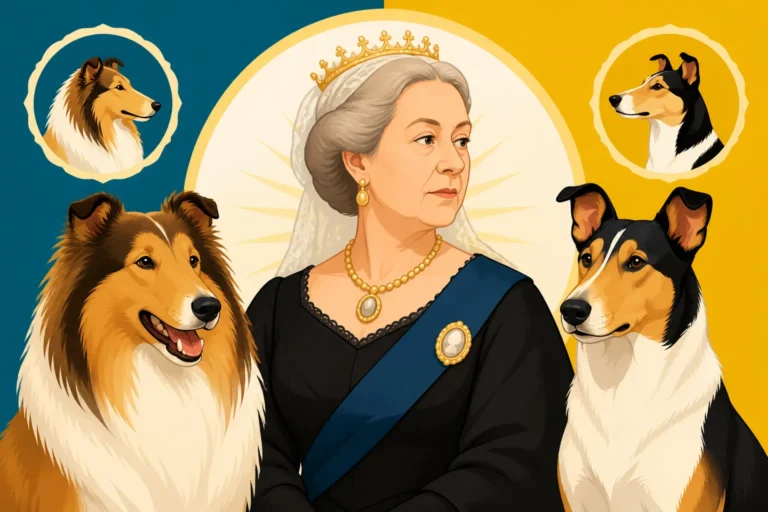
It's hard to find someone who doesn't instantly picture a magnificent, loyal Rough Collie when they hear the name "Lassie." For decades, this fictional canine hero captivated audiences, but the immense popularity of the Lassie films and television series had a profound and complex impact on the real-life Collie breed, triggering a massive surge in demand that forever altered its trajectory, for better and for worse. This guide will explore exactly how the Lassie phenomenon affected Collie registrations and the lasting consequences still felt by the breed and its dedicated fanciers today.
The Enduring Image of Lassie
Before Lassie, Collies were certainly appreciated, but they weren't the household name they became. The sheer reach of the movies and TV shows catapulted them into an unprecedented level of public consciousness, crafting an image that was both a blessing and a curse for the breed. The character of Lassie wasn't just a dog; she was an icon, a symbol of unwavering loyalty, incredible intelligence, and profound heroism.
Lassie as a Household Name
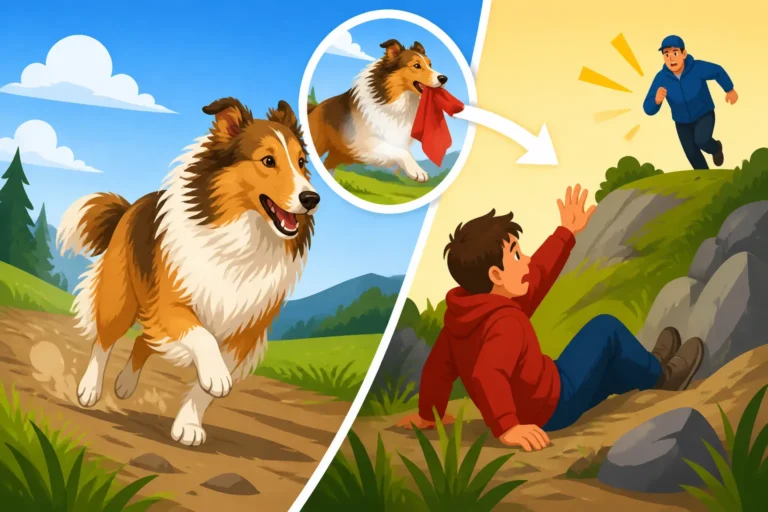
From the moment "Lassie Come Home" graced the silver screen in 1943, featuring the iconic Rough Collie named Pal, the world fell in love. This wasn't just a children's story; it was a powerful narrative that resonated deeply with families across generations. The character was clever, resourceful, and always seemed to know exactly what to do in a crisis, from guiding lost children home to alerting rescuers to danger. A Dog Named Pal Played Lassie and Changed the Breed Forever by portraying Lassie as an almost human-like figure with an uncanny ability to understand and communicate, the films created a dog that everyone wished they had. The subsequent films and the long-running television series solidified Lassie's place in popular culture, making "Lassie" synonymous with "Collie." Even today, decades later, many people still refer to any Rough Collie as "Lassie."
The constant exposure meant that Collies became instantly recognizable, unlike many other purebred dogs. This widespread familiarity fostered a sense of comfort and desire. People weren't just seeing a dog; they were seeing a family member, a protector, and a friend wrapped in a gorgeous, flowing coat. This image was incredibly powerful, painting the Collie as the ultimate family pet and igniting a passion in countless homes across America and beyond.
The Idealized Collie
Lassie set an incredibly high bar for what people expected from a Collie. She was portrayed as unflappable, always calm under pressure, and inherently gentle with children. She had an almost mystical ability to intuit danger and respond with courage and intelligence, often without any direct command. This created an idealized vision of the breed: a dog that was not only beautiful but also possessed extraordinary problem-solving skills and an unwavering moral compass.
This ideal overshadowed the reality of owning any dog, let alone a specific breed with its own unique traits and needs. Many viewers formed their entire understanding of the Collie based solely on Lassie's heroic exploits, rather than researching the breed's actual temperament, exercise requirements, or grooming demands. The beautiful, long coat seen on screen seemed effortless, the intelligence boundless, and the loyalty unconditional, leading to a perception that a real-life Lassie would simply slot perfectly into any home without much effort or training. This disconnect between the fictional ideal and the actual breed would become a significant challenge for Collies and their owners in the years to come.
The Lassie Boom and Registration Spikes
The impact of Lassie on Collie registrations was immediate and dramatic. Suddenly, everyone wanted a dog just like Lassie, leading to a huge surge in demand that breeders struggled to keep up with, and which ultimately reshaped the breed's demographics.
The Post-Film Surge
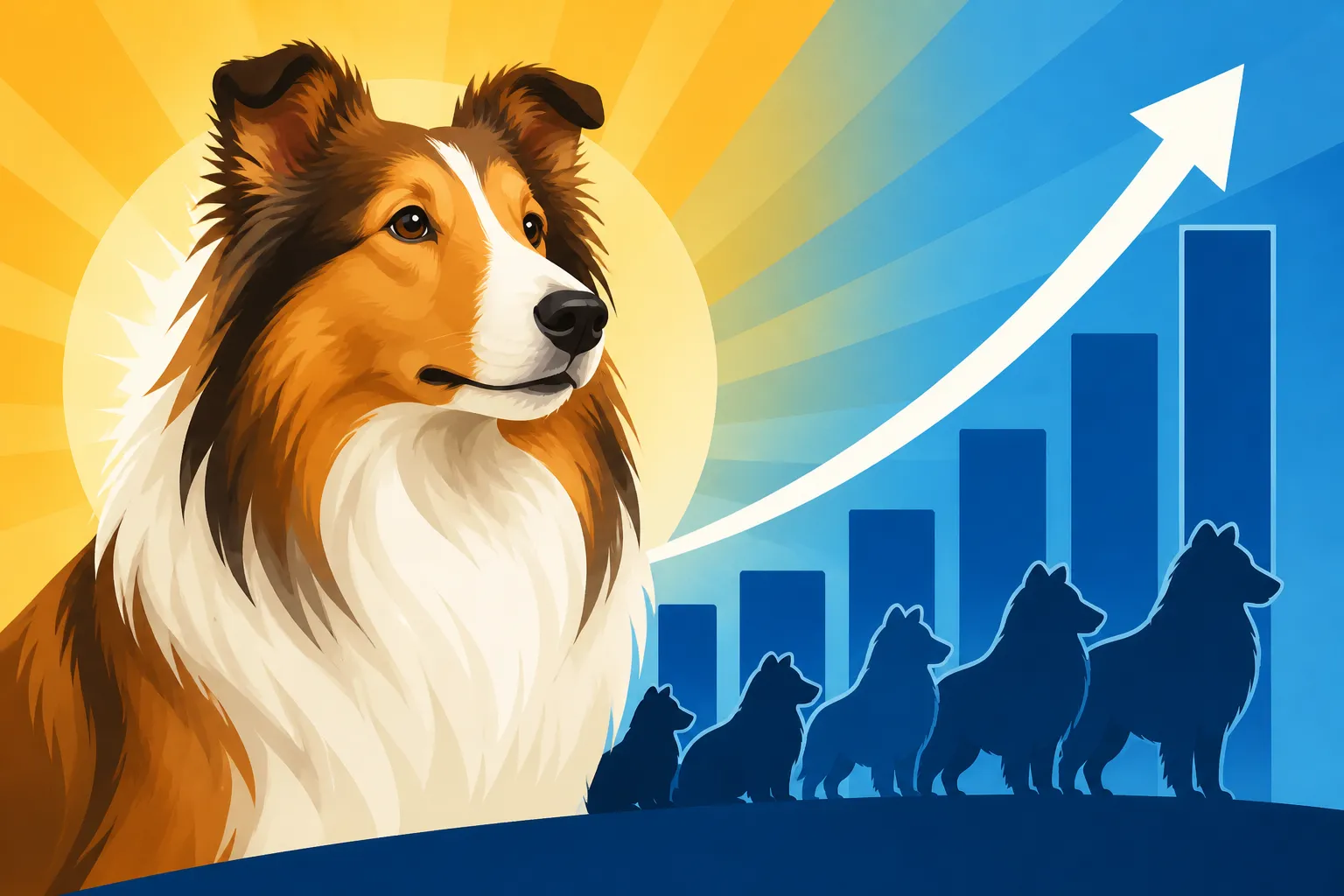
When "Lassie Come Home" first premiered, followed by other films like "Son of Lassie" and "Courage of Lassie," and eventually the long-running television series, the demand for Collie puppies skyrocketed. Families who had been charmed by Lassie's on-screen adventures rushed to their local breeders, or any available source, hoping to bring their own Lassie into their homes. This wasn't a gradual increase; it was an explosion in popularity that saw registration numbers soar to unprecedented levels.
For example, looking back at historical registration data, you can see clear peaks corresponding to the release of popular Lassie films and the peak years of the television show. The American Kennel Club (AKC) saw Collies rise significantly in their annual rankings. Everyone wanted a piece of that iconic loyalty and intelligence. Breeders, even responsible ones, found themselves with endless waiting lists. This intense demand, unfortunately, also opened the door for less scrupulous individuals to enter the breeding scene, seeing an opportunity to make a quick profit from the public's infatuation.
Breed Popularity Through the Decades
The initial Lassie boom wasn't a flash in the pan; it sustained the Collie's popularity for many decades. Throughout the 1950s, 60s, and even into the 70s, Collies remained a highly sought-after breed, consistently ranking among the top breeds in the country. Whether the Collie's Popularity Peaked in the 1950s or if it lingered into the next couple of decades is a good question, and the sustained exposure from the television show certainly kept the breed in the public eye well past the initial film releases.
However, as with many breed fads tied to popular culture, maintaining that peak was impossible. While registrations remained high for a considerable period, they eventually began to decline as new breeds came into vogue and the Lassie phenomenon faded from its prime-time slot. Despite this decline from their absolute peak, the Lassie legacy ensured that Collies never truly disappeared from public awareness. Even today, they retain a certain recognizable status, thanks largely to that initial surge in popularity and the enduring image of the heroic dog.
Unintended Consequences for the Breed
While the fame Lassie brought undoubtedly introduced the Collie to millions, the rapid and often unmanaged increase in demand created significant, negative consequences that reverberated through the breed for generations. The breed's health, temperament, and overall welfare paid a steep price for its sudden celebrity.
The Rise of Puppy Mills
One of the most devastating effects of the Lassie boom was the proliferation of what we now recognize as puppy mills. When demand outstrips the supply from responsible breeders who carefully screen their breeding stock and limit litter numbers, a vacuum is created. Unscrupulous breeders, often driven solely by profit, quickly stepped in to fill this gap. They bred Collies indiscriminately, with little to no regard for health clearances, genetic testing, or temperament. Their primary goal was to produce as many puppies as possible to capitalize on the public's eagerness to own a "Lassie."
These operations often housed dogs in deplorable conditions, with minimal veterinary care, poor nutrition, and inadequate socialization. The parent dogs were bred relentlessly, and their puppies were sold quickly, sometimes directly to pet stores or through classified ads, often without proper screening of potential owners. This meant that many Collies entering homes during this period came from questionable backgrounds, lacking the foundational health and early experiences critical for a well-adjusted adult dog. The immediate consequence was a flood of puppies on the market, but the long-term impact was a widening of health and behavioral problems within the breed.
Health and Temperament Declines
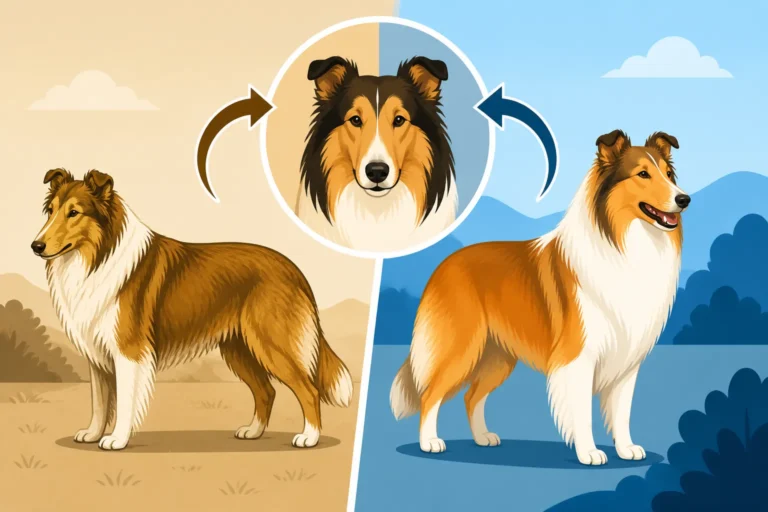
The indiscriminate breeding practices fueled by the Lassie craze led to a noticeable decline in the overall health and temperament of Collies. When breeders prioritize quantity over quality, genetic health testing often goes by the wayside. This meant that inherited conditions common in Collies, such as Collie Eye Anomaly (CEA) and the MDR1 mutation, which can cause severe reactions to common drugs, were inadvertently spread more widely throughout the gene pool. Whether the Lassie Boom Hurt Collie Health is a question with a clear answer: absolutely.
Furthermore, temperament suffered. Responsible breeders strive to produce dogs with stable, friendly dispositions, but puppy mill dogs, often poorly socialized and bred from anxious or aggressive parents, frequently exhibited shyness, fear, or even aggression. Many eager new owners, expecting the calm, heroic Lassie, were instead confronted with a nervous or reactive dog they weren't equipped to handle. This led to increased surrenders to shelters and rescue organizations, a tragic byproduct of unchecked popularity. Getting a What a Health Tested Collie Puppy Costs would have been a foreign concept to many during that time, leading to unforeseen vet bills and heartbreak down the line.
The Long Shadow of Lassie
Even decades after the peak of her popularity, Lassie continues to cast a long shadow over the Collie breed. While the intense demand has waned, the perception created by the fictional character still shapes how many people view and approach owning a Collie today.
Buyer Expectations vs. Reality
The "Lassie effect" continues to create unrealistic expectations for prospective Collie owners. Many people still approach the breed with the image of a perfectly behaved, exceptionally intelligent, and constantly heroic dog ingrained in their minds. They might expect their Collie to spontaneously understand complex commands, alert them to danger with perfect precision, or even gently herd their children without any prior training. Whether a Real Collie Would Fetch Help is a common question, revealing the gap between fiction and reality.
The reality, of course, is that Collies are wonderful, intelligent dogs, but they are still dogs. They require consistent training, socialization, and management, just like any other breed. They bark, they shed (oh, do they shed!), and they need regular grooming to maintain their magnificent coats. The Three Weeks Twice a Year When a Collie Buries Your House is a very real experience for Collie owners, often shocking to those who expected a low-maintenance hero. When owners find that their real-life Collie doesn't spontaneously perform miracles or requires actual work, they can become disappointed or even overwhelmed, leading to issues that could have been avoided with more realistic expectations. It's why resources from places like Chewy, offering educational books on breed-specific care, become so important.
Responsible Breeding Efforts Post-Boom
In the wake of the Lassie boom and its negative consequences, dedicated Collie breeders and breed clubs doubled down on efforts to restore and protect the breed's health and temperament. Recognizing the damage done by indiscriminate breeding, these individuals have worked tirelessly to re-establish rigorous breeding standards. This includes mandatory genetic health testing for conditions like CEA, MDR1, and others, ensuring that prospective parents are screened for inheritable diseases before breeding. The Three Genetic Tests a Collie Breeder Owes You is a vital concept in modern Collie breeding.
Breeders also prioritize temperament, carefully selecting breeding pairs that exhibit the classic Collie gentle, intelligent, and biddable nature. They focus on proper socialization for puppies, ensuring they receive enriching experiences from an early age. Rescue organizations, like those affiliated with the Collie Club of America, also play a crucial role in rehabilitating and rehoming Collies that were products of less responsible breeding, or whose owners simply couldn't meet their needs. These efforts are a testament to the enduring love for the breed and a commitment to ensuring the Collie thrives as a healthy, well-adjusted companion, rather than just a fleeting popular icon.
The Role of Media in Breed Popularity
The Lassie phenomenon is perhaps the most famous example of how media can influence canine trends, but it's far from the only one. Understanding this dynamic is crucial for both prospective pet owners and those dedicated to breed preservation.
The "101 Dalmatians" Effect
Lassie was a trailblazer, but other fictional dogs have had similar, if not quite as prolonged, effects on breed popularity. One of the most striking examples is the surge in demand for Dalmatians after Disney's animated "101 Dalmatians" in 1961, and even more so with the live-action remake in 1996. Like Collies, Dalmatians are a striking and distinctive breed, and the films portrayed them as charming, adventurous, and perfect family dogs.
The result was predictable: a rush to acquire Dalmatians, often by people unprepared for their high energy levels, strong prey drive, or potential health issues like deafness. Many Dalmatians ended up in shelters or rescue groups when their "spotty" appeal wore off and owners realized the commitment involved. These cases highlight a recurring pattern: when a breed gains massive exposure through entertainment, demand often skyrockets, leading to overbreeding, health problems, and ultimately, a wave of abandoned pets.
Modern Media and Breed Trends
The influence of media on breed popularity hasn't disappeared; it's simply evolved with technology. Today, social media platforms, YouTube, and streaming services play a significant role in showcasing certain breeds. A viral video of an adorable puppy or a popular character in a TV show can still send demand soaring for a particular type of dog. Think of how breeds like French Bulldogs, Corgis, or even certain doodle mixes have seen a huge increase in visibility and popularity in recent years, often driven by their presence online.
The danger remains the same: impulse decisions based on aesthetics or a romanticized image, rather than thorough research into a breed's needs and suitability for a household. While it's wonderful for dogs to be celebrated, the welfare of the animals must always come first. Education is key, and resources, whether from local breed clubs, vets, or even online stores like Chewy that offer comprehensive information alongside their products, are more important than ever. Prospective owners need to look beyond the cute pictures and heartwarming stories to truly understand the commitment involved in bringing any dog into their lives.
Here's a quick look at how public perception versus reality sometimes stacks up:
| Trait | Lassie (Fictional Ideal) | Real-Life Collie (General Traits) | Owner Preparation Needed |
|---|---|---|---|
| Intelligence | Intuitive, solves complex problems | Very intelligent, biddable, needs training | Consistent positive reinforcement, mental stimulation (e.g., puzzle toys from Chewy) |
| Loyalty | Unwavering, self-sacrificing | Devoted to family, strong bond with owner | Early socialization, consistent routine, inclusion in family activities |
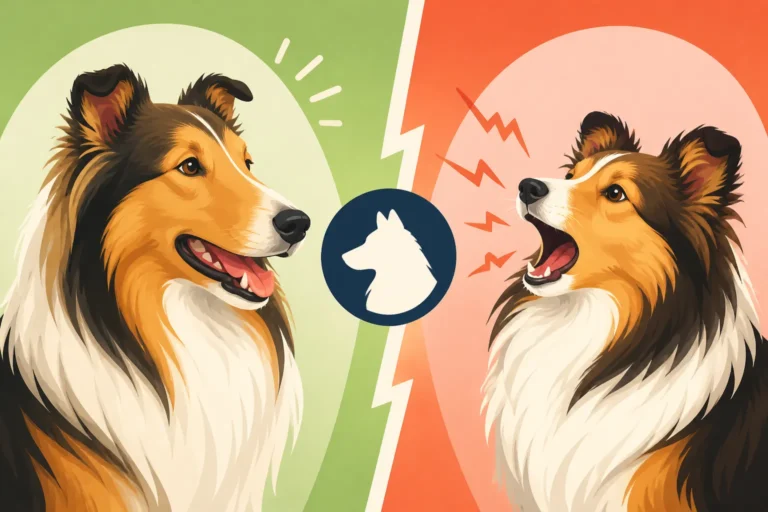
| Temperament | Calm, heroic, perfect with children | Generally gentle, can be sensitive, some are barkers or shy | Positive reinforcement training, exposure to various situations, managing The Bark Is the Trait Collie Owners Underestimate |
| Grooming | Always pristine, low effort | Requires significant regular brushing | Daily or weekly brushing, professional grooming (or high-velocity dryer), understanding What a Collie's Coat Care Costs Over a Lifetime |
| Exercise | Runs endlessly, always active | Moderate exercise, mental engagement is key | Daily walks, playtime, training sessions, enrichment activities |
| Health | Never sick, always robust | Prone to specific genetic conditions | Vet check-ups, genetic testing, awareness of issues like Assume Your Collie Has the MDR1 Mutation |
The story of Lassie and the Collie is a powerful reminder of how deeply popular culture can influence our choices, even when it comes to bringing a beloved pet into our homes. While Lassie inspired generations to love and appreciate Collies, it also inadvertently created challenges that the breed's champions are still working to address today. The true heroism lies not in a fictional dog's impossible feats, but in the enduring dedication of those who strive to ensure the real Collie breed remains healthy, happy, and well-understood by all who cherish them.
Disclaimer
This article is for general informational purposes only and does not constitute professional advice. Laws, prices and regulations vary by location and change over time. Consult a qualified professional for guidance on your specific situation.