Whether Loperamide Is Dangerous to a Collie
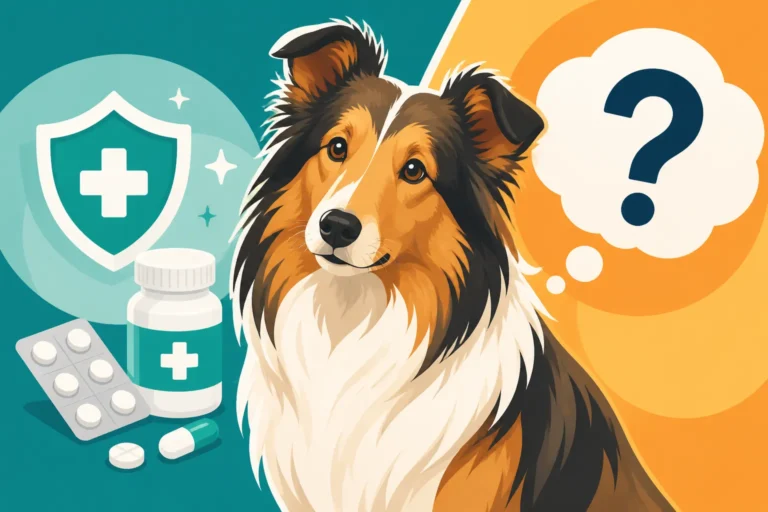
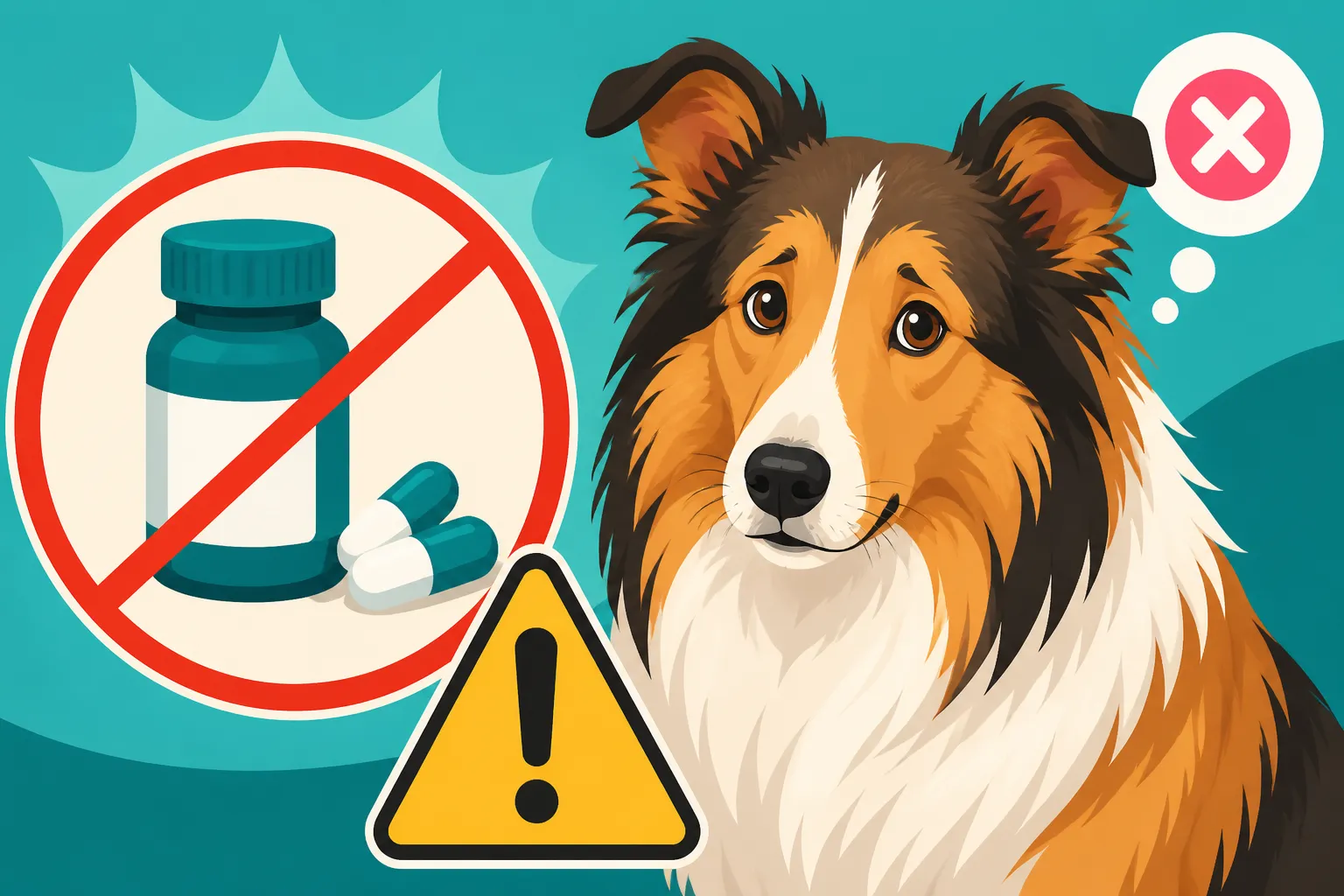
It’s a terrifying moment for any Collie owner: your beloved dog suddenly has an upset stomach, maybe even diarrhea, and your first instinct is to reach for a common over-the-counter remedy like loperamide. But for Collies, this seemingly innocuous medication can be incredibly dangerous, even life-threatening, due to a specific genetic mutation. This guide will walk you through why loperamide poses such a risk to your Collie and what safe alternatives exist to keep your furry family member healthy.
Understanding Loperamide and Its General Use
Loperamide, often known by its brand name Imodium, is a widely used anti-diarrheal medication for humans. It works by slowing down the movement of the intestines, allowing more time for water and electrolytes to be absorbed, which helps to firm up stool and reduce the frequency of bowel movements. For many dog breeds, a veterinarian might occasionally recommend loperamide at a carefully calculated dose for acute diarrhea, especially when it’s mild and self-limiting, without underlying serious conditions.
However, it’s crucial to understand that even for breeds without known sensitivities, any over-the-counter medication should only be given under veterinary guidance. The appropriate dosage for dogs is very different from humans, and incorrect administration can lead to complications. When it comes to Collies, the risks escalate dramatically, moving from potential side effects to severe, life-threatening neurological toxicity. The very mechanism that makes loperamide effective for mild diarrhea becomes a grave danger in Collies carrying a particular genetic mutation.
The Critical Link: Loperamide and the MDR1 Gene Mutation in Collies
The reason loperamide is so dangerous for Collies boils down to a genetic flaw that impacts how their bodies handle certain medications. This isn't just a slight sensitivity; it's a fundamental difference in drug metabolism that can turn a seemingly harmless pill into a potent neurotoxin for your dog.
What the MDR1 Gene Does and Why It Matters
The Multidrug Resistance 1 (MDR1) gene, now often referred to as ABCB1, is responsible for producing a protein called P-glycoprotein. Think of P-glycoprotein as a vitalbouncer or security guard for the body's most sensitive areas, especially the brain. Its job is to actively pump certain drugs and toxins out of cells and out of critical organs like the brain, preventing them from accumulating to toxic levels. This protein is part of the blood-brain barrier, a natural protective mechanism that keeps harmful substances from reaching the central nervous system.
For many Collies, a specific mutation in the MDR1 gene means this P-glycoprotein doesn't function correctly, or isn't produced at all. This genetic glitch is shockingly common, leading many experts to advise owners to simply assume your Collie has the MDR1 mutation unless proven otherwise. Without a properly functioning P-glycoprotein, drugs that would normally be expelled are instead allowed to build up to dangerous concentrations, particularly in the brain, with devastating consequences.
How Loperamide Becomes Toxic in MDR1-Affected Collies
In dogs with a functional MDR1 gene, loperamide is actively pumped out of the brain by P-glycoprotein, preventing it from having a significant neurological effect. While it does act on opioid receptors in the gut to slow motility, it typically doesn't cross the blood-brain barrier in sufficient quantities to cause central nervous system issues.
However, in Collies with the MDR1 mutation, this protective barrier is compromised. The defective P-glycoprotein can't effectively remove loperamide from the brain. As a result, the drug accumulates in the central nervous system, where it can then act on opioid receptors in the brain itself. This leads to profound neurological depression, which is why it becomes a neurotoxin. The effects can be seen even with small, seemingly therapeutic doses. Understanding what the MDR1 mutation actually does to a Collie is paramount for responsible ownership.
Understanding the Different MDR1 Genotypes and Risk Levels
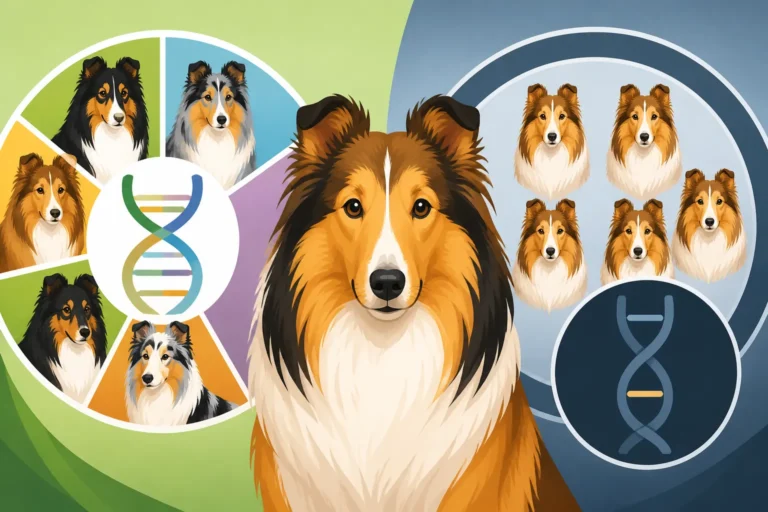
It's not always a black-and-white situation when it comes to the MDR1 mutation; there are different genetic profiles, or genotypes, that influence your Collie's risk level. Knowing your dog's specific genotype can help guide veterinary care, though caution should always be the default.
The three main genotypes are:
- MDR1 Normal/Normal (N/N): These Collies have two normal copies of the MDR1 gene and produce fully functional P-glycoprotein. They generally tolerate loperamide and other sensitive drugs without issues, similar to other non-affected breeds. The risk of toxicity is low, assuming correct dosing.
- MDR1 Mutant/Normal (M/N) or Heterozygous: These Collies have one normal copy and one mutated copy of the MDR1 gene. They produce some functional P-glycoprotein, but not as much as a completely normal dog. This means they are often sensitive to certain drugs, including loperamide, but may show a less severe reaction or require a higher dose to exhibit symptoms compared to homozygous affected dogs. Nevertheless, they are still at significant risk, and drugs like loperamide should be avoided or used with extreme caution and reduced dosages under strict veterinary supervision. The question of whether one copy of MDR1 is enough to harm a Collie is a resounding yes for many medications.
- MDR1 Mutant/Mutant (M/M) or Homozygous Affected: These Collies have two mutated copies of the MDR1 gene and produce little to no functional P-glycoprotein. They are highly sensitive to loperamide and other drugs on the "forbidden list." Even a small, typically therapeutic dose can cause severe, life-threatening neurological toxicity. For these dogs, loperamide is absolutely contraindicated.
Table: MDR1 Genotypes and Loperamide Risk
| MDR1 Genotype | P-glycoprotein Function | Loperamide Risk Level | Recommendation for Loperamide |
|---|---|---|---|
| Normal/Normal (N/N) | Fully Functional | Low | Use with veterinary guidance |
| Mutant/Normal (M/N) | Partially Functional | Moderate to High | Avoid; if critical, use greatly reduced dose under strict vet supervision |
| Mutant/Mutant (M/M) | Non-functional or absent | Very High / Extreme | NEVER USE |
It's critical for every Collie owner to know their dog's MDR1 status. Getting your Collie tested via a simple cheek swab from labs like Wisdom Panel or Embark is a crucial step in proactive healthcare. Knowing the specific risks allows you to effectively communicate with your veterinarian, especially in emergency situations where quick decisions are made. A little proactive planning can make all the difference when it comes to protecting your Collie from dangerous drug interactions. You can learn more about what an MDR1 test costs for a Collie and which lab runs the Collie MDR1 test to get started.
Recognizing and Responding to a Loperamide Reaction in a Collie
If, for any reason, a Collie with the MDR1 mutation is given loperamide, recognizing the signs of a drug reaction immediately and acting swiftly is absolutely critical. Time is of the essence when it comes to neurological toxicity. These aren't just minor side effects; they can quickly escalate to a medical emergency.
Common Signs of Loperamide Toxicity
The symptoms of loperamide toxicity in an MDR1-affected Collie are primarily neurological, stemming from the drug's accumulation in the brain. They can manifest in varying degrees of severity, depending on the dose given and the individual dog's genotype (M/N Collies might show milder signs than M/M Collies, but both are at risk).
Look out for these signs, which can appear within minutes to a few hours after administration:
- Ataxia (Loss of Coordination): Your Collie might appear "drunk" or wobbly on their feet. They may stumble, lose balance, or have difficulty walking in a straight line.
- Lethargy and Depression: An unusual level of sleepiness, extreme tiredness, or a general unresponsiveness to their surroundings. They might seem disoriented or unaware of you.
- Vomiting: While loperamide is an anti-diarrheal, profound toxicity can disrupt the digestive system severely enough to induce vomiting.
- Bradycardia (Slow Heart Rate): The drug's opioid effects can depress the cardiovascular system.
- Respiratory Depression: Shallow, slow, or labored breathing, which is a very serious sign.
- Tremors and Seizures: In more severe cases, uncontrolled muscle tremors or full-blown seizures can occur.
- Blindness: Temporary or, in extreme cases, permanent blindness can be a terrifying symptom.
- Coma: The dog may become completely unresponsive, even to painful stimuli, which is a life-threatening state.
These symptoms are often progressive, meaning they can start subtly and worsen rapidly. Any suspicion that your Collie is exhibiting these signs after receiving loperamide should be treated as an immediate emergency. Knowing the signs an MDR1 Collie is having a drug reaction could save their life.
Emergency Protocol: What to Do Immediately
If you suspect your Collie is having a reaction to loperamide, do not delay. This is not a situation for a wait-and-see approach or home remedies.
- Contact Your Emergency Veterinarian NOW: Call your vet or the nearest emergency animal hospital immediately. Inform them that your Collie, a breed known for the MDR1 mutation, has potentially ingested loperamide and is showing neurological signs. Clearly state that you suspect drug toxicity.
- Provide All Relevant Information: Be prepared to tell the vet:
- The exact name of the medication (loperamide/Imodium).
- The dosage given.
- The estimated time of ingestion.
- All symptoms your Collie is currently displaying and how long they've been present.
- Your Collie's known MDR1 status (if you have it).
- Transport Your Collie Safely: Carefully get your Collie to the veterinary clinic. Keep them warm and comfortable. If they are having seizures, ensure they cannot injure themselves during transport.
- Do NOT Induce Vomiting Unless Directed: Unless specifically instructed by a veterinarian, do not try to make your dog vomit. If your dog is already showing neurological signs, inducing vomiting could cause aspiration (inhaling vomit into the lungs), which can lead to life-threatening pneumonia. The drug may also have been absorbed already.
At the clinic, the veterinary team will work quickly to stabilize your Collie. Treatment will focus on supportive care to manage the neurological symptoms, maintain vital functions, and help the body excrete the drug. This can involve intravenous fluids, medications to control seizures, respiratory support, and potentially activated charcoal to prevent further absorption if ingestion was very recent and the dog is stable enough. The recovery time and prognosis will depend heavily on the amount of drug ingested, the severity of the reaction, and how quickly veterinary care was initiated. Understanding whether an MDR1 Collie recovers from a reaction is complex, as it depends on many factors, but immediate action gives them the best chance. It’s a terrifying experience, and knowing what a Collie owner should carry to an emergency visit can streamline things.
Safe Alternatives and Preventative Measures
Preventing a loperamide reaction in your Collie is far easier and safer than treating one. Proactive steps, informed choices, and clear communication with your veterinary team are the cornerstones of ensuring your MDR1-affected Collie remains safe from dangerous drug interactions.
Safe Anti-Diarrhea Options for Collies
When your Collie has diarrhea, instead of reaching for loperamide, consider these safer alternatives. However, always consult your veterinarian before administering any medication or making significant dietary changes, as persistent or severe diarrhea can indicate an underlying health issue that requires professional diagnosis and treatment.
- Bland Diet: For mild, acute diarrhea, a temporary switch to a bland diet is often the first line of defense. This typically involves boiled boneless, skinless chicken breast or lean ground beef mixed with plain white rice or boiled potato. This simple, easily digestible meal can help settle the stomach and firm up stools. Introduce it slowly, and once diarrhea resolves, gradually transition back to their regular food over several days.
- Probiotics: Veterinary-specific probiotics can help restore the natural balance of beneficial bacteria in your Collie's gut. Brands like Purina Pro Plan FortiFlora or Nutramax Proviable are commonly recommended and can be very effective in managing acute diarrhea and improving overall gut health.
- Kaolin-Pectin Preparations: Products containing kaolin (an adsorbent clay) and pectin (a soluble fiber) can help absorb toxins and soothe the irritated lining of the gut. These are generally considered safe for Collies, but dosage should still be confirmed with your vet.
- Prescription Anti-Diarrheals: If the diarrhea is more severe or persistent, your veterinarian might prescribe specific medications that are known to be safe for Collies, even those with the MDR1 mutation. These could include certain antibiotics if a bacterial infection is suspected, or other motility modifiers that don't carry the same risks as loperamide.
Remember, any form of diarrhea that is severe, bloody, accompanied by vomiting, lethargy, or loss of appetite, or that lasts more than 24-48 hours, warrants an immediate veterinary visit.
The Importance of MDR1 Testing and Veterinary Communication
The single most impactful step you can take to protect your Collie is to know their MDR1 status.
- Get Your Collie Tested: A simple, non-invasive cheek swab DNA test can definitively tell you your Collie's MDR1 genotype (N/N, M/N, or M/M). Several reputable laboratories offer this test, including Wisdom Panel and Embark. The cost of an MDR1 test for a Collie is a small investment for peace of mind and critical safety information.
- Inform Your Veterinarian: Once you have your Collie's MDR1 test results, provide a copy to your veterinary clinic. Ask them to prominently flag your Collie's chart with their MDR1 status. This ensures that every staff member, from vet techs to emergency vets, is aware of the sensitivity before prescribing or administering any medication. Discuss with your vet how a Collie owner tells the vet about MDR1 effectively and whether a Collie's chart should be flagged at the clinic.
- Carry a Medical Alert: Consider having a medical alert tag on your Collie's collar or harness, or a card in your wallet, stating "MDR1 Mutant: See vet for drug list" or similar. This is especially vital in emergency situations or if your dog ever gets lost. Knowing whether a Collie should wear a medical tag can be life-saving.
- Educate Yourself on the Drug List: Familiarize yourself with the full list of drugs that can kill a Collie with the MDR1 mutation. Loperamide is just one of many, which also includes certain sedatives, chemotherapy agents, and even some common heartworm preventives. Always double-check with your vet about any new medication, even if it's for another ailment, if your Collie is MDR1 affected.
- Consider Pet Insurance for Peace of Mind: Unexpected emergencies, especially those involving drug reactions or other health issues in MDR1 Collies, can lead to significant veterinary bills. Having pet insurance, like Healthy Paws, can provide immense peace of mind, allowing you to focus on your Collie's recovery without the added stress of financial strain. It ensures you can pursue the best possible care immediately, knowing that a substantial portion of the costs could be covered, especially valuable for breeds with known genetic predispositions.
By taking these proactive measures, you can dramatically reduce the risk of your Collie suffering a severe reaction to loperamide or any other dangerous medication. An informed owner is a Collie's best advocate.
Disclaimer
The information provided in this article is for educational purposes only and is not intended to be a substitute for professional veterinary advice, diagnosis, or treatment. Always seek the advice of your veterinarian or other qualified animal health provider with any questions you may have regarding a medical condition or treatment for your Collie. Never disregard professional veterinary advice or delay in seeking it because of something you have read here.