Signs a Collie’s Thyroid Is Low
It’s incredibly frustrating when your beloved Collie starts acting a bit "off" but you can’t quite put your finger on why. Their boundless energy might dwindle, their once-lustrous coat could look dull, or their cheerful demeanor might seem dampened. Often, these subtle shifts can be attributed to hypothyroidism, a common but frequently misunderstood condition in our wonderful Collies. This guide aims to illuminate the signs of a low thyroid, helping you recognize these crucial indicators early so you can seek appropriate veterinary care and get your furry family member back to their happy, healthy self.
Understanding Hypothyroidism in Collies
Hypothyroidism is a condition where your dog's thyroid gland doesn't produce enough thyroid hormones. These hormones are absolutely vital because they regulate metabolism in almost every cell in the body. Think of them as the orchestrators of how efficiently your dog's body uses energy. When hormone levels drop, everything slows down, and this can manifest in a myriad of ways that are easy to overlook or attribute to old age.
What is Hypothyroidism?
At its core, hypothyroidism means an underactive thyroid. In most cases, specifically for Collies, this is due to a condition called lymphocytic thyroiditis or idiopathic thyroid atrophy, which basically means the immune system attacks the thyroid gland, or the gland simply shrinks and stops functioning over time. It’s not something that happens overnight; rather, it’s a gradual decline in hormone production that slowly impacts your dog's entire system. Because the onset is so insidious, you might not even realize something is truly wrong until the symptoms become quite pronounced.
This slow progression is why owners often dismiss early signs as just "getting old" or "winter sluggishness." But understanding that your Collie's thyroid is responsible for so much – from maintaining body temperature to influencing mood and energy levels – helps explain why so many different symptoms can emerge. It's a systemic issue, not just a problem with one organ, and it affects their overall vitality and well-being.
Why Collies Are Prone to Thyroid Issues
While any dog breed can develop hypothyroidism, some breeds, including Collies, are genetically predisposed to it. This means it's more common in our beloved long-nosed friends than in some other breeds. This predisposition makes it especially important for Collie owners to be vigilant and aware of the signs, even if their dog seems otherwise healthy.
Specific lines within the breed may also carry a higher risk, which is why a good breeder will often have information about the thyroid health of their breeding stock. While you might expect that something so prevalent would be obvious, the subtle nature of the disease can make it a real puzzle, even for experienced Collie owners. Regular check-ups that include thyroid screening, especially as your Collie ages, are a good idea. You can learn more about general health considerations in our article, "How Long a Collie Lives and What Ends It," which touches on common ailments that affect their lifespan.
The Gradual Onset of Symptoms
One of the most challenging aspects of diagnosing hypothyroidism is the way its symptoms creep up on you. It's rarely a sudden illness. Instead, you might notice a slight decrease in energy one month, a bit of dullness in the coat the next, and then perhaps some weight gain after that. These changes often occur over months, or even years, making them easy to rationalize or miss altogether.
Imagine your Collie, who used to greet you at the door with a full-body wiggle and a toy, now just offers a polite tail wag from their bed. Or the dog who once loved a brisk walk now lags behind, needing frequent breaks. These seemingly minor shifts, when considered together, can paint a clearer picture of an underlying thyroid problem. It's about looking at the mosaic of symptoms rather than focusing on any single one in isolation.
Physical Signs of Low Thyroid Function
The thyroid gland's widespread influence on metabolism means that many of the most noticeable signs of hypothyroidism are physical, impacting everything from their skin and coat to their overall body condition. These are often the first things an owner might notice, even if they don't immediately connect them to a thyroid problem.
Coat and Skin Changes
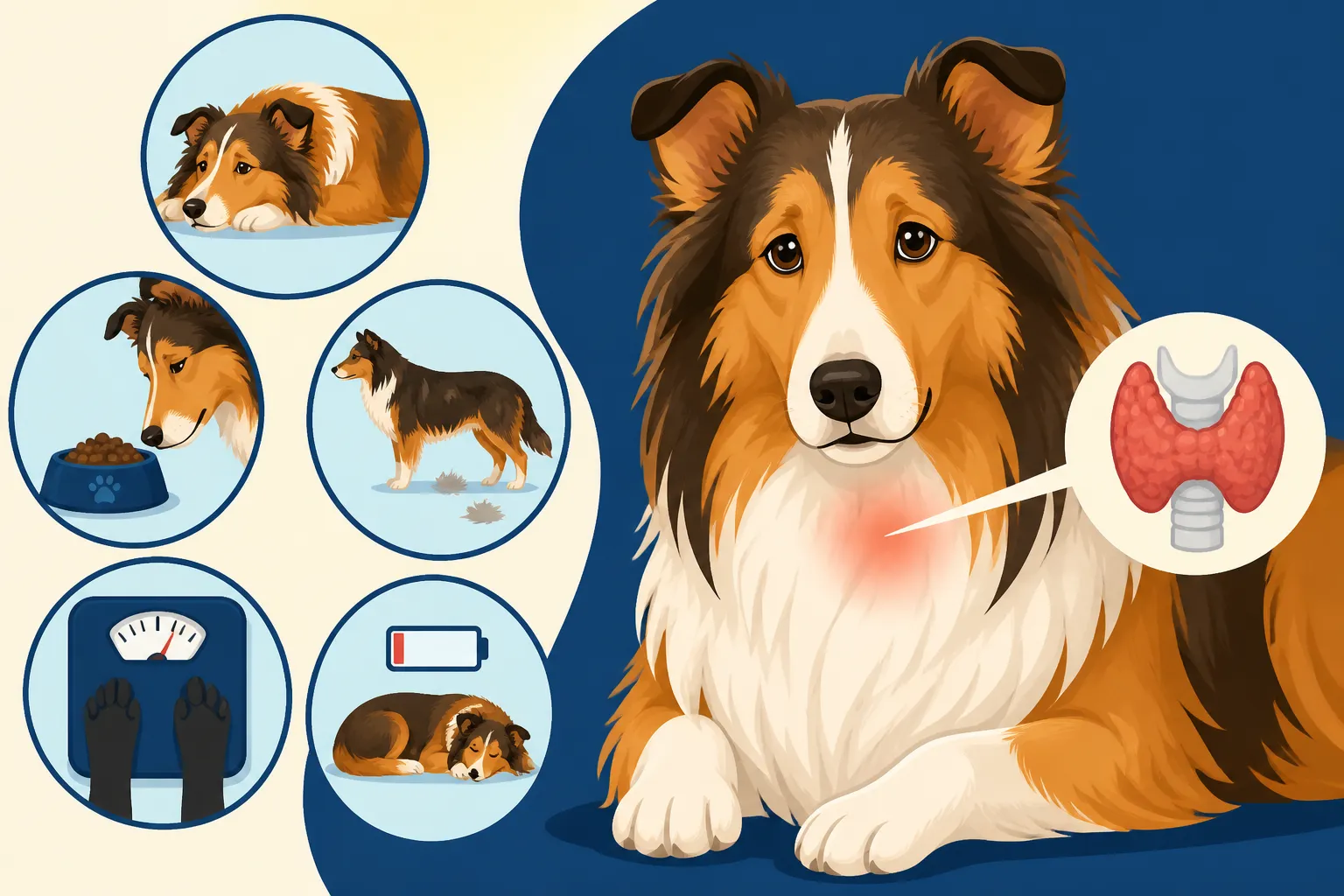
Perhaps one of the most classic indicators of low thyroid function in Collies is a noticeable deterioration in their magnificent coat and skin. You might observe generalized hair loss, often symmetrical, affecting the flanks, chest, and tail. This isn't your typical shedding; instead, the hair might simply stop growing back after a normal shedding cycle, or areas might become noticeably sparse. The fur that is left can become brittle, dry, and coarse to the touch, losing its characteristic soft sheen. It often feels "dead."
Beyond just hair loss, the skin itself can suffer. It might become dry, flaky, and prone to infections, leading to persistent dandruff or even a greasy, seborrherheic texture. Some Collies develop a condition called "rat tail," where the hair on their tail becomes thin and brittle. You might also notice hyperpigmentation, where areas of the skin, particularly in places with hair loss, darken. It’s important to distinguish these changes from other common skin issues. If you're wondering "What Changes in a Collie After Nine" or dealing with other age-related issues, remember that thyroid problems can exacerbate or mimic other conditions.
Weight Gain and Lethargy
Another incredibly common and often frustrating sign of hypothyroidism is unexplained weight gain, even if your Collie's diet hasn't changed, or they're actually eating less. Because thyroid hormones regulate metabolism, a deficit slows everything down, meaning your dog burns fewer calories and stores more as fat. This can be particularly disheartening for owners trying to manage their Collie's weight with diet and exercise, only to see no results.
Hand-in-hand with weight gain is lethargy and a general decrease in energy. Your once-eager-to-play Collie might become a couch potato, sleeping more and showing less enthusiasm for walks, playtime, or even their favorite treats. They might seem generally slower, less engaged, and lack their usual zest for life. This isn't just a senior dog slowing down; it's a profound, persistent tiredness that affects their quality of life. Owners often confuse this with normal aging or even mild depression, unaware it’s a treatable medical condition.
Other Less Common Physical Symptoms
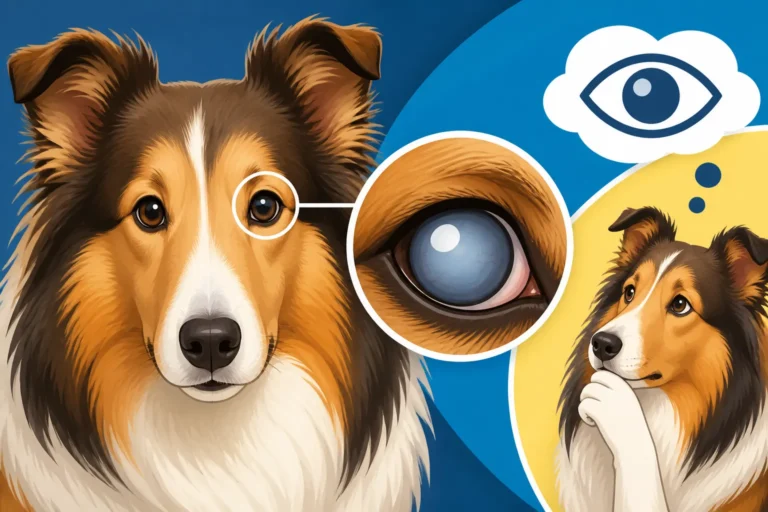
While coat issues and lethargy are classic, there are other physical signs that can point to a low thyroid. Some Collies develop a classic "tragic" facial expression due to thickening of the skin and muscles around the face. This can make them look puffy or swollen, particularly around the eyes. They might also exhibit an intolerance to cold, seeking out warm spots or shivering more readily, as their body struggles to maintain its core temperature.
Less frequently, you might notice changes in heart rate, with some hypothyroid dogs having a slower-than-normal heart rate (bradycardia). In rare, severe cases, neurological symptoms like seizures or weakness might appear, though these are far less common initial presentations. If you are ever concerned about an emergency, it's vital to know "What a Collie Owner Should Carry to an Emergency Visit," particularly medical records.
Here's a quick summary of potential physical signs:
| Symptom Category | Specific Observations |
|---|---|
| Coat & Skin | Symmetrical hair loss (flanks, tail, chest) |
| Dull, dry, brittle coat | |
| Thickening of skin, hyperpigmentation | |
| Dry, flaky skin, dandruff | |
| Recurrent skin infections | |
| Energy & Weight | Unexplained weight gain |
| Lethargy, increased sleeping | |
| Reduced enthusiasm for activity | |
| General sluggishness | |
| Other | Cold intolerance (seeking warmth, shivering) |
| Puffy face, "tragic" expression | |
| Slower heart rate (bradycardia) | |
| (Rare) Neurological signs like weakness or seizures |
Behavioral and Mental Changes to Watch For
It's not just the physical appearance that can change with hypothyroidism; your Collie's personality and mental state can also be significantly affected. These behavioral shifts can be particularly distressing for owners who cherish their Collie's sweet, intelligent nature.
Personality Shifts
A hypothyroid Collie might undergo noticeable personality changes, often becoming more anxious, irritable, or even aggressive. A previously friendly and confident dog might become withdrawn, fearful, or even snap when approached or handled. This can be especially heartbreaking, as it feels like your cherished companion is slipping away. The hormonal imbalance can lead to a general dullness of affect, where the dog just doesn't seem as 'present' or engaged as they once were.
Imagine a Collie that was once the life of the party, greeting everyone with tail wags and gentle nudges, now retreats to another room when guests arrive. This isn't necessarily a sign of a bad dog, but rather a dog whose internal chemistry is out of whack. It's crucial not to punish these changes, but to recognize them as potential symptoms of an underlying medical issue that needs attention. It’s a good idea to consider "Whether a Collie Hides Pain" or discomfort, as subtle behavioral changes can be their only way of communicating distress.
Decreased Activity and Interest
Beyond just physical lethargy, Collies with low thyroid function often display a profound lack of interest in activities they once loved. The ball that used to ignite a frantic game of fetch might now be ignored. The prospect of a walk, which once filled them with joy, might be met with a slow, reluctant plod. This diminished enthusiasm can extend to social interactions, with less interest in playing with other dogs or even engaging with family members.
This reduction in mental engagement can be particularly telling. A Collie is a smart, sensitive breed that thrives on interaction and mental stimulation. When they stop seeking out these engagements, it’s a red flag. It's more than just being tired; it's a disengagement from their world, often due to the pervasive effects of insufficient thyroid hormone on their brain and nervous system.
Cognitive Changes
In some cases, hypothyroidism can lead to more overt cognitive dysfunction. You might notice your Collie becoming forgetful, confused, or even disoriented, especially in familiar environments. They might stare blankly, get "stuck" in corners, or struggle with once-simple commands. These changes can mimic other age-related cognitive declines, but with proper thyroid treatment, some of these symptoms can improve.
A Collie's intelligence and desire to please are usually hallmarks of the breed. When they seem to lose their sparkle, their ability to focus, or their memory, it’s a clear sign that something is amiss internally. Observing these kinds of changes in a Collie can be particularly alarming, as it affects their very essence as an intelligent, companionable animal. Recognizing these signs is the first step towards getting them the help they need.
When to Consult Your Vet
If you've noticed any of the physical or behavioral changes mentioned above, it's time to have a serious conversation with your veterinarian. Don't wait until symptoms become severe; early diagnosis and treatment can make a world of difference in your Collie's quality of life.
The Importance of Early Diagnosis
Catching hypothyroidism early is paramount. The longer the condition goes untreated, the more pronounced and entrenched the symptoms can become, and the longer it might take for your Collie to fully recover once treatment begins. Early intervention means a quicker return to their normal self, preventing further deterioration of their coat, weight, and overall well-being. Moreover, because many of the symptoms are non-specific, early testing can rule out other potentially serious conditions.
Delaying diagnosis can also mean that your Collie suffers unnecessarily from chronic discomfort, skin infections, and a diminished quality of life. A quick blood test can provide definitive answers, setting your Collie on the path to recovery. Don't underestimate the profound impact a simple hormone deficiency can have; addressing it promptly is a kindness to your canine companion. Our article on "What a Collie's Annual Preventives Cost" emphasizes the importance of routine health checks that can often catch these issues.
What to Expect at the Vet
When you bring your Collie to the vet with concerns about low thyroid, they will start with a thorough physical examination and discuss your observations in detail. They'll likely recommend blood tests, specifically a full thyroid panel. This isn't just a single T4 test; a comprehensive panel will typically include total T4 (TT4), free T4 (fT4), TSH (thyroid-stimulating hormone), and sometimes autoantibodies (TgAA). The Michigan State University Diagnostic Center for Population and Animal Health (MSU DCPAH) is a well-regarded laboratory that often performs comprehensive thyroid panels, providing detailed insights into canine thyroid function.
This panel gives a much clearer picture of what's happening with your Collie's thyroid function, as various factors can influence T4 levels temporarily. Your vet will interpret these results in conjunction with your Collie's clinical signs to make a diagnosis. If your vet suspects hypothyroidism, they'll often recommend a trial of thyroid hormone replacement medication. You can learn more about general vet visit costs in our article, "What a Collie's Bloodwork Costs."
Managing Hypothyroidism in Collies
The good news about hypothyroidism is that it’s highly manageable! Once diagnosed, treatment typically involves lifelong daily medication – a synthetic thyroid hormone called levothyroxine (L-thyroxine). This medication is usually inexpensive and very effective at replacing the missing hormones. The dosage will be tailored to your individual Collie, and your vet will likely want to recheck blood levels regularly, especially in the initial months, to ensure the dosage is optimal.
With consistent medication, you should expect to see a significant improvement in your Collie's symptoms. Energy levels often increase within a few weeks, and coat and skin health will gradually improve over several months. Weight management will become easier, and many owners report their Collie's personality returning to its cheerful, engaged self. It’s important to remember that this is a lifelong condition, so consistent medication and regular veterinary check-ups are key to keeping your Collie healthy and happy. Some pet insurance providers, like Healthy Paws, offer coverage for chronic conditions like hypothyroidism, which can certainly help manage the long-term costs of medication and monitoring.
Disclaimer
This article is intended for informational purposes only and does not constitute medical advice. Always consult with a qualified veterinarian for any health concerns or before making any decisions about your pet's health or treatment plan.