Why Collies Reach Rescue After a Shedding Season
It’s a heart-wrenching reality in the world of dog rescue: beautiful, gentle Collies often find themselves in shelters, not due to behavioral issues or aggression, but because their magnificent double coats become an overwhelming burden for their owners. This isn't about malicious intent; it's usually a sad story of unpreparedness, underestimated effort, and the sheer physical and mental toll of managing a Collie's seasonal shedding. This guide aims to shed light on why Collies land in rescue after shedding season, and how proactive understanding can prevent such a fate.
The Seasonal Shock: When the Dream Coat Becomes a Nightmare
That flowing mane, the regal frill, the stunning athleticism of a Rough Collie – it's what draws so many to the breed. The image of Lassie, trotting gracefully through fields, her coat shimmering, is iconic. But what the silver screen doesn't show you is the reality of that coat when shedding season hits. It's often a rude awakening for new owners, turning a cherished pet into a source of unexpected stress and a never-ending battle with fur.
The Sheer Volume of a Collie's Coat
Many people encounter Collie puppies or even young adults and are charmed by their soft, fluffy fur. What they don't always realize is that a Collie's coat is a marvel of nature designed for protection against the elements, comprising a harsh, long outer coat and a dense, woolly undercoat. When that undercoat starts to go, it's not just a few stray hairs. We're talking about a volume of fur that can truly astound the uninitiated. It feels like you could knit another dog from the amount that comes off! This isn't just surface shedding; it's a deep, foundational release of insulation, and it needs active management, not just casual brushing. The sheer density beneath that beautiful topcoat is something you have to experience to truly understand, and for many, that experience comes as a profound shock.
The "Blowing Coat" Phenomenon
Collies, like many double-coated breeds, don't just shed consistently throughout the year. They have distinct periods, typically twice a year (though sometimes more often depending on climate and hormones), where they "blow" their coats. This is when the old, dead undercoat detaches in massive quantities, making way for new growth. Imagine waking up to find tumbleweeds of dog hair forming in every corner of your house, clinging to every surface, and appearing out of nowhere even after you've just cleaned. This isn't a trickle; it's a flood. The duration can feel like an eternity, sometimes lasting several weeks or even a month or more for The Three Weeks Twice a Year When a Collie Buries Your House. During this time, the dog can look quite ragged as patches of old coat come out. It's not just messy; it requires intensive daily intervention to prevent matting and discomfort for the dog.
The Unexpected Intensity for First-Time Collie Owners
If you've only ever owned single-coated breeds or dogs with shorter hair, the reality of a Collie's coat can be utterly overwhelming. You might have read about "shedding," but what you pictured was likely a fraction of the reality. The sheer scale of the hair production, combined with the dedicated time required for maintenance, often catches first-time Collie owners completely off guard. They might have fallen in love with the breed's gentle nature and striking appearance, never anticipating that the biggest challenge would be a hairy one. The iconic Lassie might have inspired many to get a Collie, but the practicalities of caring for that kind of coat were never part of the storyline. It's a stark contrast between the romanticized image and the very real, very hairy daily grind.
Grooming Demands: More Than Just a Brush a Week
To truly manage a Collie's coat, especially during shedding season, you need more than just a passing acquaintance with a brush. It's an ongoing commitment that requires specific techniques and the right tools. Neglecting these demands doesn't just lead to a messy house; it leads to a miserable dog.
The Time Commitment Involved
During non-shedding periods, a good 20-30 minute session a couple of times a week might suffice to keep your Rough Collie's coat in good condition. But when that undercoat starts to blow, you're looking at daily, sometimes even twice-daily, dedicated grooming sessions. This isn't a quick once-over. This means line brushing, methodically parting the coat and brushing from the skin out, section by section, to ensure all the dead undercoat is removed. If you skip this crucial step, especially during peak shedding, that loose undercoat will tangle with the longer guard hairs, forming dense, painful mats. It's a significant time investment, easily adding several hours to your week, and for many busy households, this becomes an unmanageable burden. Understanding How Often a Rough Collie Should Be Brushed is crucial long before the shedding starts.
The Right Tools and Techniques
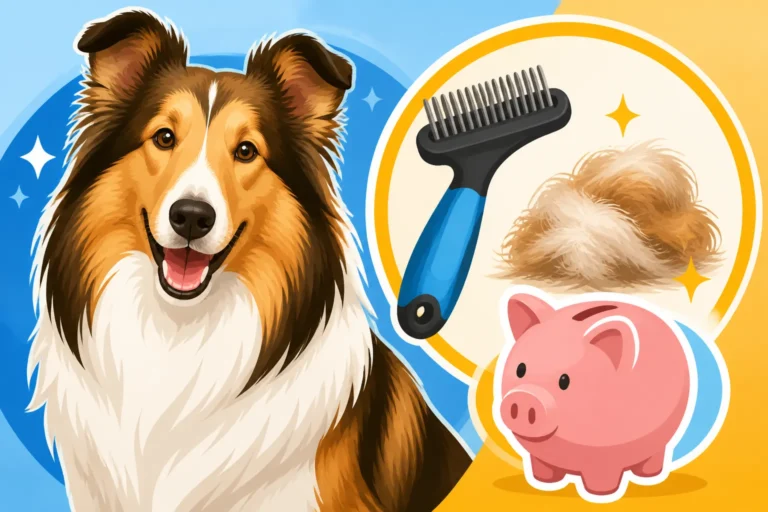
You can't just grab any old brush for a Collie. Effective grooming requires an arsenal of specialized tools. A good quality pin brush is essential for the topcoat, while a slicker brush can help with smaller tangles. But the real workhorse for removing undercoat is a sturdy undercoat rake. You'll also need a wide-toothed metal comb to check your work and ensure no mats are lurking close to the skin. During a coat blow, many owners find a high-velocity force dryer invaluable for blasting out loose hair after a bath or even just for dry de-shedding. Without the correct tools, you can pull on the hair, hurt the dog, or simply fail to remove the underlying problem. It's also vital to learn proper techniques like line brushing; simply brushing over the top of the coat will do little to prevent mats forming at the skin level. The investment in tools is one thing, but the investment in learning how to use them effectively is another entirely. For a comprehensive list, you might want to read about What Grooming Tools a Collie Owner Buys Once.
Professional Grooming Isn't a Cure-All or a One-Time Fix
Some owners think they can simply drop their Collie off at a professional groomer a few times a year and be done with it. While professional groomers are absolute lifesavers and indispensable for Collies, they are not miracle workers, nor are they a substitute for regular home care. Firstly, the cost of a full groom on a Rough Collie, especially one in full coat or with matting, can be substantial, as discussed in What a Professional Groom Costs on a Rough Collie. Secondly, if a Collie arrives at the groomer severely matted, the only humane option is often to clip the coat short, which is distressing for the owner and can damage the coat permanently. A Collie is never trimmed and never shaved under normal circumstances because Why a Collie Should Never Be Shaved and because it can take years for a coat to recover, sometimes it never does. A groomer can help manage shedding with de-shedding treatments and baths, but these are ongoing services, not a one-and-done solution. Relying solely on a professional is an expensive strategy that still requires the dog to be comfortable with regular handling and brushing at home.
The Impact on Home and Lifestyle: When Hair Takes Over
Beyond the grooming effort itself, the sheer volume of hair shed by a Collie has a profound impact on the home environment and the owner's lifestyle. It's not just an aesthetic issue; it can become an all-encompassing challenge that affects cleanliness, social life, and mental well-being.
The Never-Ending Battle Against Hair in the House
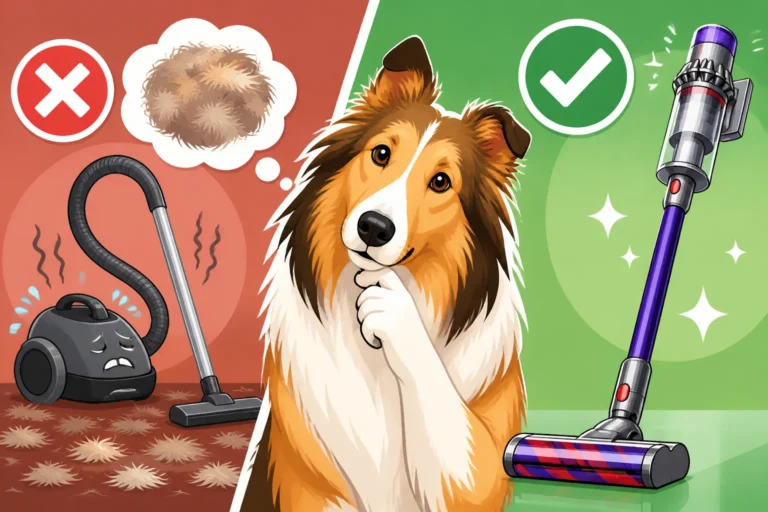
During shedding season, your home can feel like a perpetual snow globe, but instead of flakes, it's fur. Collie hair has a way of finding its way into every nook and cranny. It clings to carpets, weaves itself into upholstery, becomes part of your clothes, and even floats through the air to settle on surfaces you just cleaned. No matter how diligently you vacuum, dust, or lint roll, within hours, new strands appear. It gets into food, finds its way onto your toothbrush, and can even clog vacuum filters. This constant influx of hair can be deeply frustrating for those who value a clean home, leading to a feeling of fighting a losing battle against an invisible, yet ever-present, opponent. Investing in a powerful vacuum and washable covers becomes a necessity, not a luxury.
Social Implications and Visitor Perceptions
For many owners, the constant presence of dog hair becomes a source of embarrassment when guests come over. Despite their best efforts, it's incredibly difficult to make a home with a shedding Collie truly "hair-free." You might find yourself apologizing for the hair on the sofa or trying to discreetly lint-roll your friend's jacket. This can lead to stress around entertaining or even reluctance to invite people over. Furthermore, if family members have allergies, the increased dander during shedding season can make the home an uncomfortable or even unhealthy environment for them. It's a hidden social cost that many don't consider when they first bring home that adorable Collie puppy.
The Mental Toll of Constant Cleaning
Living with constant dog hair isn't just physically taxing; it takes a significant mental toll. The endless cycle of cleaning, only for it to be undone within hours, can lead to feelings of frustration, exhaustion, and even resentment. What began as a joyful companionship can slowly morph into a source of stress and guilt, as owners feel they're failing to keep their home tidy or provide adequate care for their dog's coat. This mental drain can chip away at the bond, making the entire experience less enjoyable. It's one thing to accept a little pet hair; it's quite another to live in what feels like a constant blizzard of fur, knowing it's a never-ending task.
Misconceptions and Unrealistic Expectations
A significant reason Collies end up in rescue is the stark mismatch between what prospective owners expect and the reality of living with a double-coated breed. The breed's public image, coupled with a lack of thorough research, often sets up owners for disappointment and an inability to cope with the dog's true needs.
The "Lassie" Effect: Idealized Image vs. Reality
The enduring legacy of "Lassie" has done wonders for popularizing the Collie, cementing its image as a noble, intelligent, and beautiful companion. However, this romanticized portrayal often skips over the less glamorous aspects of dog ownership, particularly the intensive grooming requirements. On screen, Lassie's coat is always pristine, perfectly flowing, and seemingly effortless. There's no montage of Herculean brushing sessions, no shots of the floor covered in undercoat after a bath. This creates an idealized image that leads many to believe that such a coat is low-maintenance or simply cared for with a casual brush. The reality is that maintaining a show-quality coat like Lassie's is a monumental undertaking, involving hours of work, and even a well-maintained pet coat demands considerable effort, especially when the dog is blowing its undercoat.
Underestimating the Double Coat
Many people simply don't understand what a double coat entails. They might see a long-haired dog and assume it sheds "a bit," perhaps comparable to a Golden Retriever or a German Shepherd. While those breeds certainly shed, a Rough Collie's double coat, with its dense, insulating underlayer, presents a unique challenge. This isn't just about surface hair; it's about the voluminous undercoat that sheds out seasonally. Without proper education on breed-specific grooming needs, new owners are often unprepared for the sheer quantity of hair, the specific tools required (like an undercoat rake), and the potential for severe matting if neglected. They might not realize that a regular brush won't penetrate to the skin to remove the dead undercoat, allowing it to compact and cause problems.
Hoping for a "Low Shedding" Collie
It's common for prospective owners to wish for a long-haired dog that somehow defies the laws of nature and sheds minimally. Unfortunately, with a Rough Collie, that's not a realistic expectation. While individual dogs might have slightly different shedding patterns or coat types, no Rough Collie is "low shedding." The only variety that sheds less visibly is the Smooth Collie, which is essentially the same dog but with a short, dense coat. Even a Smooth Collie sheds, and can have periods of heavy shedding, but the hair is shorter and generally easier to manage. Yet, many people overlook the Smooth Collie, drawn exclusively to the Rough's iconic long hair, and then express surprise at the shedding volume. There isn't a "magical" Rough Collie that doesn't shed; it's a fundamental characteristic of the breed's coat type. For more on this, check out The Smooth Collie Is the Same Dog With Less Work.
Financial Strain: The Hidden Costs of Coat Care
While the initial cost of a Collie puppy can be significant, the ongoing expenses, particularly those related to coat maintenance, often go overlooked. These hidden costs can add up quickly, becoming a substantial financial burden that contributes to owners feeling overwhelmed and, ultimately, leading to rehoming.
The Cost of Grooming Supplies and Equipment
Outfitting yourself with the right grooming tools isn't a one-time, cheap purchase. A high-quality pin brush, a reliable slicker, a sturdy undercoat rake, and a good metal comb can run into a decent sum. Then there's the investment in shampoos, conditioners, and detangling sprays specifically formulated for double coats. During shedding season, many owners find that a high-velocity force dryer, while a considerable upfront expense, becomes almost essential for efficiently blasting out loose undercoat after a bath or even for dry de-shedding. Beyond the dog's personal grooming, there are the costs associated with home maintenance: powerful vacuums designed for pet hair, lint rollers by the dozen, and washable covers for furniture. Brands like Chewy often offer competitive prices on these supplies, but the cumulative cost is still something to factor into your budget. This isn't just pocket change; it's a dedicated line item in your monthly pet expenses.
Professional Groomer Fees
If you can't keep up with the extensive grooming at home, the alternative is professional grooming, which comes with its own substantial price tag. A full grooming session for a Rough Collie, including bathing, drying, de-shedding, and tidying, can be quite costly. These aren't just occasional visits; during peak shedding, you might need to schedule appointments every 6-8 weeks to stay on top of the coat. An overlooked or severely matted coat can lead to even higher "dematting fees" or necessitate a complete shave-down, which no Collie owner wants. These recurring professional fees can quickly become a significant financial strain, especially for owners who underestimated the ongoing commitment, as discussed in A Collie's Coat Is the Bill That Arrives Every Eight Weeks. It's a choice between investing time or investing money, and many find they have neither in the necessary quantities.
Other Related Expenses
The financial implications of a Collie's coat extend beyond just grooming. Increased laundry cycles for dog beds, blankets, and even your own clothes add to utility bills. There's also the potential for vet visits stemming from neglected coat care. Severe matting can cause skin irritations, hot spots, or even hide underlying skin infections that require veterinary attention and medication. While pet insurance companies like Healthy Paws can be a lifesaver for unexpected illnesses or accidents, routine grooming and preventative de-matting aren't typically covered. Even quality food, such as that offered by Ollie, can contribute to a healthier coat, potentially reducing shedding slightly and making it easier to manage, but it's another expense. These accumulated costs, both direct and indirect, can quietly erode an owner's budget, leading to the difficult realization that they simply cannot afford to maintain their Collie's needs properly.
The "Last Resort" – Why Rescues Become the Only Option
No owner wants to rehome their beloved pet, and for those who eventually surrender their Collie to a rescue, it's almost always a last resort born of genuine distress and feeling utterly defeated. It's rarely a flippant decision but rather a culmination of overwhelming factors directly related to the demands of the Collie's coat.
Overwhelmed Owners and Time Constraints
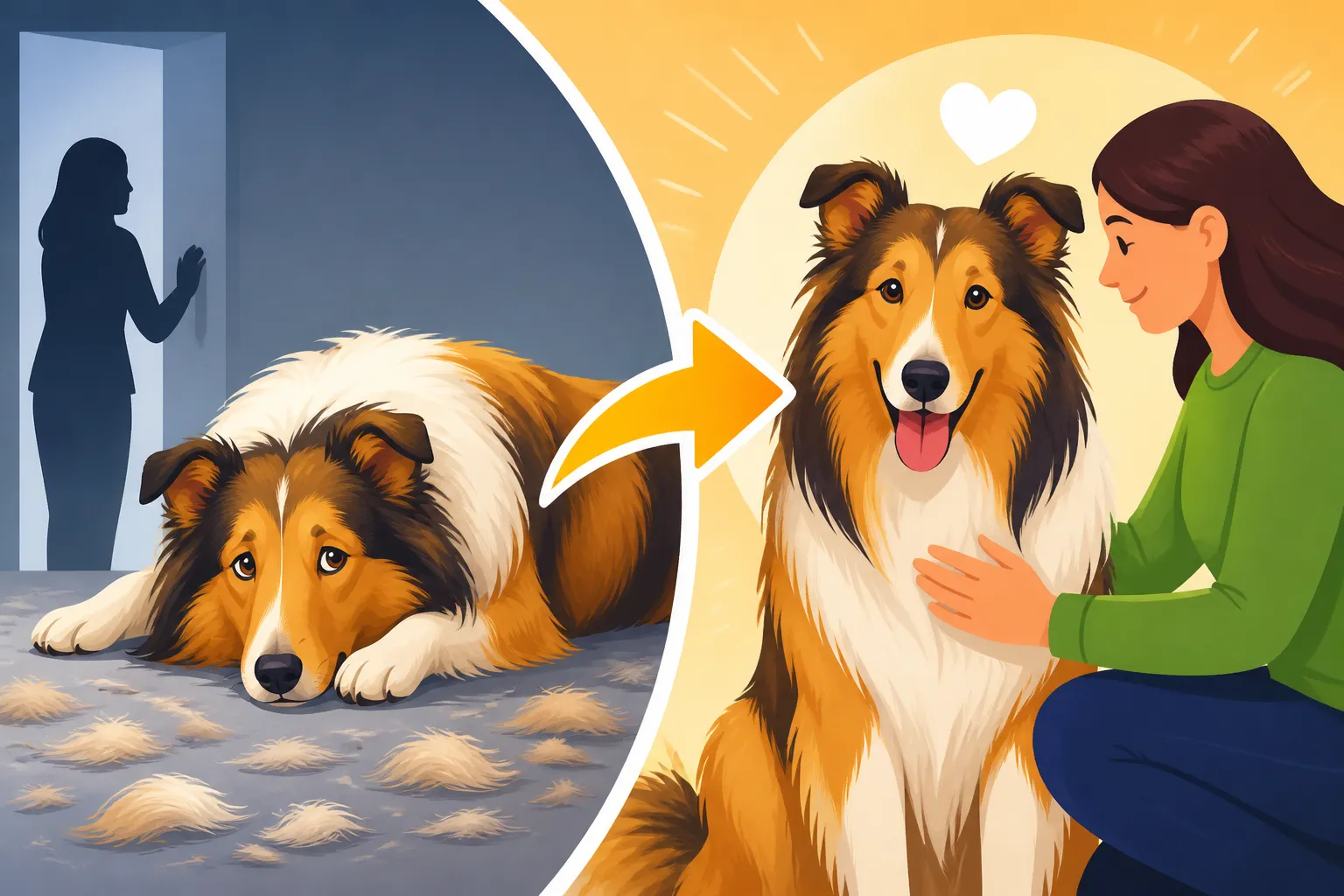
The primary driver behind Collies ending up in rescue after shedding season is simply that their owners become completely overwhelmed. The endless brushing, the constant battle with hair in the home, and the recurring financial outlay become too much. Life happens: a new job with longer hours, the arrival of a baby, an unexpected illness, or even just the aging of the owner can drastically reduce the time and energy available for dedicated grooming. What was once manageable might suddenly become impossible. Owners often feel immense guilt and shame, believing they are failing their dog. They reach a point of exhaustion where they realize they simply cannot provide the necessary care to keep their Collie comfortable and healthy, leading them to believe that a rescue organization might be better equipped to find a suitable home.
Health Issues Stemming from Neglect
When a Collie's coat is neglected, especially during periods of heavy shedding, the consequences are severe for the dog's well-being. Loose undercoat quickly compacts and forms mats, particularly in areas like behind the ears, armpits, and around the "frill" and "petticoat." These mats are not just unsightly; they pull on the skin, causing constant discomfort and pain. They can restrict movement, trap moisture and dirt against the skin, leading to painful hot spots, bacterial infections, and parasites. In extreme cases, mats can even cut off circulation. Owners, upon realizing their dog is suffering due to their inability to manage the coat, often feel immense despair. They see their beautiful companion in pain and are unable to resolve the issue themselves, making the decision to seek help from a rescue, hoping a new owner can prevent such suffering. Understanding areas like Mane, Frill and Petticoat: the Parts of a Collie That Mat is critical to preventing this painful outcome.
The Difficult Decision to Rehome
The decision to surrender a Collie to rescue is, for most owners, an agonizing one. It's often accompanied by tears, guilt, and a profound sense of failure. These owners generally love their dogs deeply but have reached their breaking point due to the relentless demands of the coat. They often hope that by placing their Collie with a breed-specific rescue, they can ensure the dog finds a home with experienced owners who truly understand and are prepared for the intensive grooming requirements. Rescue organizations, particularly those dedicated to Collies, are well-versed in these challenges and strive to educate potential adopters on the realities of coat care, aiming to prevent future surrenders. It's a testament to the challenge that even loving owners can be pushed to this heartbreaking choice simply because of the fur.
Preparing for a Collie's Coat: Realistic Expectations and Solutions
The good news is that these heartbreaking surrenders are largely preventable with proper education, realistic expectations, and a commitment to proactive care. If you're considering bringing a Collie into your life, or if you already have one and are struggling, there are tangible steps you can take to ensure you and your dog thrive, even through the heaviest shedding seasons.
Researching the Breed's Grooming Needs Thoroughly
Before you even think about getting a Collie, do your homework. Don't just look at pictures or watch movies. Talk to reputable Collie breeders, speak with current Collie owners (especially those with Rough Collies), and, perhaps most importantly, consult with professional groomers who have experience with the breed. Ask them directly about the shedding, the time commitment, and the tools required. Understanding the reality of How Much Undercoat a Collie Drops and the effort it takes to manage it is absolutely vital. If, after all this research, you're still hesitant about the coat, consider if a Smooth Collie might be a better fit for your lifestyle. While they still shed, their shorter coat is generally much less demanding in terms of daily grooming time and matting risk.
Establishing a Consistent Grooming Routine Early On
The key to a manageable Collie coat is consistency, starting from puppyhood. Introduce your Collie puppy to brushing early and often, making it a positive, rewarding experience with treats and praise. Start with short sessions, gradually increasing the duration as your puppy gets used to being handled. Learn the proper line brushing technique and practice it regularly, even when shedding isn't at its peak. This establishes a routine and teaches your dog to tolerate, and even enjoy, grooming sessions. It transforms grooming from a dreaded chore into a regular bonding activity, making those intense shedding seasons far more manageable. A well-maintained coat year-round means less overwhelming work during the seasonal blows.
Smart Home Management for Shedding
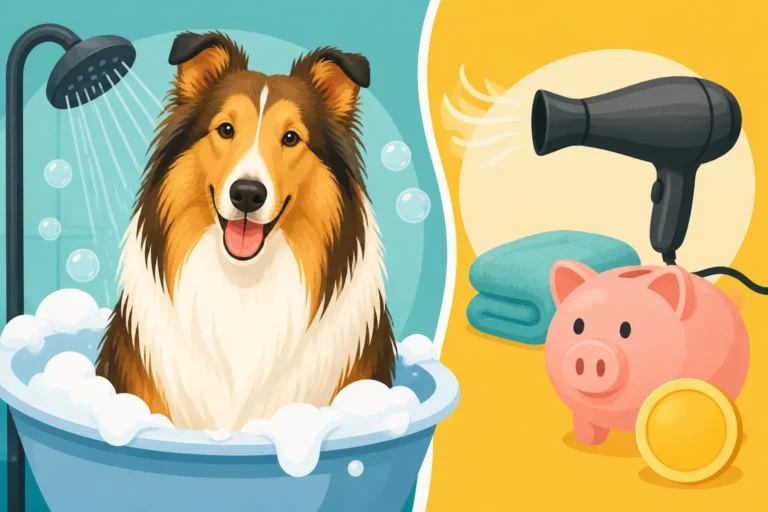
Even with the best grooming routine, Collies will shed. Therefore, smart home management strategies are crucial. Invest in a high-quality vacuum cleaner specifically designed for pet hair; it will be your best friend. Consider washable covers for your furniture to easily toss them in the laundry. Designate specific areas for grooming to contain the mess, perhaps a utility room or an outdoor spot. During heavy shedding, regular baths with a good de-shedding shampoo and conditioner, followed by a thorough blow-dry with a high-velocity dryer, can help release a significant amount of undercoat, reducing the amount shed in your home. You can also support your Collie's coat health from the inside out with a high-quality diet; some owners find that certain premium foods or supplements, perhaps like those offered by Ollie, contribute to a healthier, more manageable coat. Every little bit helps to keep the fur under control and your home feeling more like yours.
Rough vs. Smooth Collie: Shedding and Grooming Considerations
| Feature | Rough Collie | Smooth Collie |
|---|---|---|
| Coat Type | Long, harsh outer coat with dense, soft undercoat | Short, dense outer coat with thick undercoat |
| Shedding Volume | High, especially during seasonal coat blows | Moderate to High, still has seasonal blows |
| Shedding Frequency | Year-round, with intense seasonal "blows" (2-3 times/year) | Year-round, with noticeable seasonal "blows" (2 times/year) |
| Matting Risk | Very High, especially behind ears, armpits, ruff, "petticoat" | Low |
| Brushing Needed | Daily during shedding season; 2-3 times/week otherwise | Weekly to bi-weekly; more during shedding |
| Key Tools | Pin brush, slicker brush, undercoat rake, metal comb, high-velocity dryer | Rubber curry brush, bristle brush, shedding blade, grooming glove |
| Professional Grooming Frequency | Every 6-8 weeks (or more) for maintenance, more for de-shedding | Every 8-12 weeks for bathing/de-shedding, less intensive |
| Time Commitment | Significant | Moderate |
| Hair in House | Tumbleweeds of long hair, embeds in fabric | Shorter hairs, can be prickly, less visible volume |
Disclaimer
This article is for general informational purposes only and does not constitute professional advice. Laws, prices and regulations vary by location and change over time. Consult a qualified professional for guidance on your specific situation.